How to Breed Pet Store Betta Fish
Breeding pet store betta fish is easier than most people think. With the right setup, a healthy male and female pair, and proper water conditions, you can successfully raise betta fry at home. This guide walks you through every step of the betta fish breeding process in simple, actionable terms.
Breeding betta fish might sound intimidating, but it is one of the most rewarding experiences a fish keeper can have. Whether you bought your bettas from a local pet store or online, these vibrant fish have amazing breeding potential. The process does require some preparation, but once you understand the basics, everything falls into place.
If you have ever wondered how to breed pet store betta fish, you are in the right place. This guide covers every step from picking the right fish to raising the fry. You will learn about tank setup, water conditions, feeding, and common mistakes to avoid. Let us dive in.
Key Takeaways
- Choose a healthy breeding pair: A young, well-conditioned male and female betta fish are essential for successful breeding.
- Set up a proper breeding tank: A small, warm tank with gentle filtration and floating plants creates the ideal environment.
- Monitor water conditions closely: Clean, conditioned water at the right temperature helps both the parents and the fry stay healthy.
- Feed fry properly from day one: Infusoria and baby brine shrimp give newborn bettas the nutrition they need to grow strong.
- Separate the male after spawning: The male betta builds a bubble nest and guards the eggs, but he may harm the female if left together too long.
- Practice patience: The full breeding cycle takes time, from conditioning the pair to raising the fry to independence.
- Learn from trusted sources: Check out our guide on how to breed betta fish for even more detailed methods.
📑 Table of Contents
Understanding Betta Fish Breeding Basics
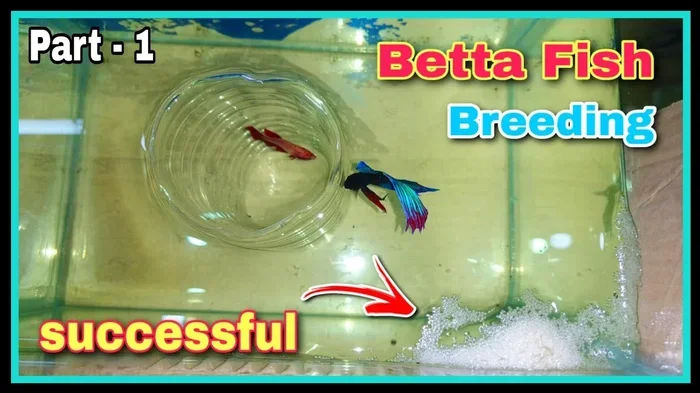
Before you start, it helps to understand how bettas reproduce. Male betta fish build bubble nests at the water surface. These nests hold the fertilized eggs until they hatch. The male takes full responsibility for guarding and caring for the eggs and fry.
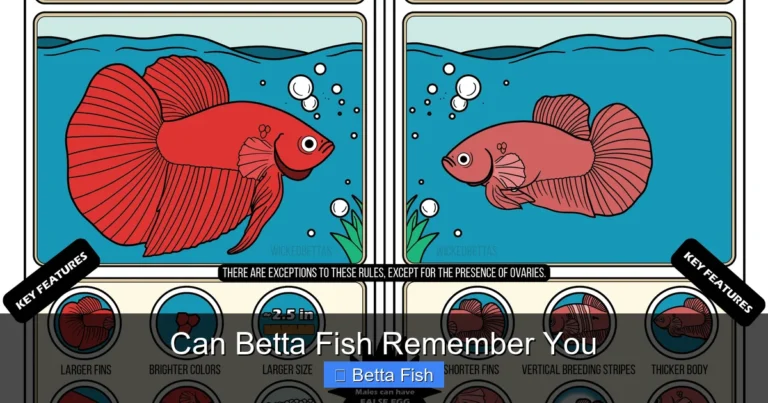
Female bettas release eggs during a spawning embrace. The male wraps around the female to fertilize them. After spawning, the male collects the eggs and places them in the bubble nest. This whole process is fascinating to watch.
Know Your Betta Fish Age
Age matters a lot in breeding. You should not breed bettas that are too young or too old. The ideal breeding age for both male and female bettas is between 4 and 12 months. Breeding older fish can lead to weak fry or health problems for the parents.
Check the color and fins of your fish. A healthy breeding pair will have bright colors and flowing fins. If you are unsure about age, look for signs of maturity like a white egg spot on the female’s belly. You can also read our article on how old betta fish to breed for more details.
Pick the Right Breeding Pair
Not every pair of bettas will breed successfully. Choose a male and female that are both active and eating well. Avoid fish with torn fins, dull colors, or signs of illness. The female should have a visible egg spot, and the male should be building bubble nests regularly.
It is also important to choose fish with different color traits if you want interesting fry. Breeding a red male with a blue female can produce stunning color variations. For more on breeding specific colors, visit our page on how to breed betta fish colors.
Setting Up the Breeding Tank
A dedicated breeding tank makes a huge difference. You do not want to breed your bettas in a community tank. The male can become aggressive, and other fish may eat the eggs or harm the fry.
Use a tank that is at least 5 to 10 gallons. Keep the water temperature between 78 and 82 degrees Fahrenheit. A heater is essential to maintain a stable temperature. Add a sponge filter for gentle water flow. Strong filters can destroy the delicate bubble nest.
Add Floating Plants
Floating plants like java moss or frogbit give the male a place to anchor his bubble nest. They also provide hiding spots for the female, which reduces stress. The female needs a way to escape the male after spawning, or she could get injured.
Keep the tank dimly lit. Bright lights can stress the fish and make them less likely to breed. A simple LED with a dimmer works perfectly. You can also learn more about setting up a proper environment in our article on how to set up a fish tank for betta fish.
Conditioning the Breeding Pair
Conditioning is the process of preparing the male and female for breeding. This step is often skipped, but it really improves your chances of success. Feed both fish high-quality live or frozen foods for 1 to 2 weeks before introducing them.
Good conditioning foods include brine shrimp, daphnia, and bloodworms. Feed them 2 to 3 times a day in small amounts. The goal is to make both fish healthy and full of energy. A well-conditioned female produces more eggs, and a well-conditioned male builds a better bubble nest.
Introduce the Pair Gradually
Do not just drop the male and female into the same tank. Start by placing them on opposite sides of the breeding tank with a divider between them. Let them see and smell each other for 2 to 3 days. This builds excitement and reduces shock.
After a few days, remove the divider and observe their behavior. The male will start flaring and building a bubble nest. The female may show vertical stripes, which means she is ready to spawn. If the male chases the female aggressively, separate them and try again later.
The Spawning Process
When both fish are ready, spawning usually happens within 24 to 48 hours. The male will wrap his body around the female, and she will release eggs. He will fertilize them and place them in the bubble nest. This process may repeat several times over a few hours.
Watch carefully but do not interfere. The male knows what to do. Once the female has released all her eggs, she will look tired. Remove her from the tank immediately. The male needs to guard the eggs, and the female could become a target for his aggression.
What to Expect After Spawning
The male will tend to the bubble nest constantly. He will pick up any eggs that fall and place them back in the nest. The eggs usually hatch within 24 to 72 hours. The fry will stay attached to the nest for another day or two before becoming free-swimming.
During this time, do not do any water changes. Disturbing the water can destroy the bubble nest. Once the fry are free-swimming, you can start thinking about feeding them.
Caring for Betta Fry
Raising betta fry is the most challenging part of the process. Newborn fry are tiny and need very small food. They cannot eat regular fish flakes or pellets. Start with infusoria or liquid fry food for the first week.
After the first week, you can introduce baby brine shrimp. This is the best food for growing fry. Feed them 3 to 4 times a day in tiny amounts. Remove any uneaten food immediately to keep the water clean.
Water Maintenance for Fry
Fry are very sensitive to water quality. Use a turkey baster to remove debris from the tank floor. Do not do full water changes, but replace about 10 to 20 percent of the water every other day. Make sure the new water is the same temperature as the tank water.
Proper water preparation is critical at this stage. Always use a water conditioner to remove chlorine and chloramine. You can also read our guide on how to prep water for betta fish for helpful tips.
When to Separate Fry by Size
As the fry grow, you will notice size differences. Larger fry may eat smaller ones if food is scarce. Separate them into different containers based on size once they reach about half an inch long. This ensures all the fish get enough to eat and grow evenly.
By the time the fry are 2 months old, they will start developing their colors. You can begin feeding them crushed flakes and small pellets. Within 3 to 4 months, they will look like miniature versions of adult bettas.
Common Mistakes to Avoid
Even experienced fish keepers make mistakes when breeding bettas. Here are some common errors to watch out for.
- Skipping the conditioning phase: Unconditioned fish produce fewer eggs and weaker fry.
- Using too large a tank: A huge tank makes it hard for the male to find and care for the eggs.
- Leaving the female in too long: The male may injure the female if she stays after spawning.
- Feeding fry the wrong food: Regular fish food is too big for newborn bettas and can cause them to starve.
- Performing big water changes: Sudden changes in water parameters can kill delicate fry.
- Breeding sick or old fish: This leads to poor-quality fry and can harm the parents.
Quick Tips for Success
Here are a few quick tips that can make your breeding journey smoother. First, always quarantine new fish for two weeks before adding them to the breeding tank. This prevents disease from spreading. Second, keep a log of your breeding attempts. Note what worked and what did not. Third, be patient. Not every attempt will be successful, and that is perfectly normal.
If you ever need help with a stressed fish during the process, check out our guide on how to treat a stressed betta fish. Prevention and quick action go a long way in keeping your breeding fish healthy.
When to Seek Help
Sometimes things do not go as planned. The male may abandon the bubble nest, or the eggs may turn white and fuzzy. These are signs of fungal or bacterial infection. In these cases, a mild treatment like methylene blue can help. But always research any treatment carefully before using it in a breeding tank.
If you are dealing with health issues like ich or fin rot, it is best to treat the fish in a separate hospital tank. Medications can harm the fry and disrupt the breeding process. You can find more information on common fish health issues in our articles on how to treat ich on a betta fish and how to treat betta fish fin loss.
Breeding pet store betta fish is a journey that teaches patience, observation, and care. Every successful batch of fry is a reward for your effort. Start with healthy fish, set up the right environment, and follow the steps in this guide. You will be amazed at what you can achieve.
Frequently Asked Questions
How long does it take for betta fish to breed?
The full breeding process from conditioning to free-swimming fry takes about 4 to 6 weeks. Conditioning takes 1 to 2 weeks, spawning happens within a few days after introduction, and the eggs hatch in 24 to 72 hours. Raising the fry to independence takes another 3 to 4 months.
Can you breed betta fish from a pet store?
Yes, pet store bettas can breed successfully. However, pet store fish may not always be in ideal condition for breeding. Look for young, healthy fish with bright colors and no signs of disease. Conditioning them properly before breeding greatly improves your chances of success.
How many eggs do betta fish lay?
A healthy female betta can lay anywhere from 30 to 500 eggs per spawning session. The number depends on her age, size, and overall health. Not all eggs will hatch, and not all fry will survive, so expect some natural loss during the first few weeks.
Do I need a separate tank for breeding bettas?
Yes, a separate breeding tank is highly recommended. It gives you control over water conditions and protects both the parents and the fry. A 5 to 10 gallon tank with a heater, sponge filter, and floating plants creates the perfect setup.
What should I feed betta fry?
Start with infusoria or liquid fry food for the first week. Then move to baby brine shrimp, which is the best growth food for young bettas. After a month, you can introduce crushed flakes and small pellets. Feed small amounts 3 to 4 times a day.
Why did my male betta eat the eggs?
Sometimes male bettas eat their eggs if they are inexperienced or stressed. This can also happen if the tank is too bright, the water quality is poor, or the male feels threatened. Using a properly set up breeding tank and keeping disturbances to a minimum helps prevent this behavior.
=== CONCLUSION ===
Breeding pet store betta fish is a fulfilling hobby that anyone can enjoy with the right knowledge and preparation. From choosing a healthy pair to raising beautiful fry, every step brings you closer to success. Focus on water quality, proper nutrition, and patience. Avoid the common mistakes outlined in this guide, and you will give your betta fish the best chance to thrive.
Remember, every breeding experience teaches you something new. Do not get discouraged if your first attempt is not perfect. Keep learning, keep experimenting, and most importantly, have fun with it. Your pet store bettas have the potential to create the next generation of stunning, healthy fish. Start today and enjoy the journey of betta fish breeding!