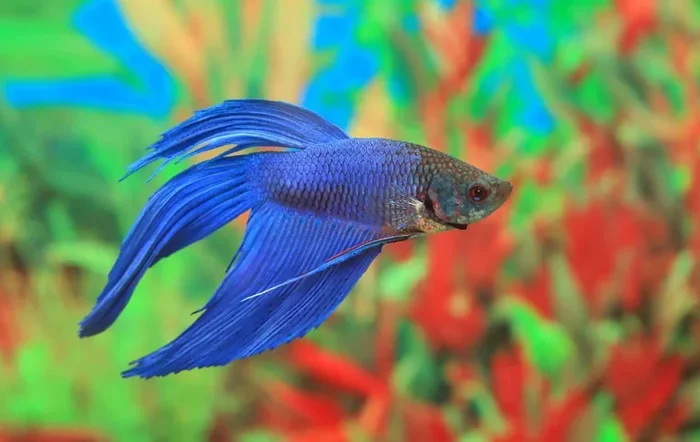
Can I Use Well Water for My Betta Fish
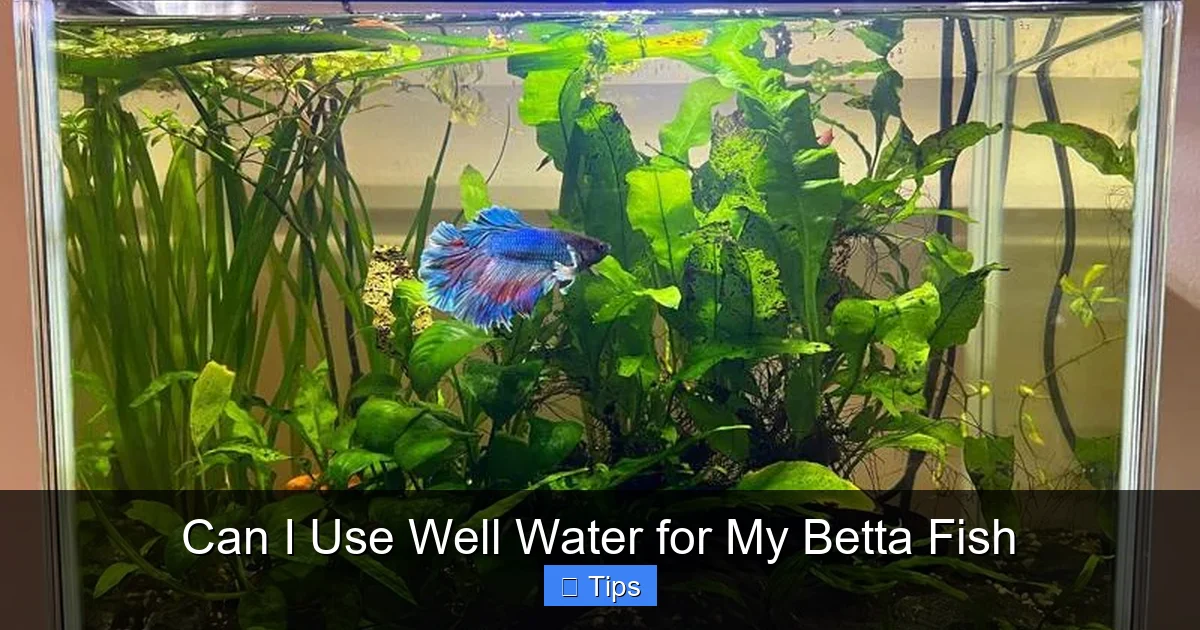
Using well water for your betta fish is possible but not automatically safe. Unlike municipal water, well water quality varies drastically and often contains hidden contaminants like heavy metals, minerals, or bacteria that can harm or kill your sensitive betta. The only way to know for sure is to test your specific well water thoroughly and treat it based on the results. Never assume your well water is betta-ready without professional analysis and appropriate conditioning.
Key Takeaways
- Testing is mandatory: You must get a comprehensive water test for your specific well before using it for a betta. Assumptions are dangerous.
- Contaminants are the main threat: Common well water issues include high mineral content (hardness), heavy metals (iron, copper, lead), nitrates, bacteria, and erratic pH.
- Treatment is tailored, not generic: Your water conditioner must be chosen based on your test results. A standard dechlorinator is insufficient for most well water.
- Bettas are extremely sensitive: Their labyrinth organ and delicate fins make them more vulnerable to poor water quality than many other fish.
- Consistency is critical: Even if your well water tests safe once, parameters can fluctuate. Regular monitoring is part of responsible ownership.
- Alternatives exist and are often simpler: Reverse osmosis (RO) water or properly treated rainwater are reliable, controllable sources that eliminate guesswork.
- Aquarium cycling is separate but related: Even with perfect source water, you must fully cycle the tank to establish a biological filter before adding your betta.
📑 Table of Contents
- Why This Question Matters: The Stakes for Your Betta
- What’s Actually in Your Well Water? A Chemistry Breakdown
- Testing Your Well Water: The Non-Negotiable First Step
- Treating Well Water for Betta Safety: A Tailored Approach
- When Well Water Isn’t Viable: Safe and Reliable Alternatives
- A Step-by-Step Guide: From Well to Betta Tank
- Conclusion: The Verdict on Well Water for Bettas
Why This Question Matters: The Stakes for Your Betta
Let’s be real for a second. You love your betta fish. That flashy, personality-packed little guy (or gal) is more than just a pet in a bowl; it’s a companion. So when you start thinking about where your aquarium water comes from, it’s a good question. One of the most common questions new betta owners ask is, “Can I use well water?” The short, honest answer is: maybe, but you have to treat it with extreme caution and knowledge. Unlike the water that comes from your city tap, which is treated and regulated, well water is a direct pipeline from the ground. What’s in it depends entirely on what’s in your specific patch of earth—minerals, metals, bacteria, and chemicals from natural or human sources. For a fish as sensitive as a betta, this variance is a huge deal.
Bettas (Betta splendens) are tropical fish native to the shallow, slow-moving waters of Southeast Asia. They have a specialized respiratory organ called a labyrinth, which allows them to breathe air from the surface. This adaptation makes them somewhat hardy in low-oxygen conditions, but it also means they are acutely sensitive to waterborne toxins that can be absorbed through their skin and gills. Their long, flowing fins are also prone to damage from poor water chemistry. Using untreated or improperly treated well water is a fast track to a stressed, sick, or deceased betta. This guide will walk you through everything you need to know—from understanding what’s likely in your well to testing, treating, and deciding if it’s the right choice for your aquarium.
What’s Actually in Your Well Water? A Chemistry Breakdown
To understand if your well water is suitable, you first need to understand what “well water” really means. It’s not just H2O. It’s a solution that has filtered through layers of soil, sand, gravel, and rock. Along the way, it dissolves minerals and can pick up a host of other substances. Here’s a breakdown of the common components and contaminants you need to worry about.
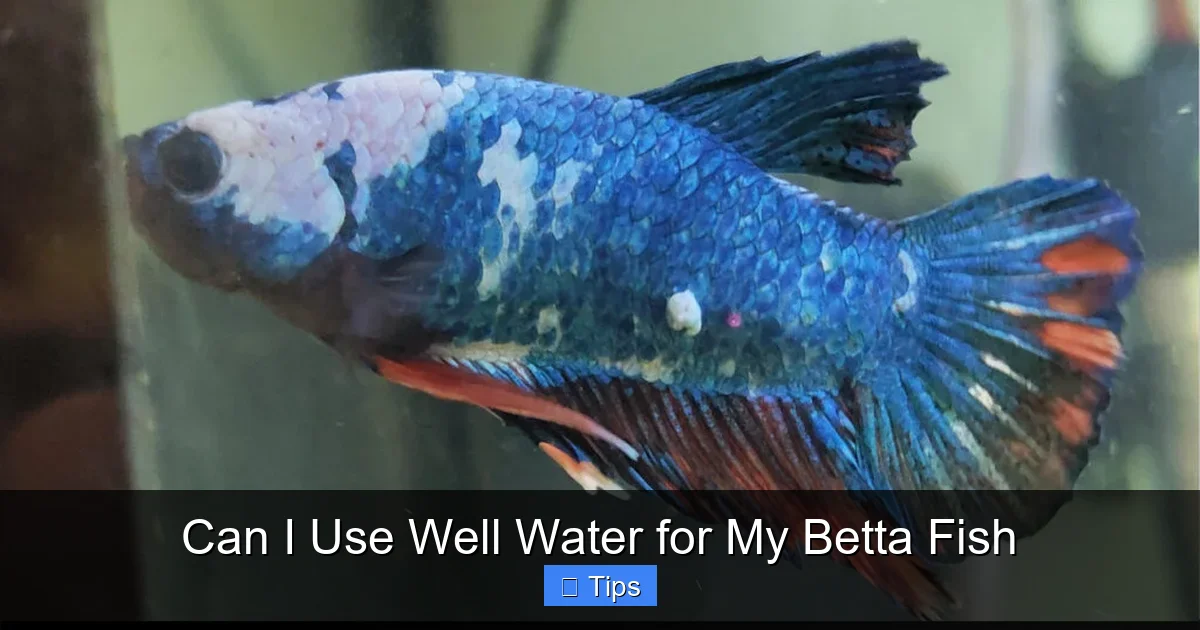
Visual guide about Can I Use Well Water for My Betta Fish
Image source: buildyouraquarium.com
Mineral Content: Hardness and Alkalinity
This is the most common characteristic of well water. As water moves through limestone and other mineral-rich bedrock, it picks up calcium and magnesium ions. This is what makes water “hard.” Hard water itself isn’t toxic, but it can cause problems. High mineral content can lead to excessive mineral deposits on your aquarium glass and equipment (that white, crusty stuff). More importantly for your betta, it can drastically alter and stabilize the pH of your tank water at a level that might be outside the betta’s preferred range of 6.5 to 7.5. Stable, slightly acidic to neutral water is ideal. Very hard, alkaline water (common in limestone regions) can be stressful over time. You’ll measure this as GH (General Hardness) and KH (Carbonate Hardness, which buffers pH).
Heavy Metals: The Silent Killers
This is the scariest and most common reason well water fails for aquariums. Metals like copper, iron, lead, and zinc can leach into groundwater from natural deposits, old plumbing (especially if your well has copper pipes or a brass pump), or even from agricultural runoff. Copper is particularly toxic to fish, even at very low parts per million (ppm). It damages their gills and nervous system. Iron isn’t directly toxic at low levels but can promote the growth of annoying algae. Lead is a potent neurotoxin. These metals are invisible, odorless, and tasteless. You cannot know they are there without a test.
Nitrates and Nitrites
Nitrates (NO3) and nitrites (NO2) are forms of nitrogen waste. In a cycled aquarium, beneficial bacteria convert toxic ammonia to nitrite and then to less toxic nitrate. However, if your well water source is contaminated by agricultural fertilizers, septic system leakage, or decaying organic matter, it can already contain measurable levels of nitrates or even nitrites. Adding this to a new tank can cause an immediate, dangerous spike in the nitrogen cycle, leading to “new tank syndrome” and poisoning your betta. The safe level for nitrates in a freshwater tank is generally considered below 20 ppm, with lower being better.
Bacteria, Viruses, and Microorganisms
Well water is not treated with chlorine or chloramine like city water. This means it can harbor naturally occurring bacteria, coliform from fecal contamination, or other microorganisms. While most are harmless to humans (though some can be), they can introduce pathogens into your closed aquarium ecosystem, potentially causing disease outbreaks in your stressed betta. A UV sterilizer on your water source can help, but it’s not a substitute for good overall water quality.
Chemical Contaminants
Depending on your land’s history, well water might contain pesticides, herbicides, or volatile organic compounds (VOCs) from nearby farms, industrial sites, or even old fuel storage tanks. These are complex organic chemicals that can be highly toxic to fish. Testing for a broad spectrum of these is expensive and usually only done if there’s a known local contamination issue.
Testing Your Well Water: The Non-Negotiable First Step
We cannot say this enough: You must test your well water before putting a single drop in your betta tank. Guessing is gambling with your fish’s life. Testing isn’t a one-time thing either; wells can change, especially after heavy rain or drought. Here’s how to do it right.
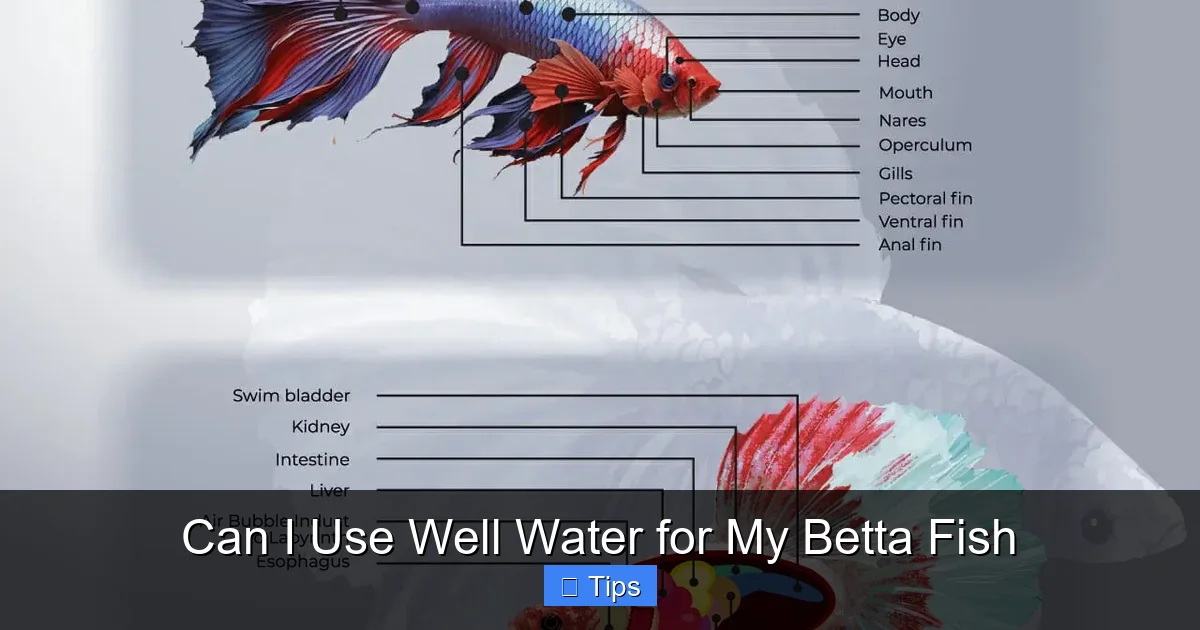
Visual guide about Can I Use Well Water for My Betta Fish
Image source: ekk4j69ebaa.exactdn.com
Essential Test Parameters for a Betta Tank
You need more than a simple pH test strip. You need a comprehensive analysis. At a minimum, test for:
- pH: The acidity/alkalinity. Target: 6.5-7.5.
- GH (General Hardness): Total dissolved minerals (calcium, magnesium). Target: 3-10 dGH (50-170 ppm) is a comfortable range.
- KH (Carbonate Hardness): The buffering capacity. Target: 3-6 dKH (50-100 ppm) helps stabilize pH.
- Copper: Must be 0 ppm. Any detectable amount is a red flag.
- Iron: Ideally 0 ppm, but low levels (<0.3 ppm) may be manageable with treatment.
- Nitrate (NO3) and Nitrite (NO2): Should be 0 ppm in source water.
- Ammonia (NH3/NH4+): Should be 0 ppm.
For a complete picture, consider a test for lead, zinc, and total dissolved solids (TDS). TDS gives a general idea of overall mineral/salt content. High TDS (>300 ppm) often indicates other issues.
How and Where to Get Your Water Tested
Do not rely on pet store test strips. They are inaccurate for metals and nitrates/nitrites at low levels.
- Best Option: Certified Laboratory. Send a sample to a state-certified or national water testing lab (like National Testing Laboratories, WaterCheck, or your local agricultural extension office). They will provide a detailed, accurate report with safe limits for drinking water, which is a good baseline for fish. Cost is typically $50-$150 for a comprehensive package.
- Good Option: Professional Aquarium Test Kits. Companies like API and Salifert make liquid test kits for copper, phosphate, etc., that are more accurate than strips. You can build your own suite of tests, but it will be expensive upfront and requires careful use.
- Last Resort: Local Fish Store (LFS). Some high-quality, knowledgeable LFS may offer advanced water testing services. Call and ask specifically if they test for copper and heavy metals. Don’t assume.
When you get your results, compare them not to drinking water standards (which can be lenient for things like iron), but to the ideal parameters for a betta listed above. Anything outside the ideal range requires a treatment plan.
Treating Well Water for Betta Safety: A Tailored Approach
Once you have your test results, you can formulate a treatment strategy. There is no one-size-fits-all solution. Your treatment plan depends entirely on what’s in your water.

Visual guide about Can I Use Well Water for My Betta Fish
Image source: i.pinimg.com
The Foundation: A High-Quality Water Conditioner
This is your first line of defense, but you must choose wisely. A basic “dechlorinator” is useless for well water because there is no chlorine/chloramine to remove. You need a conditioner that also:
- Detoxifies Heavy Metals: Look for products that explicitly state they bind or remove copper, lead, and other metals (e.g., Seachem Prime, API Stress Coat+ with heavy metal detox).
- Neutralizes Nitrates/Nitrites/Ammonia: Some advanced conditioners (like Prime) can temporarily make these less toxic for 24-48 hours, giving your biofilter time to catch up. This is crucial if your well has any of these.
- Promotes Slime Coat: Ingredients like Aloe Vera or PVP (as in Stress Coat) help protect your betta’s delicate skin and fins from irritants and minor abrasions.
Dosage is critical. Follow the label, but for well water with contaminants, you may need to use the “emergency” or double dosage during water changes to ensure full detoxification. Always add the conditioner to the new water before it touches your fish or tank.
Addressing Specific Problems
Based on your test, you may need additional steps:
- High GH/KH (Hard Water): This is tricky. You can’t easily “soften” large volumes of well water for regular changes. Options include: 1) Using a water softener (ion exchange) on your entire house, but this adds sodium—bad for fish. 2) Using a reverse osmosis (RO) unit for your aquarium water and remineralizing it (see next section). 3) Using driftwood, Indian almond leaves, or peat moss in the filter to slowly lower pH and KH over time. This is a gradual, natural method but requires monitoring.
- High Iron/Manganese: These can cause orange/brown staining and fuel algae. A specialized oxidizing iron filter installed on your well line is the best permanent solution. For the aquarium, a poly filter pad in the filter can help trap some particles, and a good conditioner may chelate some dissolved iron.
- High Nitrates: If your well has >10 ppm nitrate, it’s a significant problem. You cannot biologically filter this out in the tank; it’s coming in with every water change. You must reduce the source. Options: install a whole-house nitrate filtration system (anion exchange), use RO water for top-offs and changes, or find an alternative water source.
- Pathogens/Bacteria: If your well is suspect, you can boil water for 10-15 minutes and let it cool, then aerate it, before using. This kills most microorganisms. A UV sterilizer on your water line before it enters the tank is a more convenient, continuous solution.
When Well Water Isn’t Viable: Safe and Reliable Alternatives
Sometimes, the test results are so poor, or the potential for fluctuation is so high, that using well water is more trouble and risk than it’s worth. For the sanity of your betta and yourself, consider these excellent alternatives.
Reverse Osmosis (RO) / Deionized (DI) Water: The Gold Standard
This is the most reliable way to get pure, contaminant-free water. An RO/DI system uses a series of filters and a semi-permeable membrane to remove >99% of all dissolved solids, contaminants, and minerals. What you get is essentially a blank slate.
- Pros: Completely eliminates worries about heavy metals, nitrates, pesticides, and minerals. Gives you ultimate control over water chemistry. You can precisely dial in the perfect GH and KH for your betta using a commercial remineralizer (like Seachem Equilibrium or Salty Shrimp GH/KH+).
- Cons: Initial cost for the unit ($100-$300+). Removes all beneficial minerals, so remineralization is absolutely required before adding fish. Produces wastewater (though newer systems are more efficient).
- Tip: A simple 3-stage RO unit (sediment, carbon, membrane) is sufficient for freshwater. You don’t need the DI stage unless your TDS is still high after RO.
Rainwater Collection: A Natural Option (With Caveats)
Rainwater is naturally soft and free of most ground contaminants.
- Pros: Free, soft, and naturally acidic—often perfect for bettas if collected properly.
- Cons: Collection must be meticulous. Use a clean, food-grade barrel. Divert the first 10-15 minutes of rain to wash off roof debris and bird droppings. Store in a dark, sealed container to prevent algae and mosquito growth. Test it for local airborne pollutants (near airports or heavy industry? be cautious). It can still contain bacteria from the atmosphere.
- Best Use: As a source for mixing with RO water or for top-offs, but always treat with a full-spectrum conditioner and consider a pre-filter.
Bottled Spring Water: The Expensive Stopgap
Some people use plain bottled spring water (not distilled).
- Pros: Consistent, tested, and free of chlorine. Convenient for small tanks or emergencies.
- Cons: Extremely expensive for regular water changes. Mineral content varies wildly by brand and can be too hard or too soft. Some brands add minerals or salts. You must test each brand’s GH/KH before using it consistently. Not a sustainable long-term solution.
A Step-by-Step Guide: From Well to Betta Tank
Okay, you’ve tested your water. Maybe it’s decent with a few minor issues. Here is a practical, safe workflow for using your well water.
Step 1: The Initial Fill & Cycle
Never put your betta in untreated water. The first time you fill your tank:
- Fill the tank with your well water.
- Add your full dose of chosen water conditioner (based on your test results) to the entire tank volume.
- Now, you must cycle the tank. This means establishing a colony of beneficial bacteria that will consume your betta’s waste (ammonia and nitrite). This process takes 4-6 weeks. Use a liquid ammonia source to feed the bacteria. Test water daily with an aquarium test kit (for ammonia, nitrite, nitrate). The tank is ready for your betta only when ammonia and nitrite read 0 ppm and nitrate is below 20 ppm.
Important: The cycling process itself will reveal if your well water has hidden nitrates or other inhibitors. If cycling stalls (ammonia doesn’t drop), your water may have contaminants harming the bacteria.
Step 2: Routine Water Changes (The Weekly Habit)
Once your betta is home, you’ll perform weekly water changes of 25-50%.
- Prepare new water: In a clean bucket, fill with fresh well water. Immediately add the correct dose of your water conditioner. Stir well.
- Temperature match: Let the conditioned water sit until it’s within 1-2°F of your tank temperature. Bettas are very sensitive to thermal shock.
- Remove old water: Use a gravel vacuum to siphon out the old water, cleaning debris from the substrate as you go.
- Add new water: Slowly pour the new, conditioned, temperature-matched well water back into the tank. Go slowly to avoid disturbing the substrate and stressing your betta.
Always use conditioned well water for top-offs between changes as well, as evaporation leaves behind minerals, making water harder over time.
Step 3: Continuous Monitoring
Get a liquid test kit (like API Freshwater Master Test Kit) and test your tank water weekly, before or after a water change. Track pH, ammonia, nitrite, and nitrate. Also, test your source well water monthly or after any major weather event (heavy rain, drought) to catch any changes. Keep a logbook. If parameters start to drift outside the safe range (ammonia/nitrite >0, nitrate >20, pH swinging wildly), you need to investigate your source water again.
Conclusion: The Verdict on Well Water for Bettas
So, can you use well water for your betta fish? Yes, but only if you become a diligent, informed water chemist. The convenience of turning on a tap is overshadowed by the responsibility of knowing exactly what’s flowing through it. The path to success with well water is a three-step mantra: Test, Treat, Monitor.
Get a professional lab test. Understand every number on that report. Select a water conditioner that specifically addresses your water’s flaws. Cycle your tank properly with that treated water. And never stop testing your tank and source water regularly. If your well water tests poorly for key contaminants like copper, nitrates, or has wildly unstable pH, the smart move is to invest in an RO/DI system. It’s the one way to guarantee a pure, consistent, and safe foundation for your betta’s home. Your betta’s vibrant colors, active personality, and long life depend on the quality of the water it swims in. Don’t leave that to chance. Take control of your water chemistry, and you’ll provide your beautiful betta with the pristine environment it deserves.
Frequently Asked Questions
Can I just use my well water directly from the tap for my betta tank?
No, you should never use untreated well water directly. Even if it looks clear, it likely contains dissolved contaminants like heavy metals or nitrates that are invisible but toxic to fish. It must be conditioned with a full-spectrum water conditioner and tested first.
My well water has a high iron content and stains my fixtures. Is it safe for my betta?
High iron is a major red flag. While not immediately toxic at very low levels, it can stress fish, promote algae, and often indicates the presence of other dissolved metals. You must get a specific iron test. If levels are high, you’ll need targeted treatment like an oxidizing iron filter for your well or must switch to RO water for the aquarium.
What if my well water has a perfect pH and looks clean? Do I still need to test it?
Absolutely, yes. The most dangerous contaminants (copper, lead, nitrates) have no smell, taste, or visible sign. A perfect pH and clear appearance do not guarantee the absence of heavy metals or nitrogen compounds. A comprehensive lab test is the only way to know for sure.
Can I use a standard water conditioner meant for tap water on my well water?
Usually, no. Standard tap water conditioners primarily remove chlorine and chloramine. For well water, you need a conditioner that also detoxifies heavy metals (copper, lead), neutralizes nitrates/nitrites, and protects the slime coat. Read the label carefully to ensure it treats the specific contaminants in your well report.
My well water tested high for nitrates. What are my options?
High source nitrates (>10 ppm) are very difficult to manage. You cannot remove them in the aquarium. Your options are: 1) Install a whole-house nitrate filtration system, 2) Switch entirely to RO/DI water that you remineralize for all tank use, or 3) Find an alternative water source like collected rainwater. Using high-nitrate well water will lead to chronic health issues for your betta.
How often should I retest my well water if I’m using it for my betta tank?
Test your source well water at least once a season (every 3 months) and after any major weather event like a heavy rainstorm or prolonged drought, as these can drastically change groundwater composition. Test your aquarium water weekly as part of your normal maintenance routine to track parameters and catch any issues early.