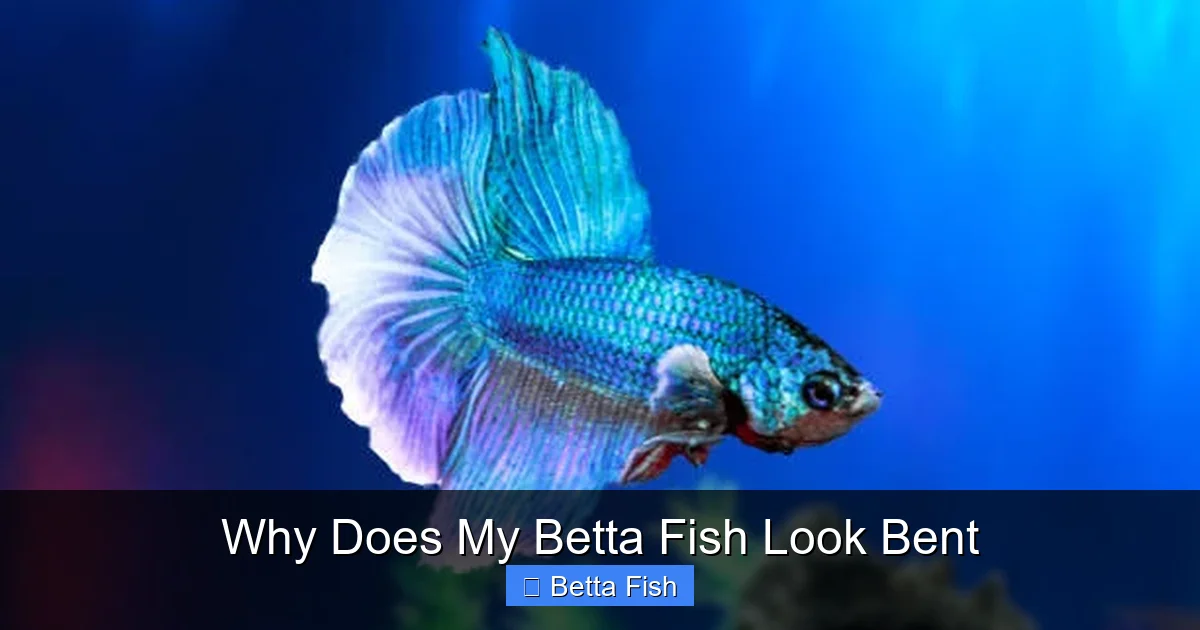
Why Does My Betta Fish Look Bent
Seeing a bent betta can be alarming, but it’s often a sign of an underlying issue you can treat. This guide explains the most common reasons—like swim bladder disease, injuries, and water problems—and offers practical steps to straighten out your fish’s posture and keep it thriving.
Key Takeaways
- Swim bladder disorder: The most frequent cause of a bent appearance; adjust feeding and water quality.
- Physical injury: Rough handling or tank mates can cause spinal curvature; isolate and treat promptly.
- Water parameters: Poor water quality stresses bettas and can lead to posture issues.
- Diet matters: Over‑feeding or inappropriate foods can clog the digestive tract, affecting buoyancy.
- When to see a vet: Persistent bending, loss of appetite, or rapid decline warrants professional help.
- Preventive care: Regular water changes, proper tank setup, and a balanced diet keep your betta upright.
- Useful resources: Connect related topics like bloating, fin damage, and bubble‑nest problems for a full health picture.
📑 Table of Contents
- Introduction: The Bent Betta Mystery
- 1. Swim Bladder Disorder – The Usual Suspect
- 2. Physical Injuries and Trauma
- 3. Water Quality and Environmental Stress
- 4. Nutritional Imbalances and Feeding Mistakes
- 5. Genetic and Developmental Issues
- 6. When to Seek Professional Help
- Preventive Care: Keeping Your Betta Straight and Strong
- Conclusion: Straightening Out the Situation
Introduction: The Bent Betta Mystery
Imagine you’re checking on your prized betta after a weekend away, and you notice the little fighter floating at an odd angle. Instead of the graceful, upright swim you’re used to, your betta looks bent, like it’s trying to do a yoga pose it never signed up for. It’s a moment that can turn excitement into worry in seconds.
Don’t panic—most bent bettas are not a death sentence. In many cases the problem is fixable with a few simple adjustments to water, diet, or handling. This article walks you through the top reasons a betta might look bent, how to diagnose the issue, and what you can do right now to help your fish get back to its normal, proud posture.
1. Swim Bladder Disorder – The Usual Suspect
The swim bladder is a tiny, gas‑filled organ that lets a betta control its depth. When this organ gets out of whack, the fish can float upside‑down, hover at the surface, or appear permanently bent.
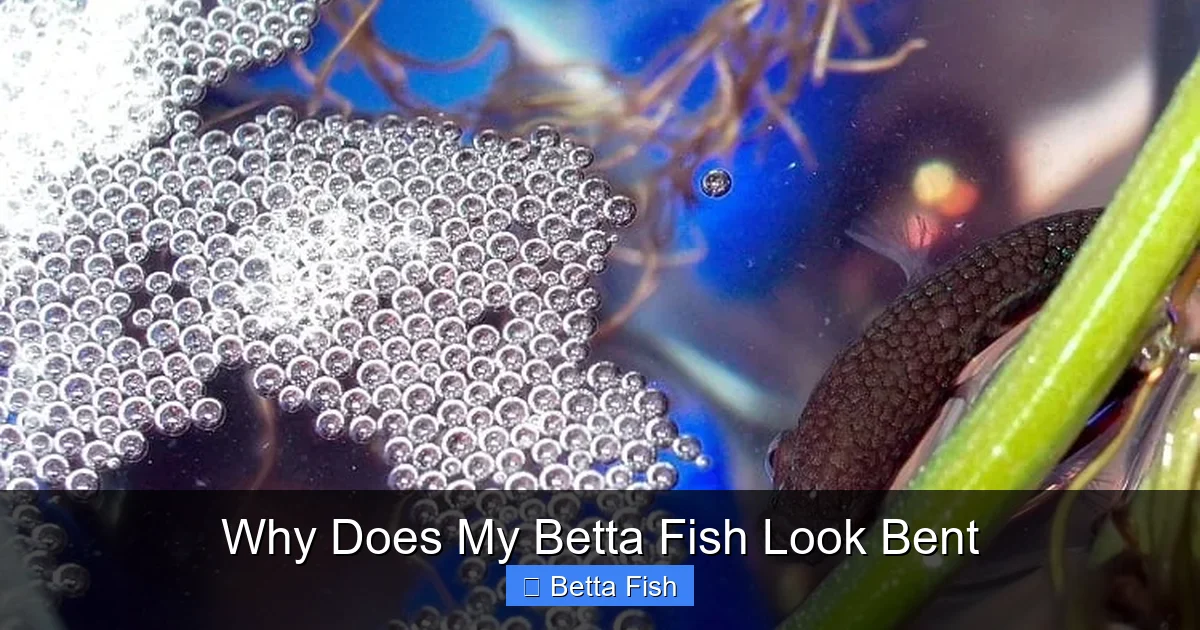
Visual guide about Why Does My Betta Fish Look Bent
Image source: fishlab.com
What Triggers Swim Bladder Problems?
- Over‑feeding: Too much food, especially dry pellets that don’t dissolve, can expand in the gut and press against the bladder.
- Constipation: A diet low in fiber can cause blockage, leading to a “full” belly that pushes the bladder.
- Water Quality: High ammonia or nitrite levels irritate the digestive tract, increasing the risk of bladder issues.
- Stress: Sudden temperature changes or a cramped tank can affect the fish’s internal balance.
How to Treat a Bent Betta with Swim Bladder Disorder
1. Fast a few days: Skip feeding for 24–48 hours to let the digestive system clear. Offer a small amount of peeled, cooked peas after the fast; the fiber helps move any blockage.
2. Switch to high‑quality, sinking foods: Sinking pellets dissolve slower and are less likely to over‑inflate the gut.
3. Check water parameters: Aim for ammonia = 0 ppm, nitrite = 0 ppm, nitrate < 20 ppm, pH ≈ 6.5–7.5, temperature ≈ 78°F (25–26°C). Use a test kit and perform a 25‑30 % water change if needed.
4. Consider a probiotic supplement: A few drops a day can aid digestion and reduce gas buildup.
When Swim Bladder Isn’t the Answer
If the bent posture persists after a week of fasting, dietary changes, and water improvements, look deeper. Other issues like injuries or infections might be at play.
2. Physical Injuries and Trauma
Betta fish are surprisingly sturdy, but they can still get hurt. A sudden bump against the tank glass, a dropped fish, or an aggressive tank mate can cause spinal curvature or muscle strain, making the fish appear bent.
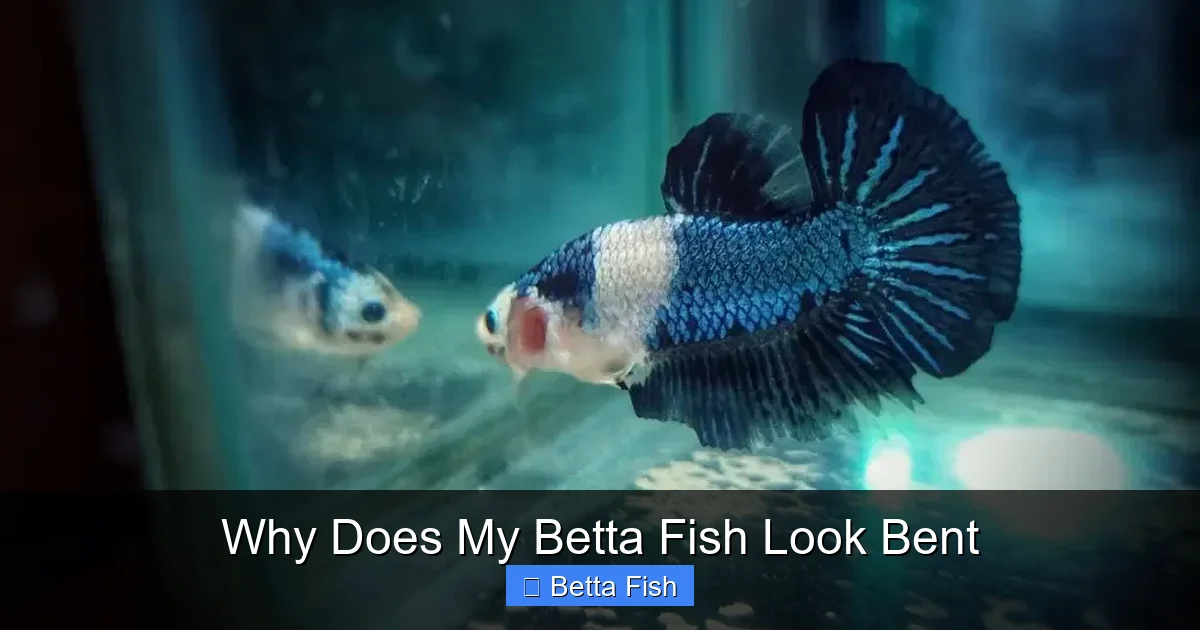
Visual guide about Why Does My Betta Fish Look Bent
Image source: ekk4j69ebaa.exactdn.com
Signs of Injury
- Visible bruises, cuts, or fin tears.
- Rapid, erratic swimming followed by a slow, curved glide.
- Loss of appetite or lingering lethargy.
Immediate Steps for an Injured Betta
1. Isolate the fish: Move it to a clean, hospital tank (2‑3 gallon) with gentle filtration and a heater.
2. Provide a stress‑free environment: Dim the lights, keep the water temperature stable, and avoid any decorations that could cause further injury.
3. Monitor for infection: Look for redness, white spots, or fuzzy growth. If any appear, consider a mild aquarium‑safe antibiotic (follow label directions).
4. Limit handling: Use a soft net only when necessary; avoid squeezing or dropping the fish.
3. Water Quality and Environmental Stress
Betta fish are sensitive to their surroundings. Poor water conditions can lead to a range of health problems, including a bent posture. High ammonia, low dissolved oxygen, or fluctuating temperatures can all stress the swim bladder and muscles.
Key Water Parameters to Watch
- Ammonia = 0 ppm
- Nitrite = 0 ppm
- Nitrate < 20 ppm (ideally < 10 ppm)
- pH 6.5–7.5
- Temperature 78°F ± 2°F
Practical Water‑Care Checklist
Weekly: Test water, perform a 25 % change, clean the substrate.
Bi‑weekly: Deep‑clean the filter media (rinse in tank water, not tap water).
Monthly: Replace any old decorations that may harbor bacteria.
Link to Related Issue
If you notice your betta’s belly looks swollen at the same time it’s bent, read our guide on why does my betta fish look bloated for additional troubleshooting steps.
4. Nutritional Imbalances and Feeding Mistakes
What you feed your betta matters more than most owners realize. An unbalanced diet can cause constipation, swim bladder distortion, or even skeletal deformities over time.
Common Feeding Errors
- Feeding large pellets that don’t dissolve quickly.
- Over‑feeding (more than 2‑3 pellets per day).
- Relying solely on frozen or live foods without a staple diet.
Balanced Diet Blueprint
• High‑quality betta pellets: Choose sinking or slow‑sinking varieties.
• Supplement with occasional treats: Daphnia, bloodworms, or brine shrimp (no more than twice a week).
• Fiber boost: A small piece of cooked, peeled pea once a week helps prevent constipation.
Feeding Routine Example
- Morning: 2‑3 small pellets.
- Evening: 2‑3 small pellets.
- Twice a week: Add a pinch of live or frozen food.
- Once a week: Offer a half‑peeled pea after the fast day.
5. Genetic and Developmental Issues
Some bettas are simply born with a curved spine or malformed vertebrae. While rare, these genetic quirks can make a fish appear permanently bent.
How to Tell If It’s Genetic
- The bend is present from the fry stage.
- Other health signs (eating, coloration) remain normal.
What to Do
Genetic bends can’t be “cured,” but you can still provide a comfortable life. Keep water pristine, feed a balanced diet, and avoid stressing the fish with rapid temperature shifts.
6. When to Seek Professional Help
Most bent bettas improve with the steps above, but sometimes the problem signals a deeper issue that requires a vet’s expertise.
Red‑Flag Warning Signs
- Rapid weight loss or emaciation.
- Bleeding, ulcers, or fuzzy white growths.
- Persistent lack of appetite for more than a week.
- Sudden death after a short period of bending.
Finding a Qualified Aquatic Vet
Search for a veterinarian who lists “exotic fish” or “aquatic animal” as a specialty. Bring a water sample, a photo of the bent posture, and a log of recent tank changes and feeding habits.
Preventive Care: Keeping Your Betta Straight and Strong
Prevention is always easier than cure. By maintaining optimal water conditions, feeding responsibly, and handling your betta gently, you dramatically lower the chances of a bent posture developing.
Daily Quick‑Check Routine
- Observe swimming pattern for any tilt or wobble.
- Inspect the water surface for bubbles or films.
- Check the food amount—are you over‑feeding?
Monthly Maintenance Routine
- Do a 25‑30 % water change.
- Test all water parameters.
- Rotate tank décor to prevent algae buildup.
- Review feeding log and adjust as needed.
Link to Complementary Topics
While you’re checking water, you might also notice fin damage. Learn how to treat shredded fins in our article why does my betta fish fins look shredded. Also, if your betta stops making its signature bubble nest, see why did my betta fish stop making bubble nest for tips that overlap with water quality and stress management.
Conclusion: Straightening Out the Situation
A bent betta can be a sign of anything from a simple feeding hiccup to a serious infection. By systematically checking water quality, diet, and possible injuries, you’ll often find a quick fix that returns your fish to its proud, upright swim. Remember to act fast, keep records, and don’t hesitate to consult a professional if the problem lingers. With attentive care, your betta will be back to showing off its vibrant colors and graceful fins in no time.
Frequently Asked Questions
Why is my betta fish swimming sideways?
Sideways swimming is often a sign of swim bladder disease or poor water quality. Check for over‑feeding, constipation, and test the water for ammonia and nitrite.
Can a bent betta recover on its own?
Sometimes mild swim bladder issues resolve with a short fast and better water conditions. If the bend persists after a week, intervene with the steps outlined above.
Is a bent posture a sign of a serious disease?
It can be, especially if accompanied by loss of appetite, discoloration, or ulcers. Persistent bending warrants a vet visit to rule out infection or internal injury.
How long should I fast my betta to treat constipation?
Fast for 24‑48 hours, then offer a small amount of cooked, peeled pea. Monitor the fish; if no improvement, repeat the fast for another 24 hours.
What temperature should my betta’s tank be?
Betta fish thrive at 78°F ± 2°F (25‑26°C). Consistent temperature helps maintain proper metabolism and swim bladder function.
Should I use a heater for a betta in a room that gets cold?
Yes. A reliable aquarium heater keeps the water stable and prevents stress that can lead to bent posture and other health issues.