How Often Change Water for Betta Fish
Keeping a betta fish happy starts with clean water. Most experts recommend a partial water change every week, but the exact schedule depends on tank size, filtration, and feeding habits. Follow these easy guidelines to maintain crystal‑clear water and a stress‑free betta.
Key Takeaways
- Weekly partial changes: Replace 25‑30% of the water each week for optimal health.
- Full change frequency: Perform a full water change every 4‑6 weeks, or sooner if water parameters spike.
- Tank size matters: Smaller tanks (1‑2 gal) need more frequent changes than larger setups.
- Use a water conditioner: Always treat tap water to remove chlorine, chloramine, and heavy metals.
- Test water regularly: Monitor ammonia, nitrite, nitrate, and pH to fine‑tune your schedule.
- Gentle handling: Use a soft net and avoid temperature shock during water changes.
- Maintain consistency: Stick to a routine; bettas thrive on stable conditions.
📑 Table of Contents
- Introduction: Why Water Changes Matter for Betta Fish
- 1. Understanding the Betta’s Natural Habitat
- 2. The Science Behind Water Quality
- 3. Determining the Right Water‑Change Schedule
- 4. Step‑by‑Step Guide to a Perfect Water Change
- 5. Common Mistakes and How to Avoid Them
- 6. Enhancing Water Quality Without Extra Work
- Conclusion: Consistency Is the Key to a Happy Betta
Introduction: Why Water Changes Matter for Betta Fish
Imagine living in a room that never gets aired out, where the air grows stale and the smell gets stronger each day. That’s what a betta fish experiences when its water stays the same for too long. Even though bettas are hardy, they still need clean, oxygen‑rich water to show off their brilliant colors and lively behavior.
Changing the water isn’t just about keeping the tank looking pretty; it’s a core part of a betta’s health plan. Proper water changes control toxic buildup, balance pH, and prevent stress‑related illnesses like fin rot or fungal infections. In this guide, you’ll learn exactly how often to change water for a betta, why the timing varies, and step‑by‑step tips that make the process quick and worry‑free.
1. Understanding the Betta’s Natural Habitat
1.1. Origins of the Siamese Fighting Fish
Betta splendens come from shallow rice paddies, slow‑moving streams, and stagnant pools in Thailand. The water there is warm (78‑82°F), soft, and slightly acidic. It’s also constantly refreshed by rain and gentle currents.
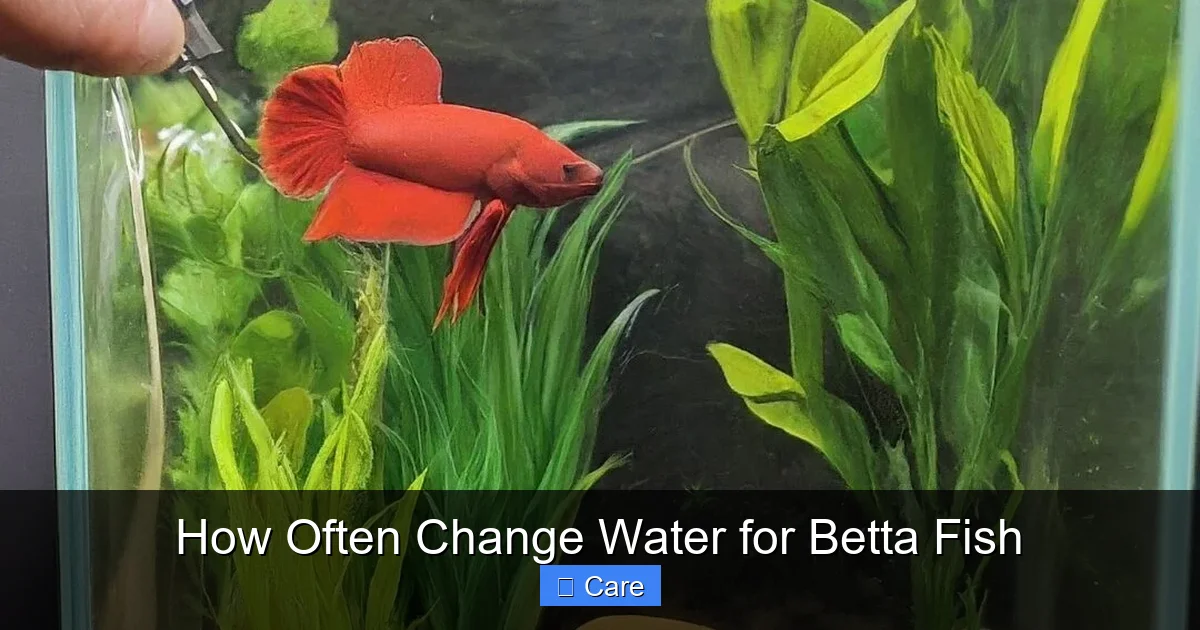
Visual guide about How Often Change Water for Betta Fish
Image source: fishkeepertank.com
1.2. How Those Conditions Translate to Your Home Tank
In a home aquarium, we mimic those conditions with a heater, a soft‑water substrate, and regular water changes. Since a small tank can’t self‑regulate like a natural pond, we must manually remove waste and replenish fresh water.
2. The Science Behind Water Quality
2.1. Key Parameters to Watch
- Ammonia (NH₃): Produced from fish waste and uneaten food; toxic above 0 ppm.
- Nitrite (NO₂⁻): Intermediate in the nitrogen cycle; harmful above 0.5 ppm.
- Nitrate (NO₃⁻): End product; safe below 20 ppm for bettas.
- pH: Ideal range 6.5‑7.5; sudden swings cause stress.
- Temperature: 78‑82°F (25.5‑28°C) for optimal metabolism.
2.2. How Waste Accumulates
Every bite of food you feed turns into waste. In a small 2‑gallon tank, that waste dissolves quickly, raising ammonia and nitrate levels. Without a robust filter, the only way to keep these numbers low is to change the water regularly.
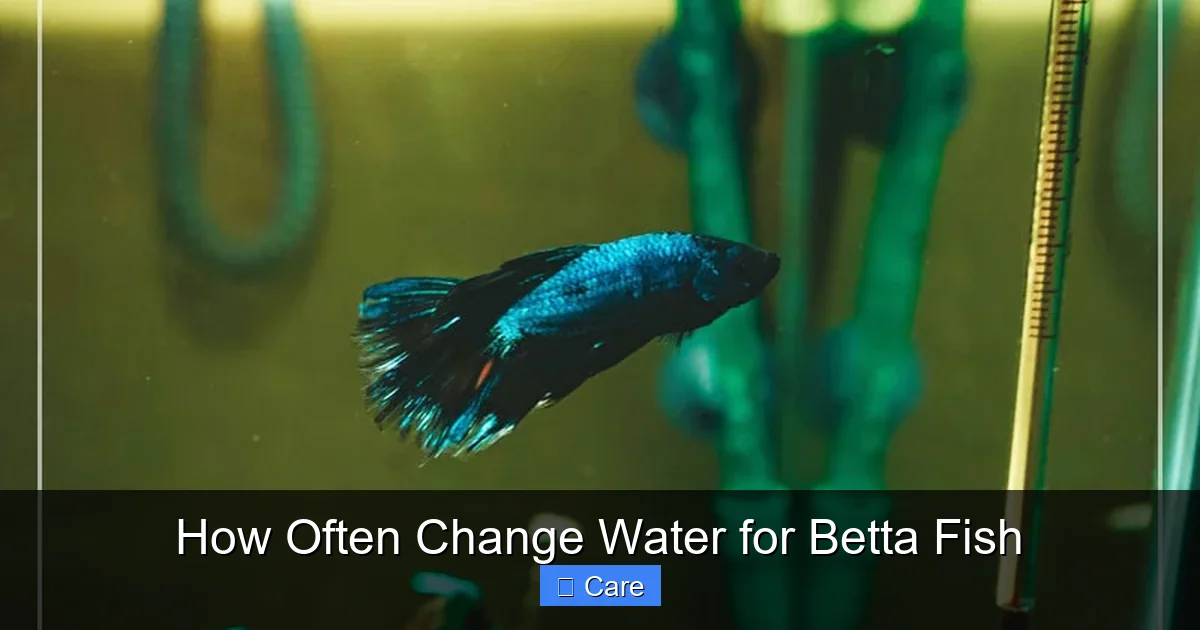
Visual guide about How Often Change Water for Betta Fish
Image source: smartaquariumguide.com
3. Determining the Right Water‑Change Schedule
3.1. The Baseline Recommendation: 25‑30% Weekly
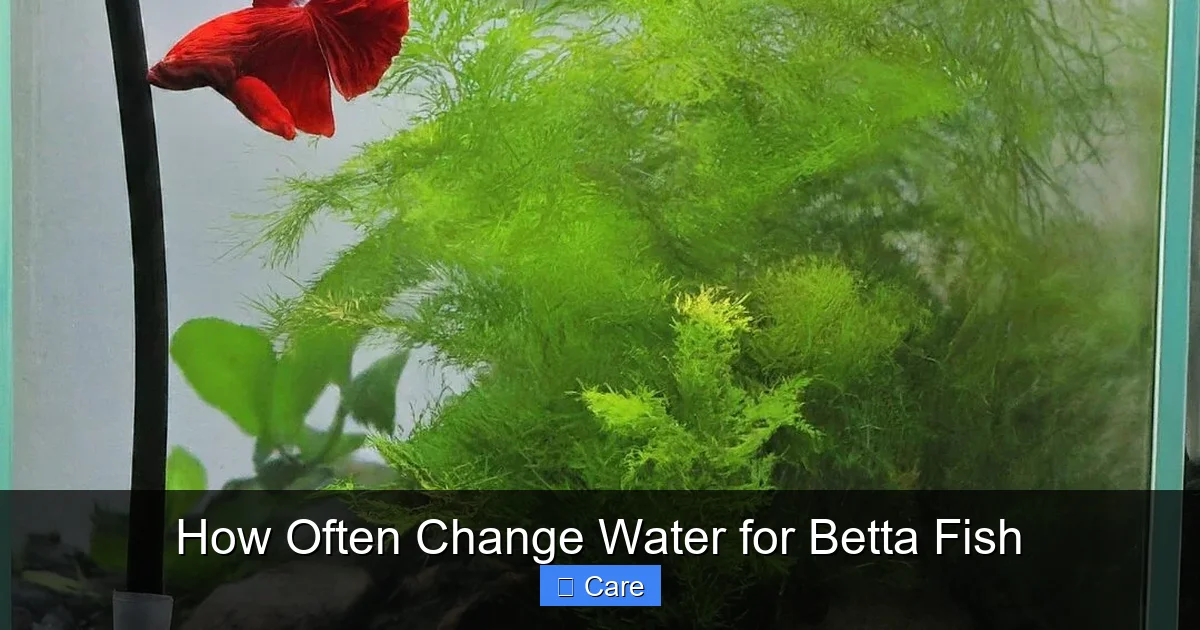
For most betta owners, swapping out 25‑30% of the water each week strikes the perfect balance. It removes most dissolved waste while preserving beneficial bacteria that help process ammonia.
Visual guide about How Often Change Water for Betta Fish
Image source: fishkeepertank.com
3.2. Adjusting for Tank Size
- 1‑gal tank: Change 30‑35% weekly; consider a small “top‑off” every 2‑3 days.
- 2‑gal tank: Change 25‑30% weekly; a full change every 4‑5 weeks.
- 5‑gal or larger: Change 20‑25% weekly; full change every 6‑8 weeks.
3.3. When to Increase Frequency
Increase to 10‑15% daily top‑offs if you notice cloudy water, higher nitrate readings, or if you’re feeding more than once a day. Overfeeding is the most common reason water degrades faster.
3.4. Full Water Changes
A full water change (100%) is rarely needed, but it’s useful after a major clean‑up, after adding new décor, or when nitrate spikes above 20 ppm. Perform it slowly over 2‑3 days to avoid shocking the fish.
4. Step‑by‑Step Guide to a Perfect Water Change
4.1. Gather Your Supplies
- Gravel vacuum or siphon
- Bucket dedicated to aquarium use
- Water conditioner (dechlorinator)
- Thermometer
- Test kit (ammonia, nitrite, nitrate, pH)
- Soft net (optional)
4.2. Prepare Fresh Water
Fill the bucket with tap water that matches the tank temperature (78‑82°F). Add the recommended dose of water conditioner and stir gently. Let it sit for a few minutes to reach the right temperature.
4.3. Remove Water and Debris
Place the siphon in the tank, aiming at the substrate. Pull the hose to draw out 25‑30% of the water while vacuuming leftover food and waste. Avoid disturbing the betta’s fins; a gentle flow is best.
4.4. Refill the Tank
Slowly pour the conditioned water back into the tank, aiming at the opposite side to minimize current. Check the temperature again—if it’s off by more than 2°F, adjust with a little warm or cool water.
4.5. Test and Record
After the change, run your test kit. Record ammonia, nitrite, nitrate, and pH in a notebook or phone app. Over time, you’ll spot trends and know when to tweak the schedule.
5. Common Mistakes and How to Avoid Them
5.1. Changing Too Much, Too Fast
Removing more than 50% of the water at once can strip the tank of beneficial bacteria, leading to spikes in ammonia. Stick to the 25‑30% rule unless you’re performing an emergency full change.
5.2. Using Untreated Tap Water
Chlorine and chloramine are lethal to bettas. Always treat water with a conditioner, even if your municipal water says “chlorine free.”
5.3. Ignoring Temperature Shock
Cold or hot water poured in too quickly can cause rapid temperature changes, stressing the fish. Match the new water’s temperature to the tank’s before adding.
5.4. Overfeeding Leading to More Frequent Changes
Feed only what the betta can eat in 2‑3 minutes, once or twice a day. Excess food becomes waste, raising nitrate levels faster.
5.5. Skipping Water Tests
Even with a perfect schedule, water chemistry can shift. Test weekly; adjust the change volume if nitrates creep above 20 ppm.
6. Enhancing Water Quality Without Extra Work
6.1. Live Plants as Natural Filters
Plants like Anubias, Java fern, and Marimo moss absorb nitrates and provide oxygen. They also give your betta hiding spots, reducing stress.
6.2. Adding a Gentle Sponge Filter
A small sponge filter circulates water, promotes beneficial bacteria, and doesn’t create a strong current that bettas dislike.
6.3. Using a Bio‑Ball or Ceramic Media
These media increase surface area for bacteria, helping break down waste between water changes.
6.4. Regular Tank Maintenance
Wipe algae off the glass, prune dead plant leaves, and clean decorations once a month. Less debris means cleaner water.
Conclusion: Consistency Is the Key to a Happy Betta
Changing water for a betta fish isn’t a chore—it’s a daily act of love. By swapping out 25‑30% of the water each week, monitoring parameters, and keeping a routine, you give your betta the stable, clean environment it needs to flaunt its colors and swim with confidence. Remember, each tank is unique, so use the guidelines here as a starting point, then fine‑tune based on your own observations. Your betta will thank you with vibrant fins and lively personality for years to come.
Frequently Asked Questions
How often should I do a partial water change for a betta in a 2‑gallon tank?
Replace about 30% of the water every week. If you notice cloudy water or higher nitrate levels, add a small 10% top‑off mid‑week.
Can I change all the water at once?
Yes, but only as an emergency or during a full clean‑up. Do it slowly over 2‑3 days and keep the new water temperature identical to avoid shocking the fish.
Do bettas need a filter if I change water regularly?
A gentle sponge filter is helpful, but diligent weekly water changes can maintain good water quality even without a filter. The filter mainly adds oxygen and houses beneficial bacteria.
What type of water conditioner should I use?
Choose a conditioner that removes both chlorine and chloramine and detoxifies heavy metals. Brands like Seachem Prime or API Stress Coat work well.
How can I tell if my betta is stressed by water changes?
Signs include clamped fins, rapid breathing, loss of color, or hiding more than usual. If you see these after a change, check temperature and ensure the new water matches the tank’s parameters.
Is it okay to use rainwater or distilled water?
Rainwater can contain pollutants; distilled water lacks essential minerals. If you use them, blend with conditioned tap water to reach a safe hardness and pH for bettas.