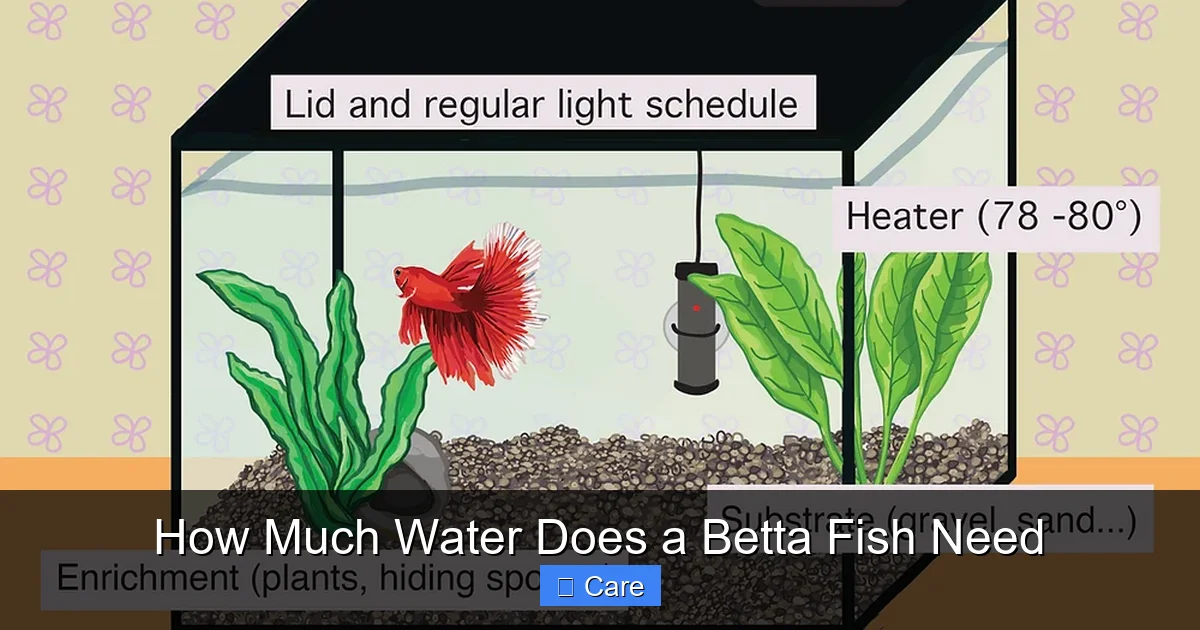
How Much Water Does a Betta Fish Need
Betta fish thrive in a minimum of 5 gallons of clean, warm water, but larger tanks offer better stability and healthier lives. Proper filtration, regular water changes, and monitoring temperature are key to creating a perfect home for your betta.
Key Takeaways
- Minimum tank size: Aim for at least 5 gallons (≈19 L) to provide space and stable water parameters.
- Larger is better: 10 gallons (≈38 L) or more reduces stress and simplifies maintenance.
- Temperature matters: Keep water between 76‑82 °F (24‑28 °C) with a reliable heater.
- Filtration & water changes: Gentle filtration plus weekly 25‑30% water changes keep water quality high.
- Space for decoration: Live plants, caves, and driftwood offer hiding spots without crowding.
- Monitoring tools: Use a thermometer, test kit, and a lid to maintain stable conditions.
- Betta behavior: Adequate space reduces aggression, promotes vibrant colors, and encourages natural fin displays.
📑 Table of Contents
- Introduction: Why Water Volume Matters for Bettas
- 1. The Minimum Recommended Tank Size
- 2. Benefits of Going Bigger: 10 Gallons and Up
- 3. Setting Up the Perfect Betta Habitat
- 4. Maintaining Water Quality
- 5. Common Mistakes and How to Avoid Them
- 6. Real‑World Example: From Bowl to 10‑Gallon Upgrade
- Conclusion: Give Your Betta the Space It Deserves
Introduction: Why Water Volume Matters for Bettas
When you first hear about betta fish, the image that pops up is often a tiny bowl on a desk. That classic “betta bowl” looks cute, but it’s actually a recipe for stress, disease, and a short lifespan. Bettas are tropical fish that need stable water conditions, enough room to swim, and a temperature that mimics their natural habitat in Southeast Asia.
In this guide we’ll break down exactly how much water a betta needs, why a larger tank is a game‑changer, and what you can do to keep the water perfect every day. Think of it as a friendly chat over coffee—simple language, practical tips, and no jargon that makes you feel lost.
1. The Minimum Recommended Tank Size
Why 5 Gallons Is the Baseline
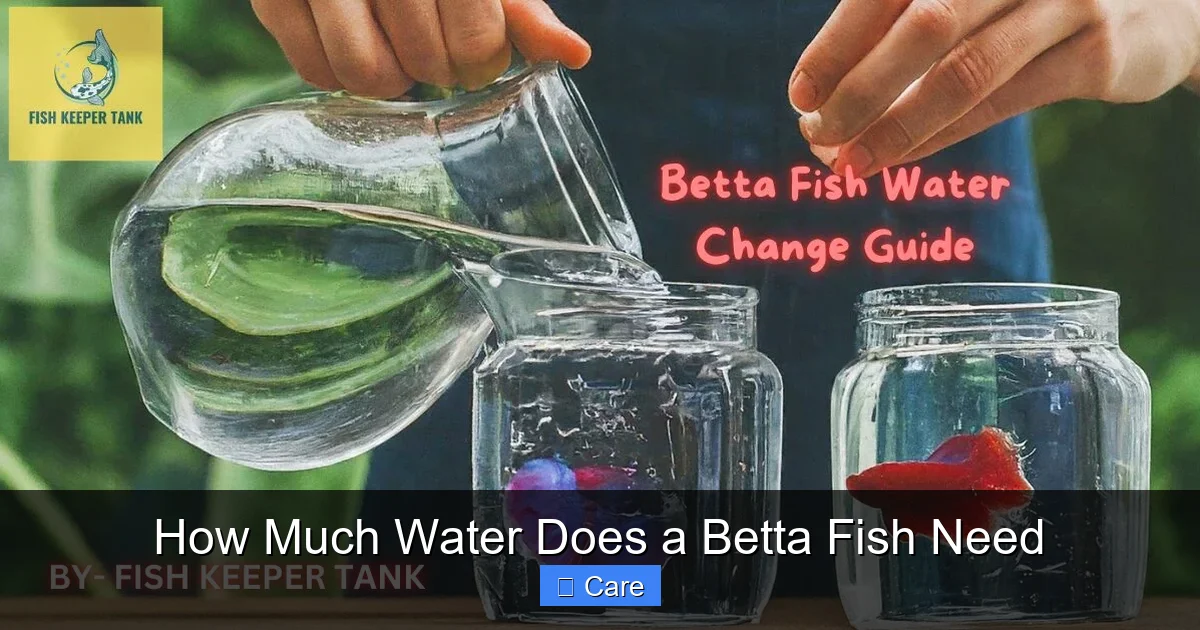
Most experts agree that a 5‑gallon (≈19 L) tank is the absolute minimum for a single betta. This size provides:
Visual guide about How Much Water Does a Betta Fish Need
Image source: fishkeepertank.com
- Enough water volume to dilute waste, keeping ammonia and nitrite spikes less likely.
- Space for a gentle filter and heater without crowding the fish.
- Room for a few decorations or live plants, which are essential for a betta’s mental health.
If you try to keep a betta in a bowl that holds less than 1 gallon, the water temperature fluctuates wildly, and waste builds up quickly. The result is a stressed fish with a weakened immune system.
What If You Only Have a Small Space?
Even in a small apartment you can still meet the 5‑gallon rule. Look for compact, rectangular tanks that sit on a desk or a small stand. Many pet stores sell “starter” 5‑gallon tanks with built‑in lids, filters, and heaters—perfect for beginners.
2. Benefits of Going Bigger: 10 Gallons and Up
Stability Is Key
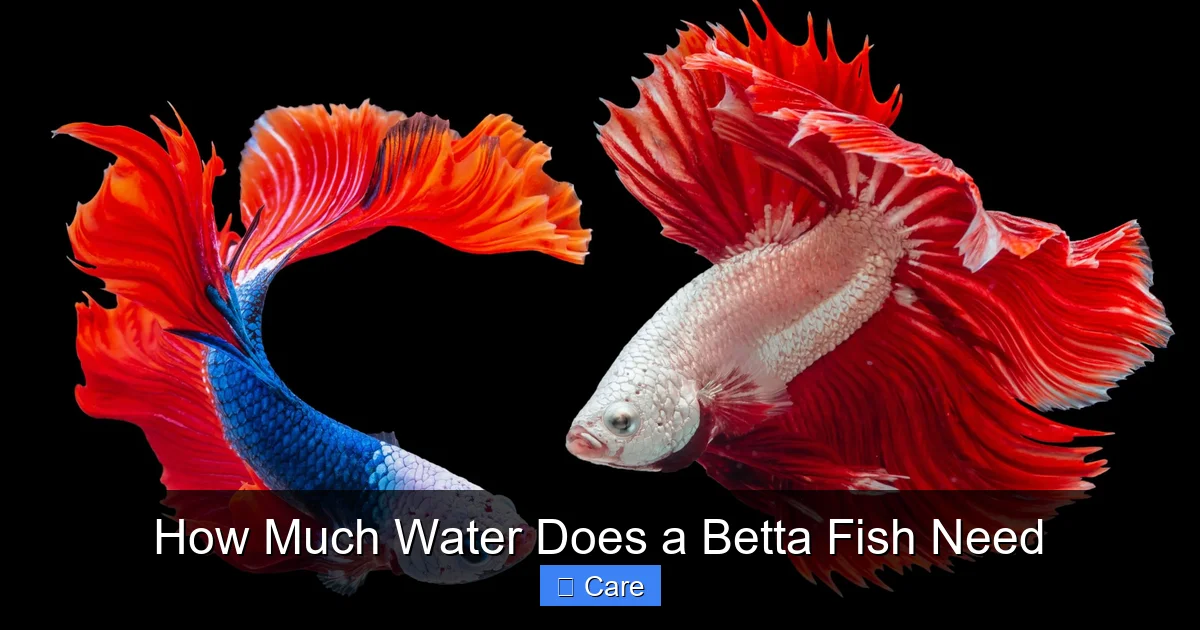
When you double the water volume, you double the stability. Larger tanks buffer temperature changes, meaning the heater doesn’t have to work as hard, and sudden spikes in ammonia are less dramatic.
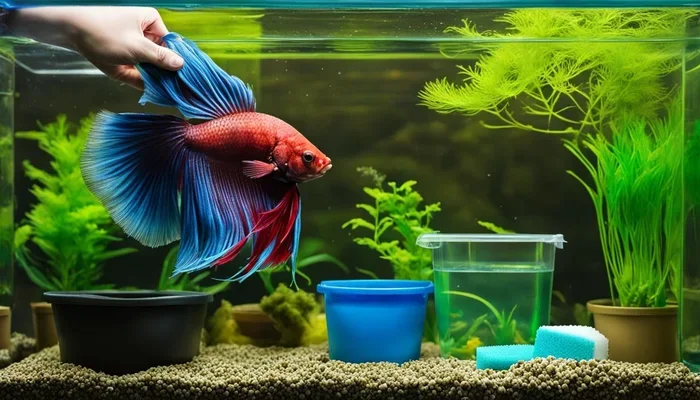
Visual guide about How Much Water Does a Betta Fish Need
Image source: petaquariums.com
Health Advantages
- Reduced stress: Bettas can explore, chase, and display their fins without feeling cramped.
- Better water quality: More water = slower waste concentration, giving beneficial bacteria more time to process toxins.
- Longevity: Studies show bettas in 10‑gallon tanks live 2‑3 years longer than those in bowls.
Design Freedom
A larger tank lets you add live plants like Java fern or Anubias, which improve water oxygenation and give your betta places to hide. You can also include a small driftwood branch or a smooth cave without sacrificing swimming space.
3. Setting Up the Perfect Betta Habitat
Choosing the Right Tank
Look for these features:
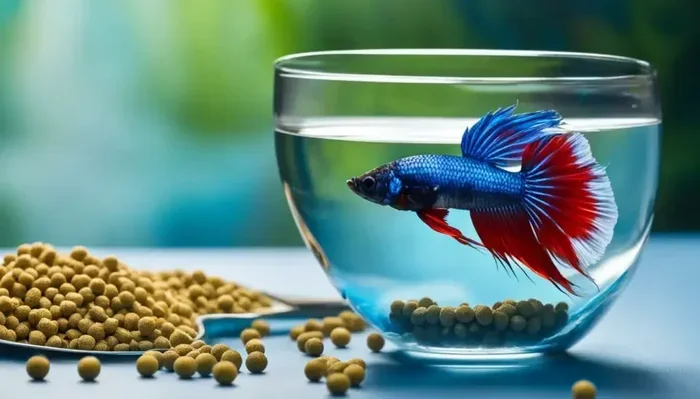
Visual guide about How Much Water Does a Betta Fish Need
Image source: buildyouraquarium.com
- Clear glass or acrylic: Allows you to see your betta’s colors.
- Secure lid: Bettas are notorious jumpers; a lid prevents escapes.
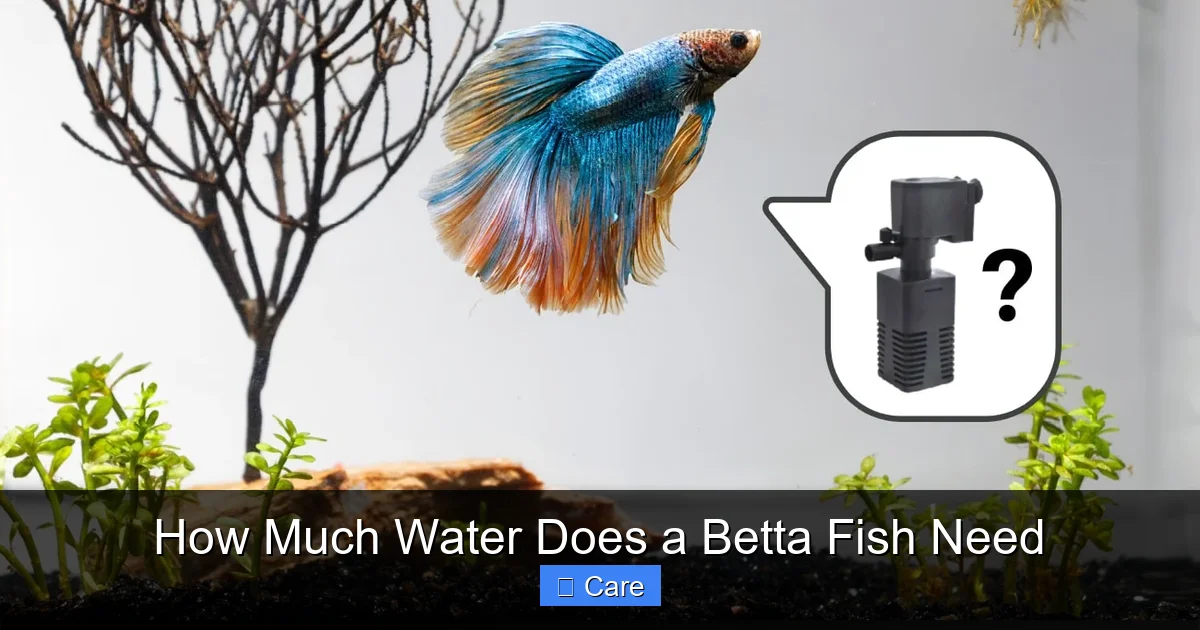
- Space for equipment: A small, gentle filter and a submersible heater should fit comfortably.
Essential Equipment
- Heater: Set to 78 °F (25.5 °C) and use a thermostat to maintain 76‑82 °F.
- Filter: Choose a low‑flow sponge or hang‑on‑back filter; high flow can stress the betta.
- Thermometer: Digital sticks are cheap and accurate.
- Water test kit: Test for ammonia, nitrite, nitrate, and pH weekly.
Substrate and Decoration
Fine sand or smooth gravel (no sharp edges) works well. Add a few live plants, a piece of driftwood, and a small cave. Keep decorations low‑profile so the betta can swim freely.
4. Maintaining Water Quality
Weekly Water Changes
Change 25‑30% of the water every week. Use a water conditioner to remove chlorine and chloramines. This routine removes dissolved waste and keeps nitrate levels low.
Filtration Tips for Bettas
Even though bettas prefer calm water, a gentle filter is essential. A sponge filter provides biological filtration without strong currents. If you use a hang‑on‑back filter, adjust the flow to a gentle trickle.
Monitoring Parameters
- Temperature: 76‑82 °F (24‑28 °C).
- pH: 6.5‑7.5 is ideal; avoid sudden swings.
- Ammonia & nitrite: Must be 0 ppm.
- Nitrate: Keep under 20 ppm.
Signs of Poor Water Quality
If your betta appears lethargic, hides constantly, or develops white spots, test the water immediately. Early detection prevents serious illness.
5. Common Mistakes and How to Avoid Them
Overfeeding
Bettas have tiny stomachs. Feed 2‑3 small pellets once or twice a day, only what they can eat in 2 minutes. Leftover food pollutes the water quickly.
Using the Wrong Filter
High‑flow filters create currents that can stress a betta’s delicate fins. Opt for low‑flow or sponge filters, and position the output to diffuse gently.
Ignoring Temperature Fluctuations
Even a 2‑degree drop can cause a betta to become sluggish. Keep the heater on a stable setting and avoid placing the tank near windows or air conditioners.
Skipping Water Changes
In a 5‑gallon tank, waste builds up faster. Stick to a weekly 25‑30% water change schedule, and increase frequency if you notice cloudiness.
6. Real‑World Example: From Bowl to 10‑Gallon Upgrade
Scenario
Emily started her betta, “Finn,” in a 1‑gallon bowl. After three months, Finn’s colors dulled, and he spent most of his time at the bottom. Emily decided to upgrade to a 10‑gallon tank.
Steps She Took
- Purchased a 10‑gallon glass tank with a secure lid.
- Added a 75 W heater set to 78 °F and a sponge filter.
- Rinsed fine sand and placed a few Java ferns and a small driftwood branch.
- Performed a 30% water change daily for the first week to stabilize parameters.
- Reduced feeding to two pellets twice a day.
Result
Within two weeks, Finn’s fins were brighter, he swam more actively, and his appetite improved. Emily’s water tests showed zero ammonia and nitrite, and nitrate stayed under 10 ppm.
Conclusion: Give Your Betta the Space It Deserves
Betta fish are beautiful, hardy, and surprisingly social when given the right environment. The simple answer to “how much water does a betta need?” is: at least 5 gallons, but more is always better. By providing a stable temperature, gentle filtration, regular water changes, and plenty of hiding spots, you set the stage for a vibrant, long‑lived companion.
Remember, a happy betta is a sign of good water, proper care, and a little love. Start with the right tank size, keep the water clean, and watch your betta flourish.
Frequently Asked Questions
What is the absolute minimum tank size for a betta?
The absolute minimum is 5 gallons (≈19 L). Anything smaller can cause rapid water quality deterioration and stress.
Can I keep a betta in a bowl if I change the water daily?
Even with daily water changes, a bowl cannot maintain stable temperature or adequate filtration, so it is not recommended for long‑term health.
Do bettas need a heater in a 5‑gallon tank?
Yes. Bettas are tropical fish and thrive at 76‑82 °F (24‑28 °C). A reliable submersible heater is essential.
How often should I test my betta’s water?
Test for ammonia, nitrite, nitrate, and pH at least once a week, or after any water change or tank cleaning.
Is a filter necessary for a betta?
While not strictly required, a low‑flow filter greatly improves water quality and reduces the frequency of large water changes.
Can I keep plants in a betta tank?
Absolutely! Live plants like Java fern, Anubias, and Marimo moss provide hiding places and help maintain water oxygen levels.