Can Too Much Water Conditioner Kill Betta Fish
Yes, an overdose of water conditioner can be lethal to betta fish, as the chemicals designed to neutralize chlorine and heavy metals become toxic in high concentrations. Over-conditioning can damage a betta’s sensitive gills, disrupt the essential nitrogen cycle by harming beneficial bacteria, and deplete oxygen levels. The critical takeaway is to always follow the manufacturer’s dosage instructions precisely—more is never better when treating your betta’s water.
Can Too Much Water Conditioner Kill Betta Fish
Have you ever stared at your betta, usually a vibrant, curious little dancer, and found him listlessly hovering at the top, gasping? Your heart sinks. You check the temperature, the filter, the food. Then it hits you: did I use too much water conditioner? That tiny bottle of clear liquid is supposed to protect your fish, but in a moment of uncertainty or a clumsy pour, could it become a silent killer? This is a fear that grips many betta owners, from first-time hobbyists to seasoned veterans. The short, terrifying answer is: yes, an extreme overdose of water conditioner can absolutely kill a betta fish. But the longer, more nuanced answer is what truly matters for your pet’s safety.
We pour that conditioner in with the best of intentions—to neutralize the harsh chlorine and chloramine in our tap water, detoxify heavy metals, and sometimes even protect your betta’s delicate slime coat. It’s a non-negotiable step in every water change. Yet, its very potency means that “more is not better.” In this deep dive, we’ll unpack the chemistry, decode the symptoms, and arm you with the practical, fail-safe knowledge to ensure your water treatment routine is a shield, not a sword. Let’s turn that anxiety into confident care.
Key Takeaways
- Overdosing water conditioner can poison and kill betta fish.
- Always measure conditioner precisely using bottle guidelines.
- Bettas are extremely sensitive to chemical imbalances.
- Strictly follow product label dosage instructions.
- Perform partial water changes if overdose is suspected.
- Quality dechlorinators are safe when dosed correctly.
- Monitor betta behavior after any water treatment.
📑 Table of Contents
- Understanding Water Conditioner: Your Betta’s Invisible Bodyguard
- The Chemistry of Overdose: What “Too Much” Really Means
- Recognizing the Signs: Is It Overdose or Something Else?
- Emergency Response: What to Do If You Suspect an Overdose
- Prevention is Key: Safe Handling and Dosing Mastery
- Comparing Water Conditioners: Which Are Safer for Bettas?
- Conclusion: Confidence Through Knowledge and Care
Understanding Water Conditioner: Your Betta’s Invisible Bodyguard
Before we can understand the danger of an overdose, we need to be crystal clear on what’s in that bottle and why it’s so critical for a betta. Tap water is a toxic soup for fish. It contains chlorine (added to kill bacteria) and the more stubborn chloramine (a combination of chlorine and ammonia), both of which destroy gill tissue and cause acute poisoning. Heavy metals like copper, often leached from pipes, are also neurotoxins to fish. Water conditioner’s primary job is to render these substances harmless instantly.
What’s Actually in That Little Bottle?
Most standard water conditioners contain one or more of these active ingredients:
- Sodium Thiosulfate: The classic workhorse. It rapidly neutralizes chlorine and chloramine by breaking the chemical bonds. It’s fast, effective, and found in many budget-friendly options.
- Polyvinylpyrrolidone (PVP) or similar polymers: These are slime coat protectants. They form a temporary, protective layer over your fish’s skin and gills, helping to reduce stress and guard against minor abrasions. Think of it as a soothing, defensive gel.
- Chelating Agents (like EDTA): These bind to heavy metals (copper, zinc, lead), preventing them from being absorbed through the gills. They “lock them up” so they pass through the fish’s system without harm.
- Stress-Reducing Vitamins & Extracts: Many modern formulas add vitamin B complex, aloe vera, or other extracts to calm fish and boost their immune system during the stressful water change process.
Why Are Bettas Particularly Sensitive?
Betta splendens, with their famous labyrinth organ that allows them to breathe air, are often touted as “tough.” This is a dangerous myth. Their native habitat—shallow, slow-moving, warm, and vegetated rice paddies—means they are evolutionarily adapted to very specific, stable water parameters. They are:
- Extremely sensitive to water quality: Even minor toxins can disrupt their delicate gill function.
- Labyrinth organ breathers: While they can gulp air, they still rely heavily on their gills in water. Any irritant or toxin that damages gill tissue is a direct threat to respiration.
- Often kept in small volumes: In a 1- or 2-gallon tank, a chemical overdose is far more concentrated than in a 50-gallon community tank. The toxic dose is reached much faster with less product.
So, while they can survive in a cup for a short time, they are not chemically resilient. Their sensitivity makes precise dosing non-negotiable.
The Chemistry of Overdose: What “Too Much” Really Means
Here’s where it gets scientifically scary, yet also reassuring. Water conditioner is designed to work at a specific molecular ratio with the toxins in your water. The standard dosage for most products is something like “1 ml per 10 gallons” or “5 drops per 1 gallon.” This is the sweet spot where all chlorine/chloramine is neutralized, and the beneficial additives provide a helpful boost without side effects.
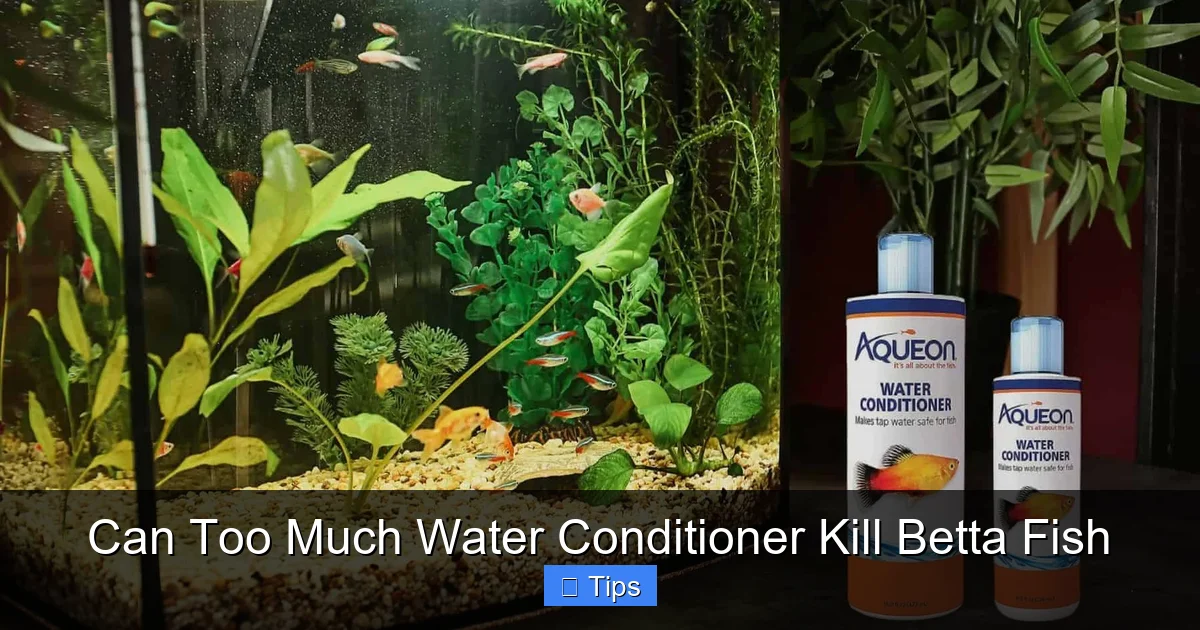
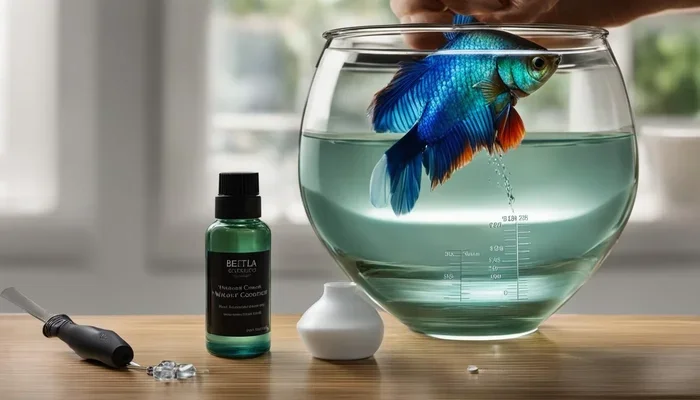
Visual guide about Can Too Much Water Conditioner Kill Betta Fish
Image source: japanesefightingfish.org
The Neutralization Threshold
The active ingredients, like sodium thiosulfate, have a finite capacity. They react with chlorine/chloramine on a 1:1 molecular basis. Once every molecule of toxin is neutralized, any additional conditioner has nothing to “do.” At this point, the excess chemicals simply dissolve in the water. This is where the danger lies. The leftover thiosulfate, polymers, and chelators are now foreign substances in your betta’s environment. In high concentrations, they can:
- Alter water chemistry: Create a sudden, dramatic shift in pH or alkalinity, shocking your fish.
- Disrupt osmoregulation: Make it harder for your betta’s body to regulate the balance of salts and water across its gills and skin, leading to physiological stress or failure.
- Cause direct toxicity: Some ingredients, like high concentrations of certain polymers or chelators, can be directly irritating or toxic to gill tissue, essentially “clogging” or damaging them.
The Lethal Dose Myth vs. Reality
You’ll often hear, “You’d have to dump the whole bottle to kill a fish.” This is an oversimplification that breeds complacency. While a full bottle in a 5-gallon tank would certainly be catastrophic, a “moderate” overdose—say, using 10x the recommended dose—can absolutely cause severe stress, respiratory distress, and death, especially in a small betta tank. The margin for error is incredibly narrow. The “lethal dose” is not a single magical number; it’s a spectrum where toxicity increases with concentration, tank size, and the individual fish’s health and stress level. A weakened betta may succumb to an overdose that a healthier fish might survive.
Recognizing the Signs: Is It Overdose or Something Else?
This is the hardest part. The symptoms of a water conditioner overdose can mimic other common betta ailments—poor water quality from under-filtering, ammonia spikes, or temperature shock. The key is context. Did you just perform a water change? Then overdose moves to the top of your suspect list.
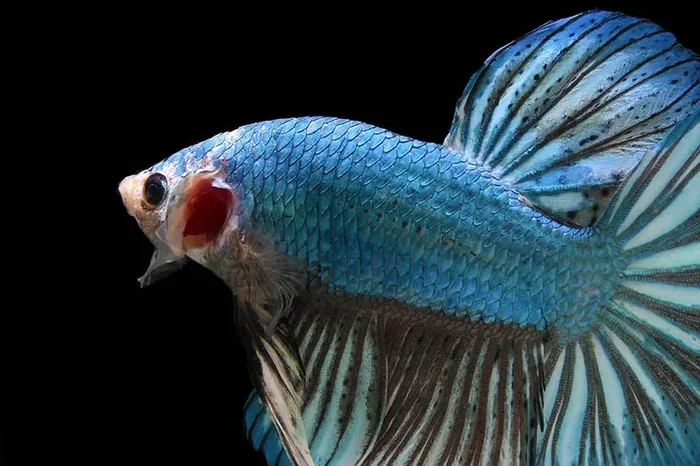
Visual guide about Can Too Much Water Conditioner Kill Betta Fish
Image source: forfishlovers.com
Behavioral Red Flags
- Acute Lethargy and Loss of Balance: Your active swimmer is now a sinking statue, unable to maintain buoyancy, swimming erratically, or flipping onto his side. This points to severe neurological or gill impairment.
- Rapid, Labored Breathing (Gasping): Watch for frantic, wide-mouthed gulping at the surface *immediately* after a water change. This isn’t normal air-breathing; it’s a sign the gills are failing to extract oxygen from the water, forcing desperate reliance on the labyrinth organ.
- Clamped Fins: Fins held tightly against the body are a universal sign of severe stress and illness.
- Hiding and Refusal to Eat: An immediate, post-water-change onset of extreme hiding and spitting out food is a major clue.
Physical Symptoms
- Red or Inflamed Gills: If you can gently net and observe (don’t stress the fish!), visibly red, swollen, or “fuzzy” gill filaments are a sign of chemical irritation or damage.
- Excessive Mucus Production: A cloudy, slimy coating on the body is a stress response, often from water quality issues or chemical irritation.
- Pale or Discolored Body: Loss of vibrant color can indicate shock or systemic distress.
How to Differentiate from Ammonia/Nitrite Poisoning
Ammonia and nitrite poisoning also cause gasping and lethargy. The timeline is your best tool:
- Onset: Overdose symptoms appear within minutes to a few hours of the water change. Ammonia/nitrite poisoning from a new tank or cycle crash might develop over 24-48 hours after the spike begins.
- Test Kit Results: Use a liquid test kit (not strips) immediately. If ammonia and nitrite are at 0 ppm, but your fish is in acute distress post-change, overdose is the prime suspect. If ammonia is high, that’s your culprit.
- Water Clarity: A severe overdose of some polymers can sometimes make the water look slightly cloudy or “slick,” though this is not a reliable indicator.
Emergency Response: What to Do If You Suspect an Overdose
Time is of the essence. Do not wait to see if it gets better. Your goal is to dilute and remove the excess chemicals as quickly and safely as possible.
Visual guide about Can Too Much Water Conditioner Kill Betta Fish
Image source: bettafishbay.com
Immediate Action Steps
- Stop Adding Anything: No more conditioner, no medications, no pH adjusters. Nothing.
- Prepare for an Immediate Large Water Change: You need to replace a significant portion of the overdosed water with fresh, dechlorinated (with the correct dosage!) water. For a 5-gallon betta tank, be prepared to replace 50-75% of the water.
- Test Your Tap Water: Know your tap water’s chlorine/chloramine levels. If your tap has chloramine (most municipal supplies do), you must use conditioner on the new water. The goal is to dilute the overdose concentration, not introduce a second dose of untreated toxins.
The Dilution Method: Your Lifesaving Protocol
Here is the step-by-step process:
- Step 1: Fill a clean bucket with the amount of new water you plan to add (e.g., 3 gallons for a 50% change in a 6-gallon tank).
- Step 2: Add the precisely correct amount of water conditioner to this new water, based on the volume. Use a dropper or a syringe for accuracy. Mix well.
- Step 3: Using a gravel vacuum, slowly remove the old, overdosed water from the tank while simultaneously adding the new, properly conditioned water. This minimizes turbulence and stress. Aim for a slow, steady flow.
- Step 4: After the change, monitor your betta closely for the next few hours. Improvement should be noticeable if the overdose was caught early.
When to Consider Additional Support
If your betta is in extreme distress after the water change:
- Aeration: Add a very gentle air stone (use a flow diffuser) to increase oxygen levels in the water, helping stressed gills.
- Stress Reducer: You can add a tiny, correctly dosed amount of a separate, pure stress reducer (like Seachem Stress Coat, which uses a different base) to help soothe the fish. Do not add more of the same conditioner!
- Veterinary Help: For a cherished betta showing no improvement after a proper emergency water change, consult an aquatic veterinarian. They may have treatments to support gill function.
Prevention is Key: Safe Handling and Dosing Mastery
The best emergency response is the one you never need. Mastering prevention is simple but requires diligence.
Ditch the Cap, Embrace the Dropper
This is the single most important rule. Never, ever use the bottle’s cap to measure. Cap sizes vary, are inaccurate, and are easy to overfill. Invest in:
- A set of oral syringes (1ml, 5ml) from a pharmacy. They are precise, easy to read, and clean.
- A glass dropper with clear markings.
- If your conditioner comes with a dosing cup, use it, but double-check the volume markings.
Example: If your conditioner says “5 drops per gallon,” and you have a 3-gallon tank, you need 15 drops. Count them out with your dropper. No guessing.
Know Your Product’s Concentration
Not all conditioners are created equal. Some are “double strength” or “concentrated.” Seachem Prime, for example, is highly concentrated—1 ml treats 10 gallons of water with chloramine. Using the standard 1 ml per 10 gallons dose for a regular conditioner on a concentrated product like Prime would mean you’re using 1/5th of the needed amount, leaving chloramine untreated. Conversely, using Prime’s dose for a standard product would be a 5x overdose. Always read the label for your specific product.
Create a Dosing Station
Keep your conditioner, syringes, and a small notepad next to your water change bucket. Write down the tank size and the required dose before you start. This ritual prevents you from trying to remember mid-pour.
Common Dose-Confusion Mistakes to Avoid
- Mixing Up Tank Volumes: A “3-gallon” tank with decorations and substrate actually holds about 2.5 gallons of water. Err on the side of caution and dose for the actual water volume, not the tank’s advertised size.
- Topping Off vs. Full Change: If you’re just adding water to replace evaporation (which doesn’t need conditioner if using distilled/RO water), you dose for the amount added. If you’re doing a full water change, you dose for the entire new volume. Don’t dose for the total tank volume when only adding 1 gallon to a 5-gallon tank.
- Using Multiple Products: Never mix conditioners. If you switch brands, thoroughly rinse your dosing tools. Some ingredients can interact unpredictably.
Comparing Water Conditioners: Which Are Safer for Bettas?
While all reputable water conditioners are safe when used correctly, some formulations are gentler or have features that might reduce perceived risk for a betta keeper. Here’s a practical comparison.
| Product Type | Primary Strength | Betta-Specific Considerations | Overdose Risk Profile |
|---|---|---|---|
| Standard Dechlorinator (e.g., API Stress Coat+, Tetra AquaSafe) | Neutralizes chlorine & chloramine. Often includes slime coat support. | Good all-around choice. The slime coat polymers are beneficial in correct doses but contribute to overdose toxicity if misused. | Moderate. Standard concentration means dosing errors are more obvious (using 2x dose is clearly wrong). |
| Ultra-Concentrated (e.g., Seachem Prime) | Extremely efficient; treats much larger volume per ml. Also detoxifies ammonia for 48 hours. | Excellent value. The tiny required dose (e.g., 1ml/10gal) means a small measuring error (using 2ml instead of 1) is only a 2x overdose, potentially less severe than with a standard product. However, the tiny dose makes under-dosing a risk if measurement is very inaccurate. | Lower for small dosing errors, higher for catastrophic errors (e.g., using 10ml in a 10gal tank). Precision is absolutely key. |
| All-in-One Multi-Purpose (e.g., some “Complete Water Treatment” brands) | May include ammonia/nitrite detox, pH stabilization, electrolytes. | Convenient, but the more ingredients, the more complex the chemistry. Overdosing introduces multiple foreign substances, potentially increasing stress. | Potentially Higher. More active ingredients mean more substances that can cause imbalance in high concentrations. |
The Verdict for Bettas
For most betta keepers, a standard dechlorinator with a clear dosing guide (drops per gallon) is the simplest and safest choice. The dosing increments are small enough to be precise with a dropper, and you’re not juggling a dozen extra chemicals. Seachem Prime is also an outstanding choice if you are meticulous with your 1ml syringe. The key is choosing one product, learning its exact dosage for your tank’s volume, and sticking to it religiously.
Conclusion: Confidence Through Knowledge and Care
So, can too much water conditioner kill a betta fish? Yes. But it’s a preventable tragedy. The real lesson here isn’t to live in fear of that little bottle, but to respect it. Water conditioner is a powerful tool—a pharmacological shield for your betta against the inherent toxicity of our tap water. Like any tool, its safety lies entirely in the hands of the user.
Your betta’s world is a glass box. Everything you put in it is permanent until the next water change. There is no margin for error with chemicals. By moving from guesswork to precise measurement, from capfuls to droppers, you eliminate the primary risk. You learn to read the subtle signs of distress and act swiftly if a mistake happens. You choose a straightforward product and master its use.
The next time you prepare for a water change, take a breath. Measure your conditioner with the same care you’d measure a medication. Watch your betta’s vibrant colors and active exploration—that’s your reward for getting it right. That little fish depends on your consistency and attention. Armed with this knowledge, you’re no longer a worried amateur; you’re a confident guardian, ensuring that every drop in the tank is a safe, life-giving one. Your betta’s brilliant, flaring fins are the ultimate thank you.
Frequently Asked Questions
What is can too much water conditioner kill betta fish?
can too much water conditioner kill betta fish is an important topic with many practical applications and benefits.
How can can too much water conditioner kill betta fish help me?
Understanding can too much water conditioner kill betta fish can improve your knowledge and provide practical solutions.