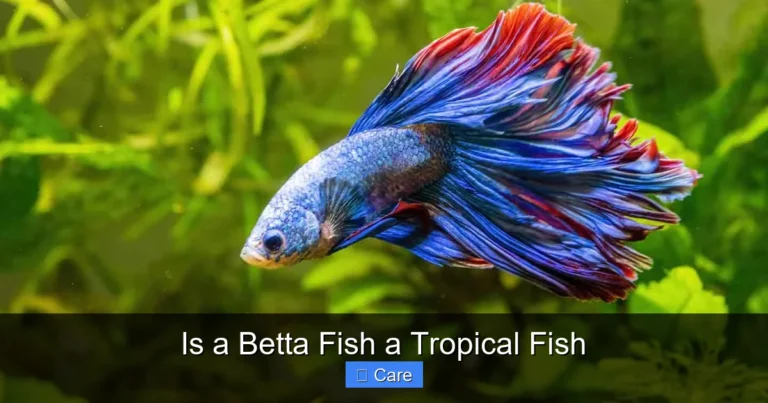
What Water to Use for Betta Fish
Choosing the right water is the single most important step in keeping a betta fish happy and healthy. This guide explains the ideal water type, how to treat tap water, and simple maintenance tips so you can create a stress‑free home for your finned friend.
Key Takeaways
- Tap water can be safe: With proper dechlorination and pH adjustment, most city water works perfectly for bettas.
- Temperature matters: Keep water between 76‑82°F (24‑28°C) for optimal metabolism and coloration.
- Hardness and pH are flexible: Bettas thrive in a pH of 6.5‑7.5 and a general hardness (GH) of 3‑8 dGH.
- Conditioners are essential: Use a reputable water conditioner to remove chlorine, chloramine, and heavy metals.
- Regular water changes: Replace 25‑30% of the tank water weekly to keep ammonia and nitrite at zero.
- Avoid RO/DI water alone: Pure reverse‑osmosis water lacks minerals; it must be remineralized before use.
- Test frequently: A cheap test kit helps you monitor pH, ammonia, nitrite, and nitrate, preventing hidden problems.
📑 Table of Contents
- Introduction: Why Water Choice Is the Heartbeat of Betta Care
- 1. The Basics: Tap Water vs. Bottled vs. RO/DI
- 2. Understanding Water Parameters: pH, Hardness, and Temperature
- 3. Preparing the Water: Step‑by‑Step Guide
- 4. Ongoing Maintenance: Keeping the Water Perfect
- 5. Common Mistakes and How to Avoid Them
- Conclusion: Your Betta Deserves the Best Water
Introduction: Why Water Choice Is the Heartbeat of Betta Care
When you first bring home a betta, the excitement is palpable. Their shimmering fins, bold colors, and curious personalities make them instant stars. Yet, many new owners overlook a critical factor that can make or break a betta’s health: the water they live in.
Unlike goldfish, which can survive in less-than‑ideal conditions for a short time, bettas are highly sensitive to water quality. Poor water leads to stress, faded colors, fin rot, and even death. Understanding what water to use for betta fish is the foundation of responsible fish keeping, and it’s easier than you think.
1. The Basics: Tap Water vs. Bottled vs. RO/DI
Let’s start by looking at the three most common sources of water for a betta tank.

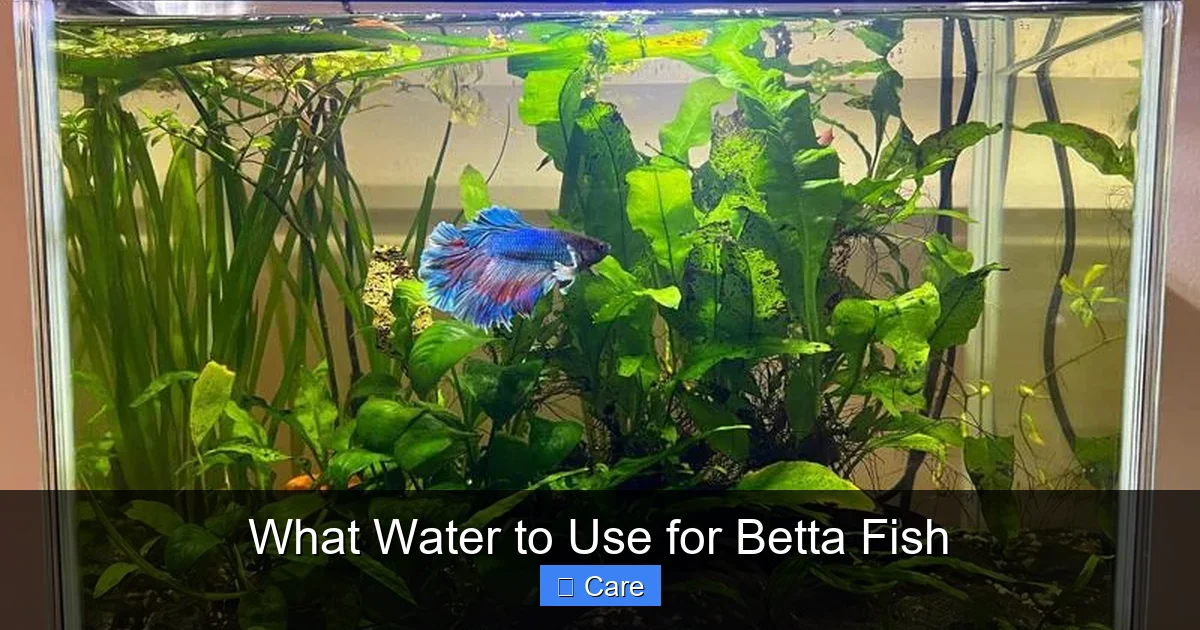
Visual guide about What Water to Use for Betta Fish
Image source: thumbs.dreamstime.com
Tap Water – The Everyday Champion
Most municipal water supplies are perfectly fine once they’re treated. The key steps are:
- Dechlorination: Chlorine and chloramine are toxic to fish. A good water conditioner neutralizes both.
- Temperature adjustment: Bring the water to the proper range (76‑82°F) before adding it to the tank.
- pH check: Tap water often lands in the 7.0‑7.8 range, which is acceptable for bettas.
Because tap water already contains minerals, it provides the calcium and magnesium bettas need for strong fins and a healthy slime coat.
Bottled Water – Convenient but Cautious
Bottled spring or purified water can be used in a pinch, but there are pitfalls:
- Many brands have low mineral content, making the water “soft.” Soft water can stress a betta if not remineralized.
- Some bottled water is actually distilled or reverse‑osmosis (RO) water, which lacks essential ions.
- Cost adds up quickly if you’re changing 25% of the tank weekly.
If you choose bottled water, pick a brand labeled “spring” with a mineral content of at least 50 ppm calcium.
RO/DI Water – Pure but Incomplete
Reverse‑osmosis (RO) or deionized (DI) water is ultra‑pure, removing virtually every dissolved substance. This sounds great, but fish need minerals to thrive.
- Pure RO/DI water can cause “mineral deficiency” symptoms: ragged fins, loss of color, and poor growth.
- To use RO/DI water, you must add a betta‑specific remineralizer or a balanced aquarium salt mix.
Most hobbyists find RO/DI water unnecessary for a single betta unless their tap water is extremely hard, acidic, or contaminated.
2. Understanding Water Parameters: pH, Hardness, and Temperature
Even after you decide on a source, you need to know the exact numbers that keep a betta thriving.

Visual guide about What Water to Use for Betta Fish
Image source: wholesomepetdiet.com
pH – The Acidity Scale
Bettas are comfortable in slightly acidic to neutral water (pH 6.5‑7.5). Here’s how to manage it:
- Test your tap water with a liquid test kit.
- If pH is above 7.5, add a small amount of driftwood or pH‑lowering drops.
- If it’s below 6.5, a pinch of crushed coral or a commercial buffer can raise it.
Remember, bettas prefer stable pH over a “perfect” number. Sudden shifts are more harmful than a slight deviation.
General Hardness (GH) – Mineral Content
GH measures calcium and magnesium. Bettas do well with a GH of 3‑8 dGH (roughly 50‑130 ppm).
- Hard tap water (above 8 dGH) is fine; just watch for rapid pH swings.
- Very soft water (<3 dGH) should be supplemented with a GH booster.
Temperature – The Warmth Betta Craves
Bettas are tropical fish. Keep their water steady at 76‑82°F (24‑28°C). Use a reliable submersible heater and a thermometer.
- Never place the tank near drafts, windows, or heating vents.
- For small 2‑5 gallon setups, a 25‑50 W heater is usually sufficient.
3. Preparing the Water: Step‑by‑Step Guide
Now that you know which water to use and the ideal parameters, follow this simple routine each week.
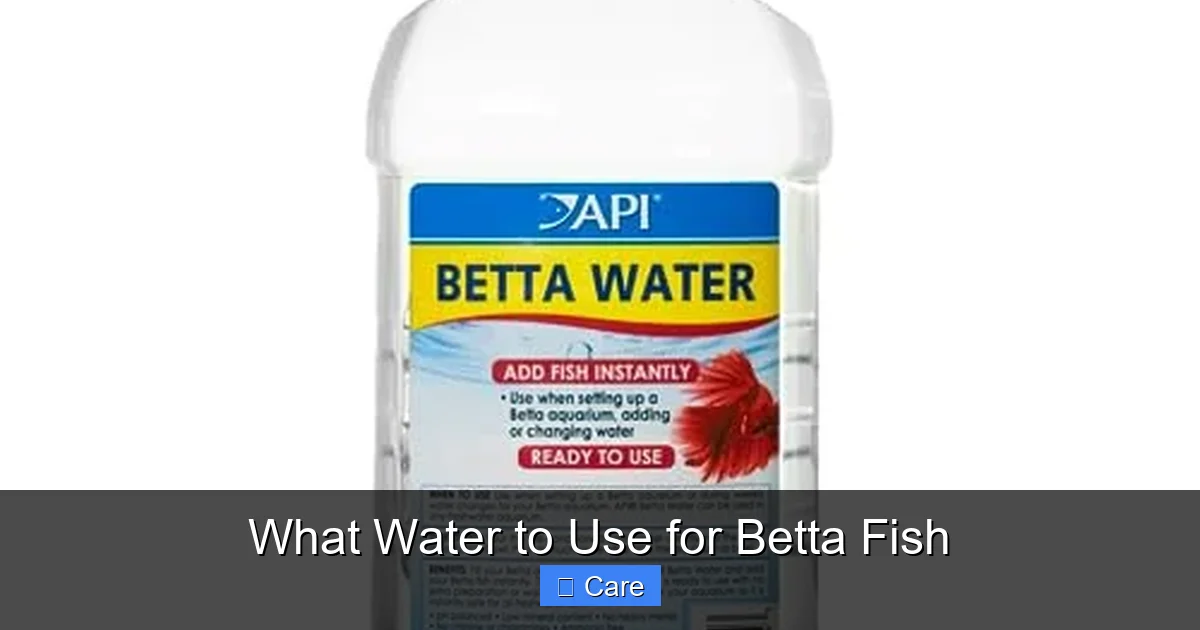
Visual guide about What Water to Use for Betta Fish
Image source: m.media-amazon.com
Step 1 – Gather Supplies
- Water conditioner (dechlorinator + chloramine remover)
- pH test kit or digital meter
- Thermometer
- GH/KH test kit (optional but recommended)
- Heater (if not already installed)
Step 2 – Condition the Water
Fill a clean bucket with the desired amount of tap water (usually 25‑30% of tank volume). Add the conditioner according to the label—most products treat 10 gallons per dose.
Step 3 – Adjust Temperature
Place the bucket in a warm room or use a small submersible heater in the bucket. Stir gently until the water reaches the target temperature.
Step 4 – Test & Tweak pH & Hardness
Dip the test strips or use the liquid kit. If pH is out of range, add the appropriate drops or natural modifiers (driftwood, coral).
For hardness, add a GH booster if needed. Follow the product’s dosage chart; a little goes a long way.
Step 5 – Transfer the Water
Turn off the tank filter briefly, then slowly pour the prepared water into the tank, avoiding splashing on the betta’s fins.
Step 6 – Restart Equipment
Turn the filter and heater back on. Watch the thermometer for a few minutes to confirm stability.
4. Ongoing Maintenance: Keeping the Water Perfect
Even the best initial setup will drift over time. Consistent maintenance prevents problems before they appear.
Weekly Water Changes
Replace 25‑30% of the water each week. This removes dissolved waste, keeps nitrate low, and refreshes trace minerals.
Spot Cleaning & Gravel Vacuuming
Use a small siphon to clean debris from the substrate. Avoid over‑vacuuming, which can strip beneficial bacteria.
Filter Maintenance
Rinse filter media in tank water (not tap water) once a month. This preserves the beneficial bacteria while removing trapped particles.
Monitoring Water Quality
Test for ammonia, nitrite, and nitrate weekly:
- Ammonia and nitrite should always read 0 ppm.
- Nitrate should stay below 20 ppm; a 10‑15 ppm level is typical for a betta.
Early detection of spikes lets you act before your betta shows signs of stress.
Seasonal Adjustments
In winter, room temperature may drop, affecting tank temperature. Use a heater with a thermostat that can maintain a constant 78°F.
During summer, keep the tank away from direct sunlight to prevent algae blooms and temperature spikes.
5. Common Mistakes and How to Avoid Them
Even seasoned hobbyists slip up now and then. Here are the pitfalls most owners face when answering the question “what water to use for betta fish?” and how to sidestep them.
Using Untreated Tap Water
Skipping the conditioner is a rookie error. Chlorine kills the protective slime coat; chloramine can cause chronic gill irritation.
Relying Solely on RO/DI Water
Pure water feels “clean,” but without minerals bettas develop brittle fins. Always add a remineralizer if you use RO/DI.
Neglecting Temperature Fluctuations
Even a 2‑degree swing can stress a betta. Use a reliable heater and consider a thermostat alarm.
Over‑Conditioning
Adding too much pH modifier or buffer can swing the water far outside the safe range. Adjust gradually and retest.
Skipping Regular Water Changes
Stagnant water builds up nitrate and dissolved organics, leading to dull colors and disease.
Using Aquarium Salt Improperly
Some owners add regular table salt to “toughen” bettas. Use aquarium salt sparingly (1 g per 10 gallons) and only when treating specific issues.
Conclusion: Your Betta Deserves the Best Water
Answering “what water to use for betta fish” isn’t a one‑size‑fits‑all answer; it’s a thoughtful process that starts with safe tap water, proper conditioning, and regular monitoring. By following the steps and tips above, you’ll create a stable, mineral‑rich environment where your betta can flaunt its colors, explore its space, and live a long, healthy life.
Remember, the best water is the water you keep clean, warm, and stable. Treat it well, and your betta will reward you with endless fascination.
Frequently Asked Questions
What kind of tap water is safe for bettas?
Most city tap water is safe once you add a water conditioner that removes chlorine and chloramine. Test the pH and hardness, then adjust if needed.
Can I use distilled water for my betta?
Distilled water lacks essential minerals, so it should only be used if you add a proper remineralizer. Pure distilled water alone can cause deficiencies.
How often should I change the water in a betta tank?
Replace about 25‑30% of the water each week. This keeps nitrate low and refreshes trace minerals while minimizing stress.
Do bettas need a filter if I change the water regularly?
A gentle filter is helpful for biological filtration, but a small betta tank can survive without one if you perform diligent weekly water changes.
What temperature should I keep my betta’s water at?
Maintain a steady temperature between 76‑82°F (24‑28°C). Use a reliable submersible heater and a thermometer to avoid fluctuations.
Is RO/DI water ever necessary for bettas?
Only if your tap water is extremely hard, acidic, or contaminated. When using RO/DI, always add a betta‑specific remineralizer to provide essential minerals.