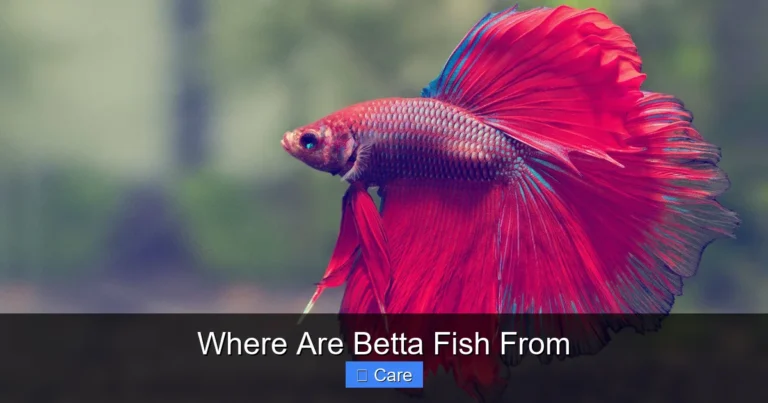
Can Betta Fish Live in a Fishbowl
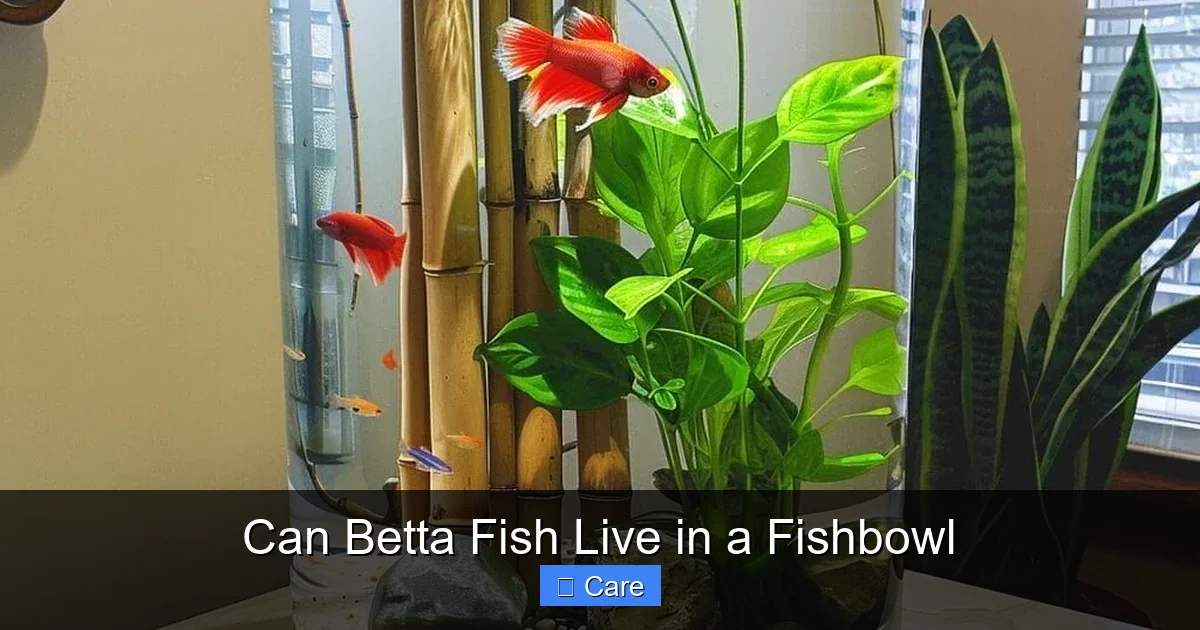
Betta fish can survive in a fishbowl, but only under very specific conditions. Without proper filtration, heating, and space, a bowl quickly becomes a stress trap that shortens your betta’s life. Learn how to turn a simple bowl into a safe temporary home and when to upgrade to a proper tank.
Key Takeaways
- Size matters: A bowl should be at least 2‑3 gallons; larger is always better.
- Temperature is critical: Betta fish need a stable 78‑80°F; a heater is essential.
- Filtration is optional but helpful: A sponge filter or regular water changes keep ammonia low.
- Plants and décor improve health: Live plants or silk ornaments provide hiding spots and oxygen.
- Long‑term home = tank: Bowls are okay for short‑term rescue, not for permanent residence.
- Water quality cannot be ignored: Test kits and partial water changes are a must.
- Know the signs of stress: Faded colors, clamped fins, or rapid breathing mean it’s time to upgrade.
📑 Table of Contents
Introduction
When you first see a bright, flowing‑fin betta swimming in a tiny glass bowl at the pet store, it feels natural to think, “Can betta fish live in a fishbowl?” The answer isn’t a simple yes or no. It depends on how the bowl is set up, how long the fish stays there, and what you’re willing to do to keep the water clean and warm.
In this guide we’ll walk through the science behind a betta’s needs, break down the pros and cons of bowl living, and give you step‑by‑step instructions to make a bowl as safe as possible. By the end, you’ll know exactly when a bowl is a temporary rescue solution and when it’s time to upgrade to a proper tank.
Understanding a Betta’s Natural Habitat
What a betta is used to in the wild
Betta splendens originate from shallow rice paddies and slow‑moving streams in Southeast Asia. Those waters are warm (78‑84°F), soft, and densely vegetated. The fish are used to hiding among roots, jumping to the surface for air, and dealing with low‑oxygen environments.

Visual guide about Can Betta Fish Live in a Fishbowl
Image source: petshun.com
Why that matters for a bowl
Because bettas can gulp air from the surface, they survive in low‑oxygen habitats better than many fish. However, they still need clean, warm water and a place to rest. A bowl that mimics those natural conditions—warm temperature, surface access, and plenty of plants—will keep a betta comfortable.
Can Betta Fish Live in a Fishbowl? The Short Answer
Short‑term vs. long‑term
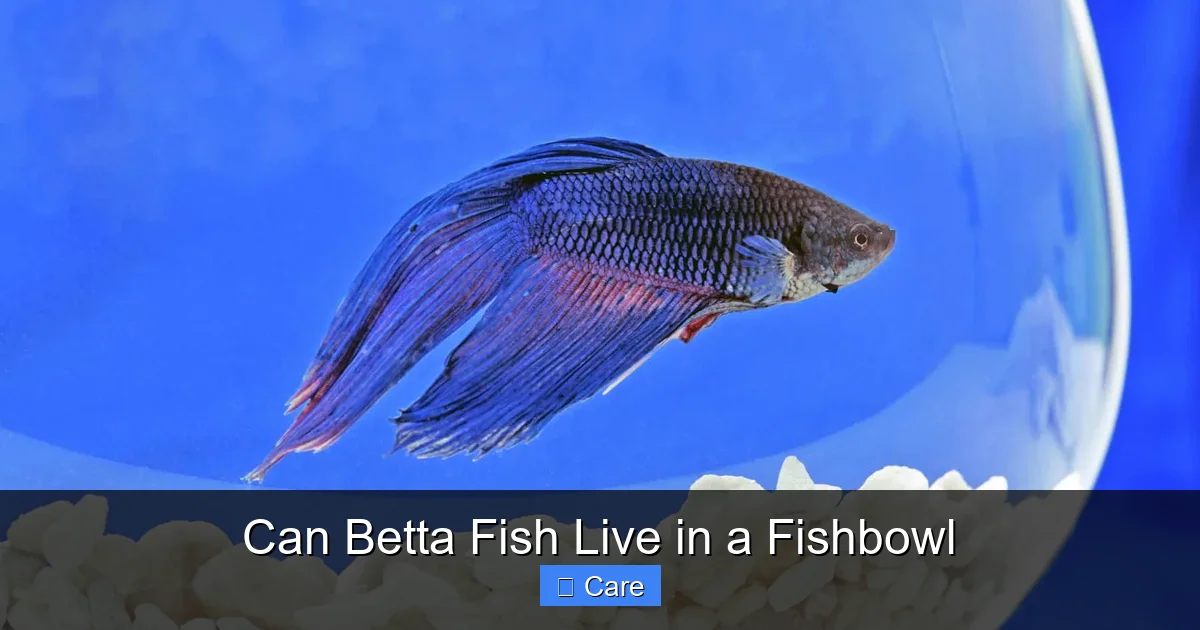
Yes, a betta can live in a fishbowl for a short period—think a few days to a couple of weeks—if you maintain water quality and temperature. Long‑term, however, a bowl becomes a breeding ground for ammonia, nitrite, and stress, which can shorten the fish’s lifespan dramatically.
Visual guide about Can Betta Fish Live in a Fishbowl
Image source: bettasource.com
Key factors that decide success
- Volume: At least 2–3 gallons (7.5–11 L) is the minimum. Anything smaller will heat and waste up quickly.
- Temperature: A reliable heater set to 78‑80°F (25‑27°C) is non‑negotiable.
- Filtration or water changes: Without a filter, you’ll need to change 25‑30% of the water every 2‑3 days.
- Cover: Betta’s long fins can get tangled in open‑top bowls; a lid prevents jumps and reduces evaporation.
Setting Up the Perfect Bowl
Choosing the right bowl
Look for a wide, shallow bowl made of glass or acrylic. A diameter of 12‑14 inches gives enough swimming room. Avoid narrow “fishbowl” shapes; they restrict movement and make water heating uneven.

Visual guide about Can Betta Fish Live in a Fishbowl
Image source: petshun.com
Essential equipment
- Heater: A submersible 50‑watt heater works well for 2‑3 gallon bowls.
- Thermometer: Clip‑on or floating; check twice daily.
- Filter (optional but recommended): A tiny sponge filter can sit on the side without sucking the betta’s fins.
- Plants: Live plants like Java fern, Anubias, or floating duckweed boost oxygen and provide cover.
- Substrate: A thin layer of sand or gravel (no more than 1 inch) prevents the bowl from looking barren.
Step‑by‑step setup
- Rinse the bowl, substrate, and decorations with warm water—no soap.
- Add the substrate, then place plants and décor.
- Fill the bowl with dechlorinated water (or treat tap water with a water conditioner).
- Install the heater and thermometer. Let the heater run for at least an hour before adding the fish.
- If using a sponge filter, prime it and place it gently on the side.
- Acclimate your betta slowly by floating its bag for 15 minutes, then adding a few drops of bowl water every 5 minutes for 30 minutes.
- Release the betta gently and monitor behavior for the first hour.
Maintaining Water Quality
Why water changes are crucial
In a small bowl, waste builds up fast. Ammonia spikes can happen within 24‑48 hours if not addressed. Regular partial water changes dilute toxins and keep the pH stable.
How often to change water
Change 25‑30% of the water every 2‑3 days. Use a siphon to remove debris from the bottom, then add pre‑conditioned water at the same temperature.
Testing the water
Invest in a basic test kit for ammonia, nitrite, and pH. Keep ammonia at 0 ppm, nitrite at 0 ppm, and pH between 6.5‑7.5. If you notice any rise, increase the frequency of water changes.
Can a filter replace water changes?
While a small sponge filter helps, it cannot fully replace regular water changes in such a tiny volume. For a truly low‑maintenance setup, consider moving to a 5‑gallon tank with a proper filter.
Temperature Control and Heating
Why a heater is essential
Betta fish are tropical and become sluggish, lose color, and develop disease when the water drops below 75°F. A stable heater prevents these issues.
Choosing the right heater
For a 2‑3 gallon bowl, a 50‑watt heater with an adjustable thermostat works best. Place it near the side wall to avoid hot spots.
Tips to avoid overheating
- Use a thermometer and check twice daily.
- Don’t place the bowl in direct sunlight.
- Turn off the heater at night if the room stays warm (above 78°F).
When to Upgrade to a Tank
Signs your betta needs more space
If you notice any of the following, it’s time to move to a larger tank:
- Faded or dull colors.
- Clamped fins (fins held close to the body).
- Rapid breathing at the surface.
- Frequent algae growth covering the bowl.
- Visible waste buildup despite regular changes.
Benefits of a proper tank
A 5‑gallon (or larger) tank with a filter, heater, and live plants offers stable water parameters, more swimming room, and a healthier environment for the betta’s lifespan—often 3‑5 years compared to 1‑2 years in a bowl.
Transition tips
- Set up the new tank a day before moving the fish.
- Match the temperature and water parameters to the bowl.
- Acclimate the betta using the drip method for 30‑60 minutes.
- Observe for stress signs for the first 24 hours.
Common Misconceptions
“Betta fish can live forever in a bowl because they breathe air.”
Surface breathing helps them survive low‑oxygen water, but it does not protect them from toxic ammonia or temperature fluctuations.
“A bowl doesn’t need a filter because bettas are hardy.”
Hardiness refers to disease resistance, not waste management. Even hardy bettas suffer in poorly filtered water. For more on this, read Can Betta Fish Live In A Bowl Without Filter.
“All fishbowls are the same.”
Shapes, sizes, and materials vary. A wide, shallow bowl is far better than a tall, narrow one. Learn why in Why Can Betta Fish Live In A Bowl.
Final Thoughts
So, can betta fish live in a fishbowl? Yes, but only if you treat the bowl like a temporary rescue tank, not a permanent home. By providing adequate space, stable temperature, frequent water changes, and optional filtration, you can keep a betta healthy for weeks. For long‑term happiness, upgrade to a 5‑gallon (or larger) tank with a filter and live plants. Your betta will thank you with vibrant colors, energetic swims, and a longer, healthier life.
Frequently Asked Questions
Can betta fish live in a fishbowl without a heater?
No. Betta fish need a stable temperature of 78‑80°F. Without a heater, the water will quickly become too cold, leading to stress and disease.
How often should I change the water in a betta bowl?
Change 25‑30% of the water every 2‑3 days. Use a water conditioner to remove chlorine and match the bowl’s temperature.
Is a 1‑gallon bowl enough for a betta?
Technically a betta can survive in 1 gallon, but it leaves almost no margin for error. A 2‑3 gallon bowl is the minimum recommended size.
Can I use a regular fish filter in a betta bowl?
Standard power filters are too strong and can damage a betta’s delicate fins. A small sponge filter or gentle air stone works better.
Do bettas need live plants in a bowl?
Live plants are not required, but they improve water quality, provide hiding spots, and make the environment more natural.
When should I move my betta from a bowl to a tank?
If you notice stress signs, algae overgrowth, or if you cannot keep up with water changes, it’s time to upgrade to a 5‑gallon tank with proper filtration.