How Often Change Betta Fish Water
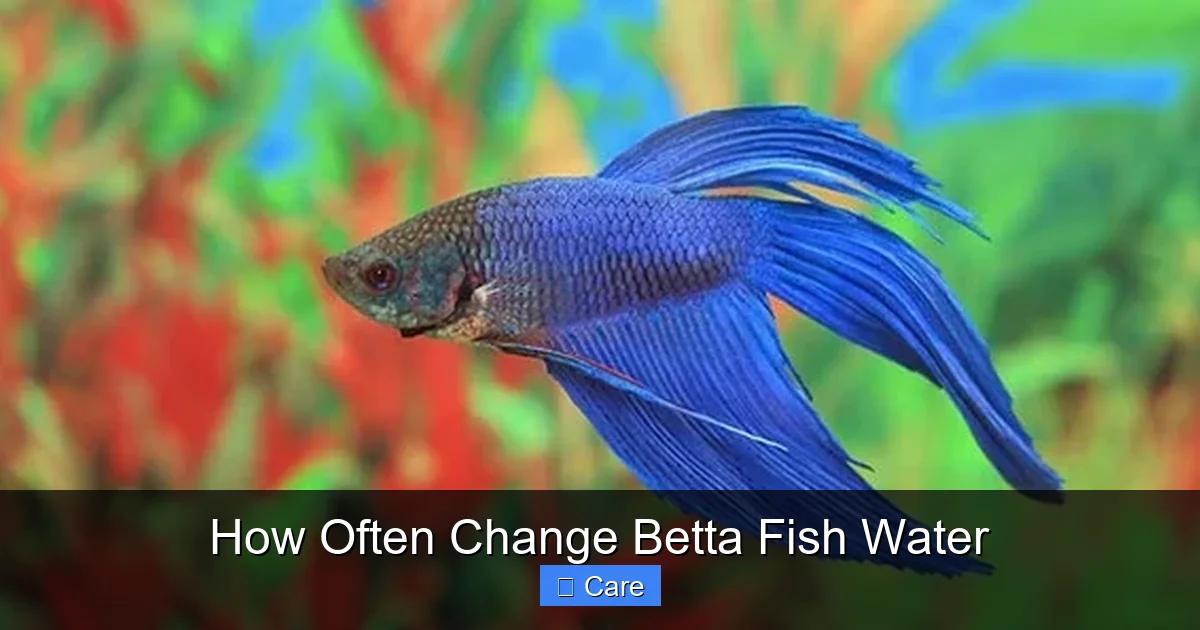
Changing betta fish water regularly is key to a thriving, stress‑free companion. Most experts recommend a partial water change of 25‑30% every 5‑7 days, but factors like tank size, filtration, and feeding habits can shift the schedule. Follow these practical guidelines to keep your betta happy and healthy.
Key Takeaways
- Ideal frequency: Change 25‑30% of water every 5‑7 days for most bettas.
- Tank size matters: Smaller tanks (1‑2 gal) need more frequent changes than larger setups.
- Filtration helps: A gentle filter can extend the interval between changes.
- Observe water parameters: Test for ammonia, nitrite, and nitrate to adjust schedule.
- Temperature & pH stability: Match new water to existing conditions to avoid stress.
- Cleaning routine: Use a gravel vacuum and algae scraper during each change.
- Seasonal tweaks: Warmer months may require slightly more frequent changes.
📑 Table of Contents
- Introduction: Why Water Changes Matter for Betta Fish
- 1. Understanding Betta Biology and Tank Chemistry
- 2. The Baseline Schedule: How Often Change Betta Fish Water?
- 3. Step‑by‑Step Guide to Changing Betta Water
- 4. Special Situations and Common Mistakes
- 5. Enhancing Water Quality Beyond Changes
- Conclusion: Keep It Simple, Keep It Consistent
Introduction: Why Water Changes Matter for Betta Fish
Imagine living in a bathtub that never gets cleaned. It would quickly become smelly, cloudy, and unhealthy. Your betta feels the same way. Even though bettas are hardy, they thrive best in clean, stable water. Regular water changes remove waste, control harmful chemicals, and keep the environment looking beautiful.
In this guide we’ll answer the burning question: how often change betta fish water to keep your finned friend at its brightest. We’ll walk through the science, the practical steps, and the little tricks that make maintenance a breeze.
1. Understanding Betta Biology and Tank Chemistry
The Betta’s Natural Habitat
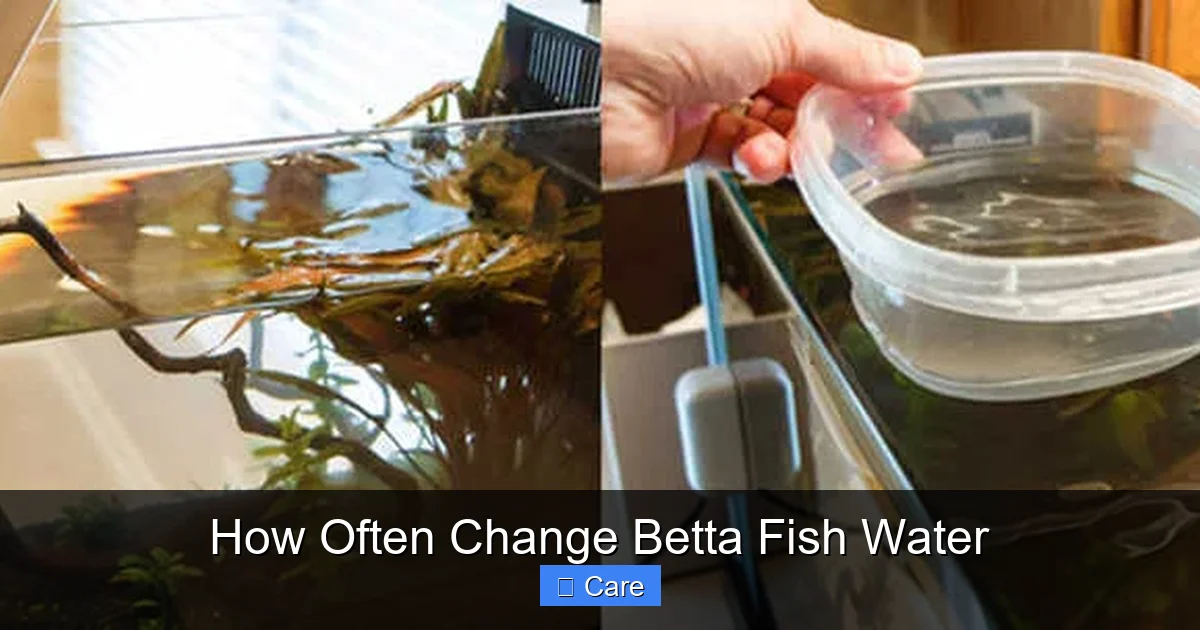
Betta splendens come from shallow rice paddies and slow‑moving streams in Southeast Asia. Those waters are warm (78‑82°F/25‑28°C), slightly acidic, and have a gentle flow. Replicating those conditions helps reduce stress.
Visual guide about How Often Change Betta Fish Water
Image source: uploads-ssl.webflow.com
What Happens When Water Gets Dirty?
Fish produce ammonia through waste and respiration. Beneficial bacteria convert ammonia → nitrite → nitrate. In a well‑cycled tank, ammonia and nitrite stay at near‑zero levels, while nitrate rises slowly. Too much nitrate, plus organic debris, leads to cloudy water, algae blooms, and disease.
Key Parameters to Watch
- Ammonia (NH₃): 0 ppm – any detectable amount is a red flag.
- Nitrite (NO₂⁻): 0 ppm – toxic to bettas even at low levels.
- Nitrate (NO₃⁻): Below 20 ppm is ideal for bettas.
- pH: 6.5–7.5, stable.
- Temperature: 78–82°F (25–28°C).
2. The Baseline Schedule: How Often Change Betta Fish Water?
Standard Recommendation
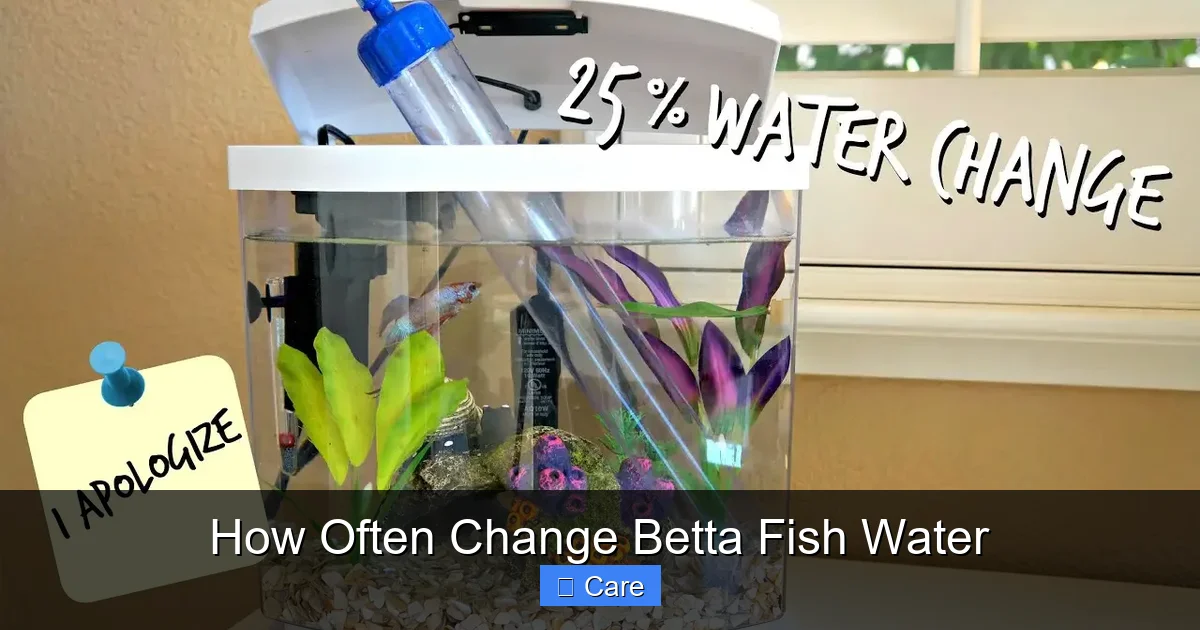
For most hobbyists, the safest answer is: change 25‑30% of the water every 5‑7 days. This routine balances waste removal with the betta’s sensitivity to sudden changes.
Visual guide about How Often Change Betta Fish Water
Image source: bettafishworld.com
Why Not Change All the Water?
Betta fish are “jumpers” and love stable environments. Completely replacing the water can shock their system, causing a rapid shift in temperature, pH, and mineral balance. A partial change is gentler and maintains beneficial bacteria.
Adjusting the Frequency
Several factors may require you to change water more or less often:
- Tank size: A 1‑gal bowl can accumulate waste faster than a 5‑gal tank.
- Feeding amount: Overfeeding adds excess organic matter.
- Filtration: A low‑flow sponge filter can extend the interval.
- Live plants: Plants absorb nitrates, often allowing longer intervals.
- Season: Warm summer months speed up bacterial activity, sometimes needing extra changes.
3. Step‑by‑Step Guide to Changing Betta Water
Gather Your Supplies
- Water conditioner (dechlorinator)
- Gravel vacuum
- Algae scraper or soft sponge
- Thermometer
- Bucket designated for aquarium use only
- Test kit for ammonia, nitrite, nitrate, pH
Preparation: Match Temperature and Parameters
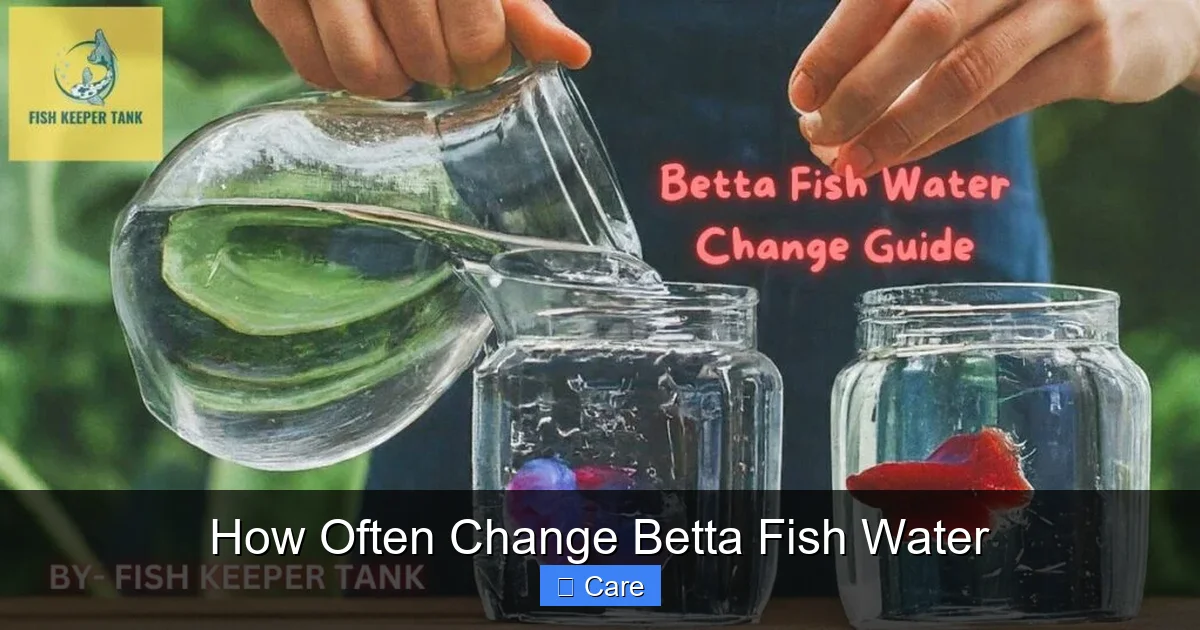
Fill your bucket with tap water that has been treated with conditioner. Let it sit for a few minutes, then check the temperature. Adjust with a heater or by adding a bit of cooler water until it matches the tank (within 1‑2°F).
Visual guide about How Often Change Betta Fish Water
Image source: fishkeepertank.com
Partial Water Removal
Turn off any equipment (heater, filter) to avoid stress. Using the gravel vacuum, siphon out 25‑30% of the water. While doing this, gently stir the substrate to lift debris. Avoid sucking up the betta—keep the suction tip near the surface.
Cleaning the Tank
Wipe the glass with an algae scraper. If you have decorations, rinse them in the removed tank water (not tap water) to keep beneficial bacteria.
Refilling
Slowly pour the conditioned water back into the tank, aiming at the side to minimize disturbance. Turn the equipment back on and let the water circulate for a few minutes.
Testing and Observation
After the change, test the water parameters. If ammonia or nitrite spikes, it may indicate over‑cleaning or a filter issue. Observe your betta for normal swimming, bright colors, and appetite.
4. Special Situations and Common Mistakes
When to Change More Frequently
- Cloudy water: Indicates excess waste; change 30‑40% immediately.
- Algae bloom: Reduce nutrients by increasing change frequency.
- Illness: A clean environment helps recovery; consider a 50% change.
When to Extend the Interval
If you have a well‑planted, filtered 5‑gal tank with stable parameters, you may stretch to 10‑14 days, but still perform a 20% change each time.
Common Mistakes to Avoid
- Using untreated tap water – chlorine kills beneficial bacteria.
- Changing water too quickly – sudden temperature or pH shifts stress the betta.
- Neglecting to clean the substrate – waste builds up in gravel.
- Over‑feeding – leads to excess waste, forcing more frequent changes.
- Skipping parameter tests – you may think the water looks fine but chemistry is off.
5. Enhancing Water Quality Beyond Changes
Choosing the Right Filter
A gentle sponge filter provides biological filtration without creating a strong current that bettas dislike. Run it 24/7 for stable bacteria colonies.
Live Plants as Natural Helpers
Plants like Anubias, Java fern, and Marimo balls absorb nitrates and produce oxygen. They also give your betta hiding spots, reducing stress.
Regular Maintenance Checklist
- Weekly: Test water parameters, perform partial change.
- Bi‑weekly: Trim dead plant leaves, clean glass.
- Monthly: Replace filter media (rinse in tank water), deep‑clean substrate if needed.
Conclusion: Keep It Simple, Keep It Consistent
Knowing how often change betta fish water doesn’t have to be complicated. Aim for a 25‑30% change every 5‑7 days, adjust based on tank size, filtration, and observations, and you’ll provide a stable, healthy home for your betta. Remember, consistency beats perfection—regular, gentle changes are the secret to a vibrant, long‑living fish.
Frequently Asked Questions
How often should I change water in a 1‑gallon betta bowl?
For a 1‑gallon bowl, a 30% change every 3‑4 days is ideal because waste builds up quickly in such a small volume.
Can I use a regular aquarium filter with a betta?
Yes, but choose a low‑flow sponge or hang‑on‑back filter. Betta fins are delicate, and strong currents can cause stress.
Is it okay to change all the water at once?
Changing 100% of the water is not recommended. It creates a shock from sudden temperature and pH changes, which can weaken or even kill the betta.
What if my water test shows a small amount of nitrate?
Keep the nitrate below 20 ppm. If it’s higher, increase the frequency of partial changes or add live plants to help absorb it.
Do bettas need a heater when I change the water?
Yes. Always match the new water temperature to the tank’s temperature before adding it back. A sudden drop or rise can stress the fish.
How can I tell if my betta is stressed after a water change?
Watch for faded colors, clamped fins, erratic swimming, or loss of appetite. If any of these appear, check the water parameters and ensure the temperature is stable.