Does Betta Fish Eat Shrimp
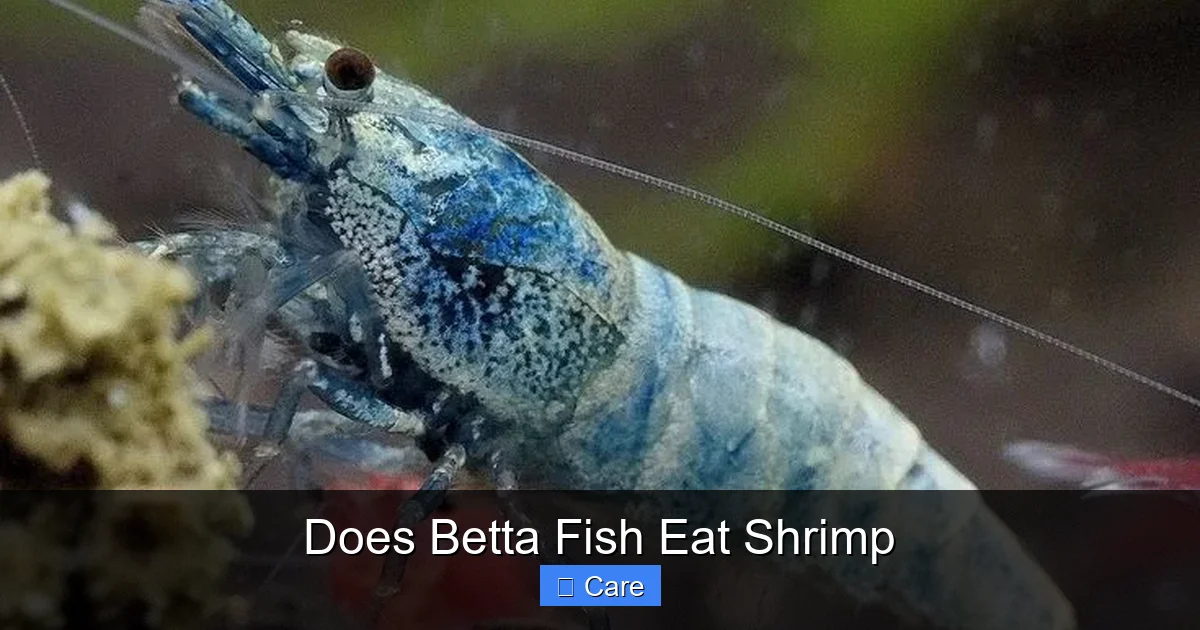
Yes, betta fish can and will eat shrimp, but with critical caveats. Whether a betta will actually consume a shrimp depends heavily on the shrimp’s size, the betta’s individual temperament, and the tank environment. Small shrimp like cherry shrimp are often seen as food or threats, while larger ghost shrimp might be tolerated as tank cleaners. Success requires careful selection, proper tank setup with ample hiding spots, and a slow, monitored introduction process. Always prioritize a high-quality staple diet and consider shrimp as an occasional supplement or enrichment, not a primary food source.
So, you’ve got a beautiful, flaring betta fish in a tank, and you’re thinking about adding some tiny, scurrying companions. Maybe you’ve seen stunning red cherry shrimp in other tanks or heard about ghost shrimp being great cleaners. The question inevitably pops up: does betta fish eat shrimp? It’s a fantastic question because the answer isn’t a simple yes or no—it’s a nuanced “it depends.” As a betta owner, understanding these nuances is the difference between creating a thriving community tank and setting up a costly, stressful buffet for your pet. Let’s dive deep into the carnivorous world of the Siamese fighting fish and its relationship with these little crustaceans.
Betta splendens, in their natural rice paddy habitats, are opportunistic micro-predators. They eat insect larvae, tiny crustaceans, and small aquatic insects that land on the water’s surface. Shrimp, being crustaceans, fit perfectly into that natural food web. This innate instinct doesn’t vanish in captivity. Your betta’s brain is wired to see small, moving, shrimp-like things as potential food. However, a betta in a spacious, complex environment with a full belly is less likely to go on a hunting rampage than a bored betta in a sparse, small tank. The goal is to manage that instinct, not eliminate it.
Key Takeaways
- The answer is “Yes, but…”: Betta fish are carnivorous and will eat shrimp if they can catch them, but success is not guaranteed and depends on multiple factors.
- Shrimp size matters immensely: Very small shrimp (like baby cherry shrimp) are almost always eaten. Larger, full-grown shrimp (like some ghost shrimp varieties) have a better chance of coexistence.
- Your betta’s personality is key: Some bettas are aggressive hunters and will eat any shrimp. Others are more laid-back and may ignore them, especially in a spacious, well-planted tank.
- Tank setup is non-negotiable: A heavily planted tank with caves, driftwood, and dense foliage is essential to provide shrimp with escape routes and reduce stress for both animals.
- Introduction must be slow and monitored: Never just drop shrimp in. Use a breeder box or divider for a week to let them see each other, and always observe the first few hours closely for aggression.
- Shrimp are a supplement, not a staple: Even if successful, shrimp should only be a small part of a betta’s diet, which should primarily consist of high-quality pellets, frozen, or live foods like daphnia.
- Not all shrimp are created equal: Cherry shrimp are colorful but small and vulnerable. Ghost/glass shrimp are larger, better cleaners, but their transparency can make them targets. Amano shrimp are often too big for bettas to bother.
📑 Table of Contents
Understanding Your Betta’s Natural Instincts and Diet
Before we talk shrimp, we must talk betta. Viewing your betta as a simple pet is a mistake; viewing it as a small, intelligent predator with specific needs is the key to success. Their diet in the wild is varied and protein-rich. This directly translates to their behavior in your aquarium.
The Carnivorous Nature of Betta Fish
Betta fish are not plant-eaters. They lack the long digestive tract required to process vegetable matter efficiently. Their short guts are designed for breaking down animal protein quickly. This is why you see so many “betta pellets” marketed—they’re formulated to mimic this high-protein diet. A betta fed a poor, plant-based diet will be malnourished and more likely to exhibit strange, aggressive behaviors, including relentless hunting of any tankmate, shrimp included. A well-fed betta is a more predictable betta.
Are Bettas Considered Aggressive or Just Curious?
The infamous “betta aggression” is often misinterpreted. That dramatic flaring at its own reflection is a territorial display, not necessarily a sign it will kill every creature that moves. Much of a betta’s interaction with shrimp starts as intense curiosity. It will follow the shrimp, nudge it, and try to figure out what this strange, moving thing is. For a small shrimp, this “investigation” is often fatal. For a larger, faster shrimp, it might just be annoying. The line between “prey” and “tankmate” is very fine and drawn by the shrimp’s ability to evade and the betta’s hunger/curiosity level.
The Shrimp Lineup: Which Species Have a Chance?
Not all shrimp are equal in the eyes of a betta. Size, speed, and behavior are the three pillars determining a shrimp’s survival odds. Let’s meet the common contenders.
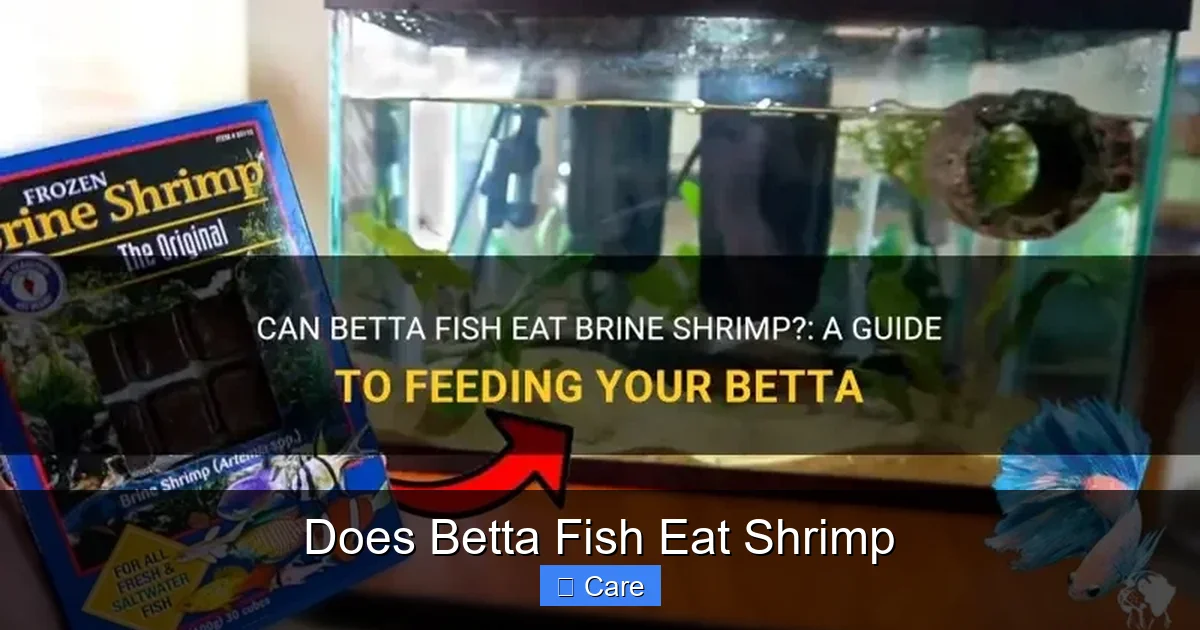
Visual guide about Does Betta Fish Eat Shrimp
Image source: petshun.com
Cherry Shrimp (Neocaridina davidi)
The vibrant red, tiny cherry shrimp is the most popular and the most vulnerable. At 1-1.5 inches fully grown, they are the perfect size for a betta’s mouth. Their bright red color can actually make them more conspicuous, triggering a betta’s predatory response. Cherry shrimp are generally considered a food source, not a companion, for most bettas. You might get lucky with a particularly docile betta in a huge, heavily planted tank, but you should expect that many, if not all, of your cherry shrimp will be eaten over time. They are excellent breeders, so you might see a cycle of shrimp appearing and then disappearing. If you want to try, start with a large group (10-15) to give some a chance to reproduce and establish a hidden population.
Ghost Shrimp / Glass Shrimp (Palaemonetes spp.)
These are the classic “cleaner” shrimp you see in pet stores. They are larger, often reaching 2 inches or more. Their translucent bodies are a double-edged sword. On one hand, they are harder for the betta to see, especially against a busy background of plants and décor. On the other hand, their constant, frantic movement can scream “prey!” to a bored betta. Ghost shrimp are hardy, excellent at eating leftover food and algae, and can sometimes coexist if they are large enough to not fit in the betta’s mouth and the tank is spacious. Their tendency to molt (shed their exoskeleton) leaves behind a soft, calcium-rich shell that bettas absolutely love to eat—this can be a positive enrichment or a reason for the betta to start hunting the living shrimp.
Amano Shrimp (Caridina multidentata)
The Amano shrimp is the heavyweight champion of the planted tank. They can grow up to 2.5-3 inches. At that size, they are simply too big for almost any betta to consider as prey. They are also incredibly fast and skittish. Amanos are primarily algae eaters and are fantastic at cleaning hair algae off leaves. Their size and different behavior profile make them the best candidate for cohabitation with a betta. They will actively avoid the betta, and the betta will usually ignore them as they are not a feasible meal. They are the safest bet for a true “clean-up crew” alongside a betta.
Other Considerations: Bamboo Shrimp & Vampire Shrimp
These are filter-feeding giants, growing 4-5 inches. They are completely incompatible with bettas not because the betta will eat them (it can’t), but because they are extremely delicate. Their long, feathery feeding appendages are irresistible targets for a curious betta to nip at, causing injury and infection. They also require specific water flow to feed, which is hard to provide in a small betta tank. They are best kept in species-only or very peaceful, large community tanks.
The Crucial Role of Tank Setup and Environment
You can have the most peaceful betta and the largest shrimp species, but if the tank is a barren 5-gallon cube, it will likely end in tragedy. The environment is your most powerful tool for managing betta-shrimp dynamics.
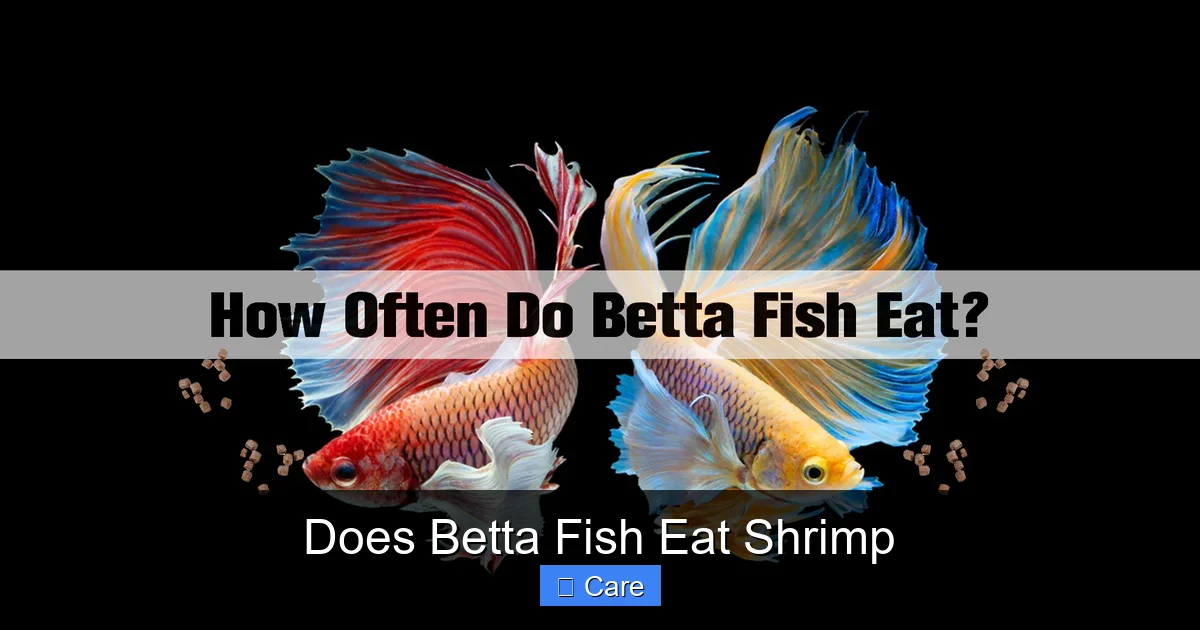
Visual guide about Does Betta Fish Eat Shrimp
Image source: jvbettafishforsale.com
Space is the First Rule
Minimum tank size for a betta with *any* potential tankmate, including shrimp, is 10 gallons. A 5-gallon tank is the absolute, bare minimum for a *single* betta with no other creatures. In a 10+ gallon tank, the betta’s territory is larger, the shrimp have more room to establish territories and hiding spots, and the betta is simply less able to corner and harass the shrimp. The extra water volume also dilutes any aggression-related stress hormones.
Plant Cover: The Shrimp’s Sanctuary
This is non-negotiable. You need dense, tall plants. Think Java moss, Java fern, Anubias tied to driftwood, Cryptocorynes, and a carpet of Dwarf Hairgrass or Monte Carlo. Floating plants like Frogbit or Duckweed are also fantastic, as they break the line of sight from the surface (where bettas patrol) down to the mid-levels and substrate (where shrimp forage). The more three-dimensional complexity you create, the more routes a shrimp has to escape a patrolling betta. A bare tank with a few plastic plants is a death trap for shrimp.
Hardscape and Hiding Spots
In addition to plants, provide physical structures. Driftwood with nooks and crannies, caves (like those made from coconut halves or ceramic pots), and rock piles with gaps are essential. These give shrimp places to molt safely (molting shrimp are extremely vulnerable) and to sleep during the day when bettas are most active. A shrimp that can vanish into a cave when the betta approaches stands a much better chance.
The Art of Introduction: A Step-by-Step Guide
Dumping shrimp into your betta’s established territory is the fastest way to create a massacre. The introduction process is about reducing the immediate “prey/predator” trigger and allowing both animals to acclimate to each other’s presence as non-threatening.
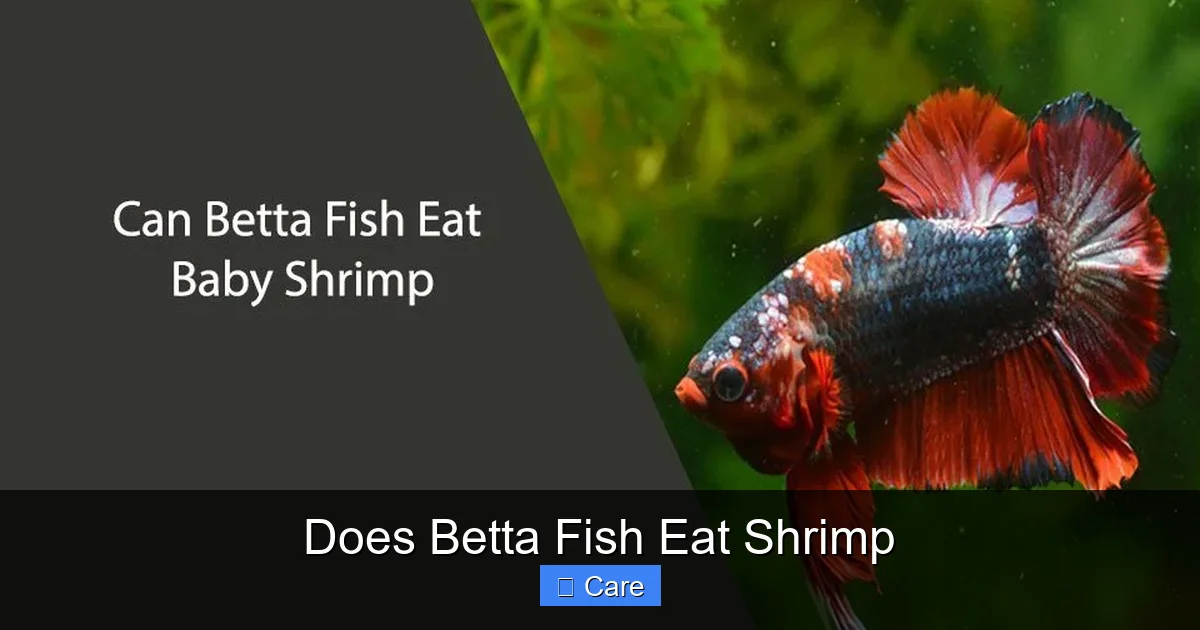
Visual guide about Does Betta Fish Eat Shrimp
Image source: efindanything.com
Step 1: Acclimate the Shrimp Properly
This is standard for any aquatic invertebrate. Float the bag in the tank for 15-20 minutes to equalize temperature. Then, slowly drip-acclimate the tank water into the shrimp bag over 1-2 hours using airline tubing and a knot to control flow. Shrimp are sensitive to water parameter swings (pH, GH, KH). A shocked shrimp is a slow shrimp, making it an easy target.
Step 2: Use a Breeder Box or Divider (The Quarantine Method)
Place the newly acclimated shrimp in a clear breeder box or mesh divider inside the main tank for 3-7 days. This allows your betta to see the shrimp constantly without being able to physically interact. The betta may flare and investigate, but it will learn that the shrimp are not an immediate threat or food that it can access. The shrimp also gets to see the betta and learn its patterns. This visual desensitization period is incredibly valuable.
Step 3: The First Release and Observation
After the divider period, release the shrimp into the main tank in the evening or when the lights are dim. Do it near a complex planting area or hiding spot. You must watch for at least the first 1-2 hours. Sit by the tank. Note the betta’s behavior. Is it obsessively chasing? Is it flaring and nipping? Or is it curious but not aggressive? If the chase is relentless and the shrimp is visibly stressed or injured, you may need to intervene and re-home the shrimp. If the betta gives a few curious nips and then loses interest, that’s a very good sign.
Step 4: Long-Term Monitoring
For the first week, monitor daily. Check for missing shrimp (they could be hiding successfully, or they could be gone). Look for shed shrimp exoskeletons—this is normal molting and a good sign they are alive. Watch the betta’s behavior around plant cover. If it’s hovering near shrimp hiding spots constantly, trouble may be brewing. Be prepared to remove the shrimp if the betta’s fixation doesn’t wane after a few days.
Feeding Your Betta: Shrimp as a Supplement, Not a Meal
Even in a successful betta-shrimp coexistence, you must manage expectations about feeding. Your betta’s primary nutrition should come from high-quality sources.
The Staple Diet: Pellets and Frozen Foods
A good betta pellet (with 30-40% protein and whole ingredients like fish or squid) should be the foundation. Feed 2-3 pellets once or twice a day, only what it can eat in 2 minutes. Supplement 2-3 times a week with high-protein frozen foods: brine shrimp, bloodworms, or daphnia. This provides essential nutrients and variety. Daphnia is especially good as it has a laxative effect, helping to prevent constipation from a pellet-heavy diet.
Where Do Live/Fresh Shrimp Fit In?
If you have a thriving colony of ghost or Amano shrimp, your betta might occasionally catch and eat one. This is natural and provides enrichment. You should not rely on this as a feeding strategy. If you want to feed shrimp intentionally, you can offer frozen brine shrimp (the tiny kind) or blanched, peeled pieces of raw shrimp (like from the grocery store) as an occasional treat. The shrimp living in your tank are part of the ecosystem, not a scheduled meal. Their role as cleaners (eating detritus, uneaten food) is their primary value.
Signs of a Poor Diet
A betta on a bad diet (too many carbs, not enough protein) will have faded colors, lethargy, clamped fins, and may become hyper-focused on any moving object in the tank—including your hand or a floating leaf. It will view the shrimp not as a neighbor, but as a desperate food source. Fix the diet first, then reassess the tankmate situation.
Common Mistakes and Final Recommendations
Let’s review the pitfalls that doom most betta-shrimp experiments.
Mistake 1: Starting with a Small, Bare Tank
This is the #1 reason for failure. No amount of “nice” betta personality can overcome the lack of escape routes in a 5-gallon tank with two plastic plants. If you want shrimp, upgrade your tank first.
Mistake 2: Assuming Your Betta is “Nice”
You might see your betta calmly flare at its reflection and think it’s mellow. That’s territorial aggression, not predatory drive. The second a small, shrimp-sized thing darts past, that instinct can kick in. Never assume based on behavior with other objects.
Mistake 3: Introducing Shrimp to a New or Stressed Betta
Is your betta new to the tank (last 2-3 weeks)? Is it recovering from illness (like fin rot)? Is the water quality poor? These are all times of stress where a betta will be more reactive and aggressive. Wait until your betta is fully settled, healthy, and eating consistently before adding any invertebrate.
Mistake 4: Using the Wrong Shrimp Species
Starting with expensive, delicate Caridina shrimp (like Crystal Red Shrimp) in a betta tank is a recipe for heartbreak and financial loss. They have precise water parameter needs and are very small. Start with hardy Neocaridina (cherry shrimp) if you’re experimenting, but know they are likely food. For a real chance, use large, hardy Amano shrimp.
Final Verdict: Can a betta fish live with shrimp? Yes, but it’s a calculated risk, not a guarantee. Your highest probability of success involves: a 10+ gallon heavily planted tank, a generally calm betta (you can sometimes gauge this by its reaction to a reflection—obsessive, constant flaring is a bad sign), and the use of large, fast shrimp like Amanos. Even then, you must be prepared for the possibility that one day, your betta will finally catch that shrimp it’s been eyeing. The most important takeaway is to provide an environment that meets the betta’s needs first. A bored, hungry, or stressed betta in a poor environment will almost certainly view any shrimp as food. A well-fed betta in a spacious, complex tank might just view them as interesting, fast-moving scenery.
Frequently Asked Questions
Can I feed my betta live shrimp from the pet store?
Yes, you can feed your betta live brine shrimp or mysis shrimp as a tasty, enriching treat 1-2 times a week. These are small, nutrient-rich, and encourage natural hunting behavior. Do not rely on them as a staple diet. Always source live foods from a reputable supplier to avoid introducing diseases into your main tank.
Are cherry shrimp completely hopeless with bettas?
Not completely hopeless, but very high risk. In a large, heavily planted tank (20+ gallons) with a particularly docile betta, a colony of cherry shrimp might survive and even breed. However, you must go into it with the expectation that many will be eaten. They are best for experienced keepers who enjoy the “hunt” aspect and are okay with a fluctuating shrimp population.
What’s the real benefit of ghost shrimp if my betta might eat them?
Ghost shrimp are incredibly cheap and hardy. They serve as excellent “canaries in the coal mine” for water quality—if they die suddenly, it’s often a parameter issue. They also actively clean the tank by eating detritus and uneaten food. Even if your betta eats one occasionally, you’ve likely gotten a week or two of cleaning service from it. Their low cost makes them a good, low-stakes trial shrimp.
How often should I actually feed my betta if I have shrimp in the tank?
Feed your betta its normal high-quality pellet diet once or twice daily, only what it consumes in 2 minutes. The shrimp will help clean up any tiny bits that miss the betta’s mouth. Do not overfeed to “make the betta less hungry” for shrimp—overfeeding fouls the water and causes more health problems. A well-fed betta on a proper schedule is less likely to hunt obsessively.
My betta is chasing the shrimp constantly. What do I do?
Constant, relentless chasing is a sign of high stress or aggression. First, ensure your tank is large enough and has ample hiding spots. If the behavior persists for more than 24-48 hours after introduction, you likely have an incompatible betta. You should have a backup plan: a separate “shrimp-only” tank or a breeder box inside the main tank (with good flow and filtration) where the shrimp can live permanently, visible but protected.
Will my betta eat the molted shells of my shrimp?
Absolutely, and this is generally a good thing! Betta fish love to peck at soft, mineral-rich molted shells. It provides them with calcium and other minerals. The shrimp will also often eat their own molts to recycle the valuable minerals. Seeing your betta munching on a molted shell is a normal, healthy behavior and not a sign it is hunting the live shrimp.