What Fish Can Live with a Male Betta
Looking to add tank mates for your male betta? Not all fish get along with these feisty fighters. This guide breaks down the best companions, ideal tank conditions, and practical tips to keep everyone happy and healthy.
Key Takeaways
- Temperament matters: Choose peaceful, fast‑swimming species that won’t trigger the betta’s aggression.
- Tank size is crucial: A minimum of 10‑20 gallons gives enough room for territories and hiding spots.
- Water parameters must match: Keep temperature, pH, and hardness consistent for both betta and mates.
- Introduce slowly: Acclimate new fish gradually and watch for signs of stress.
- Avoid fin‑nippers: Skip long‑finned or bright‑colored fish that may be mistaken for another betta.
- Provide cover: Plants, caves, and driftwood reduce stress and prevent bullying.
- Monitor daily: Regular observation catches problems before they become serious.
📑 Table of Contents
Introduction: The Betta’s Reputation and the Quest for Tank Mates
Male bettas (Betta splendens) are famous for their vivid colors and dramatic flares. In the wild they defend tiny rice paddies, fighting any intruder that crosses their line. That fierce instinct carries over to the home aquarium, leading many hobbyists to keep them alone.
But a solitary betta can feel lonely, and a larger community tank looks more natural. The good news? With the right choices, a male betta can share a peaceful home with several other fish. This article walks you through the science of compatibility, the best species to consider, and the tank setup tricks that keep the peace.
Understanding Male Betta Behavior
Why Male Bettas Are Territorial
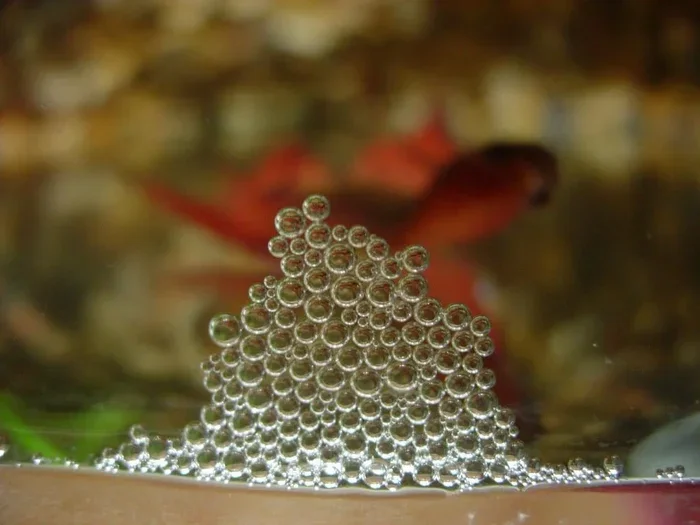
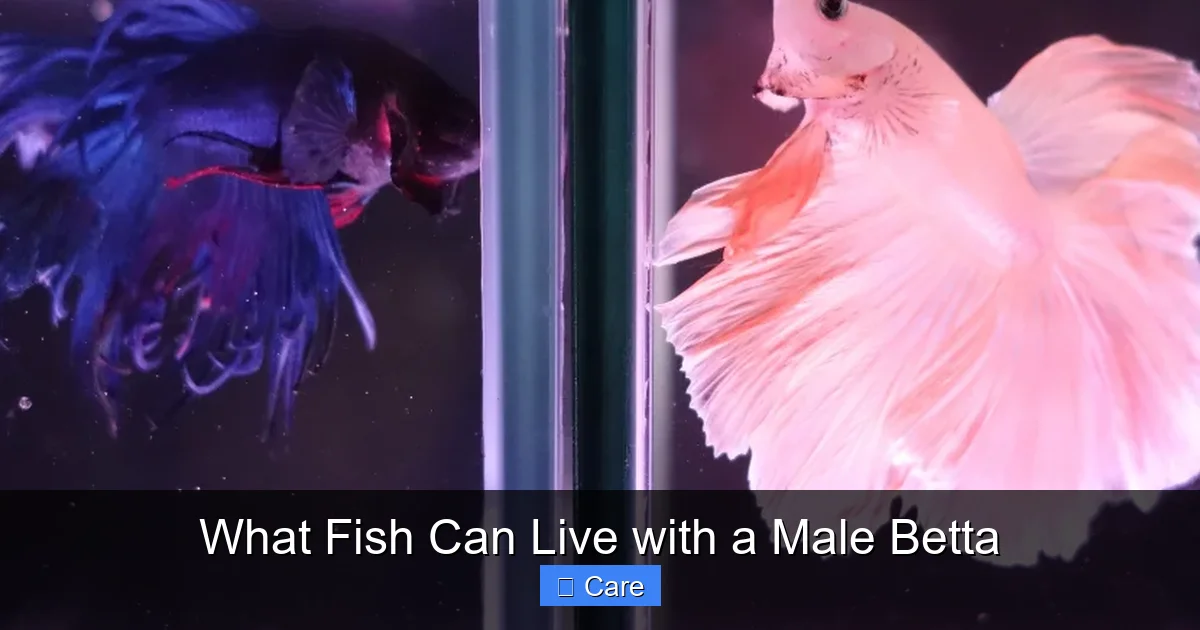
Male bettas guard a small area called a bubble nest where they lure a female to breed. Any fish that resembles a rival – especially another bright, long‑fin male – triggers a defensive response. The behavior is visual (flaring, color changes) and physical (nipping, charging).
Visual guide about What Fish Can Live with a Male Betta
Image source: bettafishnest.com
What Triggers Aggression?
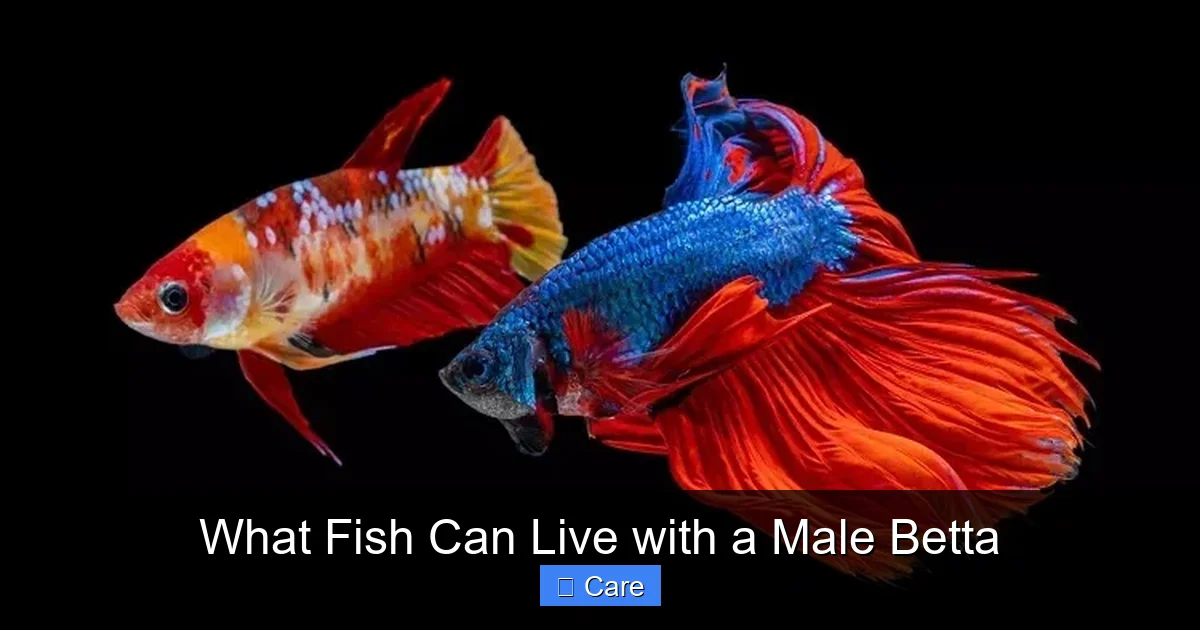
- Similar coloration: Red, blue, or purple hues can be mistaken for a rival.
- Flowing fins: Long, flowing tails look like a betta’s own fins.
- Small, slow swimmers: They linger in the betta’s space, inviting confrontation.
How to Read Betta Body Language
When a betta inflates its gills, spreads its fins, or swims erratically, it’s warning you. A quick “spike” into the water surface is a classic sign of agitation. Recognizing these cues early helps you intervene before a fight escalates.
Setting Up the Tank for Harmony
Size and Layout
Even the most peaceful community needs room to breathe. Aim for a minimum of 10 gallons for a single male betta with a few small tank mates. Larger tanks (20‑30 gallons) provide more visual barriers and reduce territorial disputes.
Visual guide about What Fish Can Live with a Male Betta
Image source: japanesefightingfish.org
Water Parameters
Match the betta’s native conditions:
- Temperature: 76‑82°F (24‑28°C)
- pH: 6.5‑7.5
- Hardness: 5‑20 dGH
Keeping these stable for all inhabitants prevents stress‑induced aggression.
Filtration and Flow
Bettas prefer calm water. Use a gentle sponge filter or a low‑flow hang‑on‑back (HOB) unit. Strong currents can exhaust a betta and also make slower fish appear weak, inviting bullying.
Plants, Hides, and Decorations
Live plants such as Java fern, Anubias, and Amazon swords not only improve water quality but also create vertical layers. Add driftwood, smooth rocks, and ceramic caves for shy fish to retreat. The more hiding places, the less chance the betta will feel threatened.
Top Compatible Fish Species
1. Neon Tetras (Paracheirodon innesi)
These tiny, fast swimmers flash bright blue and red, but their size and schooling behavior keep them out of the betta’s line of sight. Keep them in groups of six or more to reduce stress.
Visual guide about What Fish Can Live with a Male Betta
Image source: fishlab.com
2. Harlequin Rasboras (Trigonostigma heteromorpha)
Harlequins are peaceful, mid‑level swimmers with a striking black‑orange pattern. Their active nature and moderate size (1‑1.5”) make them excellent companions.
3. Ember Tetras (Hyphessobrycon amandae)
At just 0.5 inches, these orange sparks move quickly and blend into planted tanks. Their gentle disposition means the betta rarely notices them.
4. Corydoras Catfish (Corydoras spp.)
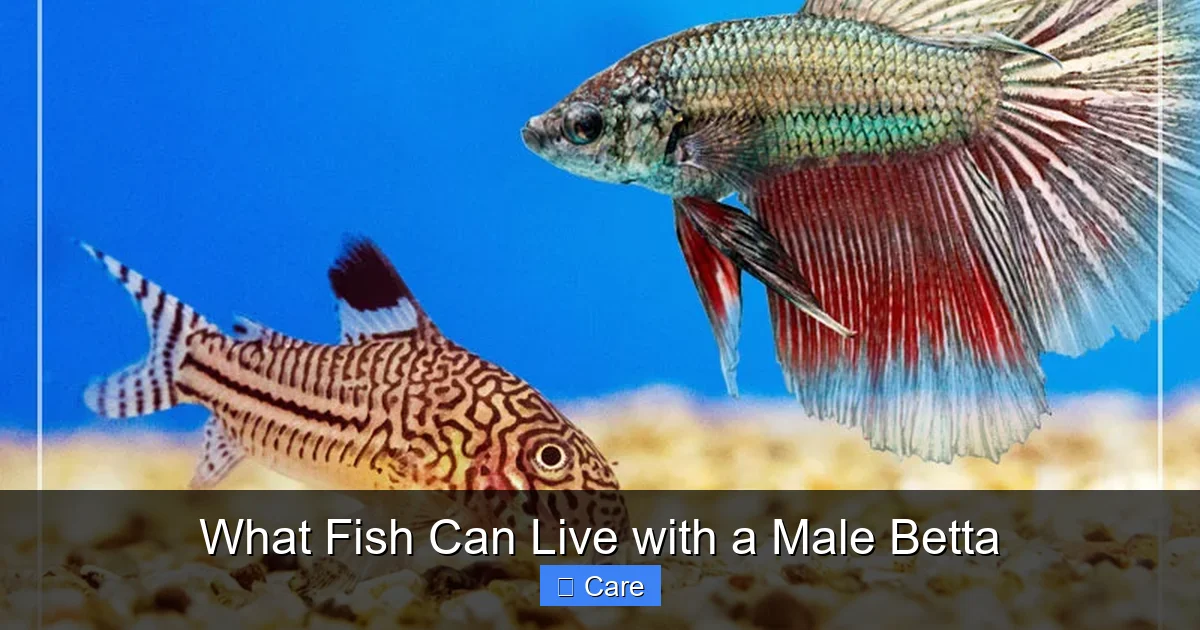
Bottom‑dwelling “clean‑up crew” catfish stay out of the betta’s vertical territory. Choose smaller species like Corydoras panda or peppered cory to avoid size mismatches.
5. Kuhli Loaches (Pangio kuhlii)
These eel‑like fish hide in sand and driftwood, rarely crossing the betta’s visual field. They’re great for scavenging leftover food.
6. Otocinclus Catfish (Otocinclus spp.)
Known as “Otos,” these algae eaters are tiny (1‑1.5”) and very peaceful. A small group will keep the tank clean without bothering the betta.
7. Ghost Shrimp & Cherry Shrimp
While not fish, shrimp add movement and help clean the tank. Provide plenty of plant cover so the betta doesn’t mistake them for a snack.
Species to Avoid
- Other male bettas – inevitable fights.
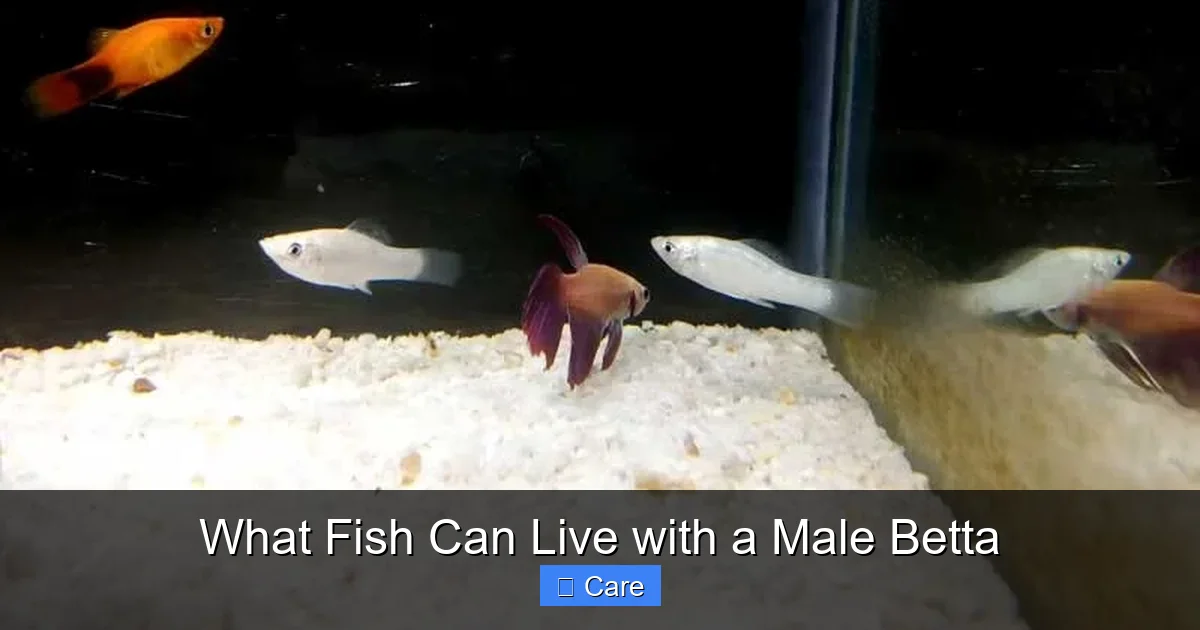
- Guppies, swordtails, or any long‑fin, brightly colored fish.
- Slow, bottom‑dwelling fish with flowing fins (e.g., fancy goldfish).
- Fin‑nipping species like tiger barbs.
How to Introduce New Tank Mates
Quarantine First
Always quarantine new fish for at least two weeks. This prevents disease spread and lets you observe their temperament.
Gradual Acclimation
Use the “drip method” to match water parameters slowly. Once temperatures align, release the new fish into a separate container inside the tank for 15 minutes, then gently lower them in.
Observe the First 48 Hours
Watch for flaring, chasing, or fin damage. If aggression occurs, be ready to move the offending fish to a breeder tank or provide additional hiding spots.
Adjust Lighting and Feeding
Dim the lights for the first day to reduce visual stress. Feed both the betta and its mates at opposite ends of the tank to avoid competition.
Maintaining a Peaceful Community
Regular Water Changes
Change 25% of the water weekly to keep nitrate levels low. Stable water chemistry reduces stress for all occupants.
Feeding Strategies
Offer a varied diet: high‑quality betta pellets, frozen brine shrimp, and micro‑worms for the betta; finely crushed flakes or specialized foods for tetras and rasboras. Feed small portions 2‑3 times daily.
Spot‑Cleaning and Trimming
Remove dead leaves and trim overgrown plants weekly. This prevents hiding spots from becoming ambush zones for the betta.
Monitoring Growth and Size
As tank mates mature, they may outgrow the betta’s tolerance. Re‑evaluate compatibility every 3‑4 months, especially with fast‑growing species like rasboras.
Conclusion: A Balanced Aquarium Is Possible
Keeping a male betta with other fish is not a myth—it just requires knowledge, preparation, and patience. By choosing fast‑moving, non‑aggressive species, providing ample space and hiding places, and watching the dynamics daily, you can create a vibrant community where the betta shines without unnecessary fights.
Remember, every betta has a unique personality. If you notice persistent aggression despite best efforts, it may be kinder to give the betta a solo setup. Either way, your dedication to a harmonious tank will reward you with a colorful, lively aquarium that’s a joy to watch.
Frequently Asked Questions
Can I keep a male betta with guppies?
Generally no. Guppies have bright, flowing tails that a male betta often mistakes for a rival, leading to aggression.
How many neon tetras can I add to a 10‑gallon tank with a betta?
Six to eight neon tetras work well. Keep them in a tight school so they feel secure and stay out of the betta’s territory.
Do bettas get stressed by live plants?
No, live plants actually reduce stress by offering cover and improving water quality. Choose hardy varieties like Java fern or Anubias.
What is the best way to stop a betta from nipping at other fish?
Provide more vertical space and hiding spots, and ensure tank mates are fast swimmers that stay away from the betta’s core area.
Is it okay to keep a betta with dwarf shrimp?
Yes, as long as there are plenty of plants or decorations for the shrimp to hide in. Some bettas may still try to eat them, so monitor closely.
How often should I rearrange decorations to keep peace?
Every 4‑6 weeks can help reset territories and reduce boredom, but avoid drastic changes that could stress the betta.