Can Betta Fish Live in a Bowl Without Filter
No, betta fish cannot healthily live in a small, unfiltered bowl. The popular image of a betta in a vase is a dangerous myth. Bowls lack the water volume to dilute toxins, have no surface agitation for oxygenation, and provide an unstable environment that severely shortens a betta’s lifespan and causes chronic stress. A proper, filtered, heated tank of at least 5 gallons is non-negotiable for their welfare.
Key Takeaways
- Bowls are biologically impossible for bettas: The tiny water volume in a bowl cannot process the fish’s waste, leading to rapid, lethal ammonia spikes.
- Surface area is critical for breathing: Bettas are labyrinth fish that need access to atmospheric air. Still bowl water prevents oxygen exchange at the surface, suffocating them.
- Temperature stability is a myth in bowls: Without a heater and thermal mass, bowl water temperatures fluctuate wildly with room air, causing deadly stress and immune suppression.
- Filtration is not optional: A filter hosts beneficial bacteria that convert toxic fish waste into less harmful substances (the nitrogen cycle), which cannot establish in a bowl.
- Chronic stress in bowls leads to disease: Constant exposure to poor water quality and incorrect parameters weakens a betta’s immune system, making them susceptible to fin rot, dropsy, and velvet.
- A 5+ gallon filtered tank is the absolute minimum: This provides enough water volume, stable parameters, and space for a betta to thrive, not just survive.
- Proper betta care is simple and affordable: Setting up a real aquarium is easier and less expensive than many think, and it directly translates to a vibrant, healthy, interactive pet.
📑 Table of Contents
- The Sad, Sedentary Life in a Bowl: A Betta’s Reality
- The Biological Non-Negotiables: What a Betta Actually Needs
- Water Quality: The Unseen Crisis of the Bowl
- Temperature: The Silent Killer in the “Room-Temperature” Bowl
- Space and Enrichment: The Psychological Need
- The Correct, Humane, and Simple Alternative
- Conclusion: Choosing Compassion Over Convenience
The Sad, Sedentary Life in a Bowl: A Betta’s Reality
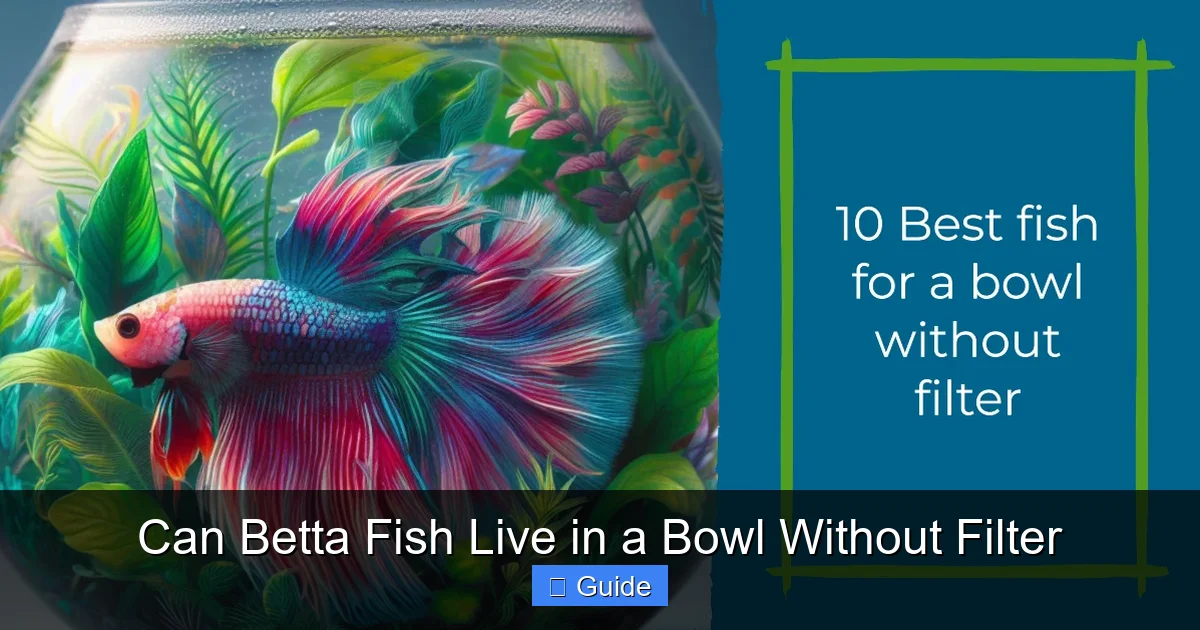
Picture it: a small, ornate glass bowl on a desk or windowsill. Inside, a single, brilliantly colored betta fish floats listlessly, its long fins dragging. This iconic image has sold countless “betta in a bowl” kits and cemented a tragic misconception in the pet-keeping world. The question “Can betta fish live in a bowl without a filter?” is often asked with a hope for a simple, low-maintenance answer. The hard, scientific truth is a resounding no. A betta fish cannot live a healthy, full life in an unfiltered bowl. What we often mistake for “living” is actually a slow, stressful decline into sickness and an early grave. This guide will dismantle the bowl myth piece by piece, explaining exactly why this setup is incompatible with betta biology and what you can do instead to provide a vibrant, thriving home for your fish.
Let’s be clear: a betta *can* physically exist in a bowl for a period of time. It might survive for weeks or even a few months. But survival is not the same as thriving. It is not the same as welfare. Keeping a betta in a bowl is akin to keeping a dog in a small, unventilated closet with no clean water or food for days—it’s a fundamental failure to meet the animal’s most basic needs. The bowl is not a habitat; it’s a holding cell with a slow expiration date.
The Biological Non-Negotiables: What a Betta Actually Needs
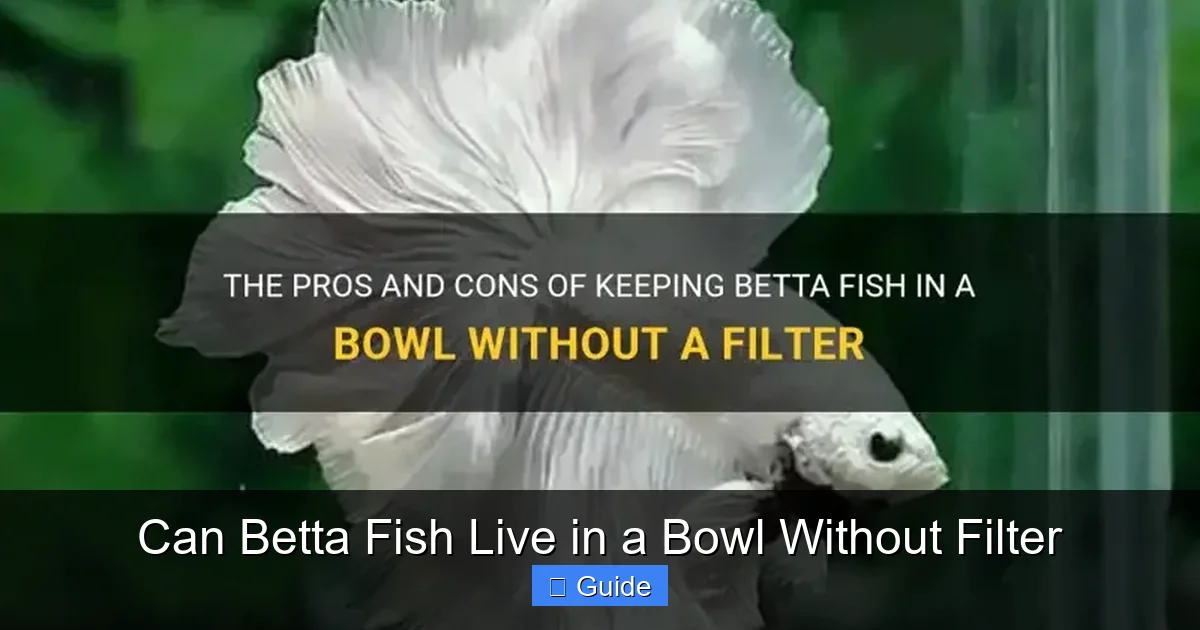
To understand why a bowl fails, we must first understand what a betta fish, scientifically known as Betta splendens, requires at a biological level. These are not simple, “hardy” creatures that tolerate neglect. They are complex animals with specific environmental demands evolved from the shallow, warm, vegetated waters of Thailand’s rice paddies and streams. Those natural habitats, while sometimes small in width, are vast in volume, teeming with plant life, and part of a dynamic, stable ecosystem. A glass bowl is the absolute antithesis of this.
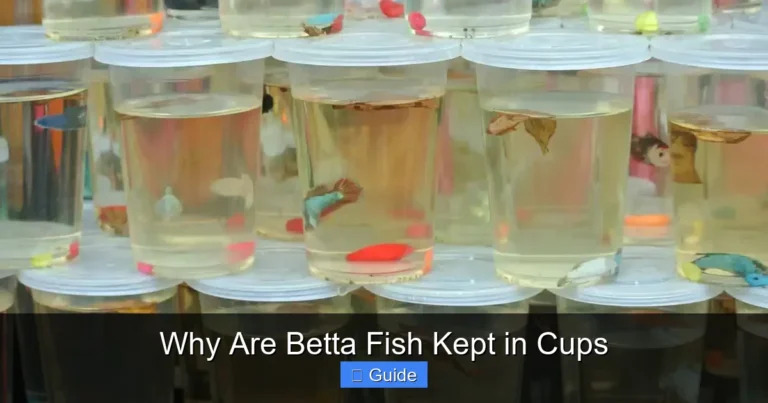
Visual guide about Can Betta Fish Live in a Bowl Without Filter
Image source: petshun.com
The Labyrinth Organ: Why Still Water is a Death Trap
Bettas belong to a special family of fish called anabantoids. Their key evolutionary adaptation is the labyrinth organ, a fleshy, breathing structure located above the gills. This organ allows them to gulp air directly from the atmosphere. This is why you often see them darting to the surface. In a still, unfiltered bowl, a critical problem arises: surface stagnation. Without water movement—from a filter, an air stone, or even a gentle powerhead—a thin, stagnant layer forms at the water’s surface. This layer acts like a film, severely inhibiting the vital exchange of oxygen from the air into the water and carbon dioxide out of the water. A betta can gulp air all day, but if that air isn’t being replenished with oxygen at the surface, it’s breathing in a depleted atmosphere. This leads to oxygen deprivation (hypoxia), where the fish becomes lethargic, gasps constantly at the surface, and eventually suffocates. A filter’s outflow or a simple air pump creates this essential surface agitation, breaking that stagnant layer and ensuring the betta’s labyrinth organ receives the oxygen-rich air it needs to survive.
The Nitrogen Cycle: The Invisible Killer in Your Bowl
This is the single most important concept in fishkeeping, and it’s why a bowl is a ticking time bomb. The nitrogen cycle is the natural biological process that breaks down fish waste. Your betta eats, poops, and breathes out ammonia (NH3/NH4+). Ammonia is extremely toxic, even at low concentrations. In a properly cycled aquarium, beneficial bacteria (Nitrosomonas) colonize the filter media and surfaces, converting ammonia into nitrite (NO2-). A second set of bacteria (Nitrospira) then converts the still-toxic nitrite into nitrate (NO3-), which is far less harmful and can be removed by water changes or live plants. This cycle cannot establish in a bowl. The water volume is so minuscule (often 1-2 gallons) that any amount of ammonia produced immediately reaches lethal concentrations. There is no surface area for bacteria to colonize. The water changes you might do weekly are a temporary, frantic band-aid on a gaping wound. You are constantly fighting a losing battle against ammonia poisoning, which burns a fish’s gills, damages internal organs, and causes immense pain and stress. In a cycled, filtered tank, the bacteria handle this 24/7, keeping ammonia and nitrite at zero.
Water Quality: The Unseen Crisis of the Bowl
Beyond the nitrogen cycle, a bowl is a masterclass in unstable water chemistry. Several key parameters swing wildly in this tiny system, each one a source of stress for your betta.
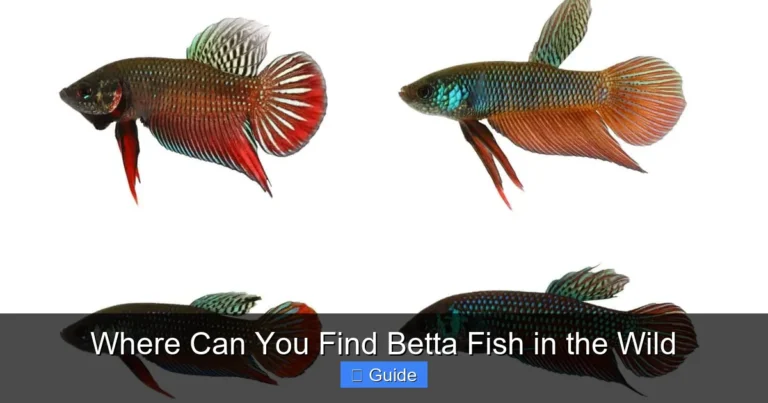
Visual guide about Can Betta Fish Live in a Bowl Without Filter
Image source: aniimad.com
pH Crashes and Parameter Swings
pH measures how acidic or alkaline water is. In a bowl, the addition of a single piece of food, a betta’s waste, or even the natural respiration of the fish can cause dramatic pH swings. Bettas prefer a stable, slightly acidic to neutral pH (around 6.5-7.5). A sudden drop (a “pH crash”) can be fatal. In a larger, filtered tank with proper buffering (from substrate, rocks, or water changes), pH remains remarkably stable. The same goes for other parameters like hardness and carbonate hardness (KH), which act as a buffer against pH changes. A bowl has no buffer. It’s a chemical rollercoaster your betta cannot exit.
The Myth of “Easy” Water Changes
Proponents of bowl-keeping often say, “Just do 100% water changes every few days.” This advice is disastrous. First, a 100% water change in a bowl means you are removing all trace of the fish’s own scent and any beneficial bacteria that might have tenuously started to grow. This resets any chance of cycle development and causes severe shock from the complete change in temperature, pH, and mineral content of the new water. Second, it’s impractical and cruel. You are essentially uprooting the fish’s entire world multiple times a week. Proper water changes in a cycled tank involve replacing 25-50% of the water weekly, which dilutes nitrates and replenishes minerals while leaving the stable, cycled environment and beneficial bacteria intact. The bowl makes this proper approach impossible.
Temperature: The Silent Killer in the “Room-Temperature” Bowl
Bettas are tropical fish. They require a constant water temperature between 78°F and 80°F (25.5°C – 26.5°C). This is not a suggestion; it is a physiological requirement for their immune system, metabolism, and digestion. A bowl sitting on a desk or shelf is subject to the ambient room temperature. A cool night, an air conditioning vent, or a draft from a window can drop the bowl’s temperature by several degrees in hours. Conversely, a sunny windowsill can cause dangerous, rapid heating. These fluctuations cause severe thermal stress. A stressed betta’s immune system shuts down, making it vulnerable to diseases like Ich (white spot disease) or fungal infections. A small volume of water (like in a bowl) heats and cools much faster than a larger volume. A 5-gallon tank with a properly sized heater and a lid acts as a thermal battery, resisting these rapid changes and providing the stable warmth a betta needs to be active, colorful, and healthy. A heater is not a luxury in a betta tank; it is as essential as water itself.
Space and Enrichment: The Psychological Need
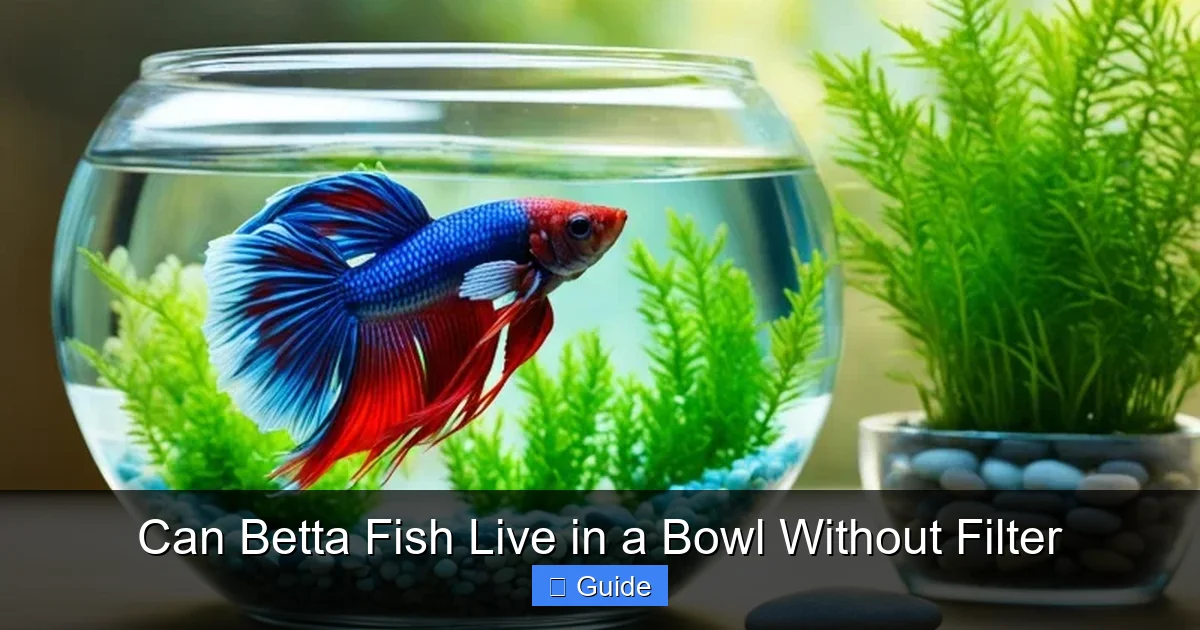
Fish are not inanimate objects. They experience stress, boredom, and fear. A small, bare bowl is a sensory deprivation tank. It offers no escape from the glare of the lights, no place to hide, no stimulation, and no room to exhibit natural behaviors.
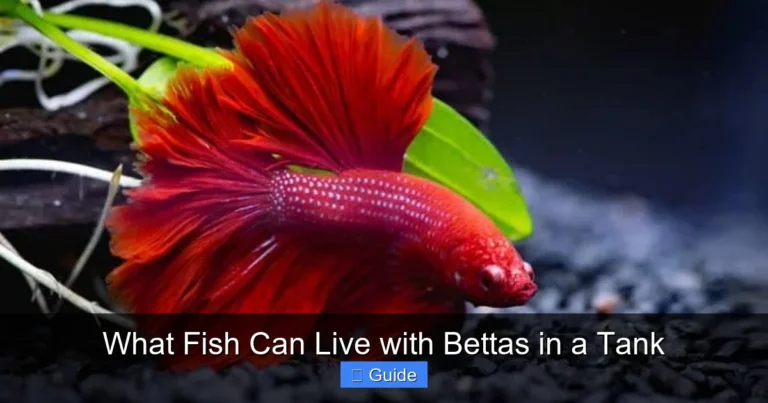
Visual guide about Can Betta Fish Live in a Bowl Without Filter
Image source: qwikbetta.com
Fin Rot and the Lack of Gentleness
In a cramped bowl, a betta’s long, flowing fins constantly drag on the glass or each other. This constant physical abrasion, combined with the poor water quality (high ammonia/nitrite), creates the perfect storm for fin rot—a bacterial or fungal infection that causes fins to fray, discolor, and disintegrate. In a spacious tank with gentle filtration (like a sponge filter), the betta can swim freely without its fins being constantly battered. The clean water also prevents opportunistic infections from taking hold.
The Need for Plants, Hiding Spots, and Exploration
In the wild, bettas hide among dense vegetation, rest on broad leaves near the surface, and explore their territory. This provides security from predators and mental stimulation. In a bare bowl, there is nowhere to go. The betta is perpetually exposed. Providing silk or live plants (like Java fern or Anubias), a floating log, a smooth cave, or even a betta leaf hammock allows the fish to exhibit natural behaviors: resting at the surface (they often sleep this way!), hiding when startled, and exploring a complex environment. This enrichment reduces stress, encourages activity, and is a clear indicator of good welfare. A betta in a well-decorated tank will be curious, interactive, and vibrant—a stark contrast to the muted, listless occupant of a bowl.
The Correct, Humane, and Simple Alternative
So, if a bowl is a death sentence, what is the correct setup? The good news is that providing excellent betta care is surprisingly simple and affordable. The golden rule is: a minimum of 5 gallons (19 liters) for a single betta. Why 5 gallons? It provides enough water volume to dilute toxins between water changes, allows for a stable nitrogen cycle with proper filtration, resists temperature swings, and gives your fish genuine space to swim and explore.
Tank, Filter, Heater: The Holy Trinity
Tank: A 5-gallon glass or acrylic tank is ideal. It’s not “too big.” Bettas are active swimmers and will use every inch. Avoid the “nano” or “desk” tanks marketed for them; they are just fancy, overpriced bowls.
Filter: A gentle filter is crucial. A sponge filter is the gold standard for bettas. It provides excellent biological filtration, creates gentle surface agitation for oxygenation, and has no sharp intake that can damage delicate fins. Internal power filters (like a small hang-on-back or internal sponge) set to a low flow also work well.
Heater: A reliable, adjustable aquarium heater (25-50 watts for a 5-gallon tank) with a thermostat is mandatory. Use a separate thermometer to verify the temperature. A heater guard or a pre-filter sponge over the intake can prevent the betta from getting too close and being burned.
Dechlorinator: Always treat tap water with a water conditioner that removes chlorine and chloramines before adding it to the tank. These chemicals are lethal to fish and beneficial bacteria.
Cycling the Tank: The Essential First Step
Before you ever add your betta, you must cycle the tank. This means setting up the filter, heater, and decor, filling it with conditioned water, and adding a source of ammonia (like a few drops of pure ammonia, a piece of fish food, or a bottled bacteria starter). You then test the water daily with a liquid test kit (like the API Freshwater Master Test Kit). Over 2-6 weeks, you will watch ammonia spike and fall, nitrite spike and fall, and finally, nitrate will rise while ammonia and nitrite remain at zero. Only when you see consistent readings of 0 ppm ammonia, 0 ppm nitrite, and a low (under 20-40 ppm) nitrate is the tank cycled and safe for your betta. This process establishes the life-saving bacterial colony. Adding a betta to an uncycled tank is the primary cause of “new tank syndrome” and sudden death.
Conclusion: Choosing Compassion Over Convenience
The question “Can betta fish live in a bowl without a filter?” is not a matter of opinion; it’s a matter of biological fact and ethical responsibility. The answer is no. A bowl is an ecological dead end. It guarantees a life of chronic stress, oxygen deprivation, toxic ammonia burns, and temperature shock for a creature that deserves better. The popularity of the betta bowl is a relic of outdated pet store marketing, not sound animal husbandry.
Choosing to keep a betta means committing to its welfare. That means providing a properly sized, filtered, and heated aquarium. It means performing weekly water tests and partial water changes. It means providing plants and hiding spots. This setup is not more difficult or vastly more expensive than a bowl—it is simply the correct, humane standard. The reward is immense. A betta in a proper tank is a stunning, interactive companion. It will flare at its reflection, explore its plants, rest on a leaf, and greet you at the glass with vibrant energy and color. You move from being a custodian of a dying animal in a cup to a guardian of a thriving, beautiful life. The choice is clear. Ditch the bowl. Embrace the tank. Your betta’s long, healthy, and happy life depends on it.
Frequently Asked Questions
Can a betta fish survive in a bowl for a short time, like during a move?
For a very short, temporary period (24-48 hours max) in a large, clean container with fresh, dechlorinated water, a betta can be safely transported. A bowl is never an appropriate long-term or even medium-term home. The goal should always be to get the fish into its permanent, cycled tank as quickly as possible.
If I do daily 100% water changes, can a betta be okay in a bowl?
No. Daily 100% water changes are extremely stressful and do not allow a nitrogen cycle to form. The constant shock from changing all parameters (temperature, pH, minerals) is harmful. You would also be unable to establish the beneficial bacteria needed to process waste, leaving the betta constantly exposed to ammonia from its own body.
Do bettas need a filter if I have lots of live plants?
Live plants help absorb nitrates and can provide some biological filtration, but they are not a substitute for a proper filter and cycled tank in a small volume. A single betta’s waste production in a 1-2 gallon bowl will overwhelm any plant’s capacity. You need the filter’s bacterial colony to handle the ammonia and nitrite conversion.
What is the smallest acceptable tank for a betta with a filter?
The widely accepted and scientifically supported minimum is 5 gallons (19 liters). This size provides enough water volume for stable parameters, room for a gentle filter and heater, and space for the fish to swim. Tanks smaller than this (2.5 gallons, “beta bowls”) are still inadequate for long-term health.
Can I use an air stone instead of a filter in a betta tank?
An air stone provides crucial surface agitation for oxygenation, but it does not provide biological filtration. It does not host the beneficial bacteria needed to process toxic ammonia and nitrite. You would still need a filter (like a sponge filter that uses an air stone) to complete the nitrogen cycle.
My betta seems fine in its bowl—it’s active and eats. How can it be unhealthy?
This is the most common and dangerous misconception. Bettas are masters of masking illness due to their evolutionary history as a prey species. By the time they show obvious signs of distress (clamped fins, lethargy, loss of appetite), internal damage from ammonia poisoning or organ failure is often advanced and irreversible. The “fine” betta in a bowl is living with chronic, hidden pain and a severely compromised immune system, and will likely die prematurely from an opportunistic disease.