How Often Do You Need to Feed a Betta Fish

Feeding your betta correctly is key to a long, colorful life. Most bettas thrive on two small meals a day, but the exact timing depends on age, health, and tank conditions. Follow these simple guidelines to keep your finned friend happy and healthy.
Key Takeaways
- Twice‑daily feeding: Most healthy adult bettas do best with two small meals each day.
- Watch the portion: Only offer what can be eaten in 2‑3 minutes to avoid water fouling.
- Adjust for life stage: Fry need more frequent, smaller meals; seniors may need fewer.
- Consistent schedule: Feed at the same times each day to reduce stress.
- Quality matters: Use high‑quality pellets or frozen foods and vary the diet.
- Observe behavior: Skipped meals or bloating signal health issues.
- Link to care basics: Proper water changes and tank size support optimal feeding.
📑 Table of Contents
- Introduction: Why Feeding Frequency Matters
- 1. The Basic Rule: Two Small Meals Per Day
- 2. Adjusting Frequency for Different Life Stages
- 3. Factors That Influence Feeding Frequency
- 4. Practical Feeding Tips to Prevent Over‑ or Under‑Feeding
- 5. Common Mistakes and How to Fix Them
- 6. When to Re‑Evaluate Your Feeding Routine
- Conclusion: A Simple Routine for a Happy Betta
Introduction: Why Feeding Frequency Matters
When you first bring a betta home, the excitement can be overwhelming. Bright colors, flowing fins, and a sassy personality make these fish irresistible. But behind the sparkle lies a simple truth: a betta’s health is closely tied to how often you feed it. Over‑feeding can cloud the water, cause constipation, and even lead to fatal bacterial blooms. Under‑feeding, on the other hand, results in a dull, weak fish that never shows its true colors.
In this guide we answer the question how often do you need to feed a betta fish and dive deep into the “why” and “how.” Whether you’re a first‑time keeper or a seasoned hobbyist, the tips here will help you create a feeding routine that keeps your betta thriving for years.
1. The Basic Rule: Two Small Meals Per Day
Why “twice a day” works for most bettas
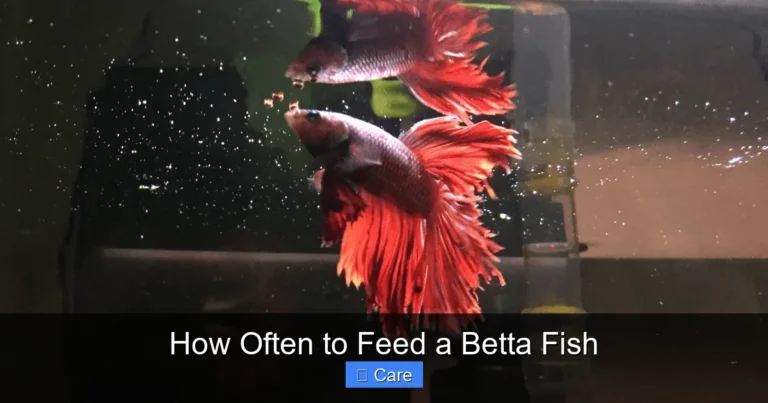
Betta fish are natural surface feeders. In the wild they hunt insects that fall onto water, nibbling a few bites throughout daylight hours. Replicating this pattern in captivity is simple: feed twice a day, once in the morning and once in the evening, about 8‑10 hours apart. This schedule mimics a natural feeding window and gives the digestive system time to process food.

Visual guide about How Often Do You Need to Feed a Betta Fish
Image source: aquaticspoolspa.com
How much to give each time
Offer only as many pellets or flakes as your betta can swallow in 2‑3 minutes. For most adult bettas, that’s 2‑4 small pellets per feeding. If you’re using frozen or live foods, a pea‑sized piece is enough. The key is to avoid leftovers that sink and decompose, raising ammonia levels.
2. Adjusting Frequency for Different Life Stages
Fry (baby bettas)
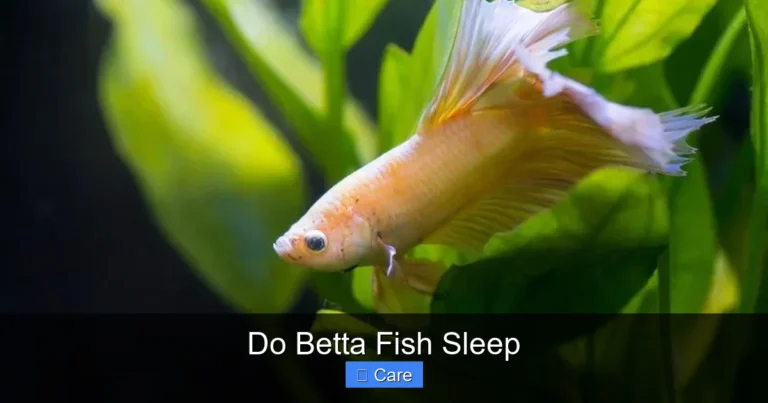
Betta fry have tiny stomachs and very fast metabolisms. Feed them 3‑4 times a day with specially formulated fry food or infusoria. Small amounts every 4‑5 hours keep growth steady and prevent starvation.

Visual guide about How Often Do You Need to Feed a Betta Fish
Image source: buildyouraquarium.com
Juveniles (1‑3 months)
As the fry mature, you can reduce feeding to three times daily. Start introducing higher‑protein foods like microworms or daphnia while still keeping portions tiny.
Adults (3 months and older)
At this stage, the standard twice‑daily schedule is ideal. Some adult bettas with high activity levels or breeding pairs may benefit from a third, very small “snack” in the late afternoon.
Seniors (1 year +)
Older bettas often become less active and may lose appetite. Keep to two small meals, but watch for signs of constipation. Adding a blanched pea once a week can aid digestion.
3. Factors That Influence Feeding Frequency
Tank size and water quality
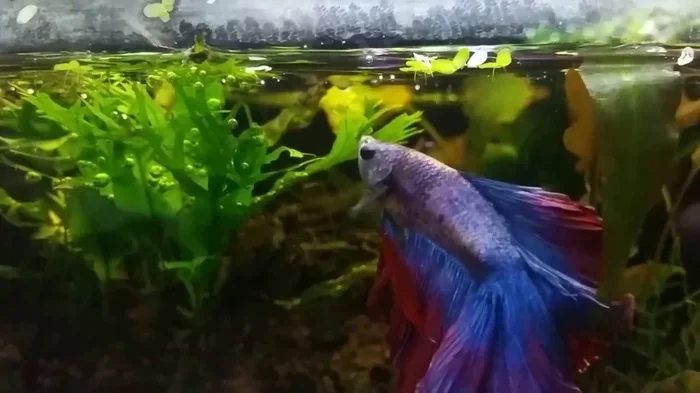
Smaller tanks (under 2.5 gallons) have less filtration capacity, so excess food can quickly foul the water. In these setups, strict portion control and a consistent twice‑daily routine are essential.

Visual guide about How Often Do You Need to Feed a Betta Fish
Image source: fishtrivia.com
Temperature
Betta metabolism speeds up as water warms. In water above 80 °F (27 °C), a slightly larger portion may be tolerated, but never exceed 5 pellets per feeding. In cooler water (below 75 °F), you might reduce the amount slightly.
Health status
If your betta is ill, recovering, or recovering from a recent fry‑out, feeding frequency may need adjustment. For example, a sick betta often benefits from smaller, more frequent meals of easily digestible foods like boiled egg yolk or a soft pellet.
Type of food
Pellets sink slower than flakes, giving bettas more time to eat. Frozen or live foods may be more attractive, encouraging quicker consumption. The food type can affect how often you need to feed; high‑protein foods may be more filling, allowing a slightly longer gap between meals.
4. Practical Feeding Tips to Prevent Over‑ or Under‑Feeding
Use a feeding cup or tweezers
Dropping food directly from the bag can lead to over‑feeding. A small cup or pair of tweezers lets you count exact portions.
Set a feeding alarm
Consistency is king. Set a phone alarm for morning and evening feeds to avoid missing a meal or feeding at odd hours.
Observe and adjust
Watch your betta during feeding. If it ignores food for two consecutive feedings, reduce the amount. If it eagerly devours everything and looks for more, you may increase the portion by one pellet.
Rotate foods
Variety keeps bettas interested and provides balanced nutrition. Rotate between high‑quality pellets, frozen bloodworms, and occasional brine shrimp. For a deeper dive on food types, see our guide on how to feed a betta fish.
Keep the tank clean
Uneaten food fuels harmful bacteria. Perform a partial water change (20‑30%) weekly and use a fine mesh net to remove debris after each feeding.
5. Common Mistakes and How to Fix Them
Feeding too much
Signs: cloudy water, bloated belly, lethargy. Solution: cut portions in half, increase water changes, and consider a fasting day (no food for 24 hours) to reset the gut.
Feeding too little
Signs: faded colors, thin body, reduced activity. Solution: add a small extra feeding of high‑protein food and monitor weight over a week.
Inconsistent timing
Betta stress can manifest as frantic swimming or hiding. Stick to a schedule; even a 30‑minute shift can cause anxiety.
Using the wrong food type
Flakes designed for goldfish are too large and can cause choking. Always choose betta‑specific pellets or high‑protein frozen foods.
6. When to Re‑Evaluate Your Feeding Routine
Life changes—new tank mates, breeding, or a shift in water temperature—are signals to reassess how often you feed. Keep a simple log: date, time, food type, and amount. After a month, review the log to spot patterns. If you notice frequent leftovers or a change in your betta’s appearance, it’s time to tweak the schedule.
For a quick reference on feeding frequency, you might also like our article on how much do you feed a betta fish, which breaks down portion sizes by fish size and age.
Conclusion: A Simple Routine for a Happy Betta
Remember, the question how often do you need to feed a betta fish boils down to two small, consistent meals a day for most adult bettas. Adjust for life stage, health, and tank conditions, and always keep an eye on water quality. By following the tips above, you’ll give your betta the nutrients it needs without overloading the aquarium. A well‑fed betta shows off brilliant colors, active behavior, and a lifespan that can exceed three years.
Happy feeding, and enjoy watching your little warrior thrive!
Frequently Asked Questions
How many times a day should I feed an adult betta?
Most adult bettas do best with two small meals per day, spaced about 8‑10 hours apart.
Can I feed my betta once a day?
Feeding once daily is possible for very sedentary or senior bettas, but it may lead to reduced energy and dull colors over time.
What is the best portion size for betta pellets?
Offer only 2‑4 small pellets per feeding—just enough that your betta can eat it within 2‑3 minutes.
Do bettas need a special diet during breeding?
Yes. Breeding pairs benefit from higher‑protein foods like brine shrimp or bloodworms, fed 3‑4 times daily to support egg production.
How do I know if I’m over‑feeding my betta?
Cloudy water, a bloated abdomen, and leftover food after 5 minutes are clear signs of over‑feeding.
Should I fast my betta occasionally?
Giving a 24‑hour fast once a week can help clear the digestive tract, especially if you notice constipation.