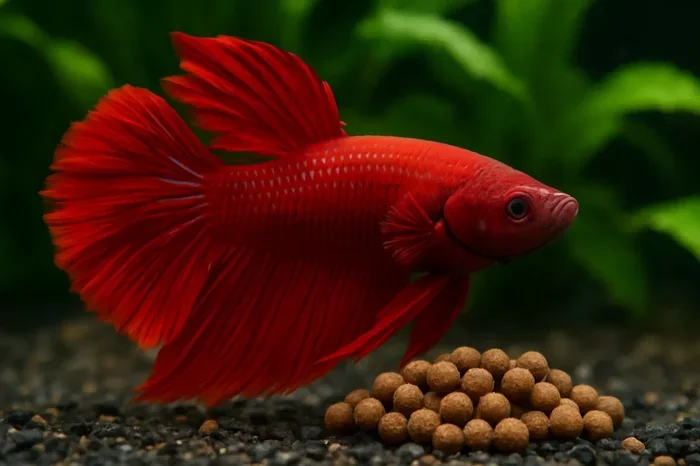
Does Betta Fish Tail Grow Back Discover The Truth Now

If you are worried about your betta’s damaged fins, you are not alone. Does betta fish tail grow back is a common question among new fish keepers. The good news is that bettas can regenerate their fins under the right conditions. However, healing depends on water quality, stress levels, and proper care. In this guide, we will walk you through everything you need to know about fin recovery and how to support your fish.
Seeing torn or shortened fins on your betta can be alarming. Many owners panic and wonder if the damage is permanent. The good news is that bettas are surprisingly resilient. Does betta fish tail grow back is one of the most searched questions in the hobby, and the answer is usually yes. Fins can regenerate when the fish is healthy and the environment supports healing.
Fin damage happens for many reasons. Rough decor, aggressive tank mates, poor water conditions, and disease can all cause tears or rot. The tail, also called the caudal fin, plays a big role in swimming and balance. When it gets damaged, your betta may swim differently or hide more often. Understanding why the damage happened is the first step toward helping your fish recover.
Recovery is not instant. It takes time, consistency, and attention to detail. You will need to monitor water parameters, adjust feeding, and watch for signs of infection. Some fins grow back smoothly, while others may look slightly different than before. The goal is to create the best possible conditions so your betta can heal naturally.
In this guide, we will break down the healing process, common causes of fin damage, and practical steps you can take at home. You will also learn when to worry, when to wait, and how to prevent future problems. Let’s dive in.
Key Takeaways
- Fins can regenerate: Healthy bettas have the natural ability to regrow damaged tail and fin tissue over time.
- Water quality matters most: Clean, stable water is the single biggest factor in successful fin healing.
- Fin rot slows recovery: Bacterial or fungal infections must be treated before new tissue can grow properly.
- Stress delays healing: Poor tank mates, rough handling, and unstable temperatures can stall regeneration.
- Patience is required: Full tail regrowth often takes several weeks to months depending on the damage.
- Nutrition supports growth: A balanced diet with quality pellets and occasional treats helps rebuild tissue.
- Prevention beats repair: Regular water changes, gentle decor, and proper tank size keep fins intact long term.
📑 Table of Contents
- Does Betta Fish Tail Grow Back Under the Right Conditions
- Why Betta Fins Get Damaged in the First Place
- How Long Does Fin Regrowth Take
- Best Care Steps to Help a Betta Tail Regrow
- When to Worry and When to Wait
- Preventing Future Tail Damage
- Expert Insights and Practical Reality
- Final Thoughts on Betta Tail Regrowth
Does Betta Fish Tail Grow Back Under the Right Conditions
The short answer is yes. Does betta fish tail grow back depends heavily on the fish’s overall health and the state of its environment. Betta fins are made of delicate tissue that can regenerate when the body is not fighting stress or disease. If the damage is physical, such as a tear from a sharp plant or a bump against decor, the tail often grows back gradually.
Regeneration works best when the fish is calm and well-fed. A healthy betta has the energy to rebuild tissue at the fin edges. You may notice small new growth appearing as clear or slightly darker edges first. Over time, that tissue thickens and extends. The process is slow, but steady progress is a good sign.
If the damage is caused by infection, the story changes. Fin rot can eat away tissue faster than the fish can replace it. In those cases, healing only begins after the infection is controlled. That is why identifying the cause matters so much. A torn tail and a rotting tail need different approaches.
Physical Tears Versus Rotting Fins
Physical tears usually have clean edges. You may see a notch, a split, or a missing section. The surrounding tissue often looks normal. These injuries heal well when water quality is high and the fish is not stressed. The tail will slowly fill in from the base and edges.
Rotting fins look different. The tissue may appear frayed, white, cloudy, or darker at the tips. You might see thinning, holes, or a ragged edge that keeps getting worse. Rot is often linked to bacteria or fungus taking advantage of poor conditions. If you see this, focus on treatment first and regrowth second.
What Regrowth Usually Looks Like
New fin growth often starts as a thin transparent edge. As the tissue strengthens, color may return. The shape may not be identical to the original tail, especially if a large section was lost. Some bettas grow back a slightly simpler or shorter tail, and that is normal. Function matters more than perfect appearance.
You can support this process by keeping the tank calm and stable. Avoid strong currents that push the fish constantly. Reduce sudden movements near the tank. Give your betta a predictable routine so it can spend energy on healing instead of stress.
Why Betta Fins Get Damaged in the First Place
Before you focus on regrowth, it helps to understand what caused the problem. Does betta fish tail grow back is easier to answer when you stop the original issue from repeating. Fin damage usually comes from a few common sources.
Poor water quality is a major culprit. Dirty water stresses the fish and weakens its natural defenses. Ammonia and nitrite spikes can irritate tissue and make fins more vulnerable. Even if the fins are only slightly damaged, bad water can turn a small issue into a bigger one.
Sharp or rough decor can also cause tears. Plastic plants with stiff edges, uncovered filter intakes, and jagged rocks can catch flowing fins. Bettas with long tails are especially at risk because their fins drag through the water and brush against objects.
Aggression and handling are other factors. Some bettas nip at their own fins when stressed. Others may get chased or bumped by tank mates. Rough net handling can also snag and tear delicate tissue. Even well-meaning care can cause damage if the fish is pulled or pinned awkwardly.
Common Causes at a Glance
- Dirty water: High ammonia, nitrite, or old waste irritates fins and slows healing.
- Sharp decor: Plastic plants, rough rocks, and exposed equipment can snag long fins.
- Stress and aggression: Chasing, nipping, or constant hiding wears down fin tissue.
- Disease: Fin rot and fungal issues can destroy tissue if left untreated.
- Handling damage: Nets, transfers, and rough movement can tear fragile fins.
How Long Does Fin Regrowth Take
Healing time varies a lot. Does betta fish tail grow back quickly or slowly depends on the size of the damage, the fish’s health, and how stable the tank is. Small tears may show improvement within a couple of weeks. Larger losses can take a month or more to fill in noticeably.
Think of fin regrowth like healing skin. The body repairs tissue little by little. You will not see a full tail overnight. Instead, look for small signs of progress. New edges, less fraying, and better swimming are all positive clues. If the fin keeps deteriorating, something in the tank still needs attention.
Water temperature also plays a role. Bettas are tropical fish, and stable warmth supports metabolism and recovery. A tank that is too cool can slow healing. A tank that swings wildly can stress the fish and stall progress. Consistency matters more than perfection.
Signs Healing Is Happening
- New clear edges: Fresh tissue often appears at the base or tips first.
- Less tearing: The fin stops fraying and holds its shape better.
- Better swimming: Your betta moves with more control and less wobbling.
- Improved appetite: A healing fish often eats more regularly.
- Calmer behavior: Less hiding and fewer stress signs can mean the fish is recovering.
When Progress Slows Down
If growth seems stuck, check the basics first. Test the water. Look for hidden sharp objects. Watch for bullying or tail nipping. Make sure the filter flow is not too strong. Sometimes the issue is simple, like a rough plastic plant or a temperature swing.
If the fin continues to rot or recede, treatment may be needed. Persistent white edges, darkening, or holes suggest infection rather than simple injury. In that case, healing will not move forward until the underlying problem is addressed.
Best Care Steps to Help a Betta Tail Regrow
Helping your betta recover is mostly about creating a calm, clean, and safe space. Does betta fish tail grow back faster when the fish can rest and focus on repair. You do not need fancy products for every situation. Often, the best improvements come from steady care.
Start with water quality. Regular partial water changes help keep waste low and conditions stable. Use a gentle water conditioner if needed, and match new water to the tank temperature before adding it. Sudden changes can stress the fish and slow healing.
Next, inspect the tank setup. Remove or soften anything sharp. Smooth out rough edges on plants and decor. If your filter creates a strong current, redirect or reduce the flow so the betta is not fighting the water all day. Long-finned bettas do best in calm environments.
Feeding matters too. A good diet gives the fish the energy it needs to rebuild tissue. Offer a variety of quality foods, and avoid overfeeding. Small, regular meals are better than large messy feedings. If your betta is recovering, clean water and good food are a powerful combination.
Practical Care Checklist
- Test the water regularly: Keep ammonia and nitrite at safe levels.
- Change water consistently: Small, regular changes are easier on the fish than big disruptions.
- Remove sharp objects: Swap harsh decor for softer, fish-safe options.
- Reduce strong flow: Keep the swimming area calm and manageable.
- Feed a balanced diet: Use quality staples and add variety in moderation.
- Watch daily: Look for new damage, rot, or behavior changes.
Quick Tips for Faster Recovery
Keep the tank quiet and predictable. Avoid tapping the glass or making sudden movements near the fish. Maintain a stable temperature suited to bettas. Clean the substrate gently so waste does not build up. If you notice minor tears, stay consistent and give the fish time. Small improvements add up.
If you are unsure about your setup, it can help to review basic betta preferences. Many owners are surprised by how much tank size, filtration, and decor choices affect fin health. You can read more about whether bettas prefer space and filtration in our guide on do betta fish like a lot of space and do betta fish like air filters.
When to Worry and When to Wait
Not every fin problem needs panic, but some signs should not be ignored. Does betta fish tail grow back is a hopeful question, but it is also important to know when the situation is getting worse. If the fin is slowly improving, patience is usually the best approach. If it is shrinking, fraying more, or showing color changes, you need to act sooner.
Watch for these warning signs. White, gray, or black edges can indicate infection or tissue death. Holes, melting tips, or a ragged look that keeps spreading suggest rot. Lethargy, loss of appetite, clamped fins, or hiding all day can mean the fish is unwell. These are clues that simple regrowth is not enough.
On the other hand, a stable tear with calm behavior and clean water may just need time. If your betta is eating, swimming normally, and not getting worse, you may only need to maintain good care. The tail may grow back on its own without extra intervention.
Red Flags to Watch For
- Spreading damage: The fin keeps getting smaller or more ragged.
- Unusual color: White, gray, black, or cloudy tissue appears at the edges.
- Behavior changes: The fish becomes inactive, hides constantly, or stops eating.
- Visible infection signs: Fuzz, slime, or inflamed areas around the fin.
- Repeated tearing: The same area keeps getting damaged after it starts healing.
Common Mistakes During Recovery
One common mistake is changing too much too fast. Big water swings can stress the fish more than they help. Another mistake is blaming the fish for tearing when the real problem is sharp decor or bad water. It also helps to avoid overfeeding, which can foul the tank and undo your progress.
Some owners wait too long when the fin is clearly rotting. If tissue is disappearing instead of growing, do not assume time alone will fix it. Address the environment and consider treatment if needed. Waiting can allow a small problem to become a serious one.
Preventing Future Tail Damage
The best repair strategy is prevention. Once your betta’s tail starts growing back, keep the conditions that helped it heal. Does betta fish tail grow back is a question you want to answer with a confident yes, and prevention makes that much more likely.
Choose tank decor carefully. Soft plants, smooth wood, and rounded stones are safer for long fins. Check filter intakes and cover them if needed. Make sure there are no places where fins can get caught. A safe layout reduces accidental tears a lot.
Keep the tank peaceful. If you use tank mates, pick calm choices and watch for chasing or nipping. Some fish are simply not a good match for a betta with delicate fins. If aggression appears, separate the fish before more damage happens. You can learn more about compatible tank mates in our article on can you put a male betta with yellow tail fish.
Maintain a steady care routine. Regular water changes, filter maintenance, and simple observation go a long way. Healthy fins are easier to keep than damaged ones. A little consistency now can save you from a lot of worry later.
Smart Prevention Habits
- Inspect decor often: Look for rough edges before they cause tears.
- Watch interactions: Separate aggressive fish quickly if fin nipping starts.
- Stick to a cleaning routine: Stable water is one of the best defenses.
- Handle gently: Use soft nets and avoid pulling on the fins during transfers.
- Observe weekly: Early signs are easier to fix than advanced damage.
Expert Insights and Practical Reality
Experienced keepers usually say the same thing: most healthy bettas can regrow fins, but the result depends on the cause and the care provided. If the damage is mechanical and the tank is stable, recovery is very possible. If disease or chronic stress is involved, you must fix those first.
It also helps to keep expectations realistic. A regrown tail may not look exactly like the original. Some fins return with a simpler shape or slightly shorter length. That does not mean the fish failed to heal. It means the fin did its best under the conditions it had.
Another useful insight is that early action matters. The sooner you improve water quality, remove hazards, and reduce stress, the better the chance of smooth regrowth. Waiting until the fin is badly damaged makes recovery harder. Small problems are easier to solve than advanced ones.
Key Takeaways for Care
- Start with the environment: Clean, stable water is the foundation of healing.
- Match care to the cause: Tears and rot need different responses.
- Be consistent: Daily stability helps more than occasional big fixes.
- Watch behavior: A healing betta usually acts calmer and eats better.
- Prevent repeats: Safe decor and peaceful tank mates protect future growth.
Final Thoughts on Betta Tail Regrowth
So, does betta fish tail grow back? In many cases, yes. Bettas can rebuild damaged tail tissue when they are healthy, unstressed, and living in clean water. The process takes time, and the final result may look a little different from the original fin. Still, regrowth is very possible with steady care.
Focus on the basics first. Keep the water safe, remove sharp hazards, and reduce stress. Feed well, observe closely, and give your fish room to heal. If the fin is rotting or worsening, treat the underlying issue before expecting new growth. Patience and consistency are your best tools.
With the right approach, many bettas recover beautifully. Their tails may not be perfect, but they can be functional, healthy, and strong again. The most important thing is to act early, stay calm, and support your fish every day.
Frequently Asked Questions
Does betta fish tail grow back after tearing?
Yes, a torn tail can often regrow if the fish is healthy and the water stays clean. Healing usually starts at the edges and continues gradually over time.
How long does it take for a betta tail to regrow?
Small tears may improve in a couple of weeks, while larger damage can take longer. The timeline depends on water quality, stress, and whether infection is present.
Does betta fish tail grow back after fin rot?
It can, but only after the rot is controlled. If infection is still active, the fin may keep deteriorating instead of healing.
What helps a betta tail grow back faster?
Clean water, stable temperature, calm flow, and good food are the biggest helpers. Removing sharp decor and reducing stress also supports recovery.
Should I worry if my betta tail is not growing back?
If the fin is stable and the fish seems healthy, you may just need more time. If the fin keeps worsening, check the water and look for signs of disease.
Can a betta tail grow back perfectly?
Sometimes it grows back fully, but the shape may be slightly different. Function and health matter more than having the exact same appearance.