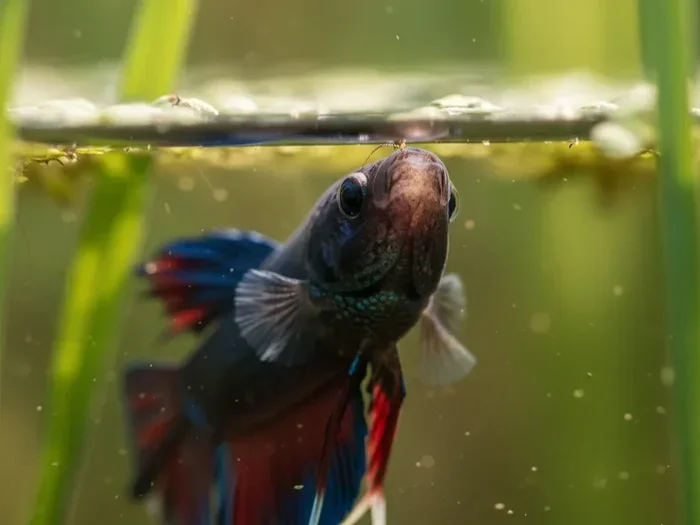
Where Are Betta Fish From
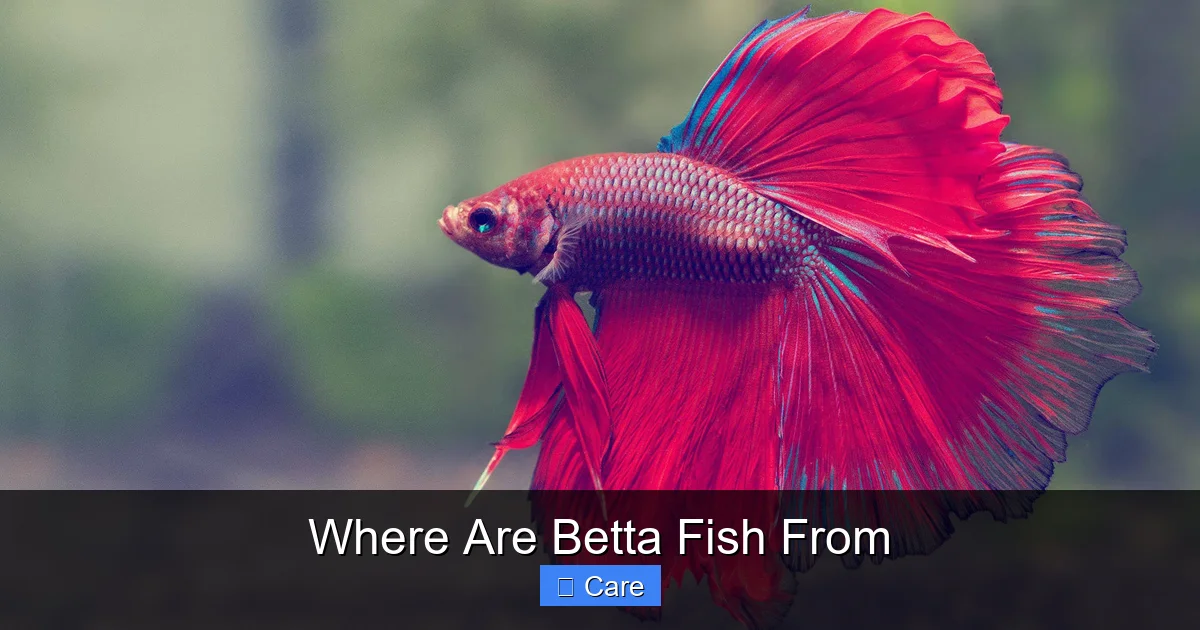
Betta fish, or Siamese fighting fish, are not from small bowls! They originate from the shallow, warm, and vegetated waters of Southeast Asia, specifically Thailand, Cambodia, Vietnam, and parts of Malaysia and Indonesia. Their wild habitat of rice paddies, streams, and floodplains is the blueprint for their true care needs. Understanding this natural environment is absolutely critical for providing the proper tank setup, water conditions, and diet that allow these intelligent fish to thrive for years, not just survive for months.
Key Takeaways
- Native Range: Wild bettas (Betta splendens) are indigenous to the Chao Phraya and Mekong river basins of Thailand, Cambodia, Vietnam, and surrounding regions.
- Habitat Type: They thrive in shallow, slow-moving or stagnant waters like rice paddies, swamps, ditches, and forest floodplains, characterized by dense vegetation and leaf litter.
- Water Conditions: Their native waters are warm (76-82°F / 24-28°C), soft, and slightly acidic to neutral, often stained dark brown by tannins from decaying plant matter.
- Labyrinth Organ: Betta fish possess a specialized “labyrinth organ” that allows them to breathe atmospheric air, an adaptation to their oxygen-poor, stagnant native habitats.
- Wild vs. Captive: The ornate, long-finned varieties seen in stores are the result of centuries of selective breeding in captivity and differ greatly from their short-finned, wild-type ancestors.
- Care Implication: Replicating key elements of their natural habitat—warm water, gentle flow, secure hiding spots, and a carnivorous diet—is essential for their long-term health and well-being.
📑 Table of Contents
- The Surprising Truth About Betta Fish Origins
- A Glimpse into the Wild: The Southeast Asian Heartland
- Evolutionary Marvel: The Labyrinth Organ and Survival Skills
- From Wild Fighter to Global Icon: A History of Human Interaction
- Decoding Care Through Habitat: The “Where” Dictates the “How”
- The Threat to the Wild: Conservation and Ethical Ownership
- Conclusion: A Window into Another World
The Surprising Truth About Betta Fish Origins
When you picture a betta fish, what comes to mind? A flash of crimson or royal blue floating solemnly in a tiny, decorative vase on a desk? This pervasive image, while iconic, is the greatest misconception about these fascinating creatures. To truly understand the betta fish—to care for it properly and appreciate its remarkable nature—we must first answer the fundamental question: where are betta fish from? The answer transports us from the living room shelf to the humid, vibrant, and surprisingly complex ecosystems of Southeast Asia.
The betta fish you see in pet stores, scientifically named Betta splendens, is a product of both wild ancestry and intense human cultivation. Its story begins not in a glass box, but in the muddy, plant-choked shallows of tropical river basins. Understanding this origin story isn’t just trivia; it’s the critical first chapter in the manual for their care. Every instinct, every physical adaptation, and every behavioral quirk of the betta is a direct response to the environment it evolved in over millennia. By exploring its native home, we unlock the secrets to providing a life that is far richer and healthier than the stereotypical “bowl existence.”
A Glimpse into the Wild: The Southeast Asian Heartland
So, where are betta fish from in a geographical sense? The wild Betta splendens is endemic to a specific region: the central and lower Chao Phraya River basin in Thailand, and the adjacent Mekong River basin extending into Cambodia and Vietnam. Historical records and early exports also point to populations in parts of Malaysia and the Indonesian island of Sumatra. This is their true native range, the cradle of the species.
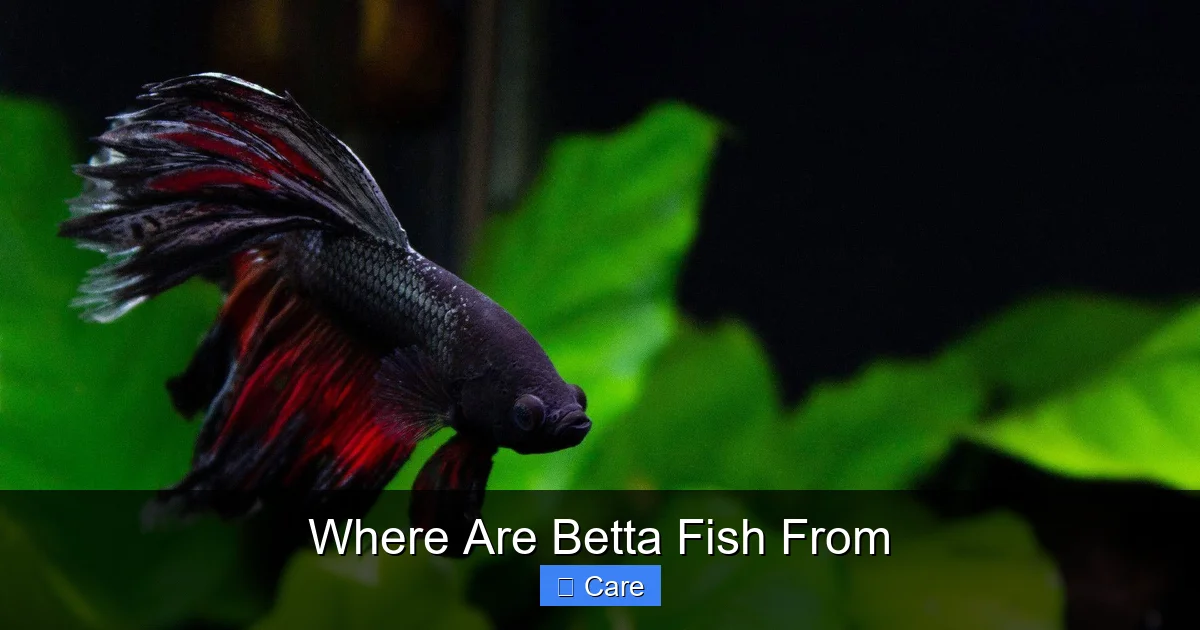
Visual guide about Where Are Betta Fish From
Image source: wallpapers.com
The Iconic Rice Paddy Habitat
The quintessential wild betta home is the flooded rice paddy. During the monsoon season, vast low-lying fields become shallow, warm, and slow-moving expanses of water. For a fish, this is a paradise of opportunity and peril. The water is often less than a foot deep, teeming with microorganisms, insect larvae, and tiny crustaceans—the perfect buffet for a small, carnivorous predator. Dense stands of rice plants, reeds, and other aquatic vegetation provide crucial cover from aerial predators like birds and from the scorching sun. The substrate is soft silt and decaying organic matter.
This environment is characterized by extreme fluctuations. Water levels can dramatically rise and fall with the seasons. Temperature can soar under the tropical sun and drop at night. Dissolved oxygen levels can plummet, especially in the still, warm water under a dense canopy of plants. It is within this challenging context that the betta’s most famous adaptation evolved.
Evolutionary Marvel: The Labyrinth Organ and Survival Skills
The single most important physiological adaptation of the betta fish, directly tied to its where are betta fish from answer, is the labyrinth organ. This is a specialized structure, folded like a leaf, located in a chamber above the gills. It allows the betta to gulp air from the surface and extract oxygen from it. This is a survival mechanism for the hypoxic (low-oxygen) conditions of its stagnant native waters. While bettas have gills, the labyrinth organ is their backup system and, in many cases, their primary breathing method.
This adaptation has two profound implications for care. First, it means they must have access to the water’s surface. A tall, dense forest of plants or decorations that block the surface can cause them to drown, as they cannot reach the air they need. Second, it explains their notorious ability to survive in poor conditions—they are built to endure environments other fish would perish in. However, “can survive” is not the same as “should live.” In the wild, they endure these conditions seasonally, not for their entire lifespan. Providing clean, warm water with good surface access is non-negotiable for captive health.
Their behavioral repertoire is also a product of this habitat. The wild betta is a territorial “ambush” predator. It will claim a clump of plants or a root system as its personal domain, patrolling its perimeter and chasing off intruders. It does not constantly swim; it rests, observes, and strikes with surprising speed at passing prey. This explains the captive betta’s tendency to “flare” (display gills and fins aggressively) at its reflection, a territorial response to a perceived rival in its space.
From Wild Fighter to Global Icon: A History of Human Interaction
The relationship between humans and bettas is long and deeply cultural, further shaping the fish we know today. The name “betta” is believed to derive from “ikan bettah,” a Malay word for a warrior fish, referencing the species’ fierce territorial aggression. The moniker “Siamese fighting fish” comes directly from the historical practice of staged fights, which began in Thailand (formerly Siam) at least as early as the 19th century, and possibly centuries earlier.
Visual guide about Where Are Betta Fish From
Image source: wallpapers.com
The Sport of Fighting and Selective Breeding
These fights were not to the death but contests of endurance and bravery. Males would be placed in a small vessel or ring, and they would engage in displays of flaring and biting until one retreated. The victor was the fish that held its ground. This cultural pastime led to the first wave of selective breeding, where individuals with high aggression, long-lasting stamina, and spectacular fin displays were chosen for breeding. It was this strain of Betta splendens that was first exported to Europe in the late 1800s and early 1900s.
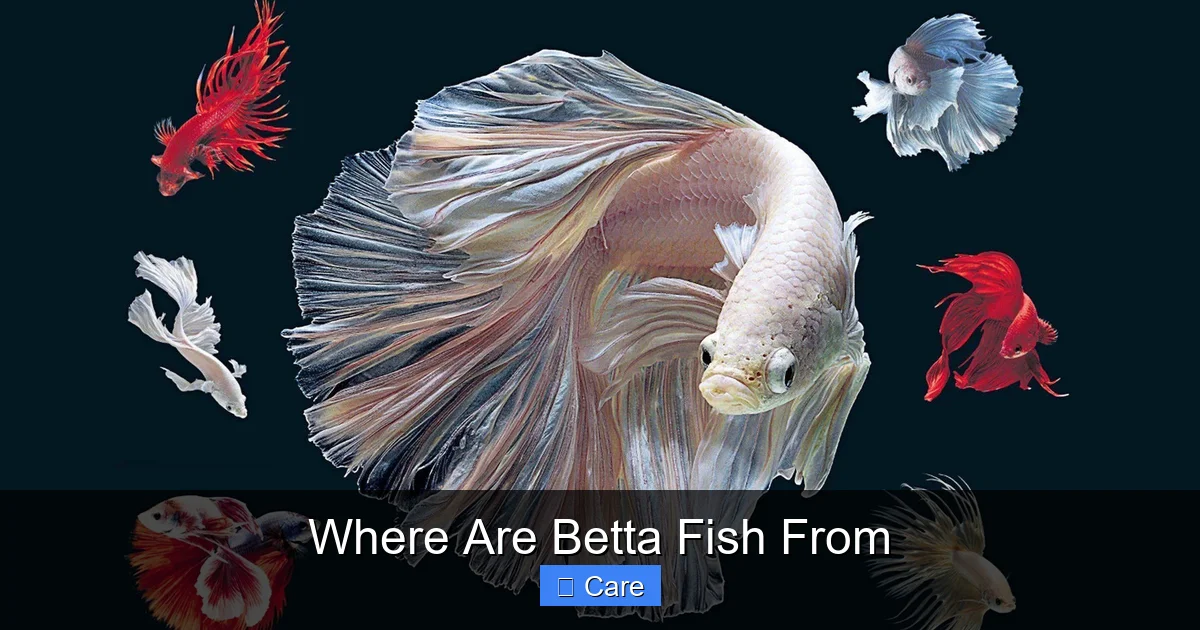
Once in the West, breeding goals shifted dramatically. The focus moved from aggression to aesthetics. Breeders began selecting for extreme fin length (veiltails, crowntails), vibrant and varied colors (solid, marble, butterfly, koi patterns), and unique scale types. The modern ornamental betta is a masterpiece of artificial selection, a living canvas of genetic potential that is almost unrecognizable compared to its short-finned, greenish-brown wild ancestor, which sports only subtle flashes of color when stressed or displaying.
Decoding Care Through Habitat: The “Where” Dictates the “How”
This is the most crucial section for any betta owner. Knowing where betta fish are from directly translates into the “how-to” of their care. The common, tragic mistake is to view them as low-maintenance decorations. They are, in fact, complex tropical fish with specific needs derived from their wild niche.
Visual guide about Where Are Betta Fish From
Image source: acaquarium.com
Water Parameters: More Than Just “Room Temperature”
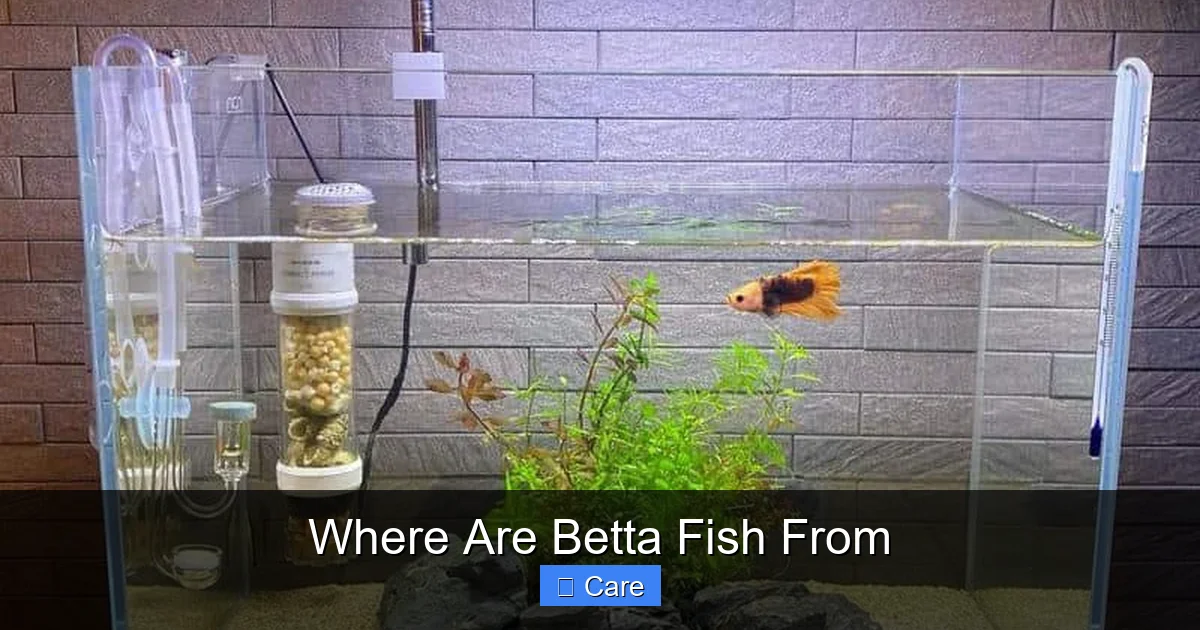
The shallow, sun-warmed waters of Thailand mean bettas require tropical temperatures year-round. The absolute minimum is 76°F (24°C), but 78-80°F (25-27°C) is the ideal, stable target. A reliable aquarium heater is not optional; it is essential. Water flow must be gentle. Their native habitats are stagnant or slow-moving. A strong filter current stresses them, tires them out, and can even damage their delicate, oversized fins. Use a sponge filter or adjust a hang-on-back filter’s output with a baffle.
Water chemistry should be soft to moderately hard, with a pH between 6.5 and 7.5. The soft, acidic nature of their blackwater habitats (stained by tannins) is important. While not all keepers need to replicate this exactly, using Indian almond leaves or driftwood can help soften water, lower pH slightly, and provide beneficial tannins that have antifungal and antibacterial properties, mimicking their natural medicine cabinet.
Tank Size and Environment: Beyond the Vase
A “vase” or “bowl” is an ecological nightmare. It lacks heating, filtration, and, most importantly, space. In the wild, a betta’s territory might span several square feet of dense vegetation. The absolute minimum tank size for a single betta is 5 gallons (19 liters), with 10 gallons (38 liters) being the strongly recommended starting point for a healthy, stable environment. This volume provides crucial dilution of waste (ammonia is deadly) and allows for stable water parameters.
The decor must prioritize security and rest. Provide a dense forest of live or silk plants, focusing on broad-leafed varieties like Anubias or Java Fern that they can rest on. Include hiding spots like caves, bamboo tubes, or PVC pipes. A soft, fine-grained substrate (sand or smooth gravel) is best. The goal is to break lines of sight, reduce stress, and give them places to claim as their own. Remember, they are an ambush predator; they need places to hide and observe.
Diet: The Carnivore in a “Vegetarian” Bowl
This is another critical care point rooted in origin. Wild bettas are insectivores and micro-predators. They eat mosquito larvae, daphnia, brine shrimp, small insects that fall on the water’s surface, and zooplankton. They are **not** plant eaters. Their upturned mouths are adapted for grabbing prey from above. Feeding them generic “betta pellets” is fine as a staple, but these should be high-quality, protein-based pellets with fish meal or shrimp meal as the first ingredient. Flakes are generally unsuitable.
A varied diet is key to health and vibrant color. Supplement their staple with high-protein, frozen, or live foods 2-3 times a week: bloodworms, daphnia, brine shrimp, or mysis shrimp. These foods replicate their natural diet and provide essential nutrients. Overfeeding is a common killer. Their stomach is roughly the size of their eye. Feed only what they can consume in 2-3 minutes, once or twice a day. Uneaten food rots, polluting the water.
The Threat to the Wild: Conservation and Ethical Ownership
While the pet trade has made bettas ubiquitous, their wild populations face genuine threats. Habitat loss due to deforestation, agricultural expansion (especially palm oil), and pollution from pesticides and fertilizers is destroying the very rice paddies and swamps they call home. In some regions, wild-type populations are considered vulnerable or are under pressure.
As aquarists, our responsibility extends beyond our own tanks. Supporting captive breeding for the pet trade is actually a conservation benefit, as it reduces collection pressure on wild populations. However, we must also be mindful of the sources of our fish and the plants we buy, avoiding species linked to destructive wild harvesting. More importantly, providing excellent care for our captive bettas honors the resilient, wild spirit of the fish. A well-cared-for betta, in a properly sized, heated, and filtered tank with a rich environment, can live 3-5 years, sometimes longer. This is a stark contrast to the 6-month lifespan often seen in bowls. Ethical ownership means providing a life that reflects the complexity of their origins.
Conclusion: A Window into Another World
To ask where are betta fish from is to ask about the foundation of their being. They come from the warm, tea-colored, plant-dense shallows of Southeast Asia. They come from an environment where breathing air is a necessity, where defending a patch of reeds is a matter of survival, and where a diverse diet of tiny animals fuels their brilliant colors. The flashy, flowing fins of the modern betta are a human creation, but the beating heart, the labyrinth organ, the territorial instinct, and the need for warm, clean water are all legacy of the wild Chao Phraya.
Moving beyond the myth of the “low-maintenance bowl fish” is the first and most important step in betta ownership. By recreating elements of their native habitat—warmth, calm water, security, and a protein-rich diet—we do more than just keep a fish alive. We allow a sophisticated, intelligent creature to express its natural behaviors, to flare with confidence at a perceived rival, to rest peacefully on a broad leaf, and to live a full, healthy life. The next time you see a betta, see past the ornament. See the survivor of the floodplain, the product of a river’s rhythm, and the responsibility we have to honor that wild origin in the glass box we call home.
Frequently Asked Questions
Are betta fish really from Thailand?
Yes, the wild species Betta splendens is native to Thailand, specifically the Chao Phraya river basin. Their native range also includes parts of Cambodia, Vietnam, and nearby regions.
Why do betta fish need a heater if they are from warm places?
While their native waters are warm (76-82°F), the key is stable temperature. Room temperature fluctuates too much, especially at night, which stresses tropical fish. A heater maintains the consistent warmth they require for a healthy immune system and metabolism.
Can betta fish live in a vase or bowl without a filter?
No. While their labyrinth organ allows survival in low-oxygen water, a bowl without filtration quickly accumulates toxic ammonia from their waste, leading to poisoning, disease, and a short lifespan. They need a filtered, cycled tank of at least 5 gallons.
What did wild betta fish eat in their natural habitat?
Wild bettas are carnivores. They primarily eat insects and larvae that fall on the water’s surface, as well as zooplankton, small crustaceans like daphnia, and tiny shrimp. They are not plant-eaters.
Are the colorful bettas in stores wild-caught?
Almost all bettas sold as pets are captive-bred, often in large-scale facilities in Southeast Asia. The wildly colorful, long-finned varieties are the result of centuries of selective breeding and are very different from their wild-type, short-finned ancestors.
How long do betta fish live in the wild versus in captivity?
In the wild, their lifespan is typically 1-2 years due to predators, disease, and habitat challenges. With proper care—mimicking their native environment with warm, clean water, a suitable tank, and a good diet—captive bettas commonly live 3-5 years, with some reaching 7-10 years.