What Do I Need for Betta Fish
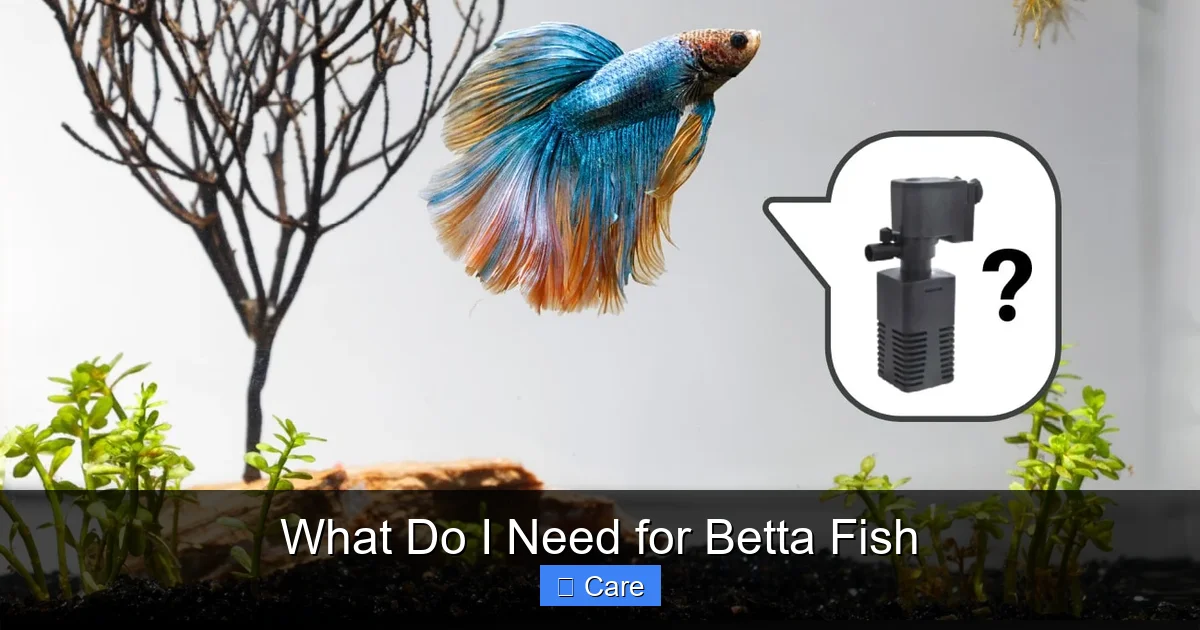
Wondering what do I need for betta fish? From the perfect tank size to water type, heating, and décor, this guide covers every essential item. Follow our step‑by‑step checklist and give your betta a thriving home.
Key Takeaways
- Tank size matters: A minimum of 5 gallons gives your betta room to swim and stay healthy.
- Water quality is crucial: Use conditioned, dechlorinated water at 76‑82°F (24‑28°C).
- Heating and filtration: A reliable heater and gentle filter keep temperature stable and water clean.
- Suitable décor: Live plants, silk hides, and smooth substrate prevent stress and injury.
- Feeding basics: High‑quality betta pellets plus occasional treats keep colors bright.
- Regular maintenance: Weekly water changes and tank checks prevent disease.
- Know the signs: Healthy bettas are active, have bright fins, and eat regularly.
📑 Table of Contents
- Introduction: Setting the Stage for a Happy Betta
- 1. The Right Tank – Size, Shape, and Material
- 2. Water – The Foundation of Good Health
- 3. Heating and Filtration – Keeping the Environment Stable
- 4. Décor and Substrate – Making the Tank Feel Like Home
- 5. Feeding – Nutrition for Vivid Color and Longevity
- 6. Routine Care – Keeping the Tank Clean and the Betta Happy
- Conclusion: Your Checklist for a Thriving Betta
Introduction: Setting the Stage for a Happy Betta
Thinking about adding a betta fish to your home? These little, flamboyant swimmers are popular for a reason—bright colors, easy care, and a personality that can fill a room. But before you bring one home, you’ll likely ask, what do i need for betta fish to thrive?
This article walks you through every essential item, from the right tank to the perfect water parameters. We’ll break down the list into bite‑size sections, share practical tips, and sprinkle in a few common mistakes to avoid. By the end, you’ll have a clear checklist and the confidence to set up a beautiful, healthy home for your new finned friend.
1. The Right Tank – Size, Shape, and Material
Why tank size matters
Many newcomers think a tiny bowl is enough because bettas can breathe air from the surface. In reality, a cramped space stresses the fish, lowers water quality faster, and shortens lifespan. Aim for at least a 5‑gallon tank. Larger tanks dilute toxins and give your betta room to explore.
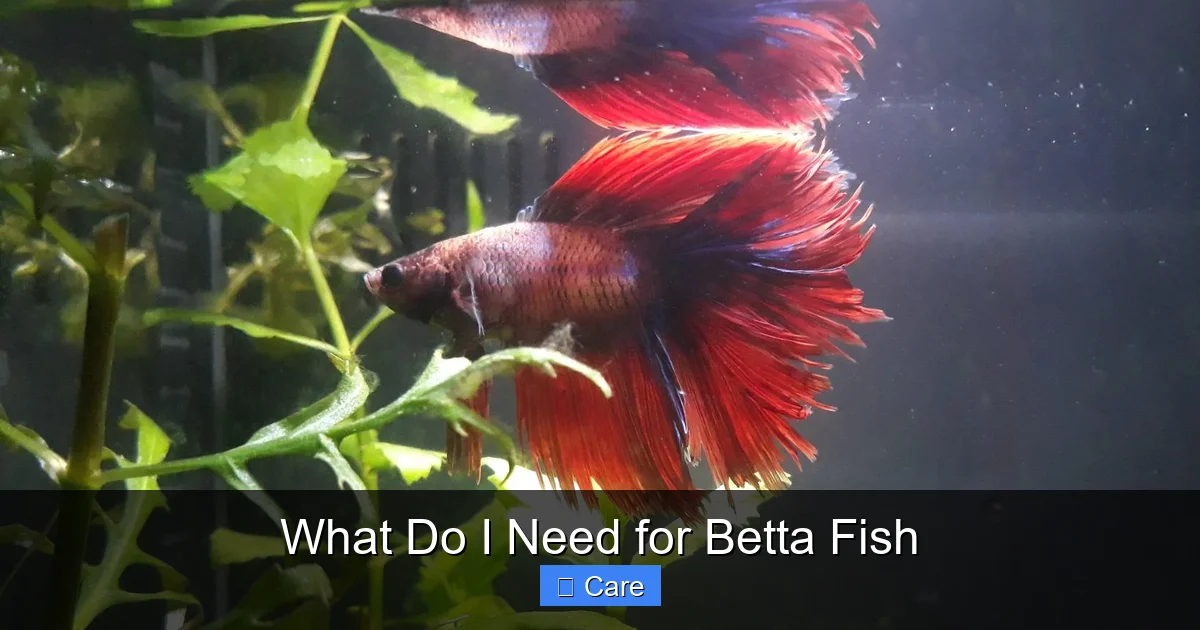
Visual guide about What Do I Need for Betta Fish
Image source: bettafishnest.com
Choosing the right shape
Rectangular tanks provide more surface area for oxygen exchange and make cleaning easier. Avoid tall, narrow “spike” tanks; they limit swimming space and make temperature control tricky.
Glass vs. acrylic
Both work, but acrylic is lighter and less likely to shatter. Glass offers better scratch resistance. Whichever you choose, make sure it comes with a secure lid—betas are notorious jumpers.
Internal link example
For a deeper dive into tank dimensions, see our article on what size tank for a betta fish.
2. Water – The Foundation of Good Health
What type of water do bettas need?
Betta fish thrive in soft, slightly acidic water with a pH between 6.5 and 7.5. Use a water conditioner to remove chlorine and chloramines from tap water. If your tap water is hard, consider mixing with reverse‑osmosis (RO) water.
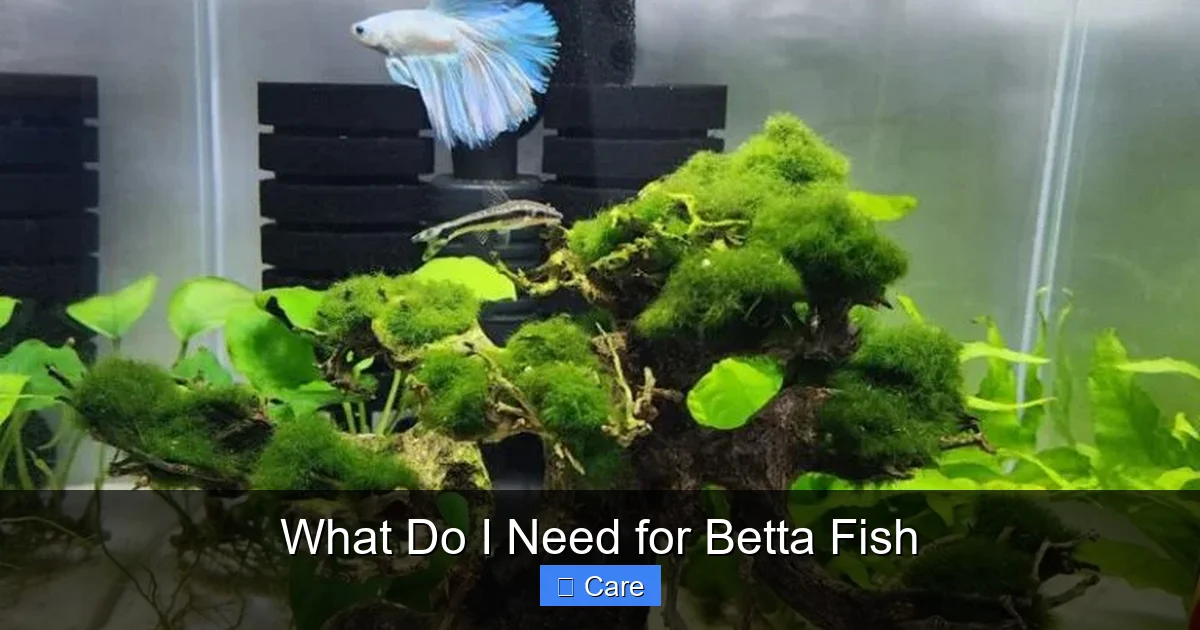
Visual guide about What Do I Need for Betta Fish
Image source: ouraquariumlife.com
Temperature requirements
Betas are tropical; they love water that stays between 76°F and 82°F (24°C‑28°C). Sudden swings cause stress and disease.
Internal link example
Need to choose the right water? Read what water do i use for betta fish for a step‑by‑step guide.
Testing and maintenance
Invest in a liquid test kit for ammonia, nitrite, nitrate, and pH. Test weekly, especially after a water change. Aim for ammonia and nitrite at 0 ppm, nitrate below 20 ppm.
3. Heating and Filtration – Keeping the Environment Stable
Do you need a heater?
Yes. Even in warm climates, room temperature can drop below a betta’s comfort zone at night. A small submersible heater (12‑25 W) with an adjustable thermostat does the trick.
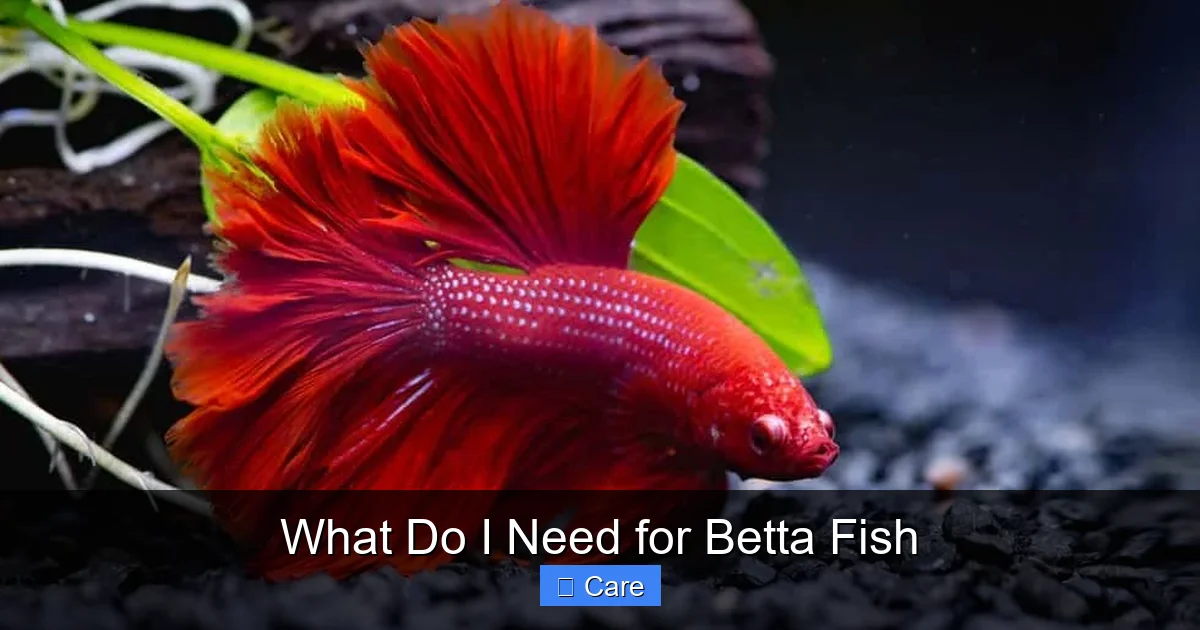
Visual guide about What Do I Need for Betta Fish
Image source: fishtankmaster.com
Choosing a gentle filter
Betas are not strong swimmers, so a high‑flow filter can stress them. Opt for a sponge filter or a low‑output hang‑on‑back (HOB) filter. These provide biological filtration without creating a strong current.
Internal link example
Unsure about heaters? Check out do i need a heater for betta fish for more details.
Placement tips
Place the heater near a water flow source to distribute heat evenly. Hide the filter behind décor to reduce visual stress.
4. Décor and Substrate – Making the Tank Feel Like Home
Substrate choices
A thin layer of sand or smooth gravel works well. Avoid sharp gravel that can tear delicate fins. If you want a natural look, consider a fine, aquarium‑safe sand.
Live versus artificial plants
Live plants improve water quality and give your betta places to rest. Java fern, Anubias, and Marimo moss balls are low‑light, low‑maintenance options. If live plants aren’t feasible, choose silk or plastic plants without rough edges.
Hides and enrichment
Betas love to explore caves, driftwood, and leaf hammocks. Provide at least two hiding spots to reduce stress and encourage natural behavior.
Lighting
A modest 8‑hour photoperiod mimics day/night cycles. LED fixtures designed for tropical tanks work well and are energy‑efficient.
5. Feeding – Nutrition for Vivid Color and Longevity
Best staple diet
High‑quality betta pellets should make up the bulk of the diet. Look for pellets with real protein (e.g., insect or fish meal) and minimal fillers.
Treats and variety
Occasional frozen or live foods—brine shrimp, daphnia, or bloodworms—add excitement and boost color. Limit treats to 1‑2 times per week.
Feeding schedule
Feed 2‑3 small meals per day, offering only what your betta can consume in 2 minutes. Overfeeding leads to cloudy water and health issues.
Signs of good nutrition
A healthy betta has bright, upright fins, clear eyes, and an active demeanor. If fins become ragged or color fades, revisit the diet.
6. Routine Care – Keeping the Tank Clean and the Betta Happy
Weekly water changes
Replace 25‑30 % of the tank water each week with conditioned water of the same temperature. This removes buildup of nitrates and keeps the environment fresh.
Cleaning the substrate and décor
Use a soft siphon to vacuum debris from the substrate during water changes. Gently rinse plants and ornaments in tank water (not tap water) to preserve beneficial bacteria.
Monitoring health
Watch for signs of disease: faded color, clamped fins, ragged edges, or loss of appetite. Early detection makes treatment easier.
Seasonal considerations
In cooler months, double‑check heater performance. In summer, ensure the tank is out of direct sunlight to prevent temperature spikes and algae growth.
Conclusion: Your Checklist for a Thriving Betta
Setting up a betta tank may seem like a long list, but think of it as building a cozy home for a new friend. By covering the basics—appropriate tank size, clean and warm water, gentle filtration, enriching décor, and proper feeding—you give your betta the best chance at a long, colorful life.
Remember, the key is consistency: regular water changes, temperature checks, and observation of your fish’s behavior. With the right preparation, you’ll enjoy watching your betta flare its fins, explore its surroundings, and bring a splash of joy to your space.
Frequently Asked Questions
What size tank is best for a betta fish?
A minimum of 5 gallons is recommended. Larger tanks provide more stable water conditions and give the betta room to swim.
Do betta fish need a heater?
Yes. Betta fish thrive at 76‑82°F (24‑28°C). A small, adjustable heater keeps the temperature steady, especially in cooler rooms.
Can I keep a betta in tap water?
Only if you treat it with a water conditioner to remove chlorine and chloramines. You may also need to soften hard tap water.
How often should I change the water?
Change 25‑30 % of the water weekly. This helps control nitrate levels and keeps the environment healthy.
What kind of food should I feed my betta?
High‑quality betta pellets are the staple. Supplement with frozen or live foods like brine shrimp a few times a week.
Do bettas need a filter?
While not strictly required, a gentle filter improves water quality and reduces the frequency of water changes.