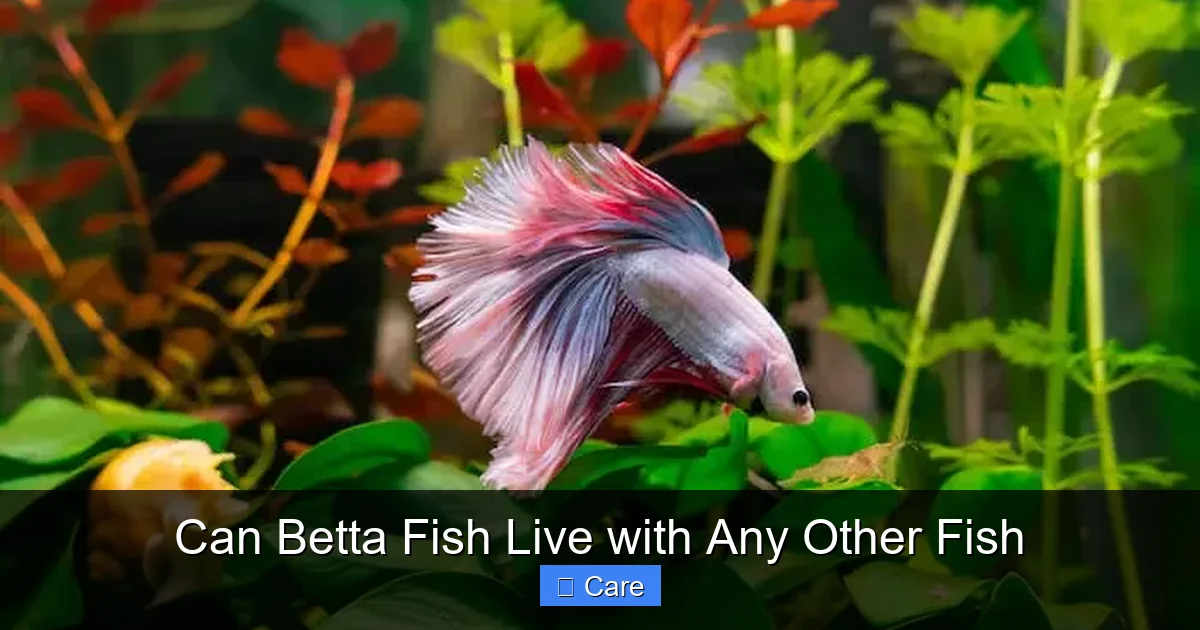
Can Betta Fish Live with Any Other Fish
Betta fish are beautiful but territorial, so they don’t get along with just any tank mate. By choosing the right species, providing plenty of space, and monitoring behavior, you can often keep a betta with other peaceful fish. Read on to learn the best companions and essential tips for a harmonious aquarium.
Key Takeaways
- Betta temperament varies: Males are usually more aggressive than females, influencing tank‑mate choices.
- Tank size matters: A minimum of 10‑20 gal is recommended for most community setups.
- Choose peaceful, non‑fin‑nipping species: Small tetras, rasboras, and certain shrimp are good options.
- Provide plenty of hiding spots: Plants, caves, and décor reduce stress and aggression.
- Monitor and be ready to separate: Early signs of stress mean it’s time to rehome one of the fish.
- Water parameters must suit all: Keep temperature, pH, and hardness in the range comfortable for bettas (78‑80 °F, pH 6.5‑7.5).
- Never assume “any other fish” will work: Research each potential tank mate before adding them.
📑 Table of Contents
- Introduction: The Question on Every Betta Owner’s Mind
- Understanding Betta Behavior
- Key Factors That Influence Compatibility
- Best Tank Mates for Betta Fish
- Species to Avoid
- Setting Up a Community Tank for a Betta
- Common Questions About Betta Compatibility
- Conclusion: Can Betta Fish Live with Any Other Fish?
- Further Reading
Introduction: The Question on Every Betta Owner’s Mind
If you’ve ever wondered “can betta fish live with any other fish?” you’re not alone. Betta fish—often called Siamese fighting fish—are famous for their vivid colors and dramatic fins. That fame comes with a reputation for aggression, especially in males. Many beginners assume a betta must live alone, but the truth is a bit more nuanced.
In this guide we’ll break down the factors that decide whether a betta can share a home, list the best (and worst) companions, and give you step‑by‑step tips to set up a peaceful community tank. By the end, you’ll know exactly how to answer the big question and keep your betta happy and healthy.
Understanding Betta Behavior
Male vs. Female Temperament
Male bettas are naturally territorial. In the wild they defend small puddles, so a confined space can trigger fighting. Female bettas are generally less aggressive and can sometimes be kept in groups called “sororities,” but they still need space and hiding places.
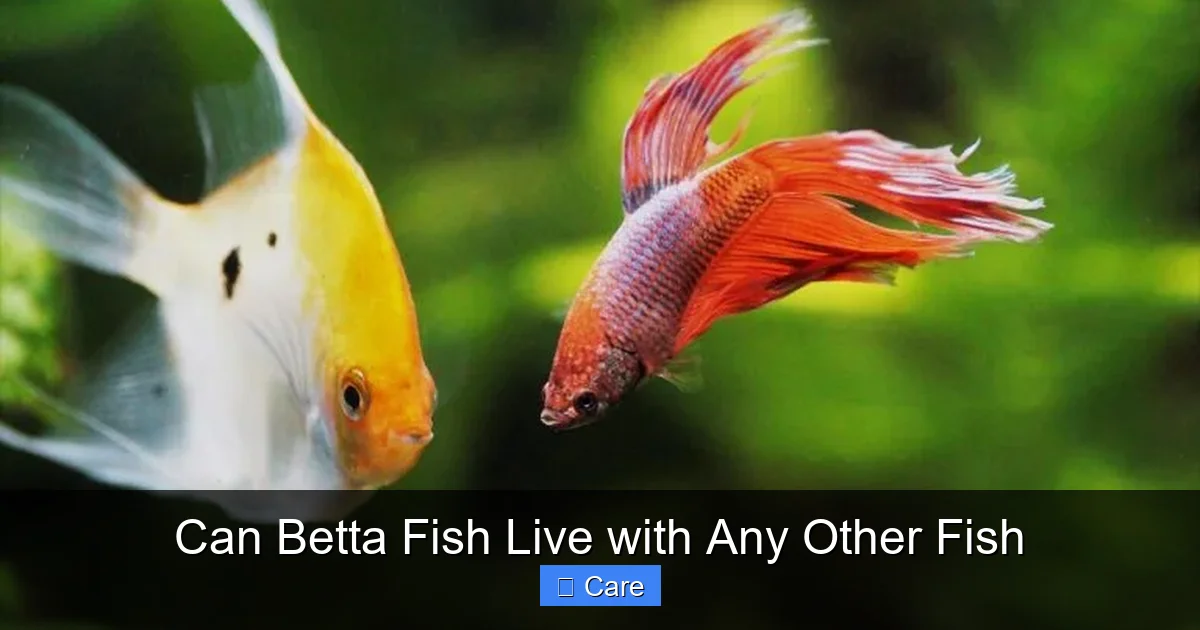
Visual guide about Can Betta Fish Live with Any Other Fish
Image source: fishkeepingadvice.com
Why Aggression Happens
Fin nipping, flaring, and chasing are common signs of stress. Triggers include:
- Not enough visual barriers.
- Tank mates that resemble a rival (bright colors, long fins).
- Overcrowding or poor water quality.
Key Factors That Influence Compatibility
Tank Size and Layout
Even the friendliest fish can become aggressive in a cramped tank. A minimum of 10 gallons is a good rule for a single male betta with one or two small companions. Larger tanks (20 gallons or more) give each fish its own territory and reduce visual confrontations.
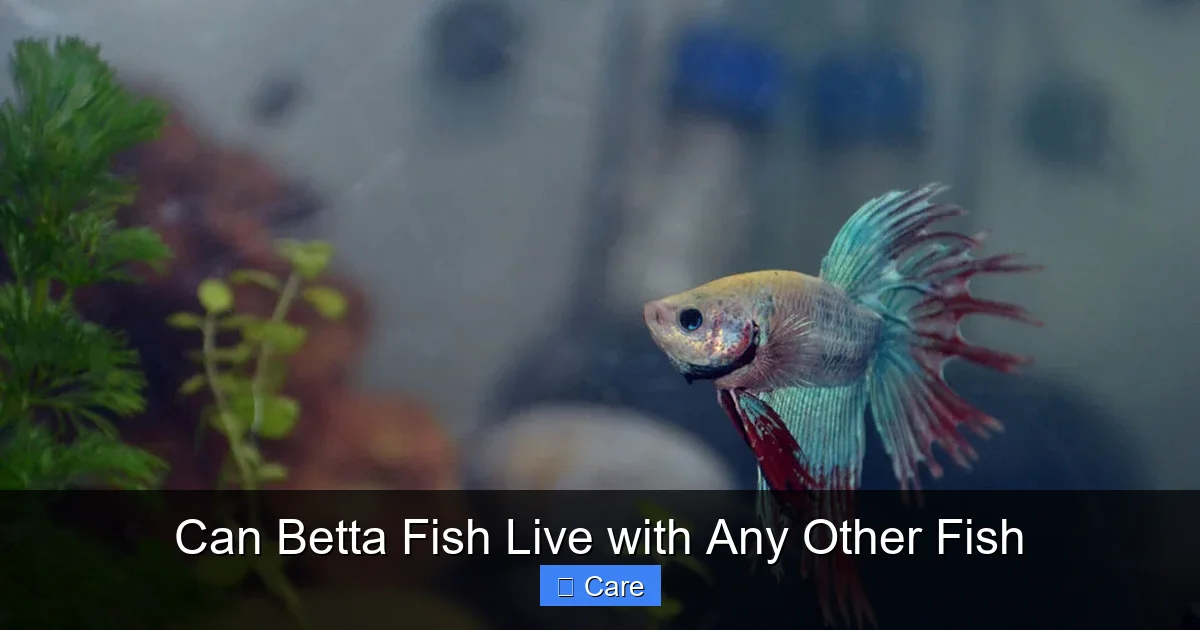
Visual guide about Can Betta Fish Live with Any Other Fish
Image source: fishkeepingadvice.com
Water Parameters
Betta fish thrive in warm water (78‑80 °F) with a slightly acidic to neutral pH (6.5‑7.5). Choose tank mates that share these preferences. Many tropical community fish fit the bill, but cold‑water species like goldfish are a mismatch.
Temperament of Potential Tank Mates
Look for species that are:
- Peaceful and non‑aggressive.
- Fast enough to avoid a betta’s sudden charges.
- Not fin‑nippers (e.g., some barbs, tiger barbs).
Best Tank Mates for Betta Fish
Small, Peaceful Tetras
Neon tetras, ember tetras, and celestial rasboras are popular choices. They stay near the surface where bettas also swim, but their schooling behavior keeps them out of the betta’s direct line of sight.
Visual guide about Can Betta Fish Live with Any Other Fish
Image source: fishkeepingadvice.com
Harlequin Rasboras and Danios
These fish are active, quick, and tolerate the same temperature range. Their bright colors add visual interest without provoking a betta.
Bottom Dwellers: Corydoras and Otocinclus
Catfish that inhabit the substrate are usually ignored by bettas. They also help clean uneaten food, creating a win‑win situation.
Invertebrates: Shrimp and Snails
Freshwater shrimp (e.g., cherry shrimp) and mystery snails can coexist with bettas if the betta isn’t a fin‑nipper. Some bettas will ignore them; others may try to eat them. Start with a few and watch the interaction.
Examples of Successful Community Set‑Ups
One popular combination is a male betta with a small school of neon tetras, a few cory catfish, and a mystery snail. In a 20‑gallon tank with plenty of live plants, this setup often thrives for months.
Species to Avoid
Fin‑Nipping Fish
Barbs, guppies with long flowing tails, and some loaches will likely be harassed by a betta.
Other Bettas
Two male bettas in the same tank is a recipe for disaster unless you have a massive, heavily divided aquarium. Even females can become territorial when space is limited.
Cold‑Water Fish
Goldfish, koi, and white cloud minnows need cooler water and produce a lot of waste, which stresses bettas.
Setting Up a Community Tank for a Betta
Step 1: Choose the Right Tank
Start with at least a 10‑gallon aquarium for a single male betta and one or two small companions. Larger tanks give you more flexibility.
Step 2: Add Plenty of Hiding Places
Live plants like Java fern, Anubias, and floating moss create natural barriers. Add ceramic caves, driftwood, and PVC pipes to break lines of sight.
Step 3: Cycle the Tank Properly
Never introduce fish to an un‑cycled tank. A fully cycled aquarium (ammonia and nitrite at 0 ppm, nitrate below 20 ppm) keeps all inhabitants healthy.
Step 4: Introduce the Betta First
Acclimate your betta slowly, then let it claim its preferred spot. After a few days, add the community fish using the “bag float” method to reduce stress.
Step 5: Monitor and Adjust
Watch for signs of stress: faded colors, frantic flaring, or hiding all day. If aggression appears, be ready to move the betta to a separate tank or rehome the aggressor.
Common Questions About Betta Compatibility
Below are answers to the most frequently asked questions about mixing bettas with other fish.
Conclusion: Can Betta Fish Live with Any Other Fish?
The short answer is no—betta fish cannot live with just any other fish. Their temperament, especially in males, means you must choose tank mates carefully, provide ample space, and maintain excellent water conditions. When you follow the guidelines above, many bettas thrive alongside peaceful tetras, rasboras, catfish, and even some invertebrates.
Remember, each betta has a unique personality. Observe your fish, be patient, and don’t be afraid to make adjustments. With the right setup, you’ll enjoy a vibrant, lively aquarium that showcases the betta’s beauty without compromising its health.
Further Reading
- Can Any Other Fish Live With A Betta
- What Other Fish Can Live With Betta Fish
- Can Betta Fish Live With Snails
Frequently Asked Questions
Can a male betta live with other fish?
Yes, but only with peaceful, non‑fin‑nipping species in a sufficiently large tank. Males are more territorial, so extra space and hiding spots are essential.
Are female bettas better community fish?
Female bettas are generally less aggressive than males and can sometimes be kept in groups called sororities, but they still need plenty of room and visual barriers.
What is the smallest tank size for a betta with companions?
A minimum of 10 gallons is recommended for a single male betta with one or two small tank mates. Larger tanks (20 gallons+) provide a safer environment for multiple species.
Can bettas share a tank with shrimp?
Many bettas tolerate shrimp, especially larger species like Amano shrimp. However, some bettas may see tiny shrimp as food, so monitor the first few days closely.
Why can’t bettas live with goldfish?
Goldfish need cooler water (65‑75 °F) and produce a lot of waste, which conflicts with the warm, clean conditions bettas require.
What signs show my betta is stressed?
Watch for faded colors, constant flaring, loss of appetite, or hiding all the time. Stress often indicates incompatibility or poor water quality.