How to Tell the Gender of a Splittail Betta Fish
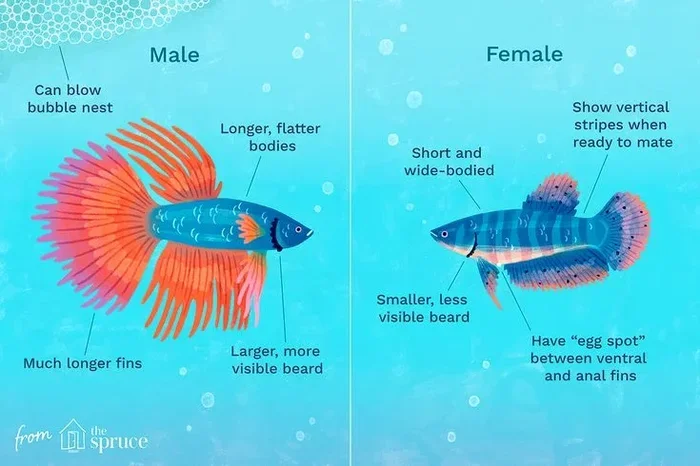
Figuring out the gender of a splittail betta fish is easier than you think. By checking body shape, fin length, and the presence of an egg spot, you can confidently identify whether your fish is male or female. This guide walks you through every step with clear, simple instructions.
Knowing how to tell the gender of a splittail betta fish is a skill every fish keeper should have. Whether you just brought home a new splittail betta or you have had one for a while, understanding the differences between males and females helps you provide better care. Splittail bettas are a stunning variety known for their unique split tail fin. But their beauty can make it tricky to figure out who is who. This guide breaks it all down in plain, simple language. You will learn to spot the physical signs, behavioral clues, and age-related changes that reveal gender.
Many new fish owners assume all bettas look the same. That is not true. Males and females differ in several important ways. Some differences are easy to see. Others need a closer look. By the end of this article, you will feel confident identifying the gender of your splittail betta. We cover everything from body shape to behavior. We also share common mistakes to avoid. Let us dive right in.
Key Takeaways
- Body shape is the biggest clue: Males tend to be slimmer and more streamlined, while females have a rounder, bulkier body.
- The egg spot matters: Females have a visible white spot on their underside called an ovipositor, which males lack.
- Fin length differs: Males typically have longer, flowing fins compared to the shorter fins of females.
- Behavior tells a story: Males display more flaring and territorial behavior than females.
- Age affects accuracy: It is easier to tell gender once the fish reaches 3-4 months old.
- Color is not reliable: Both males and females can share vibrant colors, so do not rely on hue alone.
📑 Table of Contents
- Why Knowing the Gender of Your Splittail Betta Matters
- Physical Signs That Reveal Gender
- Behavioral Differences Between Male and Female Splittail Bettas
- How Age Affects Gender Identification
- Common Mistakes When Identifying Gender
- Quick Tips for Accurate Gender Identification
- How Gender Affects Splittail Betta Care
- Key Takeaways
- Conclusion
Why Knowing the Gender of Your Splittail Betta Matters
You might wonder why gender matters so much. The truth is, it affects how you care for your fish. Males and females have different needs. They also behave differently in shared spaces. Knowing the gender helps you make smarter choices. It also matters if you plan to breed your fish. Below are the main reasons why identifying gender is important.
- Tank setup: Males are more territorial and need different tank arrangements than females.
- Housing decisions: You cannot keep two males together. Knowing the gender prevents fights.
- Breeding: If you want to breed splittail bettas, you need one male and one female.
- Health care: Females behave differently when they are carrying eggs. This changes their care needs.
- Social dynamics: Gender affects how your fish interacts with others in a community tank.
When you know the gender, you also understand your fish better. You can respond to its natural instincts. This leads to a happier, healthier fish. If you want more general tips on taking care of a betta fish, gender knowledge is a great starting point.
Physical Signs That Reveal Gender
The body of a splittail betta fish holds many clues. Physical differences between males and females are the most reliable way to tell them apart. Let us look at each sign carefully.
Body Shape and Size
Body shape is the first thing to check. Male splittail bettas have a slim, elongated body. They look streamlined and muscular. Females, on the other hand, have a rounder, wider body. Their belly area looks fuller, especially when they are carrying eggs.
Size can also give you a clue. Males tend to grow slightly larger overall. But this is not always true. Some females are just as big. So do not rely on size alone. Use body shape as your primary indicator.
Fin Length and Shape
Fins are where splittail bettas really shine. But fin length also helps you identify gender. Males typically have longer fins. Their dorsal fin stretches far back. The caudal fin, or tail fin, flows gracefully. Female fins are shorter and less dramatic.
With splittail bettas specifically, the split tail fin can make this trickier. Both males and females have the split tail. But males still tend to have longer overall fins. Look at the anal fin too. Males have a thicker, more pointed anal fin. Females have a shorter, duller one.
The Egg Spot
This is one of the most reliable signs. Female splittail bettas have a small white spot on their underside. It is called the ovipositor. This is where eggs come out. Males do not have this spot. If you see a white dot near the belly, you are likely looking at a female.
The egg spot is small. You might need good lighting to see it. Some owners use a flashlight to get a closer look. Do not confuse this spot with a parasite or infection. It is a normal part of female anatomy. If you want to learn more about identifying female bettas, check out this guide on how to tell a female betta fish from a male.
Behavioral Differences Between Male and Female Splittail Bettas
Behavior is another strong clue. Fish cannot talk, but they communicate through actions. Male and female splittail bettas behave very differently. Watching your fish closely can reveal a lot.
Flaring and Territorial Behavior
Males are famous for flaring. They spread their gills and fins to look bigger. They do this when they see another male or even their own reflection. This is a dominance display. Females flare too, but much less often. A female splittail betta might flare when she feels threatened. But it is not as frequent or dramatic as a male.
If your fish flares at everything, it is probably a male. This behavior is one of the easiest ways to tell gender apart.
Bubble Nest Building
Male bettas build bubble nests. They blow tiny bubbles that stick together at the surface of the water. This is a natural instinct. It signals that the male is ready to breed. Females do not build bubble nests. If you see a nest of bubbles, you have a male on your hands.
Not all males build bubble nests all the time. Stress, water temperature, and tank conditions can affect this behavior. But when a male does build a nest, it is a clear sign.
Chasing and Aggression
Males can be quite aggressive. They may chase other fish around the tank. They also tend to be more confrontational. Females are generally calmer. They can still show aggression, especially in groups. But overall, males are the more territorial sex.
Keep this in mind when choosing tank mates. A male splittail betta might not get along with flashy, long-finned fish. He might see them as rivals.
How Age Affects Gender Identification
Age plays a big role in telling gender. Young bettas are harder to identify. Their features have not fully developed yet. Here is what to expect at different stages.
Under 3 Months Old
Baby splittail bettas look very similar. Both sexes have short fins. Body shapes are not yet distinct. The egg spot may not be visible in young females. At this age, you might not be able to tell gender at all. This is perfectly normal. Give your fish time to grow.
3 to 6 Months Old
This is the sweet spot for identification. By 3 months, males start developing longer fins. Body shapes begin to show differences. The egg spot becomes visible in females. Most owners can confidently tell gender by this age. If you are unsure, wait a few more weeks.
Over 6 Months Old
Adult splittail bettas show all the classic signs. Fins are fully grown. Body shape is clearly different. Behavioral patterns are well established. Gender identification is easiest at this stage. If you want to learn more about determining age, check out this article on how to tell the age of a betta fish.
Common Mistakes When Identifying Gender
Even experienced fish keepers make mistakes. It is easy to jump to conclusions. Here are the most common errors people make when trying to identify the gender of a splittail betta.
Relying Only on Color
Both males and females come in vibrant colors. Red, blue, green, purple, you name it. Color has nothing to do with gender. Do not assume a bright red fish is male and a dull one is female. That is not how it works.
Forgetting About the Egg Spot
Many owners overlook the egg spot. It is tiny and can be hard to see. But it is the single most reliable female indicator. Shine a light on the belly area and look closely. If you see a white dot, you likely have a female.
Assuming All Males Flare
Some males flare less than others. A shy male might not show much flaring behavior. This does not mean he is female. Look at multiple signs together. Do not base your judgment on one behavior alone.
Comparing Fish of Different Ages
A young male and an older female can look similar. The male might not have fully developed fins yet. The female might still look slim. Always compare fish of the same age group. This makes identification much more accurate.
Quick Tips for Accurate Gender Identification
Want to get it right every time? Follow these quick tips. They will save you time and confusion.
- Use good lighting. Shine a light from below the tank. This makes the egg spot and body shape easier to see.
- Watch for a few days. Do not judge based on one observation. Watch behavior over several days for a clearer picture.
- Look at multiple signs. Never rely on just one feature. Combine body shape, fin length, egg spot, and behavior for the best results.
- Be patient. Young fish are harder to identify. Wait until your fish is at least 3 months old.
- Take photos. Photos let you compare and review details. You can zoom in on tricky areas like the egg spot.
- Consult an expert. If you are still unsure, ask a vet or experienced fish keeper for help.
How Gender Affects Splittail Betta Care
Once you know the gender, you can adjust care accordingly. Males and females have slightly different needs. Here is how to tailor your care routine.
Tank Size and Setup for Males
Males need at least a 5-gallon tank. They are more solitary and territorial. Add plants and hiding spots to break up lines of sight. This reduces stress and aggression. Males also prefer warmer water, around 78-80 degrees Fahrenheit.
Tank Size and Setup for Females
Females can sometimes live in groups. This is called a sorority tank. A 10-gallon tank works well for a group of females. Provide plenty of hiding spots. Females can still be territorial with each other. Watch for signs of bullying and separate if needed.
Feeding Differences
Both males and females eat the same foods. High-quality pellets, frozen brine shrimp, and bloodworms are great options. Feed them 2-3 times a day in small amounts. Females carrying eggs may eat more. They need extra protein to support egg production.
If you want more detailed care advice, check out this guide on how to properly take care of betta fish. It covers feeding, water quality, and tank setup for all betta types.
Key Takeaways
- Body shape is the biggest clue: Males are slim and streamlined, while females have a rounder, fuller body.
- The egg spot is a clear female sign: Look for a small white dot on the underside of the fish.
- Males have longer fins: The dorsal and anal fins are more extended in males compared to females.
- Behavior reveals gender: Males flare more and build bubble nests. Females are generally calmer.
- Age matters: Wait until your fish is at least 3 months old for reliable identification.
- Never rely on color alone: Both sexes can display the same vibrant colors.
- Use multiple signs together: Combining physical and behavioral clues gives the most accurate result.
Conclusion
Learning how to tell the gender of a splittail betta fish is a rewarding skill. It helps you care for your fish better and make smarter housing decisions. You now know the key physical signs, behavioral differences, and age-related changes that reveal gender. Remember to use multiple clues together. Body shape, fin length, the egg spot, and behavior all work as a team. No single sign is perfect on its own.
Be patient with your fish. Young bettas take time to develop their distinguishing features. And if you ever feel unsure, it is okay to ask for help. Experienced fish keepers and veterinarians can offer valuable guidance. With practice, you will be able to identify gender quickly and confidently.
Enjoy the process of getting to know your splittail betta. Every fish has its own personality. Understanding its gender adds another layer to that connection. Happy fish keeping!
Frequently Asked Questions
Can you tell the gender of a splittail betta fish at birth?
No, it is very difficult to tell gender at birth. Baby splittail bettas have not yet developed their distinguishing features. Wait until your fish is at least 3 months old for reliable identification. At that point, body shape and fin differences become more visible.
What is the easiest way to tell if a splittail betta is male or female?
The easiest way is to look for the egg spot on the underside of the fish. Females have a small white dot called the ovipositor. Males do not have this spot. Combine this with body shape and fin length for the most accurate result.
Do male and female splittail bettas have different colors?
No, color is not a reliable indicator of gender. Both males and females can display the same vibrant colors. Splittail bettas come in many hues regardless of sex. Always rely on physical and behavioral signs instead of color alone.
Can two female splittail bettas live together?
Yes, females can sometimes live together in a group called a sorority. A 10-gallon tank with plenty of hiding spots works best. Watch for signs of aggression and be ready to separate fish if needed. Not all females get along, so monitor them closely.
Why does my male splittail betta build bubble nests?
Bubble nest building is a natural breeding behavior for male bettas. It shows that the male is healthy and ready to breed. He blows tiny bubbles that stick together at the water surface. Even in a single-species tank without a female, males may build nests out of instinct.
How long does it take for a splittail betta to show its gender?
Most splittail bettas show clear gender differences by 3 to 4 months of age. Some may take up to 6 months. Fin length, body shape, and behavior all develop over time. Be patient and observe your fish regularly for the best results.