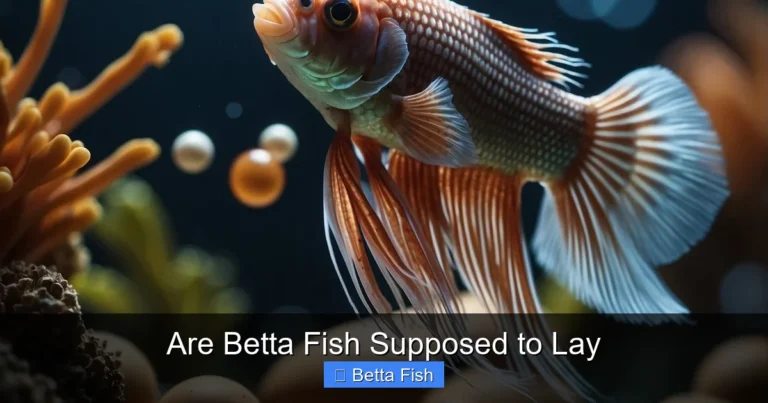
Is Betta Fish Fighting Legal
Is betta fish fighting legal? In most countries around the world, the answer is a clear no. Betta fish fighting is banned in nearly every nation due to animal cruelty laws. While it has deep cultural roots in some regions, modern laws protect these fish from organized fighting. Let us explore the legal status, penalties, and why this practice is so widely prohibited.
Is betta fish fighting legal? This is a question many people ask, especially those new to the world of betta fish. The short answer is no. In the vast majority of countries, betta fish fighting is against the law. But the full story is much more interesting than a simple yes or no.
Betta fish, also known as Siamese fighting fish, have a long and complex history. For centuries, people in Southeast Asia have watched these colorful fish battle each other. Today, the practice of organized betta fish fighting is banned in most places. But why? And what does the law actually say? Let us dive into the details.
Understanding the legal status of betta fish fighting matters. Whether you are a fish owner, a curious reader, or someone who has stumbled upon this topic, this guide covers everything you need to know. We will look at the history, the laws, the penalties, and what you can do instead.
Key Takeaways
- Betta fish fighting is illegal in most countries due to animal cruelty laws.
- Thailand has the deepest historical connection to betta fish fighting culture.
- Punishments for organizing or participating in betta fish fights can include heavy fines and jail time.
- Legal betta fish shows exist where fish are judged on appearance, not aggression.
- Betta fish are naturally territorial, which is why fighting can cause serious harm.
- Reporting illegal fighting helps protect animals and enforces existing laws.
- Ethical alternatives like fish shows and breeding competitions are widely available.
📑 Table of Contents
- What Is Betta Fish Fighting?
- The History of Betta Fish Fighting
- Is Betta Fish Fighting Legal? A Country-by-Country Look
- Why Is Betta Fish Fighting Banned?
- The Consequences of Illegal Betta Fish Fighting
- Legal Alternatives to Betta Fish Fighting
- What You Should Do If You Encounter Illegal Betta Fish Fighting
- Common Myths About Betta Fish Fighting
- Conclusion
What Is Betta Fish Fighting?
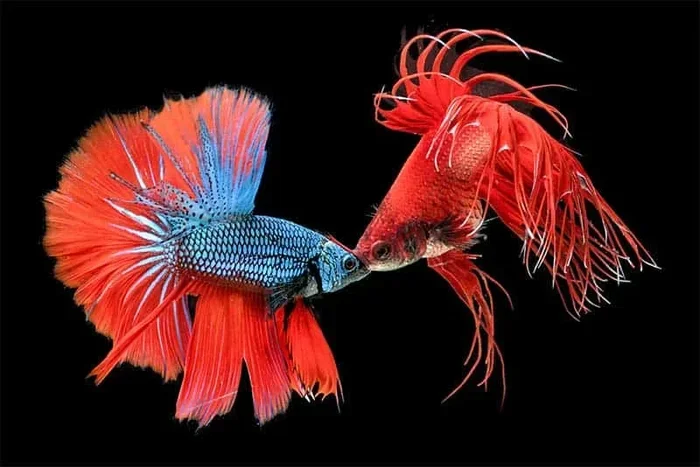
Betta fish fighting is a practice where two male betta fish are placed in the same tank or container and forced to fight. Male bettas are naturally territorial. They flare their gills, spread their fins, and bite at each other. This behavior is part of their instincts.
In the wild, bettas live in shallow rice paddies and slow-moving streams in Southeast Asia. They do not usually fight to the death. But when placed in small, confined spaces, stress and aggression increase. This is exactly what happens in organized fighting events.
The practice has a long history. People in Thailand and Cambodia have bred bettas for fighting ability for hundreds of years. Over time, this became a cultural tradition. But traditions change. And today, most countries have made this practice illegal.
Why Do Betta Fish Fight?
Betta fish are called fighting fish for a reason. Male bettas have a natural urge to defend their territory. When they see another male in their space, they react aggressively. This is not just a habit. It is built into their biology.
In the wild, fights usually end with one fish backing down. The loser swims away. But in a small container, there is no escape. This is what makes organized fighting so cruel. The fish cannot retreat. They are forced to fight until one is badly injured or dies.
If you want to learn more about why bettas are called fighting fish, check out our guide on why betta fish are called fighting fish.
The History of Betta Fish Fighting
The history of betta fish fighting goes back centuries. In Thailand, then known as Siam, people began collecting wild bettas and watching them fight in rice paddies. By the 1800s, it had become a popular pastime. People would place bets on which fish would win.
Over time, breeders in Thailand worked to develop bettas with stronger fighting instincts. They selected fish that were more aggressive and resilient. This breeding focus shaped the bettas we know today. But it also created a demand for organized fights.
In the 1960s and 1970s, betta fish fighting spread to other parts of Asia and beyond. It became a popular activity in countries like Malaysia, Vietnam, and Indonesia. But as animal welfare awareness grew, so did opposition to the practice.
Today, Thailand still has the strongest cultural ties to betta fish fighting. The government has tried to regulate it over the years. But the tradition remains deeply rooted in some communities. Still, the legal status has changed dramatically in recent decades.
Is Betta Fish Fighting Legal? A Country-by-Country Look
The legal status of betta fish fighting varies by country. But the trend is clear: most nations have banned it. Let us look at how different regions handle this issue.
Thailand
Thailand is the birthplace of betta fish fighting culture. For a long time, it was loosely regulated rather than fully banned. In recent years, however, Thai authorities have cracked down harder. Organizing fights can now lead to fines and even jail time. The government has also introduced animal welfare laws that apply to fish.
Despite these laws, underground fighting rings still exist. Enforcement is difficult in rural areas where the tradition is strongest. But the direction of the law is moving toward a full ban.
United States
In the United States, betta fish fighting is illegal. It falls under general animal cruelty laws. Most states have specific statutes that prohibit animal fighting. These laws cover not just dogs and roosters but also fish.
Organizing a betta fish fight can result in criminal charges. Penalties vary by state but can include fines of several thousand dollars and even short jail sentences. Animal control agencies can also seize the fish involved.
United Kingdom and Europe
The UK and most European countries have strong animal welfare laws. Betta fish fighting is clearly illegal under these laws. The Animal Welfare Act in the UK, for example, protects all animals from unnecessary suffering. Fish are included in this protection.
In the European Union, animal welfare standards are even stricter. Any form of animal fighting, including fish fighting, is prohibited. Countries like Germany, France, and Spain enforce these laws firmly.
Australia and New Zealand
Australia and New Zealand take animal cruelty very seriously. Both countries have laws that make betta fish fighting a criminal offense. Penalties can be severe, including large fines and imprisonment. These nations have some of the strongest animal protection laws in the world.
Other Asian Countries
In countries like Malaysia, Vietnam, and Indonesia, the laws are less clear. Betta fish fighting has deep cultural roots in these regions. Some areas still tolerate the practice openly. However, animal welfare organizations are pushing for stronger laws and enforcement.
In general, the global trend is moving toward banning betta fish fighting. More countries are recognizing that fish feel stress and pain. This shift in understanding is helping to change the law.
Why Is Betta Fish Fighting Banned?
There are several strong reasons why betta fish fighting is banned in most places. Understanding these reasons helps us see why the laws exist.
Animal Cruelty
The biggest reason is animal cruelty. When two male bettas are forced to fight, they suffer. They bite each other, tear fins, and cause wounds. In small containers, the losing fish has nowhere to go. It may be injured badly or even die.
Fish may not show pain the same way mammals do. But science has shown that fish do experience stress and discomfort. Forcing them to fight is widely considered cruel and unnecessary.
Unnecessary Suffering
Even if a betta fish survives a fight, the damage can be long-lasting. Torn fins, infections, and stress can shorten a fish’s life. The betta fish lifespan is already relatively short, usually around 3 to 5 years. Fighting can cut that time even shorter.
Many fish that survive fights are then discarded. They are seen as losers or damaged goods. This wasteful treatment adds to the cruelty of the practice.
Ethical Concerns
Beyond the law, there are strong ethical reasons to oppose betta fish fighting. Most people today believe that animals should not be made to fight for entertainment. This view applies to dogs, roosters, and fish alike.
Responsible fish owners focus on the health and well-being of their pets. They provide good water, proper food, and a safe environment. Forcing fish to fight goes against everything that responsible pet ownership stands for.
If you want to learn more about betta fish behavior and what makes them fight, read our article on betta fish fighting behavior.
The Consequences of Illegal Betta Fish Fighting
Participating in or organizing betta fish fighting can lead to serious consequences. The penalties depend on the country and the severity of the offense.
Legal Penalties
In countries where betta fish fighting is banned, the penalties can be harsh. Here is a quick look at what can happen:
- Fines: Organizers can face fines ranging from a few hundred to several thousand dollars.
- Jail Time: In serious cases, especially where large numbers of fish are harmed, jail sentences are possible.
- Animal Seizure: Authorities can seize all animals involved in the fighting.
- Criminal Record: Convictions for animal cruelty can result in a permanent criminal record.
- Community Service: Some courts order animal welfare community service as part of the sentence.
Reputation Damage
Beyond legal penalties, being involved in betta fish fighting can damage your reputation. Fish keeping communities are generally against the practice. Breeders, pet stores, and fish clubs often distance themselves from anyone associated with fighting.
If you are caught organizing fights, you may be banned from fish shows and breeding communities. This can be a serious blow for anyone who takes fish keeping seriously.
Legal Alternatives to Betta Fish Fighting
The good news is that there are many fun and legal ways to enjoy betta fish. You do not need to watch or participate in fighting to appreciate these beautiful creatures.
Betta Fish Shows
Betta fish shows are popular around the world. Fish are judged on their color, fin shape, and overall health. These events celebrate the beauty of bettas without any fighting. Winners earn ribbons and prizes, just like dog shows.
Many local fish clubs host shows regularly. They are a great way to meet other betta enthusiasts and learn more about proper fish care.
Breeding Competitions
Breeding competitions focus on producing healthy, vibrant bettas with the best genetics. Breeders work hard to develop new color patterns and fin types. These events are legal and widely respected in the fish keeping community.
Photography and Art
Betta fish are incredibly colorful and graceful. Many people enjoy photographing or painting their bettas. This is a creative and peaceful way to celebrate these fish. You can even share your photos online with fish keeping communities.
For those interested in keeping bettas as pets, make sure you provide the right environment. Check out our guide on the best tank size for a betta fish to get started.
What You Should Do If You Encounter Illegal Betta Fish Fighting
If you come across betta fish fighting, you have a responsibility to act. Here is what you should do:
- Do not participate. Even watching can encourage the practice. Walk away.
- Document what you see. Take photos or videos if it is safe to do so.
- Report it to local authorities. Contact animal control or your local police department.
- Spread awareness. Share information about the cruelty and illegality of fish fighting.
Your actions can help protect fish and enforce the law. Every report matters.
Common Myths About Betta Fish Fighting
There are many myths surrounding betta fish fighting. Let us clear up a few of the most common ones.
- Myth: Betta fish enjoy fighting. Fact: Fish do not enjoy fighting. They react out of territorial instinct, not pleasure.
- Myth: Fish fighting is a harmless tradition. Fact: It causes real suffering and often results in injury or death.
- Myth: Only male bettas fight. Fact: While males are the most aggressive, females can also show territorial behavior.
- Myth: Small fights do not hurt the fish. Fact: Even brief fights can cause torn fins, stress, and infections.
If you have heard that betta fish and fighter fish are the same thing, you are not wrong. Bettas are often called fighter fish because of their aggressive nature. But that does not mean fighting should be encouraged or entertained.
Conclusion
So, is betta fish fighting legal? The answer is clear: in most of the world, it is not. Betta fish fighting is banned in the United States, the UK, Australia, and many other countries. Even in places where it has cultural roots, the laws are tightening.
The reasons for these bans are simple and important. Fish deserve to be treated with care and respect. They should not be forced to fight for entertainment. The penalties for organizing or participating in fish fights are serious.
Instead of fighting, focus on the positive side of betta keeping. Show off your fish at competitions. Breed healthy and beautiful bettas. Take stunning photos. There are so many ways to enjoy these amazing fish without causing harm.
Remember, being a responsible fish owner means standing up against cruelty. If you see something wrong, report it. Share what you know. Together, we can make sure betta fish are treated the way they deserve.
Frequently Asked Questions
Is betta fish fighting legal anywhere in the world?
A few countries still have loose regulations or weak enforcement, but most nations have banned betta fish fighting. Thailand, the birthplace of the practice, has been tightening its laws in recent years. In general, organized fish fighting is considered illegal in the vast majority of countries.
What happens if you get caught organizing betta fish fights?
The consequences can be serious. You may face heavy fines, jail time, and a criminal record. Authorities can also seize your fish and equipment. The exact penalty depends on the country and the severity of the offense.
Why do people still participate in betta fish fighting?
In some regions, betta fish fighting is a deeply rooted cultural tradition. People see it as a social activity and a way to earn money. However, awareness about animal welfare is growing, and fewer people support the practice today.
Are there legal betta fish competitions?
Yes! Betta fish shows and breeding competitions are legal and very popular. Fish are judged on their color, fin shape, and overall health. These events celebrate the beauty of bettas without any fighting or harm to the fish.
Can you go to jail for betta fish fighting?
In many countries, yes. Animal cruelty laws that cover fish fighting can result in jail sentences. The length of the sentence depends on the country and the circumstances of the case. Repeated offenses or large-scale operations often face harsher penalties.
How can I report illegal betta fish fighting?
Contact your local animal control agency, police department, or wildlife authority. Provide as much detail as possible, including dates, locations, and any evidence you have. Reporting illegal activity helps protect animals and supports law enforcement efforts.