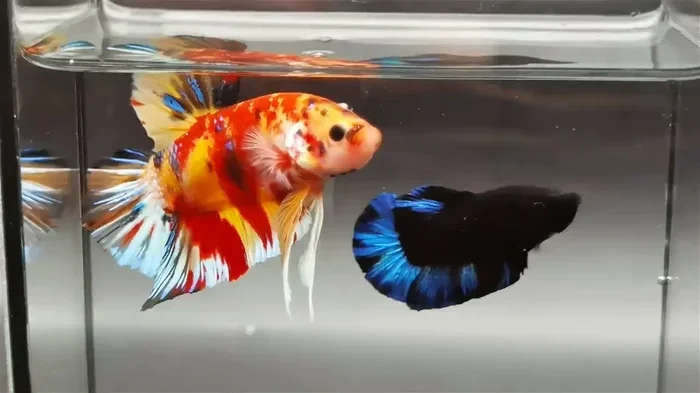
Is Betta Fish Fighting Illegal in the Us

Yes, betta fish fighting is illegal in the United States. Most states have strict laws against animal cruelty, and organized fish fighting falls under those protections. If you are wondering whether is betta fish fighting illegal in the us, the short answer is a firm yes. These laws exist to protect betta fish from unnecessary harm and suffering.
Betta fish are some of the most colorful and fascinating creatures you can keep at home. Their flowing fins and bright personalities make them a favorite among fish lovers. But behind their beauty lies a dark history. For centuries, people bred these fish for one purpose: fighting. Today, many people wonder whether this practice still exists and whether it is against the law.
If you have ever asked yourself, is betta fish fighting illegal in the us, you are not alone. The answer is clear. Betta fish fighting is illegal in every single US state. These laws exist to protect animals from unnecessary suffering. In this article, we will explore the history of betta fish fighting, the laws that ban it, the penalties for breaking those laws, and what you can do to keep your betta happy and healthy.
Understanding the legal and ethical sides of this topic helps us become better pet owners. It also helps us speak up for animals who cannot speak for themselves. Let us dive in and learn everything you need to know.
Key Takeaways
- Betta fish fighting is illegal across all 50 US states under animal cruelty statutes.
- Federal and state laws both prohibit organizing, promoting, or participating in fish fighting events.
- Punishments can be severe, including fines, jail time, and permanent bans on animal ownership.
- Betta fish were historically bred for fighting, but modern care focuses on their well-being and beauty.
- Keeping bettas in proper tanks with appropriate conditions is the best way to support their health and longevity.
- Reporting suspected fish fighting can help protect animals and enforce existing laws.
📑 Table of Contents
The History of Betta Fish Fighting
Betta fish, also known as Siamese fighting fish, come from Southeast Asia. People in countries like Thailand, Cambodia, and Vietnam bred them for fighting as far back as the 1800s. The name “fighting fish” comes directly from this history. Children would collect wild bettas and place them in small containers to watch them spar.
Over time, this became a organized activity. People would bet money on which fish would win. The fish that showed the most aggression were bred together to create even more fierce fighters. This culture of fighting spread throughout the region and eventually reached other parts of the world.
However, the practice of breeding bettas for fighting is very different from keeping them as pets today. Modern betta fish care focuses on their health, color, and fin shape. Responsible breeders work to improve the fish’s appearance and temperament, not their aggression.
It is worth noting that betta fish are called fighting fish because of their natural territorial behavior. Male bettas will flare their gills and spread their fins when they see another male. This instinct is part of their biology. But that natural behavior does not mean we should force them to fight.
Is Betta Fish Fighting Illegal in the US?
The short answer is yes. Betta fish fighting is illegal throughout the United States. Both federal and state laws prohibit this activity. Let us break down how these laws work.
Federal Laws Against Animal Fighting
At the federal level, the Animal Welfare Act provides broad protections for animals. While it was originally written to cover larger animals, courts have interpreted it to include all animals, including fish. Organizing or promoting any form of animal fighting can lead to federal charges.
The Animal Crush Video Prohibition Act also plays a role. This law bans the creation and distribution of videos showing animals being harmed. Fish fighting videos fall under this prohibition. Anyone who records or shares footage of betta fish fighting could face serious legal consequences.
State Laws and Animal Cruelty Statutes
Every US state has its own animal cruelty laws. These laws make it illegal to intentionally harm, torture, or fight animals. Betta fish are covered under these protections. Here is what you need to know:
- All 50 states have felony-level animal cruelty statutes.
- Organizing a fish fight is considered a crime in every state.
- Attending a fish fight can also lead to criminal charges in many states.
- Owning equipment specifically designed for fighting can raise legal red flags.
Some states have taken extra steps. For example, several states have passed laws that specifically mention fish fighting as a prohibited activity. These laws make it very clear that fighting any animal, including fish, is not allowed.
If you are curious about keeping multiple bettas together, it is important to know that keeping two male bettas in the same tank is not the same as fighting. In fact, male bettas should never be housed together because they will attack each other. But responsible fish keeping means providing each betta with its own proper space.
Penalties for Betta Fish Fighting
The penalties for participating in or promoting betta fish fighting can be severe. Courts take animal cruelty very seriously, and the punishment reflects that.
Criminal Penalties
Depending on the state, penalties may include:
- Fines ranging from a few hundred dollars to several thousand dollars.
- Jail time of up to one year or more for felony charges.
- Probation with conditions such as no contact with animals.
- Community service related to animal welfare organizations.
- Permanent bans on owning or caring for animals.
Civil and Administrative Consequences
Beyond criminal charges, people involved in fish fighting may face additional consequences. These can include:
- Confiscation of all animals in their care.
- Civil lawsuits from animal welfare organizations.
- Loss of professional licenses, especially in industries related to animals.
- Negative impacts on employment and reputation.
These penalties exist to send a strong message. Animal fighting is not a harmless hobby. It causes real suffering to living creatures, and the law treats it accordingly.
Why Betta Fish Fighting Is Harmful
Understanding the legal side is important, but understanding the harm is equally crucial. Betta fish fighting causes real physical and psychological damage to the fish involved.
Physical Harm to the Fish
When two male bettas fight, they bite each other’s fins and tails. Their sharp teeth can cause deep wounds. In the wild, one fish usually retreats before the fight becomes deadly. But in a small container, there is nowhere to escape. This means injuries can become severe or even fatal.
Fighting causes extreme stress for the fish. Stressed bettas are more likely to get sick. They may develop infections, lose their color, or stop eating. A weakened immune system makes them vulnerable to diseases that can kill them.
In contrast, a well-cared-for betta in a proper betta fish tank can live a long and healthy life. The average betta fish lifespan is 3 to 5 years when kept in good conditions. Fighting drastically shortens that life.
The Ethical Argument
Beyond physical harm, there is a strong ethical argument against fish fighting. Animals deserve to live without being forced into violent situations for human entertainment. This is the same reasoning behind the bans on dog fighting and cockfighting. Fish feel stress and pain, even if they do not show it the same way mammals do.
Most people who love betta fish appreciate them for their beauty and personality. Watching two fish hurt each other goes against everything that responsible fish keeping stands for. The hobby has evolved far beyond its fighting origins, and that is a good thing.
How to Keep Betta Fish the Right Way
If you love betta fish, the best thing you can do is provide excellent care. A happy, healthy betta is the opposite of a fighting fish. Here are some tips to make sure your betta thrives.
Provide a Proper Tank Setup
Betta fish need more space than many people think. A tank of at least 5 gallons is recommended. Here is what a good setup looks like:
- A heater to keep the water between 76 and 82 degrees Fahrenheit.
- A filter to keep the water clean and free of toxins.
- Plants and hiding spots to give your betta places to explore and rest.
- Soft substrate to protect their delicate fins.
Feed a Balanced Diet
Betta fish are carnivores. They need protein-rich food to stay healthy. High-quality betta pellets should form the base of their diet. You can also offer frozen or live foods like brine shrimp and bloodworms as treats. Avoid overfeeding, which can lead to health problems and dirty water.
Keep the Water Clean
Clean water is essential for betta health. Perform regular water changes, about 25 to 30 percent every week. Test the water parameters regularly to make sure ammonia and nitrite levels stay at zero. Cloudy water can be a sign of bacterial buildup or poor filtration, and it should be addressed quickly.
Give Your Betta Enrichment
Betta fish are curious and intelligent. They enjoy exploring their environment. You can add caves, tunnels, and floating plants to keep them stimulated. A happy betta will show off its colors and swim actively around the tank. This is the best sign that your fish is thriving.
Never House Two Males Together
Male bettas are highly territorial. Putting two males in the same tank will almost always lead to fighting. Even in large tanks with plenty of barriers, the stress is not worth the risk. If you want multiple bettas, consider keeping females together in a sorority tank with plenty of space and hiding spots.
What to Do If You Suspect Fish Fighting
If you ever come across a situation where betta fish are being fought, you have options. Speaking up can save lives and help enforce the law.
- Do not intervene directly. You could put yourself in danger or make the situation worse.
- Document what you see if it is safe to do so. Take photos or videos with dates and locations.
- Report it to local animal control or your local humane society. They have the authority to investigate.
- Contact law enforcement if you believe a crime is being committed. Animal fighting is a criminal offense.
Your voice matters. Many cases of animal cruelty go unreported simply because people do not know what to do. By taking action, you help protect animals and support the legal system that keeps them safe.
Conclusion
Betta fish fighting is not only unethical, it is also fully illegal in the United States. Federal and state laws work together to punish those who organize, promote, or participate in any form of animal fighting, including fish fighting. The penalties are serious and can include fines, jail time, and permanent bans on animal ownership.
The history of betta fish fighting is a reminder of how far the hobby has come. Today, betta fish are beloved pets appreciated for their stunning colors and unique personalities. Keeping them in proper tanks with clean water and good nutrition is the best way to honor these remarkable creatures.
If you care about betta fish, make sure your own practices reflect that care. Provide a healthy home, learn about their needs, and speak up when you see cruelty. Every betta fish deserves to live a peaceful and happy life, free from the shadow of their fighting past.
Remember, is betta fish fighting illegal in the us is not just a question with a legal answer. It is a question about compassion, responsibility, and respect for the animals we choose to care for.
Frequently Asked Questions
Is it illegal to fight betta fish in the United States?
Yes, it is illegal in all 50 states. Animal cruelty laws cover all animals, including fish. Organizing, promoting, or participating in betta fish fighting can result in criminal charges, fines, and jail time.
Why are betta fish called fighting fish?
Betta fish are called fighting fish because of their natural territorial behavior. Males will flare and attack other males in the wild. Historically, people in Southeast Asia bred them specifically for fighting contests. Today, responsible breeders focus on their appearance and health instead.
What are the penalties for organizing a fish fight?
Punishments vary by state but can include fines ranging from hundreds to thousands of dollars, jail time of up to a year or more, probation, community service, and permanent bans on animal ownership. Courts treat animal fighting very seriously.
Can betta fish survive in the wild after being bred for fighting?
Betta fish can survive in the wild under the right conditions. However, fighting can cause injuries and stress that weaken their health. A well-cared-for pet betta has a much better chance of living a long, healthy life than a fish used for fighting.
How can I tell if my betta fish is stressed or unhealthy?
Signs of stress include faded colors, clamped fins, hiding constantly, loss of appetite, and rapid breathing. If your betta shows these signs, check your water parameters, temperature, and tank setup. A clean, properly heated tank with plenty of hiding spots can help reduce stress.
Where should I report suspected fish fighting?
Contact your local animal control, humane society, or law enforcement. Provide as much detail as possible, including dates, locations, and any documentation you have. Reporting suspected cruelty helps protect animals and ensures those responsible are held accountable.