Can Betta Fish Barf

Betta fish can appear to “barf” when they expel undigested food or excess mucus, not because they actually vomit. This behavior is usually harmless but can signal stress, over‑feeding, or illness. Understanding the cause and adjusting tank care can keep your betta healthy and happy.
Key Takeaways
- Barf‑like expulsion is normal: Betta fish often release undigested food or slime, which looks like vomiting.
- Common triggers: Over‑feeding, poor water quality, and stress are the main reasons.
- Watch for red flags: Persistent regurgitation, loss of appetite, or cloudy eyes mean a vet visit.
- Diet matters: High‑quality pellets, occasional frozen foods, and proper portion sizes reduce the chance of “barfing.”
- Tank hygiene is key: Regular water changes and a well‑filtered environment keep stress low.
- Know the difference: True vomiting is rare in fish; most “barfing” is just expelled waste.
- When in doubt, seek help: A reputable aquarium store or vet can diagnose hidden problems.
📑 Table of Contents
- Introduction: Why the Question “Can Betta Fish Barf?” Pops Up
- What “Barfing” Looks Like in Betta Fish
- Common Causes of Betta “Barfing”
- How to Tell If It’s a Problem
- Preventing Unwanted “Barfing”
- Frequently Asked Questions About Betta “Barfing”
- Putting It All Together: A Simple Care Routine
- Related Topics You Might Find Helpful
- Conclusion: Keeping Your Betta Comfortable and Healthy
Introduction: Why the Question “Can Betta Fish Barf?” Pops Up
If you’ve ever watched a betta flash a quick splash of white or brown material from its mouth, you might wonder: Is my fish vomiting? The short answer is that bettas don’t truly vomit the way mammals do, but they can expel undigested food, mucus, or even parasites in a way that looks like barfing.
Understanding this behavior helps you spot real health issues before they become serious. In the next few sections we’ll break down what’s really happening, why it occurs, and what you can do to keep your finned friend thriving.
What “Barfing” Looks Like in Betta Fish
Typical signs
When a betta “barfs,” you’ll see one or more of the following:
Visual guide about Can Betta Fish Barf
Image source: buildyouraquarium.com
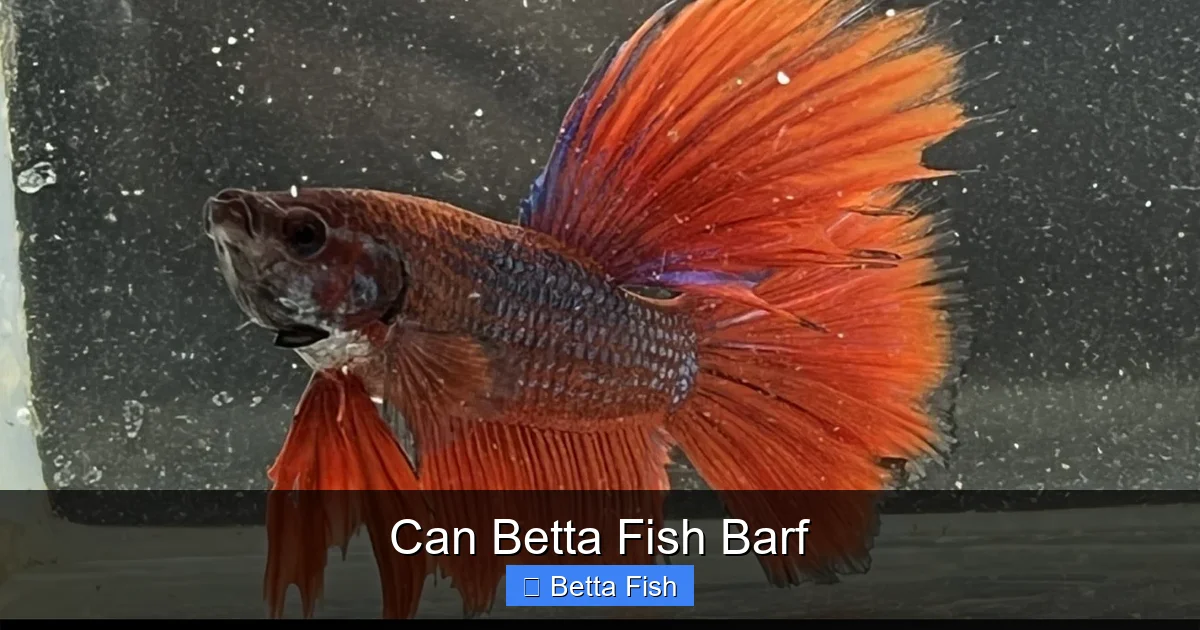
- Small flecks of white or brown material emerging from the mouth.
- A brief cloud of mucus that quickly dissolves in the water.
- Occasional bubbles that look like a tiny splash.
These events are usually brief—lasting just a second or two—then the fish resumes normal swimming.
What it isn’t
True vomiting, where a fish forcefully expels stomach contents, is extremely rare. Most “barfing” is actually the fish clearing its mouth of excess food or protective slime. If you see a betta gasping, floating upside‑down, or bleeding, that’s a different story and needs immediate attention.
Common Causes of Betta “Barfing”
1. Over‑feeding
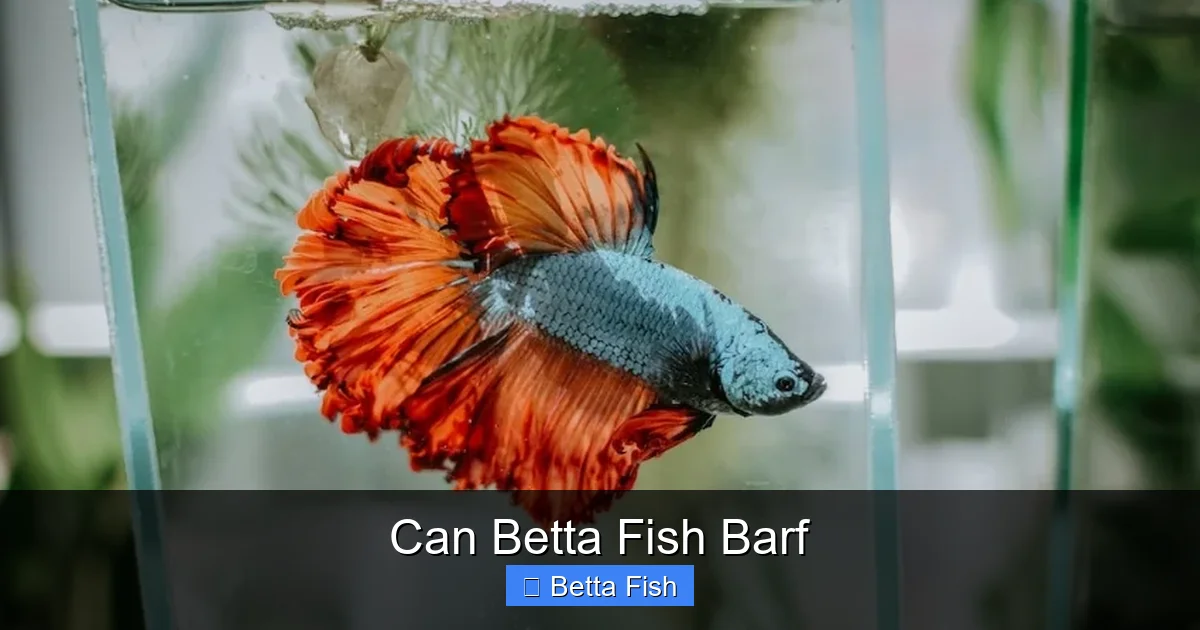
Betta fish have tiny stomachs. Feeding more than they can handle often leads to food being pushed back up and expelled. A good rule of thumb is to offer an amount they can eat in 2–3 minutes, once or twice a day.
Visual guide about Can Betta Fish Barf
Image source: infishtank.com
2. Poor Water Quality
High ammonia or nitrite levels stress bettas, causing them to release excess mucus. Regular water changes (25‑30% weekly) and a reliable filter keep the environment stable.
3. Stressful Environment
Rapid temperature shifts, aggressive tank mates, or a cramped space can all raise cortisol levels. A stressed betta may “spit” out slime as a defense mechanism.
4. Digestive Parasites or Infections
Protozoan parasites like Hexamita can irritate the gut, prompting the fish to expel material. Look for other signs such as weight loss, white spots, or a “stringy” belly.
5. Inappropriate Diet
Low‑quality pellets that disintegrate quickly can clog the digestive tract. Adding occasional frozen or live foods (like daphnia) improves nutrition and reduces waste.
How to Tell If It’s a Problem
Red‑flag symptoms
While occasional “barfing” is normal, watch for these warning signs:
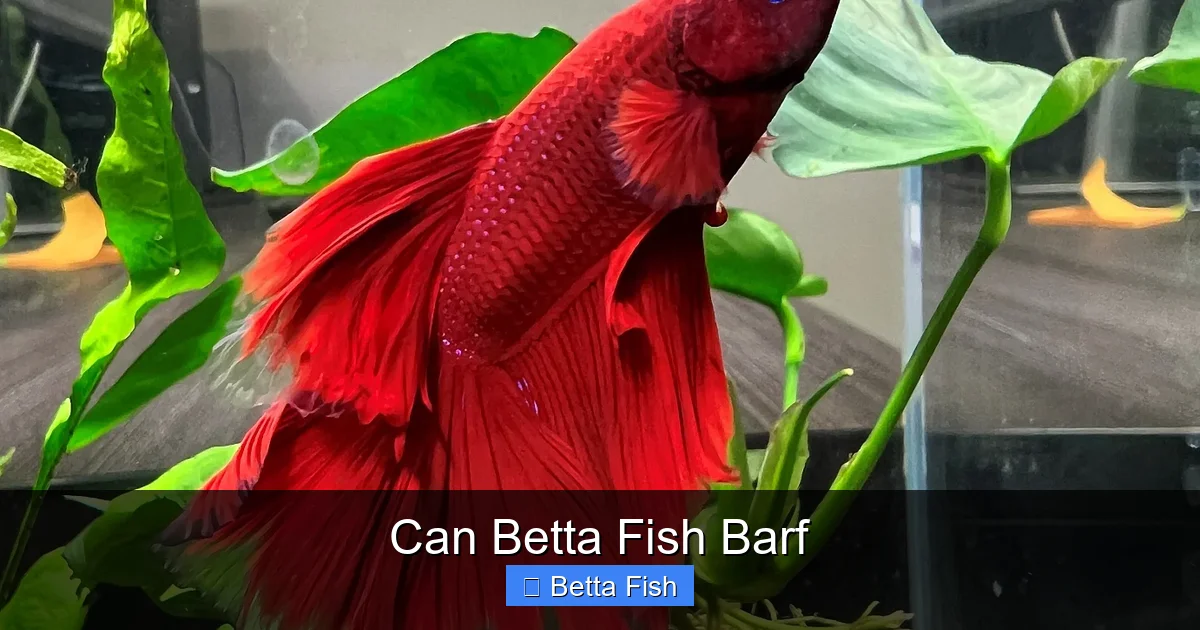
Visual guide about Can Betta Fish Barf
Image source: nt-labs.com
- Frequent expulsion (more than once a day).
- Loss of appetite or refusal to eat.
- Cloudy, bulging, or sunken eyes.
- Faded colors or torn fins.
- Excessive mucus covering the tank walls.
If any of these appear, consider a water test and possibly a vet visit.
Simple diagnostic steps
- Test water for ammonia, nitrite, nitrate, and pH.
- Observe feeding habits for 48 hours.
- Check tank temperature (ideal 76‑82°F).
- Inspect the fish’s body for spots, torn fins, or abnormal swelling.
Preventing Unwanted “Barfing”
Feeding best practices
Feed high‑quality betta pellets that sink slowly. Offer 2–3 pellets per feeding for a small adult betta. Freeze‑thaw a small amount of bloodworm or brine shrimp once a week for variety.
Maintaining optimal water conditions
Change 25% of the water weekly, use a gentle sponge filter, and keep the temperature stable with an aquarium heater. A simple test kit helps you stay on top of ammonia and nitrite spikes.
Providing a stress‑free environment
Give your betta at least 2.5 gallons of space, hideouts like silk plants, and a dim lighting schedule (12‑14 hours light, 10‑12 hours dark). Avoid bright, direct sunlight that can cause temperature swings.
When to seek professional help
If the “barfing” persists despite adjustments, reach out to a specialist. Many local fish stores carry medication for Hexamita and other common parasites.
Frequently Asked Questions About Betta “Barfing”
Do bettas ever actually vomit?
True vomiting is extremely rare in fish. What looks like vomiting is usually expelled food or mucus.
Can a betta’s diet cause the barfing?
Yes. Over‑feeding and low‑quality pellets are the top dietary culprits.
Is it safe to feed my betta live food?
Live or frozen foods are fine in moderation and can improve digestion, but always quarantine new foods to avoid parasites.
How often should I change the water?
Changing 25‑30% of the water weekly keeps ammonia low and reduces stress.
Can tank mates make my betta barf?
Aggressive or overly active tank mates can stress a betta, leading to mucus expulsion. Choose peaceful companions or keep a single betta in a well‑filtered tank.
When should I call a vet?
If your betta shows loss of appetite, cloudy eyes, or persistent “barfing,” a vet experienced with fish should examine it.
Putting It All Together: A Simple Care Routine
- Morning: Test water, feed 2–3 pellets, observe for any expelled material.
- Mid‑day: Spot‑clean any debris, check temperature.
- Evening: Perform a 25% water change if it’s the weekly schedule, add a small amount of conditioned water.
- Weekly: Deep‑clean the filter, replace any worn plants, and give a frozen food treat.
Following a consistent routine dramatically reduces stress‑related “barfing.”
Related Topics You Might Find Helpful
Wondering what else can affect your betta’s health? Check out these articles for more insights:
- Can Betta Fish Fins Grow Back – Learn how fin injuries heal.
- What Can Betta Fish Eat – A guide to balanced nutrition.
- Can You Keep Betta Fish In A Small Bowl – Understand tank size requirements.
Conclusion: Keeping Your Betta Comfortable and Healthy
Betta fish don’t truly “barf,” but they do sometimes expel food or mucus when stressed, over‑fed, or dealing with water issues. By watching feeding habits, maintaining clean water, and providing a calm environment, you can minimize these events and ensure your betta stays vibrant and active. Remember: occasional spit‑outs are normal, but persistent problems deserve a closer look and possibly professional help.
Frequently Asked Questions
Can betta fish vomit?
True vomiting is extremely rare in bettas. What appears as vomiting is usually expelled food or mucus.
What should I do if my betta constantly “bars”?
Check water parameters, reduce feeding portions, and ensure the tank isn’t overcrowded or noisy.
Is it safe to give my betta live worms?
Live or frozen foods are fine in small amounts, but always source them from reputable suppliers to avoid parasites.
How often can I feed my betta?
Two times a day is ideal; only give as much as they can eat in 2‑3 minutes.
Can poor water quality cause my betta to expel mucus?
Yes. High ammonia or nitrite levels stress bettas, leading to excess mucus production.
When is it necessary to see a vet?
If your betta shows loss of appetite, cloudy eyes, or persistent “barfing,” a fish‑savvy vet should examine it.