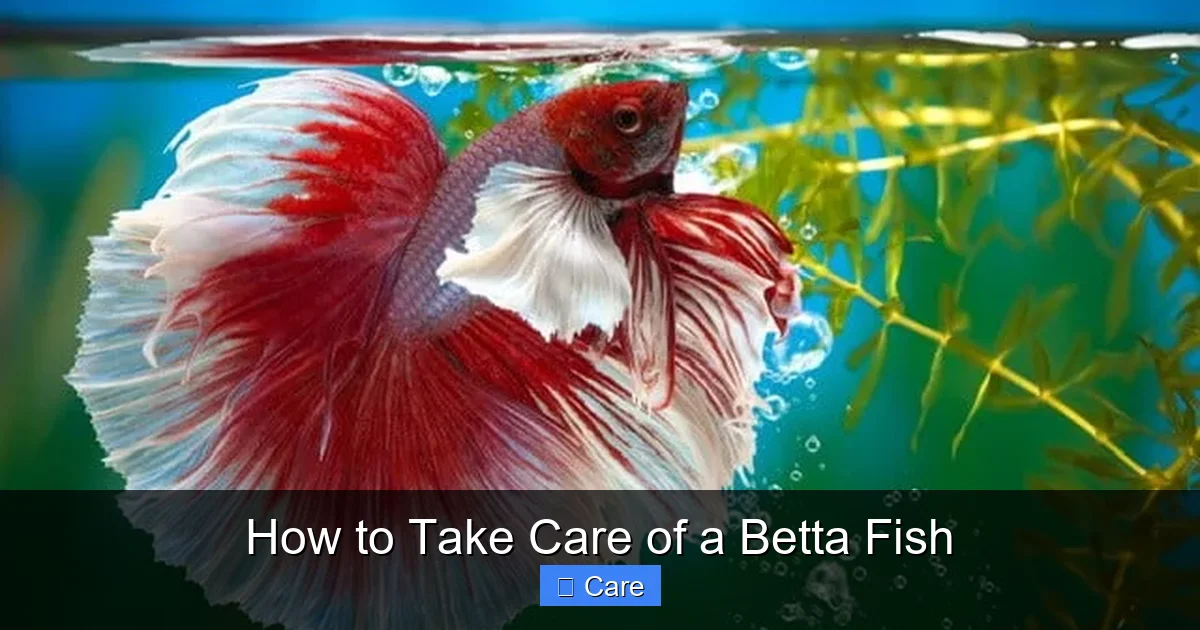
How to Take Care of a Betta Fish
Contrary to popular belief, betta fish need more than a small bowl to thrive. Proper betta fish care requires a heated, filtered tank of at least 5 gallons with pristine water quality. Feed a high-protein, varied diet and provide enrichment to prevent boredom. Monitor for signs of illness daily, as bettas are susceptible to common aquarium diseases. With the right setup and consistent maintenance, your betta can live a vibrant, healthy life for 3-5 years or more. The key is replicating their natural tropical habitat and treating them as a sensory-aware pet, not a decoration.
Key Takeaways
- Tank Size is Crucial: A single betta requires a minimum 5-gallon tank. Smaller containers lead to poor water quality, stress, and stunted growth.
- Water Quality is Non-Negotiable: Perform weekly 25-50% water changes, use a water conditioner, and cycle the tank. Bettas are extremely sensitive to ammonia and nitrites.
- Heating is Essential: As tropical fish, they need a stable water temperature of 78-80°F (25-27°C) provided by a reliable aquarium heater.
- Feed a High-Quality, Varied Diet: Offer high-protein pellets as a staple, supplemented with frozen or live foods like brine shrimp. Avoid overfeeding; a betta’s stomach is the size of its eye.
- Enrichment Prevents Boredom: Use silk or live plants, caves, and floating logs to provide hiding spots and resting places near the surface. Bettas are intelligent and curious.
- Learn to Read Your Betta: A healthy betta is active, flares at its reflection, and has vibrant, undamaged fins. Lethargy, clamped fins, or faded color are red flags.
- Avoid Common Myths: Never house two males together. While some females can cohabitate in a large, heavily planted sorority tank, it’s advanced. Avoid “betta bowls” and never use distilled water.
📑 Table of Contents
- The Truth About Betta Fish Care: Beyond the Bowl
- Creating the Perfect Aquatic Home: Tank Setup & Equipment
- The Foundation of Health: Mastering Water Quality & Maintenance
- Nutrition for Vitality: Feeding a Balanced Betta Diet
- Enrichment & Interaction: Keeping Your Betta Mentally Stimulated
- Health Monitoring & Common Ailments
- Conclusion: A Lifelong Commitment to a Remarkable Pet
The Truth About Betta Fish Care: Beyond the Bowl
You’ve probably seen them—vibrant, flowing-finned betta fish in tiny cups or bowls on a store shelf. This image has perpetuated a dangerous myth that these beautiful creatures, also known as Siamese fighting fish, are low-maintenance pets that can thrive in minimal conditions. Nothing could be further from the truth. Proper betta fish care is an act of compassion that transforms your pet from merely surviving to genuinely thriving. This guide will dismantle the myths and provide you with everything you need to know to create a healthy, stimulating environment for your aquatic companion. We’ll cover tank setup, water chemistry, nutrition, health, and enrichment in detail, ensuring you have the confidence to be the best betta keeper you can be.
Betta splendens are native to the shallow, slow-moving waters of rice paddies and marshes in Southeast Asia. In this environment, they have dense vegetation for hiding, warm, stable temperatures, and water that is soft and slightly acidic. Their famous labyrinth organ allows them to breathe atmospheric air, but this adaptation is for survival in oxygen-poor water, not a preference for it. Replicating aspects of this habitat in your home aquarium is the cornerstone of excellent betta fish care. Let’s begin with the most fundamental element: their home.
Creating the Perfect Aquatic Home: Tank Setup & Equipment
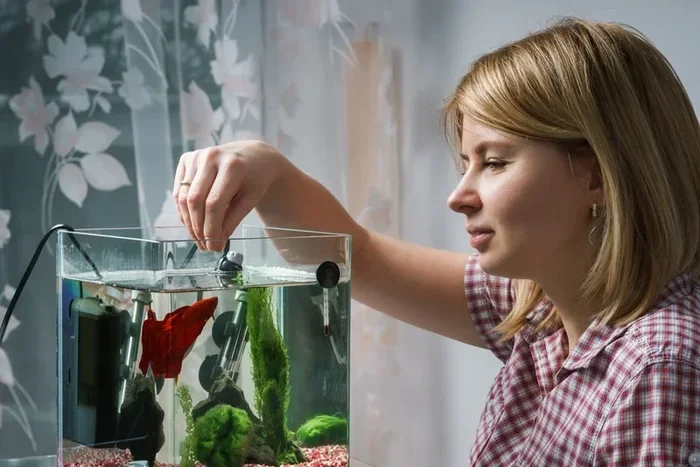
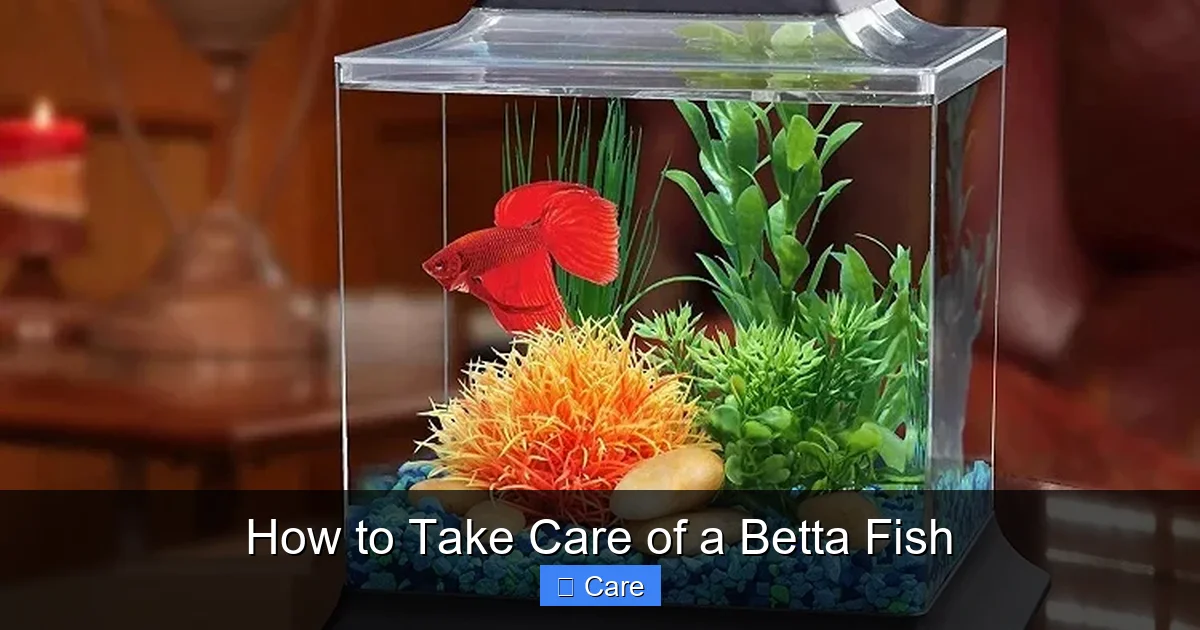
The single most important piece of advice for new betta owners is this: ditch the bowl. A proper aquarium is not a luxury; it is a necessity. The “bowl” concept is the root cause of most premature betta deaths due to rapid toxin buildup and temperature instability. Here is your step-by-step guide to setting up a betta’s dream home.
Visual guide about How to Take Care of a Betta Fish
Image source: fishlab.com
Tank Size and Shape: Why a 5-Gallon Minimum is the Golden Rule
Think of a betta’s tank as its entire world. A larger volume of water dilutes harmful waste products (ammonia, nitrite, nitrate), creating a more stable and less stressful environment. While a 2.5-gallon tank is a common “starter” size, it is the absolute bare minimum and still requires diligent maintenance. The widely accepted and strongly recommended minimum is a 5-gallon tank. This provides enough space for swimming, exploring, and establishing distinct territories. A 10-gallon tank is even better and allows for more creative aquascaping and the potential for compatible tank mates.
Shape matters too. Bettas are surface-dwellers and labyrinth breathers. They need easy access to the water’s surface to gulp air. A long, shallow tank (like a 20-gallon long) is often better than a tall, narrow tank of the same volume because it provides a larger surface area for gas exchange and gives the betta more horizontal swimming space. Avoid tanks with wide openings that could allow the betta to jump out; a secure lid is a must.
Filtration: Gentle but Effective
All aquariums need biological filtration to process toxic fish waste. A filter houses beneficial bacteria that convert deadly ammonia into less harmful nitrates. For bettas, the filter’s flow must be gentle. Their long, delicate fins make them poor swimmers in strong currents, leading to exhaustion and stress. Look for filters with adjustable flow settings. Sponge filters are an excellent, often underrated choice. They provide superb biological filtration, create a gentle current, and add aeration. They are also inexpensive and quiet. If using a hang-on-back (HOB) or canister filter, always direct the outflow against the tank glass or use a spray bar to diffuse the flow.
Heating: Maintaining Tropical Stability
Bettas are tropical fish. They require a consistent water temperature between 78-80°F (25-27°C). Room temperature is rarely stable or warm enough. An inconsistent chill weakens their immune system, slows metabolism, and makes them lethargic. A fully submersible aquarium heater with a thermostat is mandatory equipment. For a 5-gallon tank, a 25-watt heater is typically sufficient. Always use a separate, accurate aquarium thermometer to verify the heater’s setting. Never adjust the heater while it is out of the water.
Substrate, Plants, and Décor: Building a Betta-Friendly Landscape
Substrate choice is largely aesthetic, but smooth, rounded gravel or sand is best to prevent injury to the betta’s delicate underside. Avoid sharp-edged decorations. The décor is where you can truly enhance your betta’s quality of life. Enrichment is critical. Bettas are intelligent and curious; a barren tank causes boredom and stress.
- Plants: Use live plants (like Anubias, Java Fern, Marimo moss balls) or high-quality silk plants. Live plants help absorb nitrates, provide natural hiding spots, and mimic the betta’s wild habitat. Floating plants (like frogbit or dwarf water lettuce) are a favorite, as they offer shade and a natural resting platform right at the surface where bettas love to lounge.
- Hiding Spots: Provide caves, driftwood (like Malaysian or mopani), or ceramic pots. Ensure any opening is large enough for the betta to enter and exit freely and has no sharp edges. A betta needs to feel it has a safe place to retreat.
- Resting Places: Betta fish frequently rest. They will often sleep on the bottom, but they also love to nap on broad leaves near the surface. A betta leaf hammock or a tall plant with broad leaves is a perfect addition.
The Foundation of Health: Mastering Water Quality & Maintenance
You can have the most beautifully decorated tank, but if the water is poor, your betta will become sick. Water quality is the single most important factor in fish health. This section is the science of betta fish care.
Visual guide about How to Take Care of a Betta Fish
Image source: fishlab.com
Understanding the Nitrogen Cycle: The Biological Bedrock
Before adding a betta, you must cycle the tank. The nitrogen cycle is the process by which beneficial bacteria establish themselves to process fish waste. Fish excrete ammonia, which is highly toxic. Bacteria (Nitrosomonas) convert ammonia to nitrite (also toxic). Another bacteria (Nitrospira) then converts nitrite to nitrate, which is far less toxic and is removed by water changes. A cycled tank has an established population of these bacteria, usually on the filter media and substrate. Cycling takes 2-6 weeks. You can cycle with or without fish (using an ammonia source like pure ammonia or fish food). Using water from an established, healthy tank (a “seed”) can speed up the process. Test kits are essential to monitor ammonia, nitrite, and nitrate levels until they read zero (or near zero for ammonia/nitrite) and you see a nitrate spike.
Essential Water Parameters: The Numbers to Know
Once cycled, you need to maintain these parameters:
- Ammonia (NH3/NH4+): 0 ppm. Any detectable ammonia is poisoning your fish.
- Nitrite (NO2-): 0 ppm. Like ammonia, nitrite is highly toxic.
- Nitrate (NO3-): < 20 ppm is ideal. Keep it below 40 ppm through regular water changes.
- pH: Bettas prefer slightly acidic to neutral water, pH 6.5-7.5. Stability is more important than hitting an exact number. Avoid rapid pH swings.
- Temperature: 78-80°F (25-27°C).
- GH/KH: General Hardness (GH) and Carbonate Hardness (KH) are less critical but bettas prefer softer water. A GH of 3-4 dGH (50-70 ppm) is ideal.
Invest in a liquid test kit (like the API Freshwater Master Test Kit). Test strips are notoriously inaccurate, especially for ammonia. Test weekly and after any major water change or tank disruption.
The Routine: Water Changes Done Right
Water changes are your most powerful tool for maintaining water quality. In a cycled, filtered 5-gallon tank with one betta, a weekly 25-50% water change is standard. The volume you change depends on your nitrate levels. If nitrates are consistently below 20 ppm, 25% may suffice. If they climb, increase to 30-40%. Never perform a 100% water change, as it will wipe out your beneficial bacteria and shock the fish with sudden parameter shifts.
The Proper Method:
- Turn off the heater and filter.
- Use a gravel vacuum to siphon debris from the substrate while removing old tank water into a bucket. This also cleans the substrate.
- Match the temperature of the new, dechlorinated water (using a water conditioner like Seachem Prime) as closely as possible to the tank water.
- Slowly add the new water back to the tank, ideally pouring it over a rock or décor to avoid disturbing the substrate and stressing the fish.
- Wait 15-30 minutes, then turn the filter and heater back on.
Consistency is key. Perform changes on the same day each week.
Nutrition for Vitality: Feeding a Balanced Betta Diet
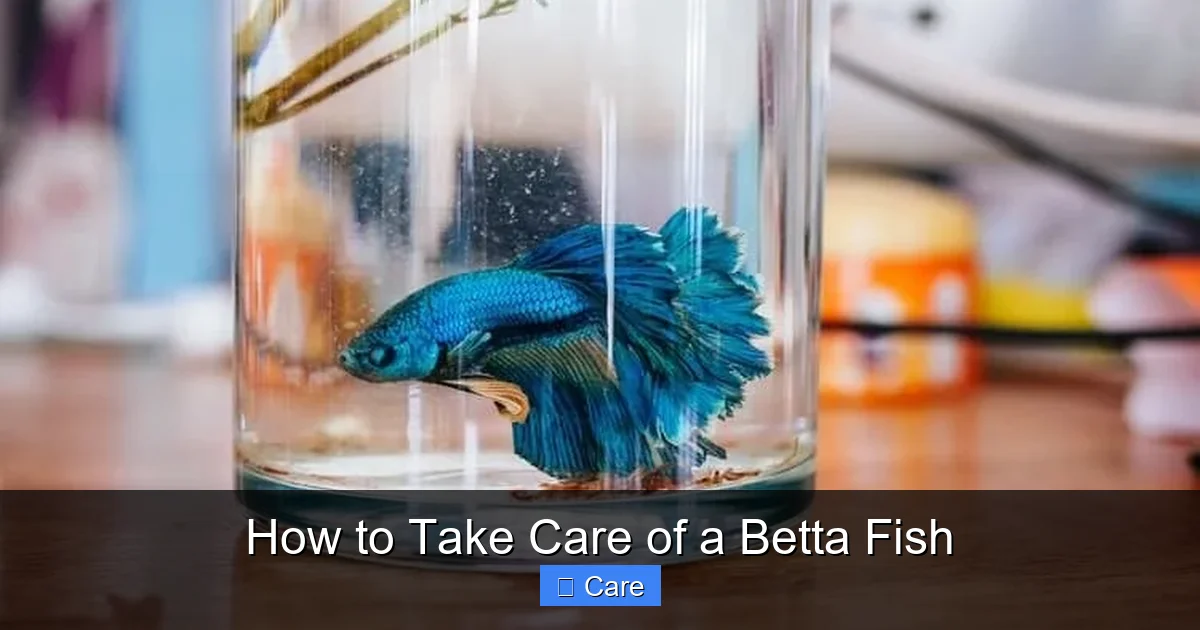
Bettas are carnivores by nature. In the wild, they eat insects, insect larvae (like mosquito larvae), and small crustaceans. A common mistake is feeding them flake food or too much plant-based matter. A proper diet is key to vibrant color, strong fins, and a robust immune system.
Visual guide about How to Take Care of a Betta Fish
Image source: pangopets.com
The Staple: High-Quality Pellets
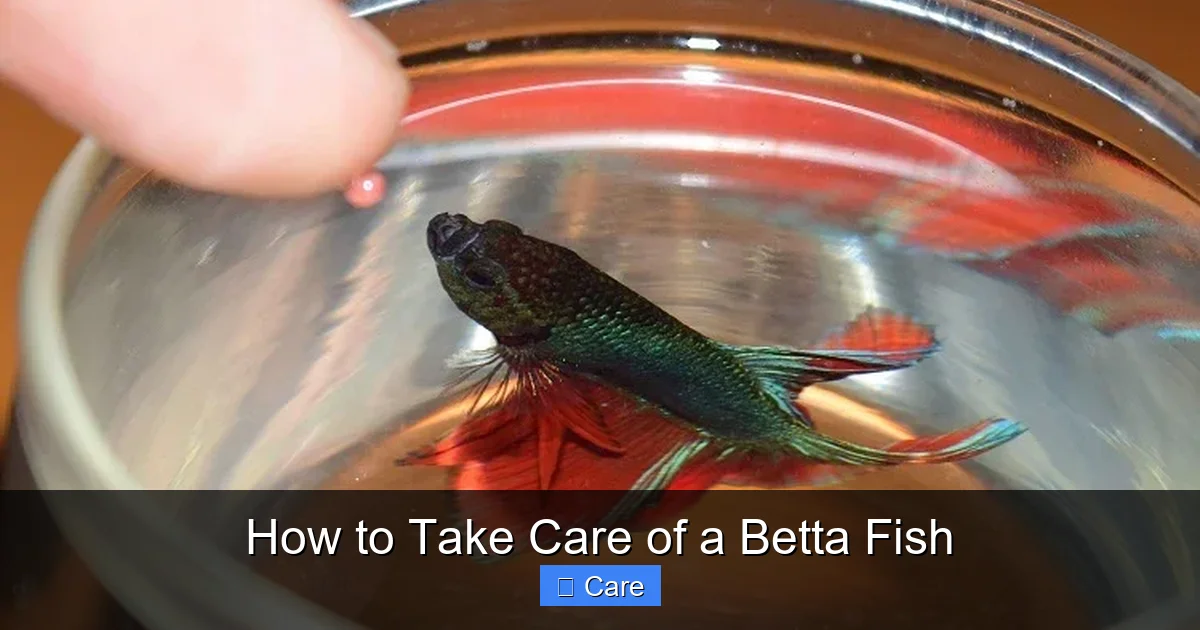
The foundation of your betta’s diet should be a high-quality betta pellet. Look for pellets where the first few ingredients are animal-based proteins (e.g., whole fish, shrimp, krill, squid). Avoid pellets with fillers like wheat, soybean meal, or rice as the primary ingredients. Feed only what your betta can consume in 2-3 minutes, once or twice daily. A betta’s stomach is approximately the size of its eye—this is a useful visual guide to prevent overfeeding. Overfeeding is the #1 cause of constipation, bloating, and poor water quality.
The Importance of Dietary Variety & Treats
Just like us, bettas benefit from a varied diet. Supplement the staple pellets 2-3 times per week with high-protein treats:
- Frozen Foods: Thaw a small portion of frozen brine shrimp, daphnia, or bloodworms. These are excellent for conditioning and are easily digestible. Rinse before feeding.
- Live Foods: If you can culture them, live brine shrimp or microworms are a fantastic, stimulating treat that encourages natural hunting behavior.
- Daphnia: Particularly good for relieving constipation due to its high fiber content.
Always remove any uneaten food from the tank within a few minutes to prevent it from decaying and fouling the water.
Enrichment & Interaction: Keeping Your Betta Mentally Stimulated
Betta fish are far more intelligent and aware than they are given credit for. In the wild, they are solitary hunters that patrol territories. A barren tank leads to a bored, stressed betta, which can manifest as lethargy, loss of appetite, or repetitive, stereotypical behaviors (like constant flaring at the glass). Enrichment is a vital, often overlooked part of betta fish care.
Environmental Enrichment
We touched on plants and décor, but let’s expand. Create a dynamic landscape. Use a combination of tall background plants, mid-ground plants, and foreground carpeting plants. Add items that change over time, like a new piece of driftwood (pre-soaked) or rearrange some plants periodically. This gives your betta a new environment to explore. Floating plants are especially important—they diffuse bright light, which bettas prefer, and provide crucial surface cover.
Interactive Play and Training
Bettas can recognize their keepers and can be trained! With patience and consistency (using food as a reward), you can teach your betta to:
- Follow your finger: Run your fingertip along the outside of the tank. Eventually, your betta will swim along with it.
- Jump for food: Hold a pellet just above the water surface. With practice, many bettas will leap to take it. (Be cautious and only do this over the tank!).
- Target train: Use a colored sticker on the glass as a target.
These activities provide mental stimulation and strengthen the bond between you and your pet. Always keep sessions short and positive.
Health Monitoring & Common Ailments
A vigilant keeper is a healthy keeper. Get in the habit of observing your betta for a few minutes each day. Know what “normal” looks like for your specific fish—its typical activity level, posture, and color intensity. Early detection of illness is critical for successful treatment.
Signs of a Healthy Betta
- Active and curious, swimming throughout the tank.
- Eagerly eats during feeding time.
- Fins are fully extended, flowing, and undamaged.
- Vibrant, even coloration.
- Eyes are clear and protruding (not sunken or cloudy).
- Gills open and close at a normal, steady rate.
- May flare (extend gills and spread fins) at its reflection or a new object—this is normal territorial behavior.
Signs of Illness & Common Diseases
Lethargy, loss of appetite, clamped fins (fins held tightly against the body), faded color, and rubbing against décor (flashing) are all general signs of stress or illness. Here are common specific ailments:
- Fin Rot: Fins appear torn, frayed, or have a white/black/milky edge. Caused by bacteria, often due to poor water quality. Treatment involves improving water immediately and using antibacterial medication (e.g., Kanamycin, Furan-2) in a hospital tank.
- Velvet Disease: The fish looks like it’s been dusted with rust or gold powder. It causes extreme lethargy, clamped fins, and scratching. Caused by a parasite. Treatment requires raising the temperature to 86°F (30°C) and using copper-based medication or malachite green.
- Ich (White Spot Disease): Classic “salt-and-pepper” spots all over the body and fins. Caused by a parasite. Treat with medication containing malachite blue or formalin, and raise temperature.
- Swim Bladder Disorder: The fish swims erratically, floats upside down, or sinks and struggles to stay up. Often caused by overfeeding (constipation) or poor water quality. Fast for 3 days, then feed a daphnia pea (cooked, skinned, mashed) to relieve constipation.
- Dropsy: A severe symptom of internal infection or organ failure. The fish’s body becomes severely swollen and convex (pinecone-like scales). Prognosis is very poor. Euthanasia is often the kindest option.
Always quarantine new fish in a separate hospital tank for at least 2-4 weeks before adding them to your main display tank to prevent introducing disease.
Conclusion: A Lifelong Commitment to a Remarkable Pet
Caring for a betta fish is a deeply rewarding experience that unfolds over years. By moving beyond the myth of the disposable bowl and committing to the practices outlined here—a spacious, heated, filtered tank; rigorous water maintenance; a high-protein diet; and mental enrichment—you provide your betta with the dignified life it deserves. You will witness its full personality: its curiosity as it explores a new plant, its bravado during a territorial flare, and its peaceful contentment as it rests on a broad leaf under the gentle glow of the heater. This isn’t just about keeping a fish alive; it’s about fostering a connection with a resilient, intelligent, and spectacularly beautiful creature. Your betta’s vibrant fins and active spirit will be the daily reward for your diligence and care. Welcome to the fulfilling world of responsible betta fish ownership.
Frequently Asked Questions
Can betta fish live with other fish?
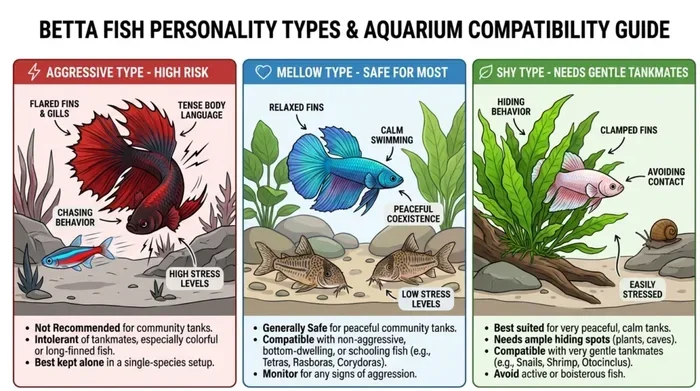
Male bettas are extremely territorial and must be kept alone. Female bettas can sometimes be housed in a large, heavily planted “sorority” tank (5+ females) with careful monitoring, but this is advanced and not recommended for beginners. Avoid any fish with long, flowing fins (like guppies) that may trigger a betta’s aggression. Suitable tank mates for a single betta in a 10+ gallon tank include small, peaceful schooling fish like ember tetras or harlequin rasboras, as well as snails or shrimp. Always have a backup plan and a separate tank to separate any aggression.
How often should I feed my betta fish?
Feed your betta once or twice daily, offering only what it can consume in 2-3 minutes. This prevents overfeeding and constipation. One day a week, you can implement a fast (no food) to give its digestive system a rest. Remember, a betta’s stomach is about the size of its eye—this is the best portion guide.
Do betta fish need a filter?
Yes, absolutely. A filter is essential for establishing a stable nitrogen cycle and maintaining water quality by removing physical debris and housing beneficial bacteria. The key is to choose a filter with a very gentle flow, as strong currents tire and stress bettas. Sponge filters are an ideal choice for their gentle action and excellent biological filtration.
Why is my betta fish lethargic and not eating?
Lethargy and loss of appetite are major red flags. First, immediately test your water for ammonia, nitrite, and nitrate. Poor water quality is the most common culprit. Ensure your heater is maintaining the correct temperature (78-80°F). If water parameters are good, other causes could be illness (like velvet or ich), constipation (try fasting and feeding daphnia), or stress from the environment. Isolate the fish in a hospital tank with clean, warm water and observe closely.
What does it mean when my betta fish makes a bubble nest?
A bubble nest is a collection of small bubbles on the water’s surface, often mixed with plant material or saliva. It is a natural, instinctive behavior of healthy male (and sometimes female) bettas. It signifies that your fish feels secure, has good water conditions, and is in a breeding-ready state. It is not a cause for concern and is actually a sign of a content fish. You do not need to destroy it unless you are intentionally breeding, as the male will rebuild it.
How long do betta fish live?
With proper care in a suitable aquarium, a betta fish can live 3 to 5 years, and sometimes even longer. The 1-2 year lifespan often seen in pet store bettas is a result of poor initial care and unsuitable housing (like small bowls). Providing a stable, clean, warm, and enriched environment from the start gives your betta the best chance at a full, healthy life.