How to Stop My Betta from Attacking Other Fish
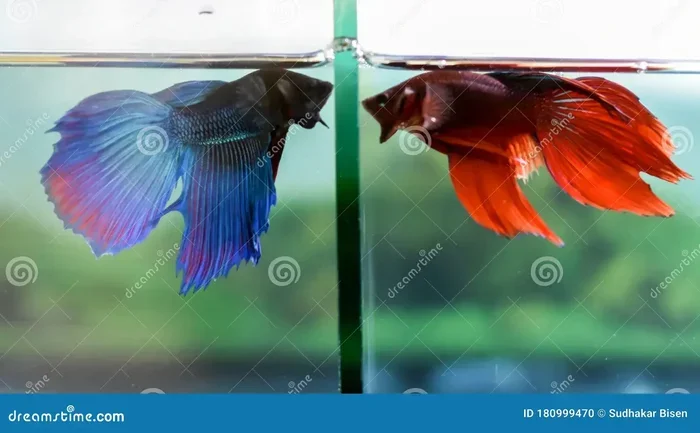
Is your betta fish chasing or nipping at tank mates? Betta aggression is common but manageable. This guide covers the real reasons betta fish attack other fish, how to set up a peaceful tank, and the best strategies to keep your betta calm and your community fish safe.
You set up a beautiful community tank. You added your betta fish with excitement. Then came the chasing. The nipping. The fin damage. Suddenly your peaceful aquarium feels like a battlefield.
If you are wondering how to stop my betta from attacking other fish, you are not alone. This is one of the most common problems betta owners face. The good news is that with the right approach, you can dramatically reduce aggression and create a calmer tank environment.
Betta fish are stunning. Their flowing fins and vivid colors make them a favorite among hobbyists. But they also carry a reputation as fighting fish for a reason. Male bettas, in particular, can be territorial and defensive. Understanding betta fish aggression is the first step toward fixing it.
This article walks you through everything you need to know. From the causes of aggression to practical solutions, you will find actionable advice backed by real experience. Let us dive in and bring peace back to your aquarium.
Key Takeaways
- Understand the root cause: Betta aggression stems from territory, stress, or poor tank setup.
- Tank size matters: A larger tank with plenty of hiding spots reduces confrontation.
- Choose tank mates wisely: Not all fish species can coexist peacefully with bettas.
- Watch for aggression signs: Flaring, chasing, and fin nipping are early warning signals.
- Use visual barriers: Decorations and plants can break line of sight and calm territorial fish.
- Feed properly: A well-fed betta is less likely to show aggressive behavior toward others.
- Know when to separate: Sometimes the safest choice is removing the betta or the aggressive tank mate.
📑 Table of Contents
- Why Does My Betta Attack Other Fish?
- Signs That Your Betta Is Being Aggressive
- Best Tank Mates for a Betta Fish
- How to Set Up a Peaceful Betta Community Tank
- How to Stop Betta Aggression in the Moment
- Common Mistakes That Make Betta Aggression Worse
- Expert Insight: Understanding Betta Temperament
- Conclusion
Why Does My Betta Attack Other Fish?
Before you can fix a problem, you need to understand what causes it. Betta aggression does not happen randomly. There is always a trigger or underlying reason. Let us look at the most common ones.
Territorial Instincts
Betta fish are naturally territorial. In the wild, males claim small patches of water and defend them fiercely. In a home aquarium, this instinct does not disappear. Your betta may see other fish as invaders, especially if the tank feels too small or crowded.
When a betta feels its space is threatened, it uses aggressive displays. These include flaring gills, spreading fins, and chasing other fish. This behavior is deeply rooted in their biology. It is not something you can train out of them overnight.
Stress and Poor Water Conditions
Stressed bettas are aggressive bettas. If your water parameters are off, your fish becomes anxious. Dirty water, wrong temperatures, and sudden changes all contribute to stress. A stressed fish is more likely to lash out at tank mates.
Consider checking your betta fish tank setup if aggression is a recurring issue. Sometimes a simple water change or temperature adjustment makes a huge difference. You can learn more about maintaining proper conditions in our article how to make my betta fish tank warmer.
Overcrowding and Lack of Hiding Spots
Too many fish in one tank creates tension. Every fish needs its own little territory. When space is limited, conflicts increase. Your betta has no escape from other fish, and other fish have no escape from your betta.
Adding plants, caves, and decorations gives every fish a place to retreat. Visual barriers are incredibly effective at reducing confrontation. When your betta cannot constantly see other fish, it relaxes.
Feeding Issues
Hungry bettas are grumpy bettas. If your fish is not getting enough food, it may become defensive around feeding time. It might chase other fish away from the food or even nip at them. This is not malice. It is survival instinct.
On the flip side, overfeeding can also cause problems. A bloated betta is an uncomfortable betta. Learning the right feeding routine is essential. Check out our guide on how to feed my betta fish for a detailed feeding schedule.
Signs That Your Betta Is Being Aggressive
Not all betta behavior is aggression. Sometimes what looks like attacking is just normal exploring or playing. But how do you tell the difference? Here are the key signs to watch for.
- Flaring: Your betta spreads its gills and fins wide. This is a display of dominance. Occasional flaring is normal. Constant flaring at tank mates is a problem.
- Chasing: Your betta relentlessly pursues other fish around the tank. This goes beyond curiosity. The other fish appears frightened and stressed.
- Fin Nipping: You notice torn or ragged fins on your tank mates. Your betta may be biting the fins of other fish. This can lead to infections if left unchecked.
- Locking Jaws: Two fish grip each other and wrestle. This is a serious sign of territorial combat. Immediate intervention is needed.
- Refusing to Eat: Aggression can cause stress that affects appetite. If your betta stops eating, something in the tank is wrong.
If you notice any of these signs, do not ignore them. Early action prevents injuries and keeps your fish healthy. If fin damage has already occurred, you can find helpful treatment advice in our article how to treat betta fish fin loss.
Best Tank Mates for a Betta Fish
Choosing the right tank mates is half the battle. Some fish species naturally coexist well with bettas. Others are a recipe for disaster. Here is what you need to know.
Fish That Work Well with Bettas
Peaceful, non-fin-nipping species are your best bet. Look for fish that occupy different levels of the tank. This reduces direct encounters with your betta.
- Neon Tetras: Small, peaceful, and fast. They stay in the middle and upper levels.
- Corydoras Catfish: Bottom dwellers that mind their own business. They rarely bother bettas.
- Kuhli Loaches: Eel-like and shy. They keep to themselves and scavenge at night.
- Mystery Snails: Not fish at all, but excellent tank companions. They clean algae and never provoke aggression.
- Harlequin Rasboras: Schooling fish that are calm and stay in groups away from the betta.
Fish to Avoid with Bettas
Some fish will trigger your betta’s worst instincts. Avoid these species at all costs.
- Fish with long, flowing fins: Guppies, angelfish, and male gouramis resemble bettas. Your fish sees them as rivals.
- Fin nippers: Tiger barbs and serpae tetras will nip at your betta’s fins and trigger retaliation.
- Brightly colored fish: Fish that look like competing males can spark territorial attacks.
- Large, boisterous fish: Fish that are too big or too active can overwhelm and stress your betta.
Not sure if your betta can live with other fish? Our article can my male betta live with other fish covers this topic in detail.
How to Set Up a Peaceful Betta Community Tank
A well-designed tank prevents aggression before it starts. Your goal is to give every fish enough space, hiding spots, and resources. Here is how to do it right.
Tank Size Matters
The minimum tank size for a betta community setup is 10 gallons. Bigger is always better. A 20-gallon long tank gives your betta plenty of territory and gives other fish room to establish their own zones. A cramped tank is a stressed tank, and stress leads to aggression.
Add Plenty of Plants and Decorations
Live plants are your best friend in a community tank. They break line of sight, create natural barriers, and improve water quality. Java fern, Amazon sword, and anubias are excellent choices. They are hardy and betta-safe.
Add caves, driftwood, and rock formations. These give your betta places to claim as territory without fighting other fish. Every fish should have access to its own hiding spot.
Use a Tank Divider if Needed
Sometimes the best solution is physical separation. A tank divider lets your betta and other fish share one aquarium without direct contact. This works well if you want multiple species but cannot guarantee peace.
If you are considering this option, you might also want to check how to keep your betta warm without a heater, as divider setups can sometimes affect temperature distribution. Visit our article how to keep my betta fish warm without a heater for helpful tips.
Maintain Excellent Water Quality
Clean water keeps fish calm and healthy. Test your parameters regularly. Ammonia and nitrite should always be at zero. Nitrate should stay below 20 ppm. Perform weekly water changes of 25 to 30 percent.
A stable environment reduces stress for every fish in the tank. When your betta feels secure, it is far less likely to act aggressively toward its neighbors.
How to Stop Betta Aggression in the Moment
Sometimes aggression is already happening, and you need fast solutions. Here is what to do when your betta is actively attacking other fish.
Step 1: Observe and Identify the Trigger
Watch your tank carefully. What causes the aggression? Is it feeding time? Is it when a specific fish swims too close? Understanding the trigger helps you address the root cause.
Step 2: Rearrange Decorations
This sounds simple, but it works. Rearranging plants and decorations resets the tank layout. Your betta loses its established territory and has to re-claim it. During this reset, aggression often drops because nothing feels like a defended zone anymore.
Step 3: Increase Hiding Spots
Add more plants, caves, or decorations immediately. Give the attacked fish a place to hide. This breaks the line of sight and reduces the perceived threat.
Step 4: Feed Your Betta First
A full betta is a less aggressive betta. Feed your betta before adding food for other fish. This satisfies its hunger and reduces food-related aggression. You can also use a feeding ring to keep food contained in one area.
Step 5: Separate if Necessary
If aggression continues despite all efforts, separation may be the only option. A quarantine tank or a permanent divider can protect vulnerable fish. Your betta’s well-being matters too. Chronic stress is harmful to its health.
If you suspect your betta is sick or injured from fighting, check our guide on how to tell if my betta fish is sick for signs to watch for.
Common Mistakes That Make Betta Aggression Worse
Many betta owners accidentally make aggression worse without realizing it. Here are the mistakes to avoid.
- Keeping the tank too small: A tiny tank gives your betta no room to establish a healthy territory. It becomes defensive and lashes out.
- Adding too many fish at once: Overcrowding happens fast. Introduce new fish slowly and monitor behavior closely.
- Ignoring water changes: Dirty water causes stress. Stressed fish are aggressive fish.
- Housing two male bettas together: This is a guaranteed fight. Never put two male bettas in the same tank.
- Using bright, flashing lights: Harsh lighting increases anxiety and territorial behavior. Use soft, natural lighting instead.
- Skipping hiding spots: Without places to retreat, fish have nowhere to escape confrontation.
Avoiding these mistakes sets your tank up for success. A well-planned community tank is a beautiful and peaceful environment for everyone.
Expert Insight: Understanding Betta Temperament
Every betta has its own personality. Some are naturally docile and get along with almost anyone. Others are feisty and defend their territory relentlessly. Learning your individual fish is key.
Watch your betta daily. Notice its patterns. Does it flare at certain fish but ignore others? Does it chase during feeding but stay calm otherwise? These observations help you tailor your approach.
If your betta shows persistent aggression despite all efforts, it may simply not be suited for a community tank. In that case, a species-only setup with plenty of enrichment is the kindest option. Your fish will thrive in an environment that matches its temperament.
For tips on reducing overall stress in your aquarium, check out our article how to destress my betta fish.
Conclusion
How to stop my betta from attacking other fish comes down to understanding, preparation, and consistent care. Start by identifying the cause of aggression. Set up your tank with enough space, plenty of hiding spots, and compatible tank mates. Maintain clean water and a stable environment. Feed properly and monitor behavior daily.
Most cases of betta aggression can be managed with these strategies. Patience is essential. Changes do not happen overnight. Give your fish time to adjust and observe how they respond.
Remember, a peaceful aquarium is a happy aquarium. When your betta feels secure and well-cared-for, its natural aggression fades. You get to enjoy the beauty of your betta alongside a thriving community of fish. That is the goal, and with the right approach, it is absolutely achievable.
Start implementing these tips today. Your fish will thank you for it.
Frequently Asked Questions
Why is my betta fish suddenly attacking other fish?
Sudden aggression often signals stress, illness, or a change in the tank environment. Check your water parameters first. Dirty water, temperature swings, or a new fish introduction can all trigger this behavior. Address the root cause quickly to prevent injuries.
Can a betta fish live peacefully with other fish?
Yes, many bettas coexist well with peaceful, non-fin-nipping species. The key is choosing compatible tank mates and providing enough space and hiding spots. Not every betta will be community-friendly, but many thrive in well-planned setups.
What should I do if my betta is chasing and nipping at other fish?
Start by adding more plants and decorations to break line of sight. Feed your betta before other fish to reduce food-related aggression. If the behavior continues, consider rearranging the tank layout or using a divider. Persistent aggression may require permanent separation.
How big should my tank be for a betta community setup?
A minimum of 10 gallons is recommended. A 20-gallon long tank is ideal because it provides more horizontal space and territory for all fish. Larger tanks reduce territorial tension and give every fish room to establish its own zone.
Are female bettas less aggressive than males?
Female bettas are generally less aggressive than males, but they can still show territorial behavior. A group of females (called a sorority) can work in larger tanks with plenty of hiding spots. However, individual temperament varies, so monitor behavior closely.
Will my betta eventually stop attacking other fish?
Some bettas calm down over time as they become familiar with their tank mates. Others remain consistently aggressive. If your betta has shown signs of betta fish aggression for several weeks without improvement, it may be best to house it separately. Every fish is different, and their well-being should always come first.