Can Humans Eat Betta Fish
Betta fish are beautiful aquarium pets, not a common food source. While some cultures have experimented with eating them, health concerns, legal issues, and practical challenges make it inadvisable for most people. Read on to learn why, and what alternatives exist.
Key Takeaways
- Not a traditional food: Betta fish are primarily kept for decoration, not consumption.
- Health risks exist: Potential parasites, toxins, and heavy metals can make eating bettas unsafe.
- Legal restrictions: Many regions classify bettas as protected ornamental species.
- Cultural examples are rare: Only a few Asian cuisines have historically used bettas.
- Better alternatives: If you crave fish, choose species farmed for food safety.
- Proper handling matters: If you must prepare a betta, follow strict cleaning and cooking guidelines.
- Ethical considerations: Killing a pet for food raises moral questions for many owners.
📑 Table of Contents
- Introduction: Why the Question Arises
- 1. Betta Fish Basics: Species, Size, and Habitat
- 2. Historical and Cultural Uses of Betta as Food
- 3. Health Risks of Eating Betta Fish
- 4. Legal and Ethical Considerations
- 5. Practical Guidance If You Still Want To Try
- 6. Should You Eat Betta Fish? A Balanced Verdict
- Conclusion
Introduction: Why the Question Arises
When you see a vivid, flowing betta fish gliding in a glass bowl, it’s natural to wonder about its place in the food chain. After all, humans eat many small fish—anchovies, sardines, even goldfish in some cultures. The curiosity intensifies when you hear stories of “exotic” dishes from far‑away markets. So, can humans eat betta fish?
This article dives deep into the biology of bettas, cultural precedents, health and legal concerns, and practical advice. By the end, you’ll know whether trying a betta on your plate is a culinary adventure or a risky mistake.
1. Betta Fish Basics: Species, Size, and Habitat
What makes a betta a betta?
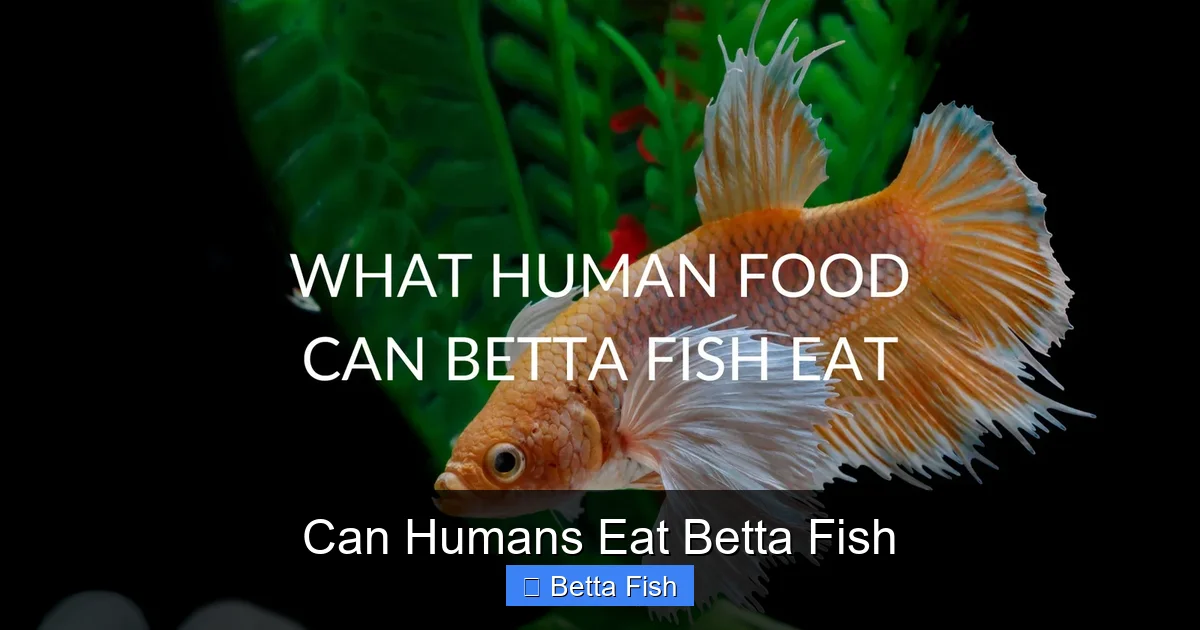
Betta splendens, commonly called the Siamese fighting fish, is a small freshwater species native to Thailand’s shallow rice paddies and slow‑moving streams. Males grow to about 2.5–3 inches, females a bit smaller. Their bright colors and elaborate fins are the result of selective breeding, not natural evolution.
Visual guide about Can Humans Eat Betta Fish
Image source: slidetodoc.com
Living conditions in the home aquarium
Most owners keep bettas in 5‑gallon tanks with warm water (78‑80°F). They thrive on a diet of live or frozen foods such as brine shrimp, bloodworms, and specially formulated betta pellets. For more details on what bettas eat, see our guide on what can betta fish eat.
2. Historical and Cultural Uses of Betta as Food
Rare culinary traditions
There are a few documented cases of betta fish being used in cuisine, primarily in rural Thailand and parts of Vietnam. In these regions, the fish are sometimes fried whole and served with herbs. However, these practices are extremely limited and not part of mainstream diets.
Why the practice never spread
Betta fish are small, yielding only a few grams of meat—hardly enough to justify the effort. Additionally, their ornamental value far outweighs any nutritional benefit, especially when larger, more sustainable fish are readily available.
3. Health Risks of Eating Betta Fish
Potential parasites and pathogens
Wild‑caught bettas can carry parasites like Dactylogyrus (gill flukes) and bacterial infections. Even captive‑bred bettas, if not raised in a sterile environment, may harbor Aeromonas or Vibrio species, which can cause gastrointestinal illness in humans.

Visual guide about Can Humans Eat Betta Fish
Image source: pixelorbyt.com
Accumulation of toxins
Because bettas are often kept in small containers, water quality can deteriorate quickly. Accumulated ammonia, nitrite, or heavy metals from cheap décor can be absorbed into the fish’s flesh. Consuming such fish may lead to metal poisoning or other toxic effects.
Allergic reactions
Fish proteins can trigger allergies in sensitive individuals. Given the limited research on betta-specific allergens, it’s safer to avoid them if you have known fish allergies.
4. Legal and Ethical Considerations
Regulations around ornamental fish
Many countries list betta fish under ornamental animal protection statutes. In the United States, the Animal Welfare Act does not specifically cover fish, but several states have regulations that prohibit the sale of bettas for food purposes. Always check local laws before considering consumption.
Ethical dilemmas
Betta fish are often purchased as pets, with owners forming emotional bonds. Killing a pet for a meal raises moral questions that many hobbyists find uncomfortable. The sentiment is similar to that expressed in our article about can you eat betta fish, where we discuss the emotional impact.
5. Practical Guidance If You Still Want To Try
Step‑by‑step safe preparation
1. **Source responsibly** – Obtain a betta raised in a clean, disease‑free environment. Avoid wild‑caught specimens.
2. **Clean thoroughly** – Rinse the fish in cold, filtered water. Remove the scales (if present) and gut the fish using a sterile knife.
3. **Heat‑treat** – Boil the fish for at least 5 minutes to kill parasites. Alternatively, deep‑fry at 350°F (175°C) for 3‑4 minutes.
4. **Season lightly** – Use simple herbs like cilantro or lime to mask any fishy taste.
Alternative edible fish
If you crave a small, flavorful fish, consider anchovies or whitebait, which are widely farmed for consumption and have established safety standards.
6. Should You Eat Betta Fish? A Balanced Verdict
Weighing the pros and cons
Pros: Novelty, cultural curiosity, minimal waste if the fish is already deceased.
Cons: Health hazards, legal restrictions, ethical concerns, low nutritional value.
Final recommendation
For most people, the cons outweigh the novelty. The safest and most respectful choice is to keep bettas as pets and enjoy them visually, not culinarily. If you are determined to experiment, follow strict hygiene protocols and be aware of local laws.
Conclusion
Answering the question “can humans eat betta fish” reveals a complex mix of biology, culture, health, and ethics. While it is technically possible to prepare a betta for consumption, the practice is rare, potentially unsafe, and often illegal. Opting for fish that are raised specifically for food not only protects your health but also respects the beloved status bettas hold in the aquarium community.
Frequently Asked Questions
Is it legal to eat betta fish in the United States?
Most states do not have specific bans, but many local ordinances prohibit selling ornamental fish for food. Check your state’s wildlife regulations before attempting.
Can cooking kill all parasites in betta fish?
Proper cooking—boiling for at least 5 minutes or deep‑frying at high heat—will kill most parasites, but it does not remove toxins that may have accumulated.
Do betta fish contain any nutritional benefits?
Because of their tiny size, bettas provide negligible protein or omega‑3 fatty acids compared to larger edible fish.
Are there any cultures that traditionally eat betta fish?
Only a few remote communities in Thailand and Vietnam have been reported to fry bettas, but this is not a widespread culinary tradition.
What should I do with a dead betta fish if I don’t want to eat it?
Dispose of it in the trash or compost it if you have a home compost system. Never flush it down the toilet, as it can harm plumbing and local waterways.
Can I use betta fish food as an ingredient in human recipes?
No. Betta food is formulated for fish nutrition and may contain ingredients unsafe for human consumption.