How to Properly Take Care of Betta Fish

Discover the essential steps to keep your betta fish healthy and happy. From choosing the right tank to mastering feeding routines, this guide covers everything you need to know to properly take care of betta fish. Follow our easy‑to‑apply tips and enjoy a vibrant, stress‑free aquarium.
Key Takeaways
- Tank size matters: A 5‑gal minimum tank provides space and stable water conditions.
- Water quality is king: Regular partial water changes and a proper filtration system prevent disease.
- Balanced diet: High‑quality betta pellets plus occasional frozen or live foods keep colors bright.
- Temperature control: Keep water between 76‑82°F (24‑28°C) with a reliable heater.
- Observe behavior: Early signs of stress or illness are cues for quick action.
- Gentle handling: Use a soft net or cup when moving your betta to avoid fin damage.
- Consistent routine: A stable feeding and cleaning schedule reduces stress and promotes longevity.
📑 Table of Contents
- Introduction: Why Proper Care Makes All the Difference
- 1. Setting Up the Perfect Home
- 2. Acclimating Your New Betta
- 3. Feeding: What, When, and How Much
- 4. Maintaining Water Quality
- 5. Health Monitoring and Common Issues
- 6. Enrichment and Happiness
- Conclusion: Your Betta’s Path to a Long, Vibrant Life
Introduction: Why Proper Care Makes All the Difference
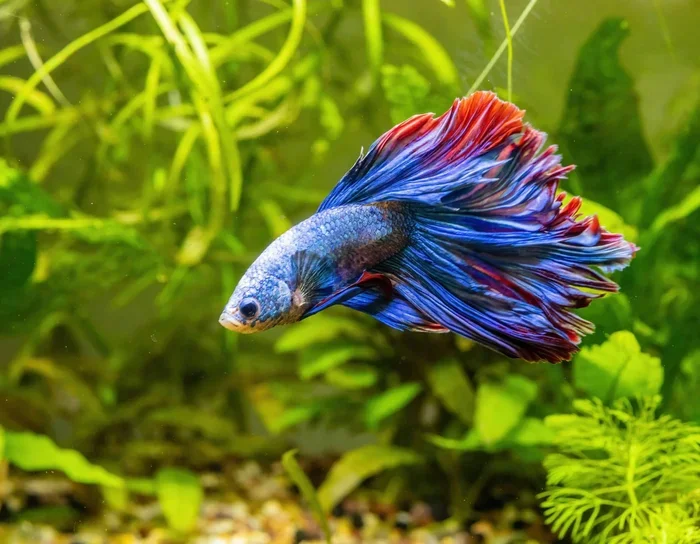
Betta fish, also known as Siamese fighting fish, are famous for their dazzling colors and flowing fins. Their striking appearance often convinces beginners that they’re low‑maintenance pets, but the truth is a little more nuanced. When you learn how to properly take care of betta fish, you’ll see them thrive, display vibrant colors, and live well beyond the average two‑year lifespan.
In this friendly guide, we’ll walk through everything you need—from choosing the right home to daily feeding tricks. Think of it as a chat over coffee, where I share the exact steps that helped me keep my own bettas happy and healthy.
1. Setting Up the Perfect Home
Choose the Right Tank Size
While many people still use tiny bowls, a 5‑gallon (about 19 L) tank is the sweet spot for a single betta. It provides enough water volume to keep temperature stable and gives your fish room to explore. If you plan to keep more than one male, a larger, divided tank is required to prevent fighting.

Visual guide about How to Properly Take Care of Betta Fish
Image source: simple.game
Filtration and Water Flow
Betta fish are not strong swimmers, so a gentle filter is ideal. Look for a sponge filter or a low‑flow hang‑on‑back model. The filter not only cleans the water but also creates a soft current that mimics their natural habitat.
Heating and Temperature Stability
Betas are tropical and love warm water. A reliable aquarium heater set between 76‑82°F (24‑28°C) is essential. Use a digital thermometer to double‑check the temperature daily; a sudden drop can stress your fish and lead to illness.
Substrate, Plants, and Hiding Spots
Fine sand or smooth gravel works well, but make sure it’s rinsed before adding to the tank. Live plants such as Java fern, Anubias, or Marimo moss provide natural cover and improve water quality. If live plants are not an option, silk plants and decorations are safe—avoid anything with sharp edges that could tear delicate fins.
Lighting
Provide a regular light cycle of 8‑10 hours a day. LED lights designed for planted tanks work nicely and help showcase your betta’s colors. Remember to turn the lights off at night; constant illumination can cause stress.
First Water Changes
Before introducing your betta, perform a partial water change (about 25%) with dechlorinated water that matches the tank’s temperature. This helps establish a stable environment right from the start.
2. Acclimating Your New Betta
Slow Introduction to New Water
When you bring your betta home, keep the bag floating in the tank for 15‑20 minutes to equalize temperature. Then, gradually add small amounts of tank water to the bag every few minutes. This slow acclimation reduces shock and prepares the fish for a smooth transition.

Visual guide about How to Properly Take Care of Betta Fish
Image source: joint.dongmao-drive.com
Gentle Release
Use a soft net or a clean cup to transfer the betta into its new home. Avoid pouring the water from the bag directly into the tank, as it may contain contaminants.
For more detailed steps on acclimating a betta, see our guide on how to acclimate a betta fish.
3. Feeding: What, When, and How Much
Choosing the Right Food
High‑quality betta pellets should form the staple of the diet. Look for pellets that list real protein (like fish or krill) as the first ingredient and contain minimal fillers. Supplement with frozen or live foods—bloodworms, daphnia, or brine shrimp—once or twice a week for added nutrition and enrichment.

Visual guide about How to Properly Take Care of Betta Fish
Image source: blogger.googleusercontent.com
Feeding Frequency
Adult bettas do well with two small meals per day. Offer an amount they can consume within 2‑3 minutes. Overfeeding leads to poor water quality and health problems such as constipation or swim bladder disease.
Portion Control
A single pellet (or 2‑3 tiny pieces of frozen food) per feeding is usually enough. If you’re unsure, start with less; you can always add more later.
Special Feeding Tips
- Use a feeding ring or a small dish to keep food in one spot.
- Remove uneaten food after a few minutes to keep the water clean.
- Watch your betta’s appetite; a sudden loss of interest may signal illness.
Need more feeding ideas? Check out how to feed betta fish for a deeper dive.
4. Maintaining Water Quality
Routine Water Changes
Perform a 25‑30% water change once a week. Use a gravel vacuum to remove debris from the substrate. Always match the temperature and pH of the new water to the tank’s existing water.
Testing Parameters
Invest in a basic test kit to monitor ammonia, nitrite, nitrate, and pH. Safe levels are:
- Ammonia: 0 ppm
- Nitrite: 0 ppm
- Nitrate: < 20 ppm (ideally < 10 ppm)
- pH: 6.5‑7.5
Any spikes should be addressed immediately with a partial water change and a review of feeding habits.
Cleaning the Tank
When cleaning, avoid scrubbing decorations with harsh chemicals. Rinse them in tank water to preserve beneficial bacteria. For a thorough cleaning schedule, see how to clean a betta fish tank.
When to Change the Filter
Replace filter media according to the manufacturer’s recommendation—usually every 2‑4 weeks. Rinse porous media in tank water, not tap water, to retain good bacteria.
5. Health Monitoring and Common Issues
Spotting Early Signs of Trouble
A healthy betta will have bright, flared fins, an active demeanor, and a steady appetite. Watch for these red flags:
- Faded or clamped fins
- White spots (possible ich)
- Frequent hiding or lethargy
- Rapid breathing or gasping at the surface
- Loss of appetite
Common Diseases and Quick Fixes
Fin rot: Soft, ragged fins indicate bacterial infection. Treat with a broad‑spectrum antibiotic and improve water quality.
Ich (white spot disease): Tiny white dots appear on the body. Raise temperature to 82°F (28°C) and add a copper‑based medication.
Swim bladder issues: Overfeeding or constipation can cause buoyancy problems. Fast‑acting foods like a peeled pea can help.
For detailed treatment steps, refer to how to cure fin rot in betta fish and how to treat dropsy in betta fish.
When to Seek Professional Help
If symptoms worsen after 48 hours of treatment, or if you notice severe bleeding, discoloration, or rapid weight loss, consult a veterinarian experienced with fish.
6. Enrichment and Happiness
Creating a Stimulating Environment
Betta fish love to explore. Add caves, driftwood, and silk plants for them to investigate. Rotate decorations occasionally to keep the environment fresh.
Interaction and Training
Betas can recognize their owners and even learn simple tricks. Use a finger or a small wand to guide them toward a treat. Consistent, gentle interaction builds trust and reduces stress.
Social Considerations
Male bettas are territorial and should never share a tank with another male. However, a peaceful community tank with small, non‑fin‑nipping species (like neon tetras) can work if the tank is at least 20 gallons and offers plenty of hiding spots.
Conclusion: Your Betta’s Path to a Long, Vibrant Life
Learning how to properly take care of betta fish is a rewarding journey. By providing a suitable tank, stable water conditions, balanced nutrition, and attentive care, you set the stage for a healthy, colorful companion. Remember to keep an eye on behavior, maintain a consistent cleaning schedule, and enjoy the unique personality each betta brings to your home. With these simple, friendly steps, you’ll watch your betta flourish for years to come.
Frequently Asked Questions
How often should I change the water in my betta’s tank?
Replace about 25‑30% of the water weekly. This keeps nitrate levels low and ensures a stable environment.
Can I keep my betta in a bowl?
While it’s possible, a bowl lacks filtration and temperature control, making it harder to maintain proper water quality. A small tank is a much better choice.
What should I feed my betta besides pellets?
Occasional treats like frozen bloodworms, brine shrimp, or daphnia provide variety and extra nutrients. Limit these to 1‑2 times per week.
How do I know if my betta is sick?
Look for faded colors, clamped fins, loss of appetite, or abnormal swimming. Early detection lets you treat problems before they become serious.
Do bettas need a heater?
Yes. Betta fish thrive in water that stays between 76‑82°F (24‑28°C). A reliable heater prevents temperature swings that can cause stress.
Can I keep more than one betta together?
Male bettas should never share a tank because they will fight. Females can sometimes be housed together in a larger, well‑planted tank, but careful monitoring is essential.