Is Betta Fish Fin Rot Reversible
Yes, betta fish fin rot is often reversible, especially when caught early. With the right treatment, clean water, and proper care, your betta can regrow damaged fins and recover fully. This guide covers causes, symptoms, treatments, and prevention to help you save your fish.
Betta fish are stunning creatures. Their flowing fins and vibrant colors make them a favorite among fish keepers. But seeing those beautiful fins start to fray and decay is heartbreaking. Many owners wonder, is betta fish fin rot reversible? The short answer is yes. In most cases, you can reverse fin rot and help your betta recover. But timing matters a lot. The sooner you act, the better the outcome. This guide walks you through everything you need to know about treating and reversing fin rot in betta fish.
Fin rot is a common bacterial infection that attacks a betta’s fins and tail. It starts as a small tear or ragged edge. Without intervention, it spreads and can eat away at the fin tissue. The good news is that betta fish have a natural ability to heal and regenerate fins. With the right care, damaged fins can grow back stronger and healthier. Let’s dive into what causes fin rot and how you can fix it.
## What Causes Betta Fish Fin Rot
Understanding the root cause is the first step toward treatment. Fin rot is almost always triggered by poor tank conditions. When the water becomes dirty or unbalanced, harmful bacteria multiply rapidly. These bacteria then attack the delicate fin tissue of your betta.
### Poor Water Quality
The number one cause of fin rot is dirty water. Betta fish may seem hardy, but they are sensitive to ammonia and nitrite spikes. When these toxins build up, they weaken the fish’s immune system. Bacteria then take advantage of the weakened state and start eating away at the fins.
### Stress and Injury
Stress plays a huge role in fin rot development. A betta kept in a too-small tank, or one with aggressive tank mates, will stay stressed. Stress hormones suppress the immune response. Even a minor injury from sharp decorations can become an entry point for bacteria. Why do betta fish get fin rot so often? Mostly because their environment isn’t meeting their basic needs.
### Wrong Water Temperature
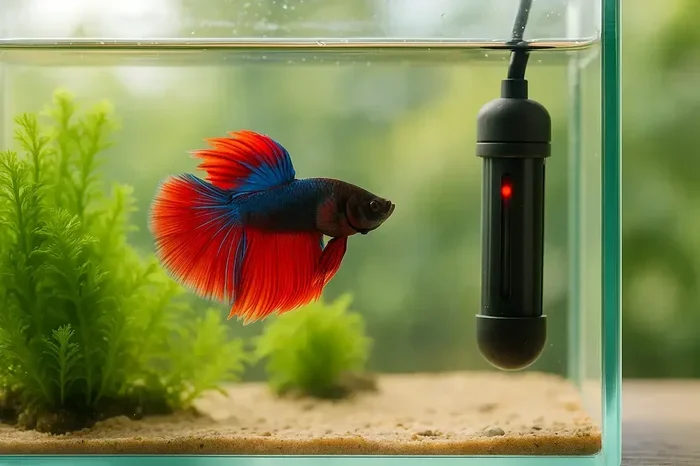
Betta fish need warm water, ideally between 78 and 80 degrees Fahrenheit. Cold water slows their metabolism and immune function. A betta in cold water is like a human with a weakened defense system. Bacteria thrive in these conditions, and fin rot follows quickly.
## How to Identify Fin Rot in Your Betta
Catching fin rot early is essential for reversal. The condition progresses through stages, and each stage changes what you see on your fish’s fins.
### Early Stage Fin Rot
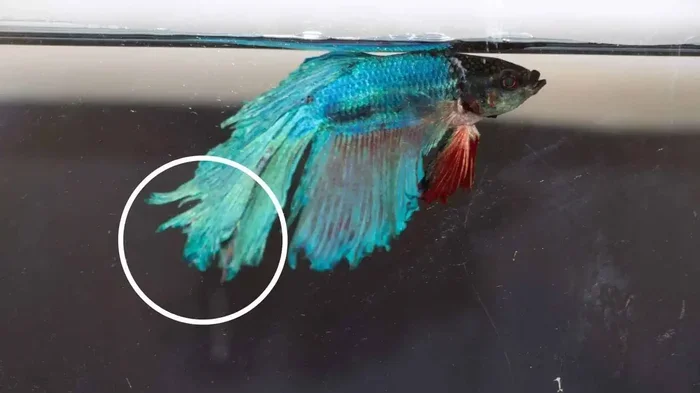
In the early stage, you’ll notice slight fraying at the edges of the fins. The fins may look slightly discolored, turning white or dark at the tips. Your betta might still act normally and eat without issues. This is the best time to act. Is betta fish fin rot reversible at this stage? Absolutely. With a few simple changes, you can stop the infection in its tracks.
### Mid Stage Fin Rot
As fin rot progresses, the damage becomes more visible. The fraying spreads inward, and more of the fin tissue starts to decay. You may see redness along the base of the fins or white, fuzzy edges. Your betta might start swimming less and eating less. At this stage, treatment becomes more urgent.
### Advanced Stage Fin Rot
In advanced cases, large chunks of fin tissue are missing. The fins look shredded, and the infection may reach the fin base. The water may also smell bad. How to fix fin rot on betta fish at this stage requires medication and close monitoring. While recovery is still possible, it takes longer and requires more effort.
## Treatment Options for Reversing Fin Rot
Once you’ve identified fin rot, it’s time to treat it. There are several effective methods, ranging from simple home remedies to medications. The best approach depends on the severity of the infection.
### Step 1: Improve Water Quality Immediately
Before adding any medication, fix the water. This is non-negotiable. Start by testing the water for ammonia, nitrite, and nitrate levels. Perform a 25 to 50 percent water change immediately. Use a gravel vacuum to remove debris from the substrate. Clean or replace your filter media if it’s clogged. Going forward, test the water at least twice a week. Can changing a betta’s fish food help with fin rot? While diet supports healing, clean water is the foundation of recovery.
### Step 2: Aquarium Salt Treatment
Aquarium salt is a gentle and effective first-line treatment for mild fin rot. It helps draw out fluid from infected tissue and creates a hostile environment for bacteria. Add one tablespoon of aquarium salt per five gallons of water. Make sure you use pure aquarium salt, not table salt, which contains harmful additives. Leave the salt in the tank for about 10 days, then do a water change to remove it.
### Step 3: Medications for Moderate to Severe Cases
For more advanced fin rot, you’ll need stronger treatment. Medications like Melafix and Pimafix are popular choices among betta keepers. These antibacterial treatments are available at most pet stores. Add the medication exactly as directed on the label. How to cure fin rot in betta fish often involves a combination of medication and water improvements. Some keepers also use antibiotics like erythromycin for stubborn infections.
### Step 4: Support Healing with Proper Nutrition
A well-fed betta heals faster. Offer high-quality betta pellets as the staple diet. Supplement with frozen or live foods like brine shrimp and bloodworms once or twice a week. Good nutrition boosts the immune system and provides the building blocks for fin regeneration. Avoid overfeeding, which fouls the water quickly.
## Can Betta Fish Fully Recover From Fin Rot
This is the question every betta owner wants answered. The truth is that recovery depends on several factors. The stage at which you catch the infection matters most. Mild cases often heal completely within two to four weeks. Moderate cases may take a month or more. Advanced cases can still recover, but the regrowth is slower and may not be perfect.
Can betta fish heal from fin rot on their own? Sometimes, if the water is perfect and the fish is healthy, a mild case might resolve without treatment. But relying on chance is risky. Active treatment dramatically improves the odds of a full recovery. Fins can regrow, and many bettas end up with fins that look just as good as before.
## Preventing Fin Rot From Coming Back
Treatment works best when paired with prevention. Once your betta’s fins have healed, you need to keep the conditions that caused the rot from returning. Prevention is simple but requires consistency.
### Maintain a Regular Cleaning Schedule
Set a schedule for partial water changes. A 25 percent water change every week is ideal for most betta tanks. Vacuum the gravel during each change to remove waste and uneaten food. This keeps ammonia and nitrite levels near zero.
### Don’t Overcrowd the Tank
Betta fish do best in tanks of at least five gallons, and bigger is always better. Avoid adding aggressive or nippy tank mates. A peaceful environment reduces stress and lowers the risk of injury and infection. If you’re unsure about compatibility, check our guide on what is a good tank mate for a betta fish for helpful advice.
### Monitor Water Parameters Regularly
Invest in a reliable liquid test kit. Test for ammonia, nitrite, nitrate, and pH weekly. Keep ammonia and nitrite at zero, and nitrate below 20 ppm. Stable pH between 6.5 and 7.5 supports a healthy immune system.
### Quarantine New Fish and Plants
Always quarantine new additions before adding them to your main tank. New fish can carry bacteria that cause fin rot. Plants from ponds or untrusted sources may also introduce pathogens. A two-week quarantine period protects your betta from unexpected infections.
## Common Mistakes That Worsen Fin Rot
Many well-meaning fish keepers make mistakes that slow recovery or even worsen the condition. Avoid these common pitfalls to give your betta the best chance of healing.
### Using the Wrong Medications
Not all fish medications work for fin rot. Some treatments target parasites, not bacteria. Using the wrong medication wastes time and can stress your fish. Stick to proven antibacterial treatments like Melafix or Pimafix.
### Performing Too Large Water Changes
While water changes are essential, doing massive changes can shock your betta. Stick to 25 to 50 percent changes. This maintains stable water parameters while removing toxins.
### Ignoring the Root Cause
Treating fin rot without fixing the underlying water quality issue is a losing battle. The infection will return if the tank conditions don’t improve. Always address the cause alongside the symptoms.
### Overmedicating the Tank
More medication does not mean faster healing. Overdosing can harm your betta’s organs and disrupt beneficial bacteria in the filter. Follow dosage instructions carefully and never double up on treatments.
## Expert Insights on Betta Fin Recovery
Veterinarians and experienced fish keepers agree on a few key points about fin rot recovery. First, betta fish are resilient. Their immune systems can fight off bacterial infections when given the right support. Second, clean water is the single most powerful tool in your arsenal. No medication can replace good water quality. Third, patience is essential. Fin regrowth takes time, and you may not see results for two to three weeks.
Many keepers also note that fin rot often recurs if the fish is kept in suboptimal conditions long-term. A betta in a clean, warm, well-maintained tank rarely develops fin rot again. The key is building habits that keep the water pristine every single day.
## Final Thoughts on Reversing Betta Fish Fin Rot
So, is betta fish fin rot reversible? Yes, it is. Whether your betta has mild fraying or significant fin damage, there is hope. The path to recovery starts with clean water, proper treatment, and good nutrition. Catch the problem early, act quickly, and stay consistent with your tank maintenance. Your betta can regrow beautiful, healthy fins and live a happy, active life.
Remember that prevention is always better than cure. A well-maintained tank with stable parameters keeps fin rot far away. Your betta deserves a safe, clean home where it can thrive. Take the steps today to protect your fish, and you’ll enjoy many years of vibrant, healthy companionship together.
Key Takeaways
- Fin rot is treatable: Early detection makes reversal highly likely with proper care.
- Water quality is critical: Poor water conditions are the leading cause of fin rot in bettas.
- Multiple treatment options exist: From aquarium salt to medications, there are several effective approaches.
- Prevention is easier than cure: Regular tank maintenance stops fin rot before it starts.
- Fins can regrow: Betta fish have a remarkable ability to regenerate damaged fins over time.
- Know the stages: Mild fin rot responds fast; advanced cases need aggressive treatment.
- Stress weakens immunity: A stressed betta is far more vulnerable to bacterial infections.
Frequently Asked Questions
How long does it take for betta fish fin rot to heal?
Mild fin rot usually heals within two to four weeks with proper treatment. Moderate cases may take four to six weeks. Advanced fin rot can take several months, depending on the extent of the damage and how quickly you start treatment.
Can betta fins grow back completely after fin rot?
Yes, betta fins can regrow fully in most cases. The new fins may start out smaller and translucent, but they gradually grow to their original size and color over several weeks to months.
Is fin rot contagious to other fish in the tank?
Fin rot itself is not highly contagious, but the bacteria that cause it can spread to fish with weakened immune systems. Maintaining clean water and reducing stress in the tank helps prevent the spread of infection to other inhabitants.
Can I use table salt instead of aquarium salt for treating fin rot?
No, you should never use table salt. It contains additives like iodine and anti-caking agents that are harmful to betta fish. Always use pure aquarium salt specifically designed for fish tanks.
What is the difference between fin rot and fin tears?
Fin tears are usually caused by physical injury and heal on their own with clean water. Fin rot is a bacterial infection that worsens over time and requires treatment. If the damage spreads or looks infected, it’s likely fin rot rather than a simple tear.
Can poor water quality alone cause fin rot in a healthy betta?
Yes, poor water quality is the leading cause of fin rot. Even a healthy betta can develop the infection when exposed to high ammonia or nitrite levels over time. Regular water changes and proper filtration are the best defenses.