How to Care for Betta Fish in Vase
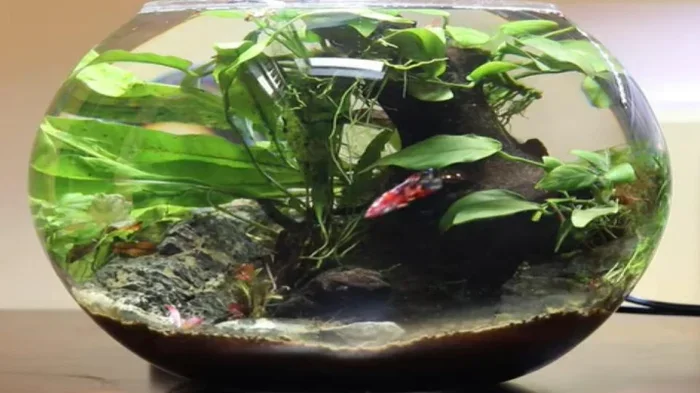
Learning how to care for betta fish in a vase is easier than most people think. A vase can work well for your betta if you set it up right, keep the water clean, and maintain proper temperature. This guide covers everything you need to know about vase setup, feeding, water changes, and common mistakes to avoid.
Keeping a betta fish in a vase might seem simple, but there is a lot more to it than just dropping a fish into a pretty container. Many people love the look of a betta in a vase, and for good reason. These colorful fish look stunning in a decorated vase with plants and gravel. But beauty is only part of the equation. Your betta needs clean water, the right temperature, and enough space to thrive. In this guide, we will walk you through everything you need to know about how to care for betta fish in a vase. We will cover setup, feeding, water maintenance, and common pitfalls. By the end, you will feel confident about creating a healthy home for your betta in a vase.
A betta fish in a vase can live a happy life if you follow the right steps. The key is understanding what bettas need and how a vase environment differs from a traditional tank. Bettas are tropical fish that come from warm, slow-moving waters in Southeast Asia. They are not goldfish. They cannot survive in tiny, unfiltered bowls with no maintenance. But with the right approach, a vase can work. Let us dive into the details.
Key Takeaways
- Choose the Right Vase Size: A vase should hold at least 2.5 gallons to give your betta enough room to swim and stay healthy.
- Add a Filter and Heater: Even in a vase, a small filter and heater make a huge difference in water quality and temperature stability.
- Change Water Regularly: Weekly partial water changes keep ammonia levels low and your betta thriving in a vase environment.
- Feed Small Amounts Daily: Overfeeding is the #1 mistake in vase setups. Feed only what your betta can eat in two minutes.
- Watch for Warning Signs: Lethargy, faded colors, and clamped fins signal stress or illness in a vase-kept betta.
- A Vase Is Not a Permanent Home: For long-term health, consider upgrading to a larger tank with proper filtration.
📑 Table of Contents
Why a Vase Can Work for Betta Fish
Some people think a vase is just a decorative piece. But a vase can actually serve as a functional home for a betta if you set it up correctly. The curved shape of a vase gives your betta a unique environment. It also allows for creative aquascaping with live or silk plants. Many bettas love to rest on broad leaves or hide among decorations. A vase gives them that opportunity.
That said, a vase is not the same as a proper aquarium. The main challenge with a vase is water volume. Smaller water volumes mean parameters like ammonia and temperature can change quickly. This is why regular maintenance is so important. If you are committed to keeping your betta in a vase, you need to stay on top of water changes and cleaning. Think of a vase as a mini ecosystem that depends on you for stability.
Many beginners start with a vase because it looks nice on a desk or shelf. It is also a budget-friendly option. But do not let the low cost fool you. Your betta still needs proper care. Visit our guide on how to care for betta fish in a bowl for more tips on small-container setups.
The Right Vase Size Matters
Size is the most important factor when choosing a vase for your betta. A tiny vase that holds only one or two cups of water is not enough. Your betta needs at least 2.5 gallons of water to stay healthy. Some people use larger vases that hold 5 gallons or more, and that works even better. The bigger the water volume, the more stable the environment.
Here are some quick tips for choosing the right vase:
- Pick a vase with a capacity of at least 2.5 gallons.
- Choose a wide-mouth vase for easy cleaning and water changes.
- Avoid vases with narrow necks that make maintenance hard.
- Look for vases with a flat or stable base to prevent tipping.
- Go for glass or crystal-clear material so you can monitor your betta easily.
Remember, a betta fish is not a decoration. It is a living creature that deserves a proper home. Even in a vase, your fish needs room to swim and explore. A cramped vase leads to stress, which leads to illness.
Setting Up the Perfect Betta Fish Vase
Setting up a vase for your betta is the first and most important step. A rushed setup can cause problems down the road. Take your time and get it right. Your betta will thank you with vibrant colors and active behavior.
Step-by-Step Vase Setup
Follow these steps to create a safe and comfortable environment for your betta in a vase:
- Rinse the vase thoroughly. Use clean water and scrub the inside to remove any dust or residue. Do not use soap or chemicals.
- Add a substrate layer. A thin layer of smooth gravel or sand at the bottom looks great and helps with biological filtration.
- Install a small filter. A sponge filter or small hang-on-back filter works well in a vase. It keeps the water circulating and removes waste.
- Add a heater. Bettas need warm water between 76 and 82 degrees Fahrenheit. A small aquarium heater designed for 5 gallons or less is perfect.
- Add live or silk plants. Plants provide hiding spots and help absorb toxins. Avoid sharp plastic plants that can tear your betta’s fins.
- Fill with treated water. Always use water conditioner to remove chlorine and chloramine from tap water before adding it to the vase.
- Cycle the vase before adding your betta. Let the filter and heater run for at least 24 to 48 hours. Test the water parameters to make sure ammonia and nitrite are at zero.
For more detailed guidance on equipment and setup, check out our article on how to set up a fish tank for betta fish. The principles apply to vases too.
Essential Equipment for a Vase Setup
You do not need a lot of equipment to keep a betta in a vase, but a few essentials make a big difference. A filter keeps the water clean between water changes. A heater maintains the warm temperature bettas need. A thermometer lets you monitor the temperature daily. Test strips help you check ammonia, nitrite, and pH levels.
Here is a simple comparison of what you need versus what you can skip:
- Need: Filter, heater, thermometer, water conditioner, test strips, gravel or sand substrate.
- Nice to Have: Live plants, LED light, small air stone for extra oxygen.
- Skip: Gravel vacuums for tiny vases, expensive lighting systems, air pumps that create too much flow.
The goal is to create a stable environment. Every piece of equipment should serve a purpose. Do not overcrowd the vase with too many decorations. Your betta needs open swimming space too.
Water Maintenance and Quality
Water quality is the single most important factor in how to care for betta fish in a vase. A vase has less water volume than a tank, which means toxins build up faster. Regular water changes are non-negotiable.
How Often to Change Water
You should perform a partial water change at least once a week. For a vase under 5 gallons, change about 30 to 50 percent of the water each week. For a larger vase, a 25 percent change weekly works well. Always use treated water that matches the temperature of the vase water.
During water changes, gently vacuum the gravel to remove debris and fish waste. Do not remove all the water at once. A full water change shocks your betta and disrupts the beneficial bacteria that help keep the water safe.
For a step-by-step guide on water changes in small containers, visit our article on how to change water for betta fish in a bowl.
Testing Water Parameters
You should test your vase water regularly. The key parameters to watch are:
- Ammonia: Should be 0 ppm. Anything above 0.25 ppm is dangerous.
- Nitrite: Should be 0 ppm. Even small amounts harm your betta.
- Nitrate: Should be below 20 ppm. Higher levels cause stress over time.
- pH: Bettas prefer a pH between 6.5 and 7.5. Stable pH matters more than hitting a perfect number.
- Temperature: Keep between 76 and 82 degrees Fahrenheit consistently.
Invest in a simple liquid test kit for the most accurate readings. Test strips work in a pinch but are less precise. Test your water at least once a week, especially in a small vase where parameters can shift quickly.
Feeding Your Betta Fish in a Vase
Feeding is one of the most fun parts of betta care, but it is also where many people go wrong. Overfeeding is extremely common and can quickly foul the water in a vase. A small water volume means waste builds up fast, which spikes ammonia levels.
What to Feed Your Betta
Betta fish are carnivores. They need a diet high in protein. The best foods for a betta include:
- High-quality betta pellets or flakes as the staple diet.
- Frozen or freeze-dried bloodworms as an occasional treat.
- Brine shrimp for variety and extra protein.
- Daphnia for digestive health and enrichment.
Avoid feeding your betta human food, bread, or generic tropical fish flakes. These lack the nutrition bettas need and can cause digestive problems.
Feeding Schedule and Portions
Feed your betta twice a day, once in the morning and once in the evening. Give only what your betta can eat in about two minutes. If there is leftover food after two minutes, you have given too much. Remove any uneaten food immediately to keep the water clean.
One day per week, skip feeding entirely. This gives your betta’s digestive system a rest and helps keep the water quality stable. It might feel strange at first, but bettas are perfectly fine skipping a meal. In fact, it mimics their natural eating patterns in the wild.
For more on proper betta nutrition, read our guide on how to properly care for betta fish.
Common Problems and How to Fix Them
Even with the best setup, problems can happen. Knowing what to look for helps you catch issues early and keep your betta healthy. Here are the most common problems people face when keeping bettas in vases.
Cloudy Water
Cloudy water in a vase usually comes from one of three sources: bacteria bloom, excess food, or poor filtration. If the cloudiness appears after a water change, it is likely a bacteria bloom. This is normal and clears up within a few days. If food is the culprit, reduce feeding amounts and vacuum the gravel more thoroughly. Check that your filter is working properly and not clogged.
Betta Not Eating
A betta that refuses food is a betta that needs attention. Check the water temperature first. Bettas eat less in cold water. If the temperature is correct, look for signs of illness like swollen fins, white spots, or redness. A betta that stops eating for more than three days needs a closer look. Consider doing a water test and a partial water change. If symptoms persist, consult a vet or visit our guide on how to care for sick betta fish.
Fin Rot and Fin Damage
Fin rot is a common bacterial infection that affects bettas in small containers. Signs include ragged fins, red edges, and fin erosion. It is usually caused by poor water quality. The fix is simple: improve water maintenance, do more frequent water changes, and consider adding a small amount of aquarium salt to the vase. For detailed treatment steps, see our article on how to cure fin rot in betta fish.
Temperature Fluctuations
Vases are more susceptible to temperature changes than tanks. A vase sitting near a window can heat up quickly in direct sunlight. A vase in a cold room can drop below safe temperatures overnight. Keep your vase away from windows, drafts, and heat sources. A small heater with a thermostat solves most temperature problems.
Vase vs. Tank: Which Is Better for Your Betta?
Many betta owners wonder whether a vase or a tank is the better choice. Both have pros and cons. Let us break it down.
A vase looks beautiful and takes up less space on a desk or shelf. It is often cheaper than a full tank setup. But vases have limited water volume, less room for equipment, and can be harder to maintain. A tank offers more stability, better filtration options, and more swimming space. For long-term betta health, a tank is almost always the better choice.
If you choose a vase, commit to the maintenance routine. Weekly water changes, daily feeding, and regular monitoring will keep your betta healthy. If you want a more hands-off setup, consider upgrading to a 5-gallon or larger tank with a proper filter and heater.
Ultimately, the best setup is the one you can maintain consistently. Whether it is a vase or a tank, what matters most is the care you provide. Your betta fish will thrive in either environment as long as the water is clean, the temperature is stable, and the diet is proper.
Quick Tips for Vase Success
Here are some quick tips to keep your betta happy and healthy in a vase:
- Always let tap water sit for 24 hours or use a conditioner before adding it to the vase.
- Do not place the vase in direct sunlight. It causes algae blooms and temperature spikes.
- Add a few smooth marbles or pebbles to make the vase more visually appealing.
- Use a small cup or turkey baster to remove debris from the gravel during water changes.
- Observe your betta daily. Look for active swimming, bright colors, and healthy appetite.
- Keep the vase lid off or loosely covered. Bettas need access to the surface to breathe air.
- Quarantine any new plants or decorations before adding them to the vase to avoid introducing parasites.
Conclusion
Caring for a betta fish in a vase is a rewarding experience that anyone can enjoy. The key is understanding that a vase is not a set-and-forget setup. It requires regular maintenance, proper feeding, and consistent monitoring of water quality. By choosing the right vase size, setting up the proper equipment, and staying on top of water changes, you give your betta the best possible life. Remember, every betta deserves a clean, warm, and stable home, no matter how small the container. Follow the tips in this guide, stay observant, and enjoy the beauty of your betta fish in a vase. With the right care, your betta will thrive and bring you joy for years to come.
Frequently Asked Questions
Can a betta fish live in a vase without a filter?
Technically yes, but it is not recommended. Without a filter, you will need to do water changes much more frequently, possibly every few days. A small sponge filter makes maintenance easier and keeps the water healthier for your betta. Filters help remove waste and support beneficial bacteria that break down toxins.
How often should I clean a betta fish vase?
Do a partial water change weekly, replacing 30 to 50 percent of the water. Clean the gravel gently with a siphon during each water change. Full vase cleanings should only be done once a month or when you notice heavy algae buildup. Never replace all the water at once.
What is the best vase size for a betta fish?
A vase that holds at least 2.5 gallons is ideal. Five gallons or more is even better because it provides more stable water parameters. Avoid vases under 1 gallon, as they are too small to maintain a healthy environment for your betta over time.
Do betta fish need a heater in a vase?
Yes, bettas are tropical fish and need warm water between 76 and 82 degrees Fahrenheit. A small aquarium heater with a thermostat works well in a vase setup. Without a heater, room temperature water can drop too low and cause stress, lethargy, and illness in your betta.
Can betta fish live in a vase with plants?
Absolutely. Live plants like anubias, java fern, and amazon sword thrive in vase setups. Plants absorb ammonia and nitrates, produce oxygen, and provide natural hiding spots for your betta. Just make sure the plants are soft and do not have sharp edges that could damage your betta’s delicate fins.
How long do betta fish live in a vase?
With proper care, bettas can live 3 to 5 years in a vase. The lifespan depends on water quality, diet, temperature stability, and how consistently you maintain the vase. Bettas in well-maintained vases often live longer than those in neglected bowls or tiny containers with no filtration.