How to Care for Betta Fish in Bowl
Caring for a betta fish in a bowl is possible but requires significant extra effort compared to a filtered tank. You must perform frequent, large water changes (30-50% daily or every other day) to maintain safe water quality, as bowls lack biological filtration. A stable, warm temperature of 78-80°F (25.5-26.5°C) is non-negotiable and requires a small, adjustable heater. Without diligent maintenance, ammonia and nitrite will quickly poison your betta, leading to stress, disease, and a shortened lifespan.
Key Takeaways
- Bowl Care is High-Maintenance: A bare bowl without a filter requires 30-50% water changes every day or every other day to prevent toxic ammonia buildup.
- Heater is Mandatory: Betta fish are tropical and need a consistent water temperature of 78-80°F (25.5-26.5°C); a small, submersible heater with a thermostat is essential.
- Water Dechlorination is Step One: Never use tap water directly. Always treat it with a complete water conditioner to neutralize chlorine, chloramines, and heavy metals.
- Minimalism is Key: Avoid gravel, plastic plants, and decorative ornaments that trap waste. Use a single, smooth silk plant and a small cave for security.
- Feed Sparingly: Overfeeding is a primary cause of poor water quality. Offer only 2-3 high-quality pellets or frozen foods 2-3 times a week, removing uneaten food immediately.
- Observe Daily: Spend 5 minutes each day watching your betta for signs of stress (faded colors, clamped fins, lethargy) or illness (spots, frayed fins, bloating).
- Bowl Size Matters: The absolute minimum is 2.5 gallons, but a 5-gallon bowl or “vase” provides a much more stable and humane environment with less frantic maintenance.
📑 Table of Contents
- Introduction: The Allure and Reality of the Betta Bowl
- Section 1: The Non-Negotiable Foundation – Water Quality & Changes
- Section 2: Temperature Control – The Silent Killer
- Section 3: Creating a Healthy, Stimulating Environment
- Section 4: Nutrition – Feeding for Health, Not Waste
- Section 5: Recognizing Health & Common Problems in a Bowl
- Section 6: Advanced Considerations & The “Bowl” vs. “Tank” Debate
- Conclusion: Commitment Over Convenience
Introduction: The Allure and Reality of the Betta Bowl
There’s no denying the captivating beauty of a betta fish. Their flowing, vibrant fins and bold personalities make them an irresistible pet, often sold in tiny cups or displayed in ornate glass bowls. This image has perpetuated the myth that betta fish can thrive in small, standalone containers with minimal care. The phrase “betta fish in bowl” is synonymous with a low-maintenance desktop pet. But here’s the crucial, often overlooked truth: caring for a betta fish in a bowl is a commitment to intensive, daily maintenance. It’s the opposite of low-effort.
Betta splendens, or Siamese fighting fish, are hardy survivors from the shallow, warm rice paddies and stagnant ponds of Southeast Asia. Their ability to breathe atmospheric air via a specialized labyrinth organ allows them to endure oxygen-poor water, which is the origin of the “bowl myth.” However, their natural habitat, while shallow, is vast, plant-rich, and part of a complex ecosystem. A small, unfiltered bowl is a toxic trap. Waste (ammonia) accumulates rapidly, water parameters swing wildly, and temperatures fluctuate. To keep a betta fish truly healthy and display its full, active personality in a bowl, you must become its dedicated water quality manager. This guide will dismantle the myths and provide a clear, actionable blueprint for providing exemplary care for your betta fish in a bowl, ensuring it lives its full 3-5 year lifespan with vibrancy and health.
Section 1: The Non-Negotiable Foundation – Water Quality & Changes
This is the single most critical aspect of betta bowl care. In a filtered aquarium, beneficial bacteria colonies convert toxic fish waste (ammonia) into less harmful substances. A bowl has no filter and thus no reliable biological filtration. The only way to remove ammonia and its byproducts is to physically remove the dirty water and replace it with clean, conditioned water. There is no compromise here.
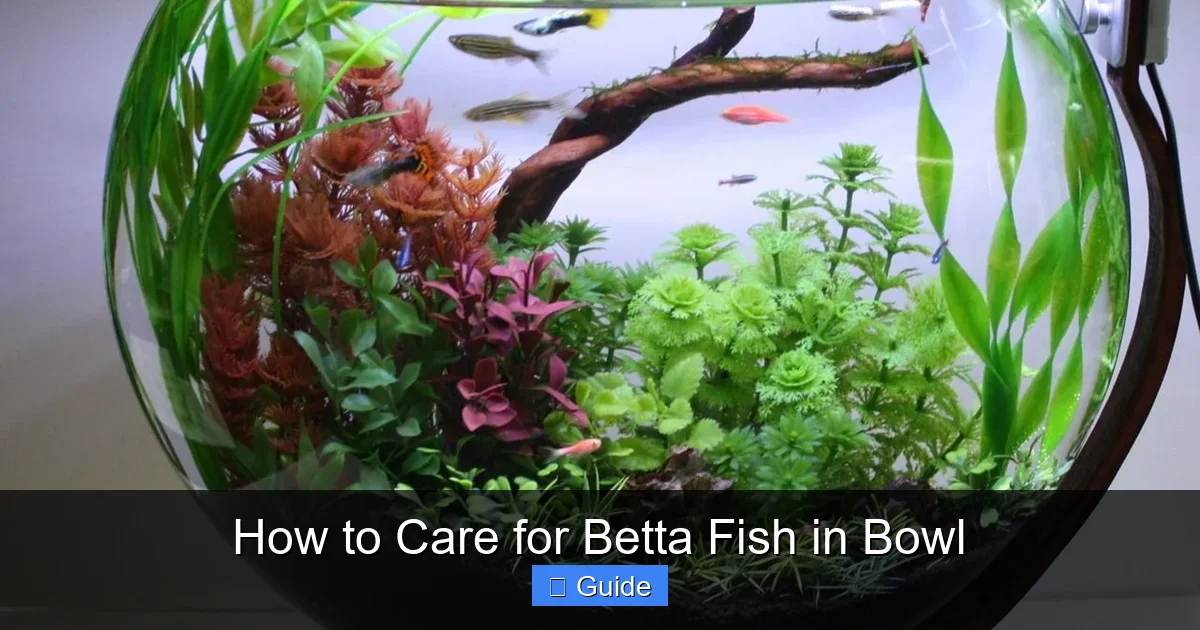
Visual guide about How to Care for Betta Fish in Bowl
Image source: i.pinimg.com
Why Daily Water Changes are Essential
Think of your betta’s bowl as its entire world and its bathroom. Every time it eats, excretes, or breathes, it adds waste to that small volume of water. In a 1-gallon bowl, a single pellet of uneaten food or a small amount of feces can cause ammonia levels to spike to lethal levels within 24 hours. Ammonia burns a fish’s gills and skin, causing immense stress and pain. Stress is the #1 precursor to disease. For a bowl under 3 gallons, you must perform water changes of 30-50% every single day or, at an absolute minimum, every other day. Larger bowls (5+ gallons) can sometimes go 2-3 days between changes, but daily observation is still key.
The Perfect Water Change Routine: A Step-by-Step Guide
Consistency and correctness are vital. Never do a 100% water change, as it shockingly removes all beneficial bacteria (the little that may exist on surfaces) and disrupts water chemistry.
- Step 1: Prepare the New Water. Fill a clean container (a dedicated pitcher is ideal) with fresh tap water. Treat the entire volume with a complete water conditioner/dechlorinator. This product neutralizes chlorine, chloramines, and heavy metals. Let it sit for 15-30 minutes to reach room temperature, matching the bowl’s temperature as closely as possible.
- Step 2: Temporarily House Your Betta. Gently net your betta and place it in a clean, temporary holding cup with some of its old bowl water. This is less stressful than removing all water at once.
- Step 3: Clean the Bowl. Dump out all the old water. Use a dedicated algae pad or soft cloth to gently wipe the inside glass. Never use soap, detergent, or any cleaning agent. Even a trace will be fatal. If you have decorations, rinse them thoroughly in the old (now discarded) water to preserve any bacteria on their surfaces. Never use tap water on them, as it will kill beneficial bacteria.
- Step 4: Refill and Reintroduce. Add your clean, conditioned, temperature-matched water back into the clean bowl. Re-add your decorations and plant. Gently float your betta in its cup within the bowl for 15-20 minutes to allow temperatures to equalize, then release it. Discard the temporary holding cup water.
Pro Tip: Use a gravel vacuum (a small, simple siphon) even in a bare-bottom bowl to suck up any visible debris from the bottom during changes. This removes solid waste before it decomposes into ammonia.
Section 2: Temperature Control – The Silent Killer
Bettas are tropical fish. Their native waters are a consistently warm 75-82°F (24-28°C). Room temperature is rarely sufficient, especially in cooler climates or during winter. Cold water (< 74°F / 23°C) slows their metabolism, suppresses their immune system, and makes them lethargic and susceptible to diseases like Dropsy and Fin Rot. A heater is not optional for a betta in a bowl; it is a fundamental piece of life-support equipment.
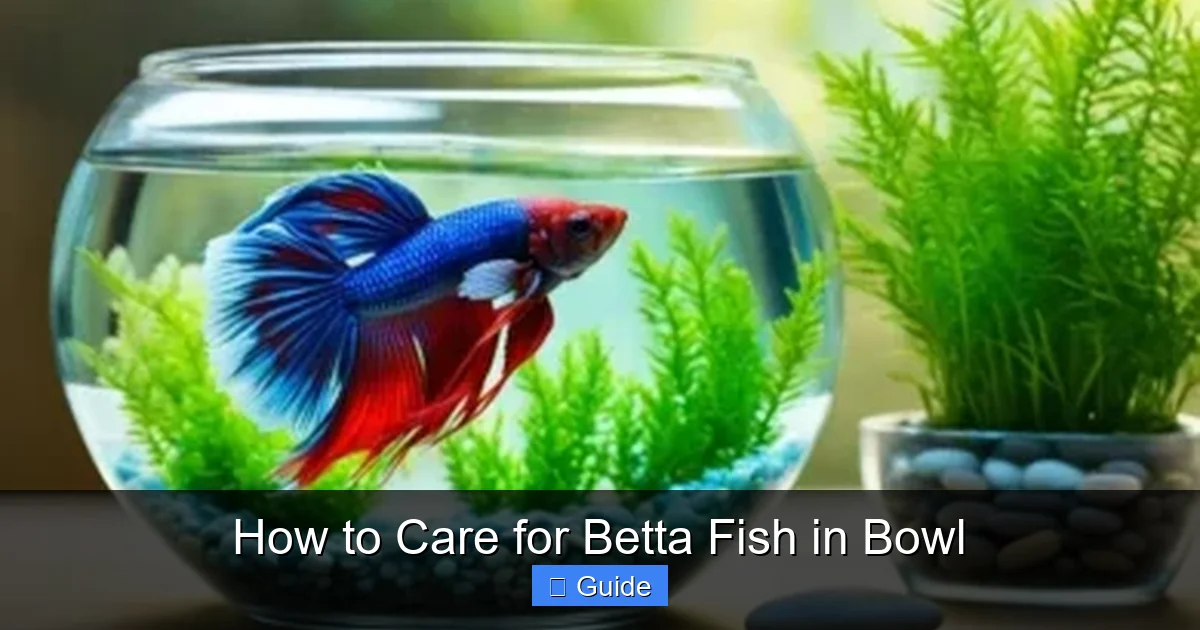
Visual guide about How to Care for Betta Fish in Bowl
Image source: qwikbetta.com
Choosing the Right Heater for a Small Bowl
Standard aquarium heaters are often too large and powerful for a small bowl, posing a risk of overheating the entire volume in minutes. You need a heater specifically designed for small volumes.
- Type: Look for a “mini” or “submersible” heater rated for 1-3 gallon or 2-5 gallon tanks. They are typically 3-5 inches long.
- Wattage: The general rule is 3-5 watts per gallon. For a 2.5-gallon bowl, a 5-watt heater is ideal. For a 5-gallon, a 10-watt heater is appropriate.
- Features: An adjustable thermostat is crucial. Do not buy a non-adjustable “preset” heater, as you have no control over its output. A small, external thermometer (stick-on or floating) is also essential to verify the actual water temperature.
Proper Heater Placement and Safety
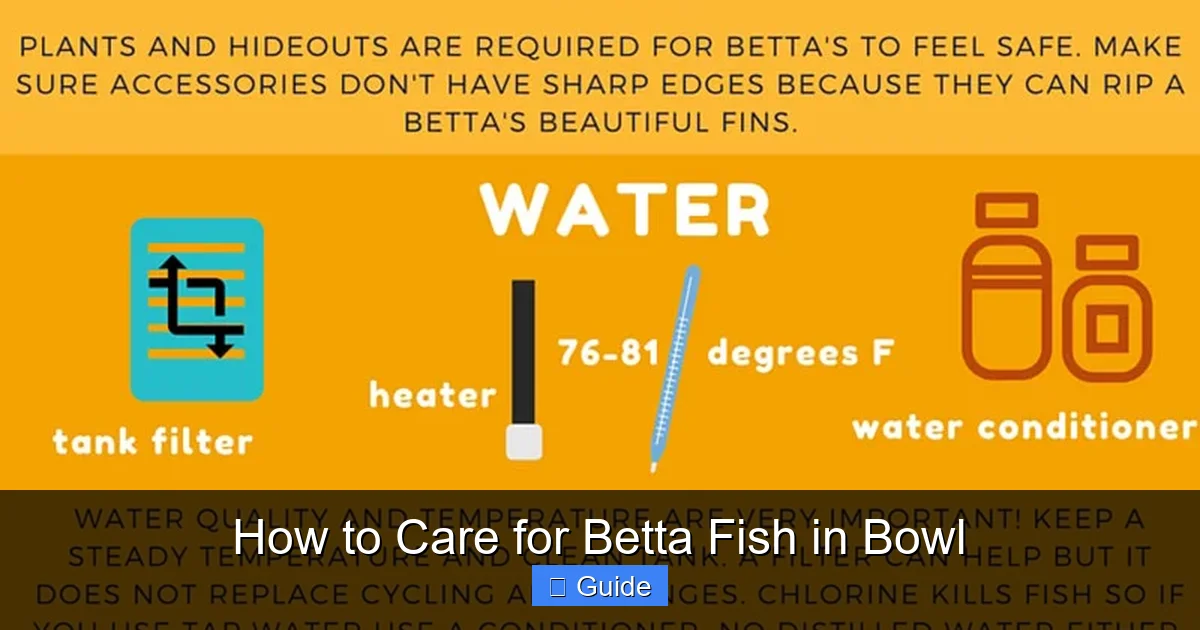
Place the heater near a water current (like the output of a small filter, if you add one) to distribute heat evenly. Ensure it is fully submerged at all times. Never turn it on outside of water. Position it so it does not rest directly against the glass, which could cause thermal stress and cracking. Use a heater guard if available to prevent your curious betta from burning itself on the hot element. Set the thermostat to 78-80°F (25.5-26.5°C) and verify with your separate thermometer. Check the temperature daily during your observation routine.
Section 3: Creating a Healthy, Stimulating Environment
While the “bowl” aesthetic often calls for minimalism, your betta’s mental and physical health depends on a thoughtfully designed environment. The goal is to mimic the dense plant cover and hiding spots of its natural habitat, which reduces stress and provides security.
The Right “Décor”: Less is More
Avoid gravel or sand substrate in a bowl. It creates an immense surface area for uneaten food and waste to decompose, making water quality impossibly difficult to maintain. A bare-bottom bowl is the easiest to keep clean. For plants and hiding spots:
- Live Plants: The absolute best choice. Easy, low-light plants like Marimo Moss Balls, Java Moss, Anubias, or Java Fern (attached to a rock or driftwood) help absorb nitrates, oxygenate the water, and provide natural texture. They are not a replacement for water changes but a beneficial supplement.
- Silk Plants: An excellent, low-maintenance alternative. Choose plants with soft, flowing leaves that won’t snag or tear your betta’s delicate fins. Avoid plastic plants with sharp edges.
- Hiding Spots: A single, smooth ceramic cave, a terra cotta pot (hole plugged), or a piece of untreated driftwood is essential. Betta fish need a place to retreat and feel secure, especially when resting.
The Critical Importance of a Lid
Betta fish are expert jumpers. They can leap with surprising force and distance, especially when startled or during a courtship display (even if alone). A secure lid is 100% mandatory for a bowl. It prevents escape (which is fatal), reduces evaporation, and helps maintain stable temperature and humidity. Ensure any lid has small air vents or is not airtight, as bettas need access to surface air to breathe.
Section 4: Nutrition – Feeding for Health, Not Waste
Overfeeding is the most common mistake new betta owners make, and in a bowl, it’s a direct line to toxic water. Bettas are carnivores with short digestive tracts. In the wild, they eat insects and larvae. Their diet should be high in protein and low on fillers.
What to Feed Your Betta
Choose a high-quality pellet formulated specifically for bettas or carnivorous tropical fish. Read the ingredient list: the first few ingredients should be whole fish, shrimp, or squid meal. Avoid pellets with wheat, soy, or potato as primary ingredients. Supplement the diet 1-2 times a week with:
- Frozen foods: daphnia, bloodworms, brine shrimp. Thaw a small piece in a dish of tank water first.
- Freeze-dried foods: similar to frozen, but rehydrate before feeding.
The “Less is More” Feeding Protocol
Follow this strict rule: Feed only what your betta can consume in 30-60 seconds, 2-3 times per week. This is not a typo. Bettas do not need daily feedings. A healthy betta can easily go several days without food. This schedule mimics their natural erratic feeding pattern and drastically reduces waste. A good starting portion is 2-3 pellets per feeding. Any food that sinks to the bottom will decompose and pollute the water. Use a net to remove all uneaten food immediately after feeding. Remember, a slightly hungry betta is a healthier betta than an overfed one living in filthy water.
Section 5: Recognizing Health & Common Problems in a Bowl
The confined space of a bowl means health issues can escalate rapidly. Your daily observation is your best diagnostic tool. Know what a healthy, happy betta looks like: vibrant, full fins, active and curious, with clear eyes and smooth, undamaged scales. It should flare at its reflection occasionally and rest on a plant or the bowl bottom (not lying on its side).
Signs of Poor Water Quality & Stress
These are often the first signs of trouble and are directly linked to inadequate water changes or temperature:
- Lethargy: Hiding constantly, resting at the bottom, not swimming actively.
- Faded or Dull Colors: Loss of the brilliant reds, blues, or purples.
- Clamped Fins: Fins held tightly against the body instead of being flared and flowing.
- Loss of Appetite: Ignoring food consistently.
- Rapid Gill Movement: Gills moving very fast, a sign of respiratory distress from poor water quality.
Common Diseases Linked to Environment
Most betta diseases are opportunistic, striking when the fish is stressed by poor water.
- Fin Rot: Fins appear torn, shredded, or have a white/black/milky edge. Caused by bacteria, treat with pristine water and an antibacterial bath like Methylene Blue or a commercial fin rot treatment.
- Ich (White Spot Disease): Tiny, salt-like grains on the body and fins. Caused by a parasite, often triggered by stress/water quality. Requires a medicated treatment and a temporary rise in water temperature to 82°F.
- velvet: A fine gold or rust-colored dust on the body. Like Ich, it’s a parasite. Treat with copper-based medication (carefully, as it’s toxic to invertebrates).
First Treatment is Always a 50% Water Change. Before any medication, ensure the water is pristine. Often, correcting the environment resolves minor issues. For persistent disease, use a hospital tank (a clean, heated, filtered small tank) for treatment to avoid contaminating the main bowl and to allow for easier dosing.
Section 6: Advanced Considerations & The “Bowl” vs. “Tank” Debate
This brings us to the central controversy: is a bowl ever a good idea? The ethical consensus among serious aquarists is that a filtered, heated aquarium of at least 5 gallons is the only truly humane and low-maintenance option for a betta. However, if you are committed to the challenge, you can provide a good life in a larger bowl.
Visual guide about How to Care for Betta Fish in Bowl
Image source: bettafish.org
The Absolute Minimum: Size and Equipment
If you must use a bowl, the following is the bare minimum for a fighting chance:
- Volume: 2.5 gallons (10 liters) is the true, absolute minimum. 5 gallons (19 liters) is the recommended starting point for stability.
- Heater: As detailed in Section 2, a small, adjustable heater is essential.
- Filter (Highly Recommended): A tiny, adjustable sponge filter is a game-changer. It provides crucial biological filtration and gentle water movement without a strong current. Powered by an air pump, it’s quiet and effective. This dramatically reduces the burden of water changes.
- Thermometer: A separate, accurate thermometer to verify heater function.
- Water Conditioner: A high-quality, complete dechlorinator.
Why a Filtered Tank is Always Better
A small, filtered aquarium (like a 5-gallon “kit” with a gentle filter and heater) creates a stable ecosystem. Beneficial bacteria establish on the filter media, consuming ammonia. You only need to perform 25-30% weekly water changes to remove nitrates and replenish minerals. The water is clearer, the fish is less stressed, and you have a much larger margin for error. The initial cost is slightly higher, but the long-term time savings, reduced stress for you and your fish, and vastly improved fish health and lifespan make it the unequivocally superior choice. A bowl is a temporary, high-maintenance project; a small tank is a permanent, sustainable home.
Conclusion: Commitment Over Convenience
Caring for a betta fish in a bowl is a profound lesson in responsible pet ownership. It strips away the illusion of easy pet ownership and replaces it with a tangible, daily ritual of care. It demands that you prioritize your pet’s invisible needs—water chemistry and temperature—over mere aesthetics. By committing to the rigorous schedule of daily water changes, unwavering temperature control, sparing feedings, and vigilant observation, you can transform a simple glass bowl from a potential prison into a clean, healthy, and enriching home. You will be rewarded with a vibrant, interactive companion that recognizes you, flares at its reflection, and displays the full, breathtaking beauty that makes bettas so special. Remember, your betta’s world is its water. Keep that water perfect, and you will have a thriving friend for years to come. If the daily maintenance of a bowl feels daunting, please reconsider and invest in the smallest possible filtered aquarium. Your betta’s health and happiness are worth that extra effort and expense.
Frequently Asked Questions
Can I use bottled spring water instead of tap water?
Yes, bottled spring water can be used as it is often free of chlorine and chloramines. However, it lacks essential minerals and can have an inconsistent pH. You must still use a water conditioner to be safe, and you may need to add a mineral supplement or a tiny amount of tap water to stabilize parameters. It is more expensive and less reliable than properly conditioned tap water.
How often should I clean the entire bowl and decorations?
During your daily or every-other-day water change, simply rinse decorations in the old, discarded bowl water to remove visible slime or debris. Never use soap. A full “deep clean” with complete disassembly and scrubbing (in old water) should only be done if there is significant algae buildup or after treating a disease, and never more than once a month to preserve any beneficial bacteria.
My betta is hiding all the time. Is it stressed?
Constant hiding is a classic sign of stress in bettas. First, check your water parameters and temperature. Poor water quality or cold water is the most likely culprit. Next, ensure your betta has adequate hiding spots (a cave or dense plants) to feel secure. Finally, check for bullying if you have tank mates (not recommended for bowls). Addressing water quality is always the first step.
Can I put a filter in a small betta bowl?
Yes, and it is highly recommended. A small, adjustable sponge filter powered by a mini air pump is ideal for bowls. It provides gentle filtration and aeration without a strong current that can stress a betta’s long fins. Ensure the flow is set to the lowest setting. This will significantly improve water stability and reduce your maintenance workload.
What is the best way to acclimate my betta to a new bowl?
The drip acclimation method is best. Float the sealed bag containing your betta and its pet store water in the new bowl for 15-20 minutes to equalize temperature. Then, open the bag and use a clean airline tubing to create a siphon, dripping new bowl water into the bag at a slow rate (1-2 drips per second) for 30-45 minutes. Finally, net the betta and transfer it to the bowl, discarding the bag water.
Is it okay for my betta to rest on the bottom of the bowl?
Yes, it is perfectly normal for a betta to rest on the bottom, on a plant leaf, or inside a cave. They sleep this way. However, if your betta is lying on its side, gasping for air at the surface, or is unable to swim normally, this is a sign of severe distress, illness (like Swim Bladder Disorder), or extremely poor water quality and requires immediate investigation and a water change.