Can a Betta Fish Tank
Choosing the right tank for your betta is the first step to a thriving fish. This guide answers “can a betta fish tank” questions, from minimum volume to décor, water conditions, and companionship. Follow our simple tips and avoid common pitfalls for a vibrant, stress‑free betta.
Key Takeaways
- Size matters: A minimum of 5 gallons is recommended for most bettas.
- Filtration is optional but helpful: Gentle flow protects water quality without stressing the fish.
- Heat is essential: Keep the tank at 76‑82°F (24‑28°C) for optimal health.
- Decor matters: Live plants, smooth driftwood, and hiding spots reduce stress.
- Tank mates are possible: Choose peaceful, small species and monitor behavior closely.
- Regular maintenance: Partial water changes every week keep ammonia low.
- Cover the tank: A lid prevents jumps and maintains humidity.
📑 Table of Contents
- Introduction: Why the Right Tank Is Crucial
- 1. How Big Should a Betta Tank Be?
- 2. Setting Up the Perfect Betta Habitat
- 3. Water Parameters and Maintenance
- 4. Can You Keep Tank Mates with a Betta?
- 5. Common Mistakes and How to Avoid Them
- 6. Frequently Asked Questions About Betta Tanks
- Conclusion: Your Betta Deserves the Best
Introduction: Why the Right Tank Is Crucial
If you’ve ever asked yourself, “can a betta fish tank be anything other than a tiny bowl?” the answer is a resounding yes. Betta fish, also called Siamese fighting fish, are often sold in cramped containers that look cute but hide serious health risks. The size, filtration, heating, and décor of the tank all play a role in how long and how well your betta lives.
In this article we’ll walk through every piece of the puzzle. From the minimum gallon count to the best plants, from water chemistry to potential tank mates, you’ll get a clear picture of what a proper betta home looks like. By the end, you’ll be able to answer the question “can a betta fish tank” with confidence and set up a tank that makes your fish thrive.
1. How Big Should a Betta Tank Be?
Minimum volume guidelines
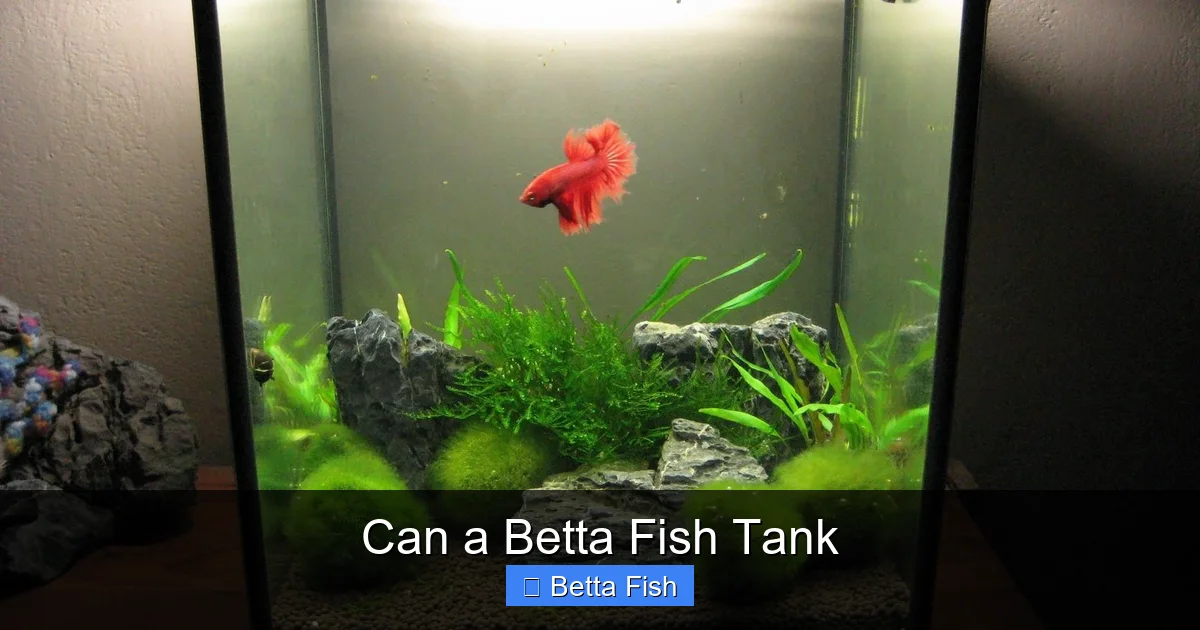
While many people still keep bettas in 1‑gallon bowls, most experts agree that a 5‑gallon tank is the sweet spot for a single betta. This provides enough water to dilute waste, maintain stable temperature, and give the fish room to explore.
Visual guide about Can a Betta Fish Tank
Image source: i.pinimg.com
For those who want a larger display or plan to add peaceful tank mates, a 10‑gallon tank gives even more flexibility. Remember, the larger the water column, the easier it is to keep parameters stable.
Why a larger tank matters
- Water quality: Bigger water volume means toxins like ammonia are less concentrated.
- Temperature stability: A larger tank resists rapid temperature swings, keeping the betta comfortable.
- Behavioral enrichment: More swimming space reduces boredom and aggressive fin‑flaring.
Common misconceptions
Some hobbyists think a betta can live forever in a tiny bowl because they’re “hardy.” In reality, a cramped space shortens lifespan and leads to fin rot, fungal infections, and constant stress.
2. Setting Up the Perfect Betta Habitat
Choosing the right tank
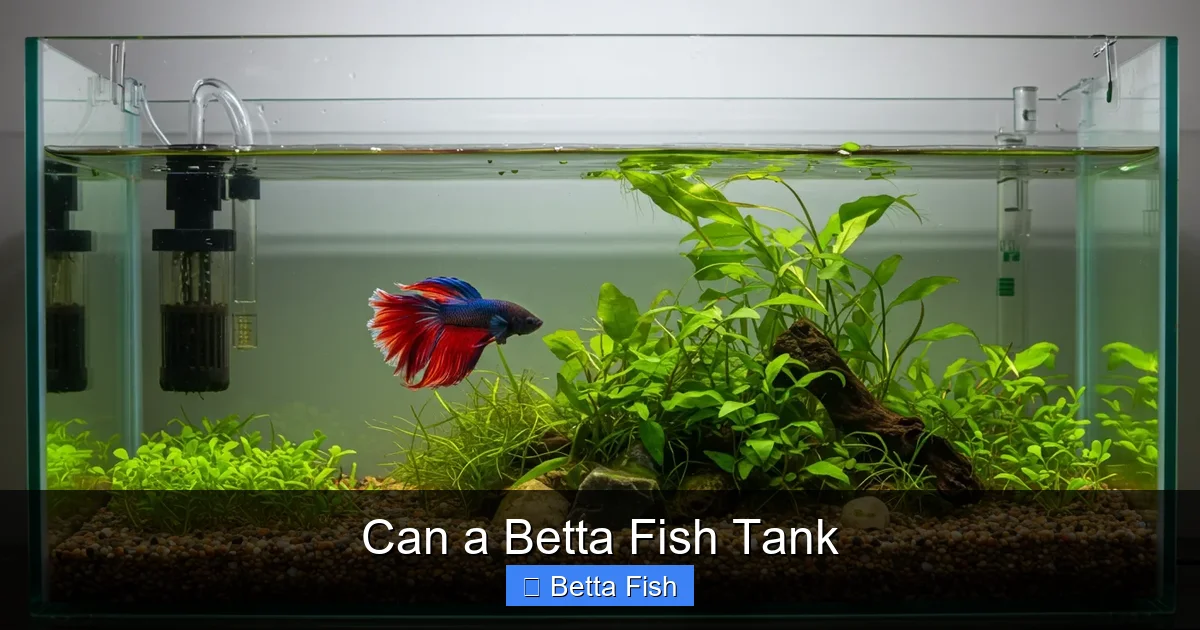
When you ask “can a betta fish tank” be made from any container, the answer is yes, as long as it meets a few criteria:
Visual guide about Can a Betta Fish Tank
Image source: img.houseui.com
- Clear glass or acrylic for easy viewing.
- Flat, smooth sides to prevent fin damage.
- A secure lid – bettas are notorious jumpers.
Filtration: To Filter or Not to Filter?
Betta fish prefer calm water, so a high‑flow filter can be stressful. Choose a low‑flow sponge filter or a hang‑on‑back filter with adjustable flow. If you opt for no filter, you must increase the frequency of water changes (about 25‑30% weekly).
Heating the tank
Betta fish are tropical; they need water between 76°F and 82°F (24°C‑28°C). A reliable submersible heater with a thermostat is essential. Use a thermometer to double‑check the temperature daily.
Substrate and décor
Fine sand or smooth gravel works well. Add live plants such as Java fern, Anubias, or Marimo moss balls for natural filtration and hiding spots. Driftwood and smooth rocks provide enrichment while mimicking the betta’s natural habitat.
Lighting
Gentle LED lighting for 8‑10 hours a day is sufficient. Too much light can stress the fish and encourage algae growth.
3. Water Parameters and Maintenance
Ideal water chemistry
- pH: 6.5‑7.5 (neutral to slightly acidic)
- GH: 3‑4 dGH (soft to moderately hard)
- Ammonia/Nitrite: 0 ppm (always)
- Nitrate: <10 ppm is ideal
Testing and conditioning
Invest in a liquid test kit and check parameters weekly. If you use tap water, treat it with a water conditioner to remove chlorine and chloramines. For more details on tap water safety, see our guide on Can You Fill A Betta Fish Tank With Tap Water.
Visual guide about Can a Betta Fish Tank
Image source: fishkeepingadvice.com
Weekly routine
- Remove 25‑30% of water with a siphon.
- Vacuum the substrate to remove debris.
- Clean the glass with a magnetic algae scraper.
- Check the heater and filter for proper operation.
When to do a full clean
A full tank clean is rarely needed. If you notice cloudy water, algae blooms, or a spike in nitrate, perform a thorough substrate vacuum and replace the filter media.
4. Can You Keep Tank Mates with a Betta?
Understanding betta temperament
Male bettas are territorial, especially towards other “fancy” fish with bright fins. However, many peaceful species can coexist if the tank is spacious and well‑planted.
Best companions
- Neon tetras – small, fast swimmers that stay near the top.
- Harlequin rasboras – peaceful schooling fish.
- Snails – such as Nerite snails; they help clean algae. Read more about snails in Can Snails Be In A Tank With Betta Fish.
- Micro shrimp – like Cherry shrimp, though they may become occasional snacks.
Species to avoid
Fin‑nipping fish (e.g., guppies, tiger barbs), large or aggressive species, and other male bettas should never share the same tank.
Setting up a community tank
Start with a minimum of 10 gallons, add plenty of plants and hiding spots, and introduce the betta last. Observe for the first 24‑48 hours; any signs of aggression mean it’s time to separate.
5. Common Mistakes and How to Avoid Them
Using the wrong water temperature
Cold water slows metabolism and weakens the immune system. Always use a heater and monitor with a reliable thermometer.
Overfeeding
Betta pellets are designed to be small. One or two pellets twice daily is enough. Overfeeding leads to cloudy water and health issues.
Neglecting tank covers
Betta fish love to jump. A snug lid prevents escapes and keeps humidity stable. See our article on Can You Cover A Betta Fish Tank for cover options.
Choosing the wrong tank size
Remember the 5‑gallon rule. Smaller containers may look cute but they are a recipe for stress.
Using harsh cleaning agents
Never clean a tank with soap. Residual chemicals can poison your fish. For safe cleaning methods, read Can You Clean A Betta Fish Tank With Soap.
6. Frequently Asked Questions About Betta Tanks
What size tank does a betta fish need?
A single betta thrives in at least a 5‑gallon tank. Larger tanks are better for community setups and more stable water conditions.
Can a betta live in a bowl?
While bettas can survive in small bowls, they do not thrive. Bowls lack filtration, heating, and space, leading to poor health over time.
Do bettas need a filter?
A gentle filter is recommended to keep water clean and reduce the frequency of water changes. If you skip a filter, be diligent with weekly water changes.
How often should I change the water?
Change 25‑30% of the water weekly. If you have no filter, consider a 30‑40% change every 5‑7 days.
Can I keep other fish with my betta?
Yes, with the right species and a tank of at least 10 gallons. Choose peaceful, small fish and provide plenty of hiding places.
What temperature should a betta tank be?
Maintain the water between 76°F and 82°F (24°C‑28°C) using a reliable heater and thermometer.
Conclusion: Your Betta Deserves the Best
Answering “can a betta fish tank” is more than a simple yes or no—it’s about creating an environment where your betta can live a long, colorful life. Start with a properly sized tank, add gentle filtration, keep the water warm and clean, and think carefully about décor and companions. By following these guidelines, you’ll turn a basic fish tank into a vibrant underwater garden that both you and your betta will love.
Frequently Asked Questions
Can a betta fish live in a small bowl?
Although bettas can survive in small bowls, they quickly suffer from poor water quality, temperature fluctuations, and lack of enrichment. A larger, filtered tank is far healthier.
How often should I feed my betta?
Feed your betta 1‑2 pellets twice a day or a small amount of frozen or live food a few times a week. Remove any uneaten food after a few minutes.
Do bettas need a heater if the room is warm?
If the room temperature stays consistently between 76°F‑82°F, a heater may not be necessary, but a thermostat‑controlled heater provides safety against sudden drops.
Can bettas share a tank with snails?
Yes, most snails, like Nerite or Mystery snails, are safe tank mates. They help clean algae and are not seen as food by most bettas.
What plants are safest for a betta tank?
Java fern, Anubias, and Marimo moss balls are hardy, low‑light plants that thrive in betta tanks and provide natural hiding spots.
Is a filter necessary for a betta tank?
A low‑flow filter is highly recommended for water quality and stability, especially in tanks larger than 5 gallons. If you skip a filter, increase weekly water changes.