How Big Do Betta Fish Grow in the Wild
So, how big do betta fish grow in the wild? Wild betta fish typically reach 2 to 3 inches in length, though some exceptional specimens can grow slightly larger. Their size depends heavily on their natural habitat, diet, water conditions, and genetic factors. Understanding wild betta growth helps aquarium owners provide better care for their pets.
Betta fish are some of the most popular pets in the world. Their flowing fins and vibrant colors make them stand out in any room. But when you compare a pet betta to a wild betta, the differences can be surprising. Many fish owners wonder about the betta fish size in natural settings. How big do betta fish grow in the wild, really? Let us dive into this topic and explore everything you need to know.
The answer might not be what you expect. Wild bettas live in very different conditions than the ones we keep them in at home. Their growth rate, environment, and food sources all play a role in determining their final size. Whether you are a curious fish lover or a current betta owner, understanding wild betta growth gives you a deeper appreciation for these amazing creatures.
Key Takeaways
- Wild betta fish average 2 to 3 inches: Most wild bettas stay within this size range due to natural environmental factors.
- Habitat plays a major role: The warm, shallow waters of Southeast Asia shape how betta fish develop in the wild.
- Diet affects growth significantly: Wild bettas eat insects, larvae, and small crustaceans that fuel their growth naturally.
- Tank-kept bettas can grow bigger: Domesticated bettas sometimes exceed wild sizes thanks to selective breeding and controlled diets.
- Water quality matters: Clean, warm water with proper oxygen levels supports healthy betta fish growth in any environment.
- Growth stops at maturity: Betta fish reach full size within 6 to 12 months, whether in the wild or in a tank.
📑 Table of Contents
- How Big Do Betta Fish Grow in the Wild?
- The Natural Habitat of Wild Betta Fish
- What Do Wild Betta Fish Eat?
- Wild Betta Fish vs. Domestic Betta Fish Size
- How Fast Do Betta Fish Grow in the Wild?
- Can Wild Betta Fish Grow Bigger Than Expected?
- Common Mistakes That Stunt Betta Growth
- Why Understanding Wild Betta Growth Matters
- Final Thoughts on Wild Betta Fish Size
How Big Do Betta Fish Grow in the Wild?
The average wild betta fish grows to about 2 to 3 inches in length. This includes their body from nose to tail. Some individual fish may reach slightly beyond 3 inches, but that is rare. Compare this to domestic bettas, which can sometimes stretch to 3.5 inches or more. The difference comes down to several key factors.
In the wild, bettas face constant challenges. They deal with limited food, changing water levels, and natural predators. All of these pressures affect how their bodies develop. A betta fish living in a rice paddy in Thailand does not have the same luxury as one swimming in a heated tank on your desk.
What Determines Wild Betta Fish Size?
Several factors control how big a betta gets in its natural habitat. Let us break them down.
- Genetics: Just like humans, bettas inherit traits from their parents. Some wild bettas are simply genetically predisposed to grow larger.
- Food availability: A betta that eats regularly will grow faster and bigger than one struggling to find meals.
- Water temperature: Warm water speeds up metabolism and supports steady growth.
- Habitat size: Smaller, more confined spaces can limit growth compared to larger natural waterways.
- Stress levels: Constant threats from predators or rival males can stunt development.
These factors work together to shape the betta fish growth stages in the wild. A healthy wild betta with access to plenty of food and warm water will reach its full potential. But stress and scarcity can hold a fish back significantly.
The Natural Habitat of Wild Betta Fish
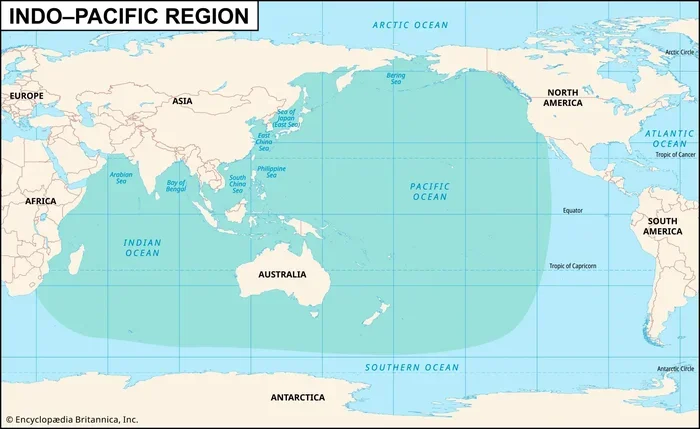
To understand betta size, you need to understand where they live. Wild bettas come from Southeast Asia. They thrive in warm, shallow waters like rice paddies, flood plains, and slow-moving streams. These environments are very different from the deep oceans or large rivers.
Where do betta fish live in the wild? They prefer stagnant or slow-moving water bodies. Think small ponds, marshes, and even drainage ditches. These waters are often warm, ranging from 75 to 85 degrees Fahrenheit. The shallow depth means the water heats up quickly from the sun.
Wild bettas also have a special organ called the labyrinth organ. This lets them breathe atmospheric air directly. It is a survival adaptation that allows them to live in oxygen-poor water. This unique feature is one reason bettas can survive in such small, shallow habitats.
How Habitat Affects Growth
The size of a betta’s environment directly impacts its growth. In vast natural waterways, bettas have room to roam and forage. In tiny temporary puddles, they may not grow as large. The available space affects their overall health and development.
If you want to learn more about where wild bettas make their homes, check out our guide on where do betta fish live in the wild. It covers the specific regions and water types these fish call home.
What Do Wild Betta Fish Eat?
Diet is one of the biggest drivers of betta growth. In the wild, bettas are carnivorous predators. They feed on insects, insect larvae, small crustaceans, and zooplankton. This high-protein diet fuels their bodies and supports healthy development.
Wild bettas do not get the processed flakes or pellets that pet bettas eat. Instead, they hunt for their food daily. This active foraging keeps them moving and physically engaged. It also ensures they get a varied, nutrient-rich diet.
How Diet Impacts Betta Fish Size
A well-fed wild betta will grow steadily throughout its first year. During this time, it reaches its maximum size. A betta that struggles to find food will grow more slowly and may end up smaller than average.
For aquarium owners, replicating this diet helps pet bettas reach their full size. Live or frozen foods like brine shrimp, bloodworms, and daphnia are excellent choices. These foods mimic what bettas eat in their natural habitat.
Curious about the specifics of wild betta diets? Our article on what do betta fish eat in the wild dives deeper into their feeding habits and nutritional needs.
Wild Betta Fish vs. Domestic Betta Fish Size
Here is where things get really interesting. Domestic bettas, the ones sold in pet stores, often grow larger than their wild cousins. Why is that?
The answer lies in selective breeding. Over decades, breeders have chosen the biggest, most colorful bettas to reproduce. This has created domestic lines that are genetically larger than wild populations. Add to that a controlled diet and optimal water conditions, and you get a fish that can outgrow a wild betta.
Size Comparison Table
| Factor | Wild Betta Fish | Domestic Betta Fish |
|---|---|---|
| Average Size | 2 to 3 inches | 2.5 to 3.5 inches |
| Growth Period | 6 to 12 months | 6 to 12 months |
| Diet | Insects, larvae, crustaceans | Flakes, pellets, frozen foods |
| Water Conditions | Variable, natural | Controlled, heated, filtered |
| Genetic Diversity | High, natural selection | Selective breeding for size |
| Stress Levels | High (predators, competition) | Low (protected environment) |
As you can see, both environments have pros and cons. Wild bettas face more stress but enjoy genetic diversity. Domestic bettas get better nutrition and safer conditions but may face health issues from inbreeding.
How Fast Do Betta Fish Grow in the Wild?
Betta fish growth happens fast in the early weeks. A newborn betta fry is tiny, barely visible to the naked eye. Within the first month, they can grow to about half an inch. By three months, most wild bettas reach 1.5 to 2 inches.
The growth rate slows after the first few months. By six months, a betta is close to its adult size. Full maturity typically arrives by the one-year mark. At that point, growth stops completely.
Several things influence this timeline. Warmer water speeds up metabolism and growth. Abundant food means the fish gets energy to build body mass. A safe environment with low stress allows the fish to focus energy on growing rather than surviving threats.
Growth Stages of Wild Betta Fish
- Hatchling (0 to 2 weeks): The fry is tiny, about 1 to 2 millimeters. It feeds on its yolk sac and begins to swim freely.
- Early Juvenile (2 to 8 weeks): The fish grows rapidly, reaching about half an inch. Fin development begins.
- Late Juvenile (2 to 6 months): Growth accelerates. The fish reaches 1.5 to 2.5 inches and develops full coloration.
- Adult (6 to 12 months): The betta reaches its final size. Growth slows and then stops completely.
If you want to understand more about the growth timeline, our piece on how long do betta fish live in the wild also covers growth milestones in natural settings.
Can Wild Betta Fish Grow Bigger Than Expected?
While 2 to 3 inches is the norm, some wild bettas do exceed expectations. Exceptional individuals can reach 3.5 inches or slightly more. This usually happens when a fish has access to abundant food, ideal water temperatures, and a spacious habitat.
However, oversized wild bettas are rare. Most wild populations stay within the average range. Nature keeps things balanced through competition for resources and predation pressure. Only the fittest fish reach their full genetic potential.
If you are curious about the maximum size a betta can reach, you might enjoy our article on how big can a betta fish grow. It explores the upper limits of betta size in both wild and domestic settings.
Common Mistakes That Stunt Betta Growth
Whether in the wild or in a tank, certain factors can hold a betta back from reaching its full size. Here are common mistakes to avoid.
- Overcrowding: Too many fish in a small space creates stress and limits resources. This stunts growth in both wild and tank environments.
- Poor diet: Feeding low-quality food or not enough variety can deprive a betta of essential nutrients.
- Cold water: Betta fish need warm water to thrive. Cold temperatures slow metabolism and hinder growth.
- Dirty water: Ammonia and nitrate buildup stress the fish and can lead to health problems that affect size.
- Ignoring illness: Diseases like fin rot or infections can drain a betta’s energy and prevent proper growth.
Avoiding these pitfalls gives any betta the best chance at reaching a healthy size. Whether you keep your betta in a tank or simply admire them in their natural habitat, these principles apply.
Why Understanding Wild Betta Growth Matters
You might wonder why it matters how big bettas get in the wild. The answer is simple: knowledge improves care. When you understand what wild bettas need to thrive, you can apply that knowledge to your own aquarium. You learn what diet to provide, what water conditions to maintain, and what tank size to offer.
Wild bettas also face real threats in their natural environments. Habitat loss, pollution, and the pet trade all impact wild populations. By learning about their growth and needs, we become better advocates for their conservation.
If you want to explore more about wild bettas, check out our guide on can betta fish survive in the wild. It covers survival challenges and conservation topics.
Final Thoughts on Wild Betta Fish Size
So, how big do betta fish grow in the wild? The answer is clear: most wild bettas reach 2 to 3 inches, with some exceptional individuals going slightly larger. Their size depends on genetics, diet, habitat, water conditions, and stress levels. Understanding these factors helps us appreciate the incredible adaptability of these fish.
Whether you keep bettas as pets or simply admire them from afar, their wild cousins remind us of the beauty and resilience of nature. Next time you look at your betta tank, remember that those colorful fish come from a rich and vibrant natural world. Give them the best care you can, and they will thrive in your home just as their wild ancestors thrive in their native habitats.
The world of betta fish is fascinating and full of surprises. Keep learning, keep exploring, and keep enjoying these wonderful creatures.
Frequently Asked Questions
How big do betta fish grow in the wild on average?
Wild betta fish typically grow to about 2 to 3 inches in length. Some individual fish may reach slightly larger, but this is the average range for healthy wild bettas living in their natural Southeast Asian habitats.
Why are domestic bettas bigger than wild bettas?
Domestic bettas are selectively bred for larger size and more vibrant colors. They also receive consistent, high-quality diets and optimal water conditions. These factors combined allow pet bettas to sometimes exceed the size of their wild counterparts.
What is the maximum size a wild betta fish can reach?
The maximum size for a wild betta fish is around 3.5 inches, though this is rare. Most wild bettas stay within the 2 to 3 inch range. Exceptional individuals may grow slightly larger when food is abundant and conditions are ideal.
How long does it take for a betta fish to reach full size in the wild?
Wild bettas reach full size within 6 to 12 months. Growth is fastest in the first few months, slowing down as the fish approaches maturity. By one year old, most wild bettas have stopped growing completely.
Does tank size affect how big a betta fish grows?
Yes, tank size can influence betta growth. In the wild, larger habitats provide more food and less stress, supporting better growth. In captivity, a bigger tank with proper filtration and heating helps bettas reach their full potential size.
Can wild betta fish grow back their fins?
Yes, betta fish can regrow fins in both the wild and in tanks. Fin regrowth depends on the severity of damage, water quality, and diet. Clean water and a protein-rich diet support healthy fin regrowth in wild and domestic bettas alike.