How to Make Cave for Betta Fish
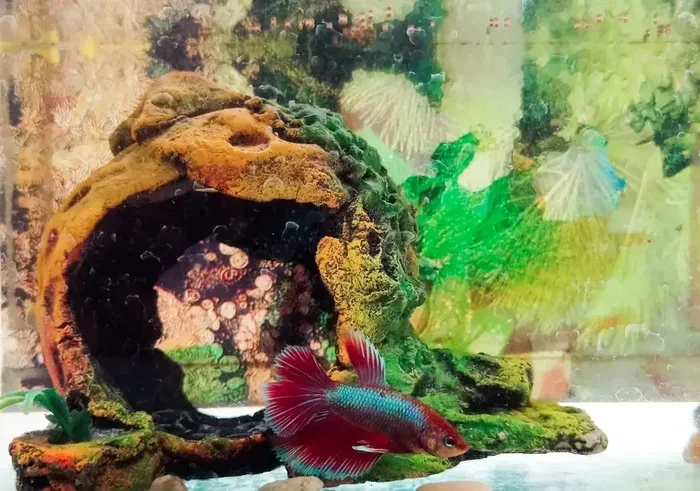
Creating a cave for your betta fish is one of the easiest ways to boost their comfort and happiness. A simple DIY betta cave gives your fish a safe hiding spot where they can rest, sleep, and feel secure. In this guide, you will learn several methods to build a betta fish cave at home using safe, affordable materials. Whether you use a clay pot, PVC pipe, or natural rocks, your betta will love their new hideout. Let us walk you through the process step by step.
Your betta fish needs more than just water and food to truly thrive. These beautiful, colorful fish are naturally curious, yet they also need a place to feel safe. A cave for betta fish does exactly that. It gives your fish a cozy retreat where they can rest, hide, and feel completely at ease. Adding a simple DIY betta cave to your aquarium can transform your fish’s quality of life in ways you might not expect.
If you have ever wondered how to make a betta fish cave at home, you are in the right place. This guide covers everything from choosing the right materials to placing the cave in your tank. You do not need to be an expert or spend a lot of money. With a few simple supplies, you can create a betta fish shelter that looks great and keeps your fish happy and healthy.
Key Takeaways
- DIY betta caves are easy and affordable: You can build a great cave with items you already have at home.
- Safety comes first: Always use non-toxic, smooth materials to protect your betta fish.
- Caves reduce stress: A hiding spot helps your betta feel safe, sleep better, and stay healthy.
- Multiple cave styles work well: From clay pots to coconut shells, you have many options to choose from.
- Placement matters: Put the cave in a quiet spot where your betta can retreat without disturbance.
- Clean the cave regularly: A clean cave keeps your betta fish healthy and prevents bacteria buildup.
📑 Table of Contents
- Why Your Betta Fish Needs a Cave
- Best Materials for Making a Betta Fish Cave
- Step-by-Step Guide to Making a Betta Cave
- Where to Place Your Betta Fish Cave
- How to Clean and Maintain Your Betta Cave
- Common Mistakes to Avoid When Making a Betta Cave
- How a Cave Benefits Your Betta’s Health and Happiness
- Expert Tips for a Perfect Betta Cave
- Key Takeaways
- Conclusion
Why Your Betta Fish Needs a Cave
Betta fish are not just pretty to look at. They are living creatures with natural instincts. In the wild, bettas live in shallow rice paddies, streams, and marshes. These environments are full of plants, leaves, and debris that create natural hiding spots. Your pet betta still carries those same instincts, even in a betta fish aquarium.
A cave serves several important purposes for your betta. First, it reduces stress. Fish that feel safe are healthier and more active. Second, bettas love to sleep, and they often rest inside dark, enclosed spaces. A cave gives them the perfect spot to doze off. Third, caves can help with breeding. A betta fish cave can serve as a nesting area for bubble nests, which male bettas build to protect their eggs.
Without a proper hiding spot, your betta may become anxious. You might notice your fish hiding behind the filter or refusing to come out. A well-placed cave solves this problem quickly. It also makes your tank look more natural and interesting. If you are setting up a new tank, consider checking out our guide on how to set up a fish tank for betta fish for more tank setup tips.
Best Materials for Making a Betta Fish Cave
Not all materials are safe for your betta. Some can leach harmful chemicals into the water, while others might have sharp edges that injure your fish. Here are the best materials you can use to build a DIY betta cave.
Clay Pots and Terracotta
Clay pots are the most popular choice for a betta fish cave. They are cheap, easy to find, and completely safe. You can use a small terracotta pot or break a larger one to create an opening. The rough texture on the outside is actually great because your betta can grip it easily. Just make sure to sand down any sharp edges on the rim.
Coconut Shells
Coconut shells make excellent natural caves. They look great in any aquarium and are completely non-toxic. You just need to clean the shell thoroughly, boil it to remove any oils, and let it dry. The natural curve of a coconut shell creates a perfect hiding spot. Many betta owners love this option because it blends in with a natural tank setup.
PVC Pipes
PVC pipes are another solid choice. They are smooth, easy to clean, and come in various sizes. You can cut a pipe to your desired length and cap one end. PVC is inert, meaning it will not change your water chemistry. This makes it a very reliable option for a betta fish hideout. However, PVC does not look as natural as clay or coconut, so it works best in more modern-style tanks.
Natural Rocks and Stones
If you prefer a more natural look, you can stack rocks to form a cave. Use smooth, non-porous stones like slate or river rock. Avoid rocks from your backyard because they may contain minerals that could harm your water. Stack the rocks carefully to create a stable structure with an opening large enough for your betta to swim through.
Plastic Caves and Decorations
Store-bought plastic caves are convenient and come in many shapes. They are lightweight and easy to place in your tank. However, make sure any plastic you buy is labeled as aquarium-safe. Cheap plastic may release toxins over time. Look for products made specifically for fish tanks to keep your betta fish environment safe.
Step-by-Step Guide to Making a Betta Cave
Now that you know which materials work best, let us walk through the process of building a cave for betta fish. Each method is simple and takes less than 30 minutes.
Method 1: The Clay Pot Cave
This is the easiest and most popular method. Here is what you need to do:
- Choose a small terracotta pot, about 2 to 3 inches wide.
- Sand down the top rim with fine-grit sandpaper to remove any sharp edges.
- If you want, you can break off a small section of the rim to create a wider opening.
- Rinse the pot thoroughly with clean water.
- Place the pot upside down in your tank at your desired location.
- Bury the bottom slightly in the substrate for stability.
That is it. Your betta will discover the cave within hours. You can also place a few plants around the pot to make it look even more natural.
Method 2: The Coconut Shell Cave
Follow these simple steps for a beautiful natural cave:
- Take a clean, empty coconut shell.
- Boil the shell in water for 20 to 30 minutes to remove all oils.
- Let it dry completely in the sun.
- Rinse it once more with warm water before placing it in the tank.
- Position the shell with the opening facing upward or slightly to the side.
Coconut shells add a rustic, natural feel to any betta tank. They are especially beautiful in planted aquariums.
Method 3: The Rock Stack Cave
Building a rock cave takes a little more patience:
- Gather smooth, non-porous rocks of various sizes.
- Start with a flat base rock on the bottom of the tank.
- Stack two or three rocks around it, leaving an opening on one side.
- Make sure the structure is stable and will not collapse.
- Rinse all rocks before placing them in the tank.
Rock caves look stunning but require a bit more effort. Make sure the rocks are not too heavy for your tank floor. A stable rock cave can last for years and becomes a centerpiece of your betta fish tank setup.
Where to Place Your Betta Fish Cave
Placement is just as important as the cave itself. A poorly placed cave can cause stress instead of reducing it. Here are some tips for the best placement.
First, avoid placing the cave near the filter or heater. The water flow from the filter can push your betta around when they try to enter or exit the cave. Similarly, the heat from the heater can make the area too warm. You want the cave in a spot with gentle, calm water.
Second, place the cave in a low-traffic area of the tank. Bettas like to retreat to quiet spaces. If the cave is right next to the glass where people walk by, your fish may feel exposed and stressed. A corner or the side of the tank works well.
Third, make sure there is enough space around the cave for your betta to swim in and out comfortably. The opening should be wide enough for your fish to pass through easily. A betta fish hideout that is too tight can trap your fish and cause panic.
If you want more ideas on creating a comfortable environment for your betta, check out our article on how to make betta fish happy for additional tips on enrichment and tank design.
How to Clean and Maintain Your Betta Cave
A clean cave is essential for your betta’s health. Over time, algae, food debris, and waste can build up inside the cave. This can affect your water quality and make your fish sick. Cleaning your DIY betta cave regularly is simple.
For clay pots and coconut shells, you can remove the cave from the tank and rinse it with warm water. Do not use soap or any cleaning chemicals. These are harmful to fish. For stubborn algae, use a soft brush and gently scrub the inside. Rinse thoroughly before placing it back in the tank.
For rock caves, it is harder to remove individual rocks. Instead, do a partial water change and use a gravel vacuum to clean around the cave. You can also gently rinse the rocks during a water change. Aim to clean your cave at least once every two weeks as part of your regular betta fish care routine.
If you are wondering how often to clean your entire tank, our guide on how often to change water for betta fish can help you stay on track with your maintenance schedule.
Common Mistakes to Avoid When Making a Betta Cave
Even with the best intentions, mistakes can happen. Here are some common errors to avoid when building a cave for betta fish.
- Using sharp or rough materials: Anything with jagged edges can cut your betta’s fins. Always sand down rough surfaces and choose smooth materials.
- Using untreated wood or non-aquarium-safe plastic: These materials can release harmful chemicals into the water. Stick to aquarium-safe or natural materials only.
- Making the entrance too small: Your betta needs to fit through the opening comfortably. A too-small entrance can trap your fish inside.
- Placing the cave in a high-flow area: Strong water current near the cave makes it uncomfortable for your betta to rest inside.
- Forgetting to rinse the cave: New materials can carry dust or debris. Always rinse everything thoroughly before adding it to your tank.
- Overcrowding the tank with too many caves: Bettas need swimming space too. One or two caves are enough. Too many decorations reduce open swimming area.
Avoiding these mistakes ensures your betta stays safe and enjoys their new cave. A well-built betta fish shelter is a simple addition that makes a huge difference in your fish’s wellbeing.
How a Cave Benefits Your Betta’s Health and Happiness
A cave is not just a decoration. It is a tool that directly impacts your betta’s physical and mental health. Fish that have access to hiding spots show less aggressive behavior and display more natural swimming patterns. They explore more, eat better, and sleep more soundly.
Stress is one of the biggest killers of pet fish. When a betta feels constantly exposed, its immune system weakens. This makes it more susceptible to diseases like fin rot and ich. A simple cave provides the security your betta needs to stay strong and fight off illness. Think of it as a small investment in your fish’s long-term health.
For more advice on keeping your betta in top shape, read our article on how to make your betta fish healthy again for proven recovery and care strategies.
Expert Tips for a Perfect Betta Cave
Here are some expert-backed tips to take your DIY betta cave to the next level:
- Add a plant near the cave entrance: This creates a natural feel and gives your betta extra cover when entering and exiting.
- Use dim lighting near the cave: Bettas prefer darker hiding spots. Placing the cave in a shadowed area makes it more attractive to them.
- Build multiple caves for variety: If you have a larger tank, two caves give your betta options. They like to switch up their resting spots.
- Match the cave size to your fish: A cave should be just slightly larger than your betta. Too big and it feels exposed. Too small and it feels cramped.
- Anchor heavy caves securely: Rocks and heavy pots can shift during water changes. Use aquarium-safe silicone to keep them in place if needed.
These small touches make your betta fish environment feel like a natural habitat. Your fish will thank you with vibrant colors and energetic behavior.
Key Takeaways
- DIY betta caves are easy and affordable: You can build a great cave with items you already have at home.
- Safety comes first: Always use non-toxic, smooth materials to protect your betta fish.
- Caves reduce stress: A hiding spot helps your betta feel safe, sleep better, and stay healthy.
- Multiple cave styles work well: From clay pots to coconut shells, you have many options to choose from.
- Placement matters: Put the cave in a quiet spot where your betta can retreat without disturbance.
- Clean the cave regularly: A clean cave keeps your betta fish healthy and prevents bacteria buildup.
Conclusion
Making a cave for your betta fish is one of the simplest and most rewarding things you can do as a fish owner. A well-placed cave for betta fish provides comfort, security, and a natural feeling to your aquarium. Whether you choose a clay pot, coconut shell, or rock stack, the process is quick and the results are incredible. Your betta will have a favorite spot to call their own, and you will enjoy watching them explore and relax in their new betta fish shelter.
Remember, a happy betta is a healthy betta. Taking the time to create a proper betta fish environment shows how much you care about your fish. Start with one of the methods in this guide today, and you will see the difference in your betta’s behavior almost immediately. Your fish deserves a safe and cozy home, and now you know exactly how to give it to them.
Frequently Asked Questions
What is the best material for a betta fish cave?
Clay pots and coconut shells are the best materials because they are safe, natural, and affordable. Both are non-toxic and provide a cozy hiding spot. Terracotta is especially popular among betta owners for its durability and natural look.
How do I make sure the cave is safe for my betta fish?
Always sand down sharp edges and rinse the cave thoroughly before placing it in the tank. Use only non-toxic, aquarium-safe materials. Avoid any painted or treated items that could release chemicals into the water.
Can I use a store-bought cave instead of making one?
Yes, store-bought plastic caves work fine as long as they are labeled aquarium-safe. However, making a DIY betta cave is cheaper and allows you to customize the size and shape to fit your tank perfectly.
How many caves should I have in my betta tank?
One or two caves are enough for a single betta. Too many caves reduce swimming space and can make the tank feel cramped. Your betta needs open areas to swim around freely.
How often should I clean my betta fish cave?
Clean your cave at least once every two weeks. Remove it during a water change and rinse it with warm water. Do not use soap or chemicals. A clean cave keeps your betta healthy and prevents algae buildup.
Will my betta fish use the cave right away?
Some bettas explore a new cave within hours, while others take a few days to feel comfortable. Place the cave in a quiet area and give your fish time to adjust. Avoid moving the cave around frequently, as this can stress your betta.