Is It Better to Fish with Live or Dead Pinfish
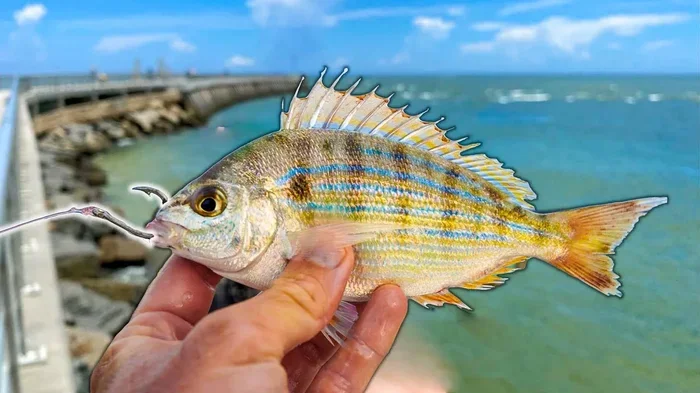
Fishing with live or dead pinfish each has unique advantages that can boost your catch rate. Live pinfish stay active and attract predatory fish through natural movement, while dead pinfish release scent trails that draw fish from a distance. Choosing the right option depends on your target species, fishing conditions, and personal preference.
Fishing is one of those activities that never stops teaching you new things. Every trip brings fresh challenges, new techniques, and the chance to land something bigger or smarter than before. One question that divides anglers is whether live or dead pinfish works better as bait. The answer isn’t as simple as you might think.
Pinfish are small, hardy baitfish found in coastal waters across the Gulf of Mexico and the Atlantic. They’re a favorite among anglers because they’re easy to catch, store well, and most game fish love them. But the debate over whether to use them alive or dead has been going on for decades. Some swear by the lively action of a swimming pinfish. Others prefer the convenience and scent power of a dead one.
In this guide, we’ll break down everything you need to know about using live or dead pinfish for bait. You’ll learn the pros and cons of each approach, when to use which method, and practical tips that can help you catch more fish on your next outing.
Key Takeaways
- Live pinfish mimic natural prey and create irresistible movement that triggers aggressive strikes from game fish.
- Dead pinfish release strong scent trails that can attract fish from farther away, especially in murky or deep water.
- Freshness matters for both live and dead bait — stale bait dramatically reduces your chances of success.
- Target species matters — some fish respond better to live prey, while others key in on the scent of dead bait.
- Rigging technique differs between live and dead pinfish and can make or break your fishing results.
- Local regulations may restrict the use of certain bait types, so always check before heading out.
- Combining both methods across different trips helps you learn what works best in your local fishing spots.
📑 Table of Contents
- Understanding Pinfish as Bait
- Live Pinfish: Advantages and Techniques
- Dead Pinfish: Advantages and Techniques
- Live vs Dead Pinfish: Head-to-Head Comparison
- Practical Tips for Fishing with Pinfish
- Common Mistakes to Avoid
- Expert Insights on Pinfish Bait Selection
- Final Thoughts on Live vs Dead Pinfish
Understanding Pinfish as Bait
Pinfish are small baitfish that typically grow between three and five inches long. They have a silver body with a distinctive dark spot near the tail. Their hardy nature makes them easy to keep alive in a bait well or bucket, which is one reason they’re so popular among both recreational and professional anglers.
What makes pinfish so effective as bait is their natural appeal. Predatory fish like redfish, snook, trout, and grouper all recognize pinfish as a common food source. When you present a pinfish to these species, it looks like an easy meal — and most fish can’t resist.
Why Pinfish Work So Well
Pinfish work because they check every box that makes great bait. They’re abundant in coastal waters, which means you can catch them yourself easily. They hold up well on a hook, giving you time to make quality presentations. And most importantly, the fish you want to catch eat them regularly in their natural environment.
The bait fishing community has long recognized pinfish as a go-to option. Whether you’re surf fishing, dock fishing, or fishing from a boat, pinfish fit the bill. They work in both saltwater and freshwater environments, though they’re most commonly used in saltwater settings.
Live Pinfish: Advantages and Techniques
Using live pinfish as bait gives you a huge advantage in one area: movement. A live pinfish swims, darts, and struggles on the hook. This natural action creates vibrations and visual cues that trigger a fish’s predatory instinct. It’s hard for a hungry game fish to ignore a struggling baitfish.
Best Situations for Live Pinfish
Live pinfish shine in clear water conditions. When fish can see your bait from a distance, the natural movement of a live pinfish draws them in. If you’re fishing around docks, grass beds, or coral structures, a live pinfish can swim naturally among the cover and attract predators hiding nearby.
They also work best when you’re targeting species that hunt by sight. Redfish, snook, and speckled trout all rely heavily on vision when feeding. A live pinfish moving through the water column mimics exactly what these fish see in their daily diet.
How to Rig a Live Pinfish
Rigging a live pinfish properly makes a big difference. Here are some proven methods:
- Hook through the back: Insert the hook just behind the dorsal fin. This keeps the pinfish swimming naturally near the surface.
- Hook through the nose: A simple lip hook keeps the bait lively and allows it to dive and swim erratically.
- Free-line rigging: Use a small split shot sinker above the hook to keep the bait at your desired depth without restricting movement.
- Float rigging: A bobber or float keeps the live pinfish suspended at the perfect depth and gives you visual bite indicators.
Many anglers find that fishing with a bobber and live pinfish creates an unbeatable combination for sight-fishing in shallow water. The float holds the bait in the strike zone while allowing natural movement.
Keeping Live Pinfish Healthy
A lively pinfish catches more fish. To keep your bait fresh and active, store them in a well-aerated bait bucket or live well. Change the water frequently and keep the bait cool but not cold. Fresh seawater works best. Avoid overcrowding the container, as stressed pinfish become sluggish and die quickly.
If you’re planning a longer fishing trip, consider bringing a portable aerator. This small investment pays off by keeping your live bait active for hours instead of minutes.
Dead Pinfish: Advantages and Techniques
Using dead pinfish as bait has its own set of advantages that shouldn’t be overlooked. While you lose the natural movement of a live baitfish, you gain something equally powerful: scent. A dead pinfish releases oils and fluids into the water that create a scent trail. This trail can attract fish from much farther away than a live bait ever could.
Best Situations for Dead Pinfish
Dead pinfish excel in situations where visibility is low. If you’re fishing in murky water, deep water, or during low-light conditions like dawn and dusk, fish rely more on their sense of smell than their sight. A dead pinfish sends out a strong scent signal that pulls fish toward your position.
They also work well when you’re anchored or fishing from a stationary position. Since a dead bait doesn’t need to move, you can let it sit on the bottom and wait for fish to find it. This approach is especially effective for bottom-dwelling species like grouper, flounder, and sheepshead.
How to Rig a Dead Pinfish
Rigging a dead pinfish requires a different approach than live bait. Here are the most effective methods:
- Freestyle bottom rig: Weight the line and let the dead pinfish sit on the bottom. This works great for species that feed near the seafloor.
- Jig head rigging: Thread the dead pinfish onto a jig head. The weight helps you cast it out farther and the hook keeps the bait secure.
- Split-shot rig: Place a split shot above the hook to add weight while keeping the bait floating slightly above the bottom.
- Chumming with pieces: Cut the dead pinfish into chunks and use them as chum to attract fish to your area before presenting the whole bait.
Many anglers also ask whether it’s better to fish during incoming or outgoing tides when using dead bait. Fishing during an outgoing tide often works well with dead pinfish because the moving water carries the scent downstream and draws fish toward your position.
When Dead Pinfish Outperform Live Ones
There are specific scenarios where dead pinfish clearly win over live ones. When targeting species that feed primarily by smell, dead bait is the better choice. Catfish, grouper, and some species of drum respond strongly to the scent of a dead pinfish. In heavy current or rough surf, a dead bait stays on the hook better than a live one that keeps trying to swim away.
Live vs Dead Pinfish: Head-to-Head Comparison
Let’s look at how live and dead pinfish stack up against each other across the most important factors for successful bait fishing.
| Factor | Live Pinfish | Dead Pinfish |
|---|---|---|
| Movement | Natural swimming action triggers strikes | No movement; relies on scent and presentation |
| Scent Trail | Minimal scent release | Strong scent trail attracts fish from distance |
| Best Water Clarity | Clear water | Murky or deep water |
| Ease of Use | Requires more care and maintenance | Convenient; no special storage needed |
| Shelf Life | Must be used while alive | Can be stored for days in a cooler |
| Best For | Sight-feeding predators like redfish and snook | Bottom feeders and scent-driven species like grouper |
| Cost | Slightly higher due to maintenance | More affordable and practical |
The honest answer is that neither option is universally better. The best choice depends entirely on where you’re fishing, what species you’re targeting, and what conditions you’re dealing with. Many experienced anglers keep both options in their tackle box and switch between them based on what the fish are responding to on a given day.
Some anglers also wonder whether weather conditions affect bait choice. Fishing when it’s cloudy often favors live bait because fish move shallower and rely more on sight. On overcast days, the reduced light makes a live pinfish’s movement even more visible and attractive to predators.
Practical Tips for Fishing with Pinfish
Match the Hatch
One of the golden rules of bait fishing is to match what the fish are already eating. If you see pinfish swimming in shallow water near where you’re fishing, using a live pinfish makes perfect sense. The game fish already associate that area with pinfish as a food source, so presenting a familiar bait increases your odds.
Keep Your Bait Fresh
Whether you’re using live or dead pinfish, freshness is critical. A stale pinfish — dead for too long or kept in poor conditions — loses its appeal quickly. For live bait, keep the water oxygenated and cool. For dead bait, store it on ice and use it within a day or two. Fresh bait always catches more fish than old bait.
Use the Right Hook Size
Pinfish are small, so you don’t need a large hook. A size 1 or size 2 hook works well for most pinfish presentations. The hook should be sharp enough to penetrate cleanly but not so large that it makes the bait look unnatural. A good rule of thumb is to choose a hook that matches the size of the pinfish you’re using.
Vary Your Presentation
Don’t get stuck in a rut. If live pinfish aren’t working, try switching to dead. If dead bait isn’t producing, switch back to live. Sometimes fish want one and not the other, and the only way to know is to experiment. This is where the best fishing tips come from — experience and willingness to adapt.
Many anglers also find that fishing in the morning produces better results with live pinfish because the light is low enough for fish to feel safe moving into shallow areas to feed, and the natural movement of the bait is still highly visible.
Check Local Regulations
Before you head out, make sure you’re aware of local fishing regulations regarding bait use. Some areas have restrictions on the types of bait you can use, the number of baitfish you can keep, or the methods for catching them. Staying informed keeps you fishing legally and helps protect local fish populations.
Common Mistakes to Avoid
Even experienced anglers make mistakes when using pinfish as bait. Here are the most common ones to watch out for:
- Using dead pinfish in clear water: In clear conditions, fish can see your bait from far away. A dead pinfish sitting motionless on the bottom gets ignored. Switch to live bait when water clarity is high.
- Overcrowding your bait container: Stressed pinfish die quickly and become useless as bait. Give them plenty of room and clean water.
- Using the wrong hook size: A hook that’s too large makes the pinfish look unnatural and can prevent a solid hookset. Match your hook to the size of your bait.
- Ignoring water temperature: Pinfish become sluggish in cold water. If you’re fishing in cooler conditions, dead bait might be your better option since the live bait won’t move much anyway.
- Not changing bait often: Even the freshest pinfish loses effectiveness after being on the hook for too long. Replace your bait every 20 to 30 minutes to keep it looking and smelling natural.
Expert Insights on Pinfish Bait Selection
Professional anglers who specialize in coastal fishing often share a simple philosophy: the best bait is the one the fish want on that particular day. There’s no magic formula that guarantees success with live or dead pinfish. What works on Tuesday might not work on Wednesday, and the anglers who catch the most fish are the ones willing to adapt.
Many seasoned captains recommend starting with a live pinfish in clear, calm conditions and switching to a dead one if the bite slows down. This approach lets you cover both bases without committing to just one method from the start. It’s a simple strategy that consistently produces results across different fishing scenarios.
Another expert tip is to pay attention to what other anglers around you are using. If everyone nearby is catching fish with live pinfish and you’re using dead ones, don’t be afraid to switch. The fish in a specific location can develop strong feeding preferences based on what they’ve been seeing most recently.
Some anglers also combine pinfish with other techniques. For example, using a pinfish alongside fishing with a bobber can help you control the depth and movement of your bait while getting visual alerts when a fish picks it up. This combination works especially well in shallow flats where redfish and trout feed actively.
Final Thoughts on Live vs Dead Pinfish
The debate between live or dead pinfish comes down to understanding what each option offers and when to use them. Live pinfish give you the advantage of natural movement and visual appeal. Dead pinfish give you the advantage of strong scent and convenience. The smartest anglers know how to use both and switch between them based on conditions.
Next time you head out to the water, bring both options if you can. Start with a live pinfish in clear water and switch to a dead one if the fish aren’t responding. Pay attention to what’s working and adjust accordingly. The more you experiment, the better you’ll understand how to use pinfish bait effectively in different situations.
Remember that fishing success comes from a combination of factors — the right bait, the right location, the right timing, and a bit of patience. Pinfish are an excellent bait choice regardless of whether you use them alive or dead. The key is to present them properly and match the conditions you’re facing.
So the next time someone asks you whether live or dead pinfish is better, you’ll know the answer: it depends, and you should try both. That’s what makes fishing such a rewarding and endlessly interesting sport. Tight lines and happy fishing.
Frequently Asked Questions
Can I use pinfish for both saltwater and freshwater fishing?
Pinfish are primarily a saltwater baitfish found in coastal and estuary environments. However, they can also be used in freshwater setups where they’re available. Most anglers use pinfish in saltwater for targeting species like redfish, snook, and trout. Always check local regulations before using pinfish in any water body.
How do I keep live pinfish alive for an entire fishing trip?
Keep live pinfish in a well-aerated bait bucket or live well filled with fresh seawater. Change the water every few hours and keep the container out of direct sunlight. A portable aerator is a great investment for longer trips. Avoid overcrowding the container to keep the fish healthy and active.
Is it legal to catch my own pinfish for bait?
In most areas, catching your own pinfish for bait is perfectly legal. However, regulations vary by state and region. Some areas may have restrictions on baitfish collection methods, quantities, or specific locations. Always check with your local wildlife or fisheries agency before collecting baitfish.
Do pinfish work better than other baitfish species?
Pinfish are one of the most versatile and effective baitfish species, but they’re not always the best choice for every situation. Other baitfish like mullet, menhaden, or sardines may work better depending on the target species and local conditions. Pinfish excel because they’re hardy, easy to catch, and widely recognized as prey by game fish.
Should I use a heavier or lighter rig when fishing with dead pinfish?
The weight of your rig depends on the depth you’re fishing and the current conditions. For shallow water, a light split-shot rig works well. For deeper water or strong currents, you may need a heavier sinker to keep the dead pinfish on the bottom where the fish are feeding. Adjust based on conditions and what the fish are telling you.
Can I freeze pinfish and use them as dead bait later?
You can freeze pinfish, but frozen bait doesn’t release scent as effectively as fresh dead bait. If you freeze pinfish, thaw them completely before use and use them within a day. Fresh or recently frozen bait always performs better than bait that has been frozen for an extended period.