How to Care for Betta Fish Fry
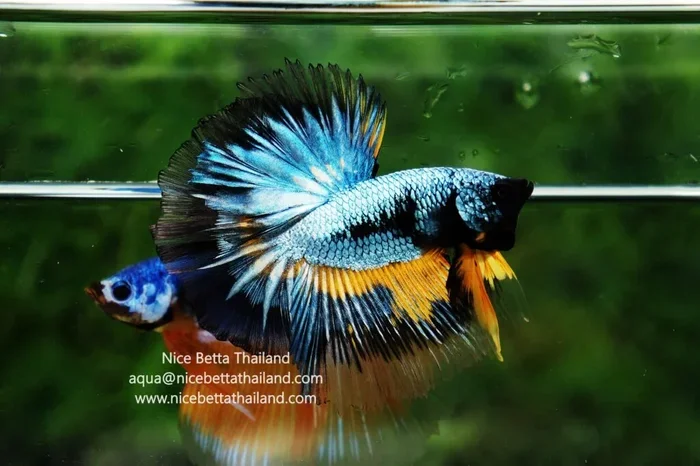
Learning how to care for betta fish fry requires patience, attention to detail, and the right setup. Baby bettas need warm water, tiny food, and clean tanks to thrive. This guide covers everything from tank preparation to feeding schedules and growth milestones. Whether you are a first-time breeder or a seasoned hobbyist, you will find practical tips to raise healthy fry successfully.
Raising betta fish fry is one of the most rewarding experiences in the aquarium hobby. These tiny, delicate creatures require special attention from the moment they hatch. If you have ever wondered how to care for betta fish fry the right way, you are in the right place. This guide walks you through every step, from setting up the perfect fry tank to feeding schedules and growth milestones. By the end, you will feel confident and ready to raise healthy baby bettas.
Betta fish fry are incredibly small when they first hatch. They are barely visible to the naked eye and need very specific conditions to survive. Many new fish keepers underestimate how much work goes into raising them. But with the right knowledge and a little patience, you can achieve great results. Let us dive into the world of betta fry care and give these little ones the best start in life.
Key Takeaways
- Proper Tank Setup: A small, separate fry tank with gentle filtration keeps baby bettas safe and stress-free.
- Feeding Frequency Matters: Betta fish fry need tiny meals 3-5 times a day to support rapid growth.
- Water Quality Is Critical: Maintaining stable temperature and clean water prevents disease and boosts survival rates.
- Growth Stages Guide Care: Understanding when fry transition between food types ensures proper nutrition at every stage.
- Avoid Common Mistakes: Overfeeding, dirty water, and overcrowding are the top causes of fry loss.
📑 Table of Contents
Understanding Betta Fish Fry
Before you start raising betta fish fry, it helps to understand what they are and what they need. Baby bettas go through several growth stages, and each stage has different requirements. Knowing these stages will help you provide the right care at the right time.
What Are Betta Fish Fry?
Betta fish fry are newborn betta fish. They hatch from eggs laid by a female betta and fertilized by a male. When they first emerge, they are extremely tiny, usually less than a quarter of an inch long. At this stage, they still carry a yolk sac that provides nutrition for the first day or two. After the yolk sac is absorbed, they become free-swimming and need external food.
Growth Stages of Betta Fry
Betta fry grow quickly, but each stage comes with different needs. Here is a simple breakdown of the main growth stages:
- Stage 1 — Hatching (0-2 days): Fry are still attached to the hatching surface and absorbing their yolk sac.
- Stage 2 — Free-Swimming (Days 2-5): Fry become free-swimming and start looking for food. This is when you begin feeding infusoria or liquid fry food.
- Stage 3 — Early Growth (Week 1-2): Fry start growing their fins and becoming more active. You can introduce baby brine shrimp.
- Stage 4 — Mid Growth (Week 3-4): Fry are now about half an inch long and can eat slightly larger foods.
- Stage 5 — Juvenile (Month 2-3): Fry start developing their full color and fin shape. They can now eat the same food as adult bettas, just in smaller pieces.
Understanding these stages makes it much easier to adjust your care routine. Each phase demands a slightly different approach to feeding and tank maintenance.
Setting Up the Perfect Fry Tank
Creating the right environment is the foundation of successful betta fry care. A proper fry tank protects delicate baby fish from harm and gives them the best chance to grow strong. You do not need a huge tank, but you do need the right setup.
Tank Size and Type
A small tank works best for betta fish fry. A 5-gallon tank is ideal for a small batch of fry. If you are raising a larger number, you can go up to 10 gallons. The key is to keep the water volume small enough to maintain stability but large enough to support the fry as they grow. Check out our guide on how to set up a fish tank for betta fish for more detailed tips on tank preparation.
Filtration and Heating
Betta fry need warm, clean water to thrive. Use a small sponge filter to keep the water moving without creating strong currents. Baby bettas are weak swimmers and can get pushed around by powerful filters. Set the water temperature between 78 and 80 degrees Fahrenheit. A small heater with a thermostat works perfectly for this. Stable temperature is one of the most important factors in betta fry survival.
Adding Plants and Hiding Spots
Fry feel safer when they have places to hide. Live plants like java moss or floating plants provide excellent cover. The plants also help grow infusoria, which is a natural first food for baby bettas. Adding a few marbles or fine mesh at the bottom of the tank can also help keep waste from building up in the substrate.
Feeding Your Betta Fish Fry
Feeding is the most critical part of betta fry care. These tiny fish have very small mouths and need appropriately sized food. Getting the feeding routine right makes a huge difference in their growth and survival rate.
What to Feed Betta Fry
When betta fry first become free-swimming, they cannot eat regular fish food. They need extremely tiny options. Here are the best food choices for each stage:
- Infusoria: A natural culture of microscopic organisms. This is the perfect first food for newly hatched fry.
- Liquid fry food: Commercially available liquid foods designed specifically for small fry.
- Baby brine shrimp: Rich in protein and easy for fry to eat. This is a staple food for growing bettas.
- Crushed flake food: Once fry are a week old, you can start offering finely crushed high-quality betta flakes.
- Micro worms: Another excellent live food option that is easy to culture at home.
For more detailed feeding schedules and techniques, check out our article on how to feed betta fish fry.
Feeding Schedule and Frequency
Betta fish fry need to eat more often than adult bettas. In the first two weeks, feed them 4 to 5 times a day. Small amounts each time work best. Overfeeding is one of the biggest mistakes people make with fry. Uneaten food quickly fouls the water and can make fry sick. Watch the fry during feeding time and remove any leftover food after a few minutes.
Common Feeding Mistakes
Here are some feeding errors to avoid when raising betta fry:
- Feeding food that is too large for their tiny mouths.
- Overfeeding, which leads to dirty water and health problems.
- Skipping feedings, which slows growth and weakens the fry.
- Only offering one type of food, which can cause nutritional gaps.
Water Quality and Temperature
Clean, stable water is essential for healthy betta fry. These baby fish are very sensitive to changes in water conditions. Even small fluctuations can cause stress or illness.
Water Parameters for Betta Fry
Keep the water parameters within these ideal ranges for betta fry:
- Temperature: 78 to 80 degrees Fahrenheit
- pH: 6.5 to 7.0
- Ammonia: 0 ppm
- Nitrite: 0 ppm
- Nitrate: Below 10 ppm
Test the water regularly with a liquid test kit. This helps you catch problems before they affect the fry. For tips on maintaining clean water, read our guide on how to do a water change for betta fish.
Water Change Routine
Fry tanks need regular water changes, but you must be gentle. Remove 10 to 20 percent of the water every other day using a turkey baster or small siphon. This removes waste without disturbing the fry. Always add dechlorinated water at the same temperature as the tank. Sudden temperature drops can shock and kill baby bettas.
Using Water Conditioners
Always treat new water with a water conditioner before adding it to the fry tank. Conditioners remove chlorine and chloramine, which are harmful to fish. For more information, see our article on how to use tap water conditioner for betta fish.
Monitoring Growth and Development
Watching betta fry grow is one of the most exciting parts of the process. Tracking their development helps you adjust care as they progress through each stage.
What to Look For
Here are the key milestones to watch for as your betta fry grow:
- First color changes: Around week 3 to 4, you may start seeing hints of color on the fry.
- Fin development: Dorsal and anal fins become visible by the second week.
- Full color: Most fry show their full coloration by month 2 to 3.
- Longer fins: Veil tails and other fin types start to show their distinct shape around month 2.
When to Separate Fry
As the fry grow, you may need to separate them by size. Larger fry can bully smaller ones and eat their food before the little ones get a chance. Use a divided fry tank or move bigger fry into their own containers. This ensures every fish gets enough to eat and grows at a healthy rate.
Survival Rate Expectations
It is normal to lose some fry during the early weeks. Not every egg will hatch, and not every fry will survive to adulthood. A survival rate of 30 to 50 percent is considered good with proper care. The key is to maintain clean water, feed appropriately, and watch for signs of illness.
Common Mistakes to Avoid When Raising Betta Fry
Even experienced hobbyists make mistakes when raising betta fish fry. Learning from common errors can save you time, effort, and most importantly, lives.
Overcrowding the Tank
Too many fry in a small space leads to poor water quality and competition for food. Start with a manageable number of fry and be prepared to separate them as they grow. Overcrowding is the number one cause of disease outbreaks in fry tanks.
Neglecting Water Changes
Fry produce waste just like adult fish, but in a smaller tank, waste builds up fast. Skipping water changes leads to ammonia spikes, which are deadly for baby bettas. Stick to a consistent water change schedule no matter how busy you are.
Feeding the Wrong Foods
Adult betta pellets are too big for fry. Feeding inappropriate food leads to starvation and stunted growth. Always match the food size to the fry’s age and mouth size. When in doubt, offer foods that are smaller rather than larger.
Ignoring Temperature Stability
Temperature swings stress betta fry and weaken their immune systems. Avoid placing the fry tank near windows, drafts, or heat sources. A reliable heater and thermometer are non-negotiable investments for fry keeping.
Tips for Long-Term Betta Fry Success
Raising betta fry successfully comes down to consistency and attention to detail. Here are some final tips to help you get the best results.
- Keep a routine: Feed at the same times each day and perform water changes on schedule.
- Observe daily: Spend a few minutes each day watching the fry for any signs of illness or unusual behavior.
- Be patient: Betta fry take time to develop. Do not rush the process or make sudden changes.
- Keep records: Note feeding times, water changes, and growth milestones. This helps you track what works and what does not.
- Start small: If you are new to fry raising, start with a small batch. This gives you experience without overwhelming you.
With these tips in mind, you are well on your way to becoming a confident betta fry raiser. The journey from tiny hatchlings to colorful juveniles is truly amazing. Enjoy every stage of the process and celebrate the small victories along the way.
Conclusion
Caring for betta fish fry is a fulfilling journey that requires dedication and the right approach. From setting up a proper fry tank to feeding tiny meals multiple times a day, every step matters. Keep the water clean, warm, and stable. Watch for growth milestones and adjust care as the fry develop. Avoid common pitfalls like overfeeding and overcrowding. With patience and consistency, you will raise healthy, vibrant bettas from fry to adulthood. Start applying these tips today and enjoy the rewarding experience of raising betta fish fry.
Frequently Asked Questions
How often should I feed betta fish fry?
Feed betta fry 4 to 5 times a day during their first two weeks of life. As they grow older, you can reduce feeding to 3 times a day. Always offer small amounts to prevent overfeeding and keep the water clean.
What is the best food for newborn betta fry?
Infusoria and liquid fry food are the best first foods for newborn bettas. These are tiny enough for their mouths and packed with nutrients. After the first week, you can introduce baby brine shrimp and micro worms.
When do betta fish fry start swimming freely?
Betta fry become free-swimming about 2 to 3 days after hatching. Before that, they are attached to the hatching surface and absorbing their yolk sac. Once they start swimming, you should begin feeding them immediately.
Can I keep betta fry in the same tank as adult bettas?
No, you should never keep fry with adult bettas. Adults may eat the fry or outcompete them for food. Always raise betta fry in a separate tank designed for their small size and delicate needs.
What water temperature is best for betta fish fry?
The ideal water temperature for betta fry is between 78 and 80 degrees Fahrenheit. Keeping the temperature stable within this range supports healthy growth and reduces the risk of disease.
How long does it take for betta fry to develop their full color?
Most betta fry start showing color around 3 to 4 weeks old. Their full adult coloration typically develops by 2 to 3 months of age. Some varieties may take a bit longer to reach their final color.