How to Better Care for My Otto Fish
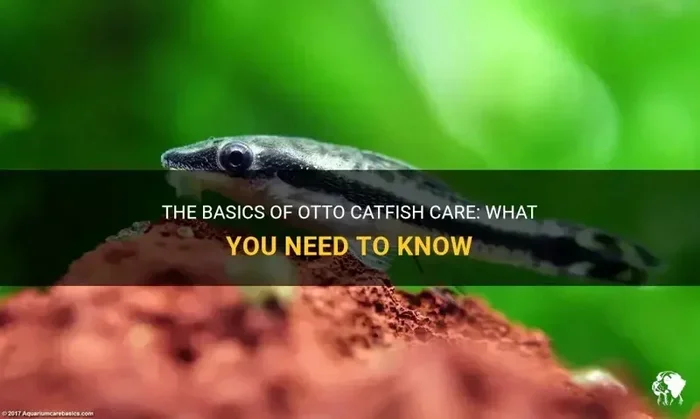
Learning how to better care for my otto fish starts with the right tank setup, clean water, and a proper diet. Otto fish are peaceful algae eaters that thrive in warm, well-maintained aquariums. This guide covers everything you need to know about otto fish care, from tank mates to feeding schedules, so your little cleaners stay healthy and active.
Caring for otto fish is easier than most people think. These tiny, peaceful fish are some of the best additions to a community aquarium. They eat algae, they stay small, and they get along with almost everyone. But here is the thing many new otto fish owners learn the hard way. If you do not give them the right conditions, they will not thrive. They will get sick, stop eating, and fade away. That is why learning how to better care for my otto fish matters so much. This guide walks you through every step. You will learn about tank setup, feeding, water quality, and keeping your otto fish happy for years to come.
Otto fish, also known as otocinclus or oto cats, are small South American catfish. They grow to about two inches long and spend most of their time grazing on algae. They are not betta fish, but they share similar water and care needs. Many of the same principles that apply to betta care also apply to otto fish. You need clean water, stable temperatures, and a well-planned tank. The difference is that otto fish are more sensitive to water changes and need a steady supply of algae and plant matter in their diet. Let us dive into how to give your otto fish the best life possible.
Key Takeaways
- Tank Size Matters: A minimum 10-gallon tank keeps otto fish comfortable and reduces stress.
- Clean Water Is Critical: Regular water changes and proper conditioning prevent illness and keep otto fish thriving.
- Feed a Balanced Diet: Algae wafers, blanched vegetables, and occasional protein keep otto fish healthy.
- Choose Peaceful Tank Mates: Otto fish do best with calm community fish that share similar water needs.
- Watch for Stress Signs: Clamped fins, loss of color, and hiding behavior signal that something is wrong.
- Maintain Stable Temperatures: Keep water between 72-82°F to mimic the otto fish natural habitat.
📑 Table of Contents
Understanding Your Otto Fish
What Makes Otto Fish Special
Otto fish are not your typical aquarium pet. They are small, slim, and always on the move. You will see them clinging to glass, scraping algae off rocks, and swimming in loose groups. They are schooling fish, which means they feel safest in groups of at least five or six. A lone otto fish will become stressed and shy. They are also bottom-dwellers, which means they spend most of their time near the substrate. This is important when you plan their tank setup. They need open space at the bottom and plenty of surfaces to graze on.
Why Proper Care Makes All the Difference
Many people buy otto fish because they are told the fish will clean their tank. That is only partly true. Otto fish do eat algae, but they also need supplemental food. If the tank is too clean, your otto fish will go hungry. If the water is dirty, they will get sick. Proper care means finding the right balance. It means paying attention to water parameters, feeding the right foods, and choosing compatible tank mates. When you do all of this, your otto fish will be active, colorful, and full of energy. A well-cared-for otto fish can live three to five years, sometimes even longer.
Setting Up the Perfect Otto Fish Tank
Tank Size and Shape
The minimum tank size for otto fish is 10 gallons. A larger tank is always better because it gives them more room to swim and more stable water parameters. A 20-gallon long tank is an excellent choice. It provides plenty of horizontal swimming space, which otto fish prefer. Avoid tall, narrow tanks because they limit the bottom area where otto fish spend most of their time. A bigger tank also makes it easier to maintain stable water conditions, which is crucial for these sensitive little fish.
Water Parameters and Conditioning
Otto fish need warm, clean water that stays within a specific range. The ideal temperature is between 72 and 82 degrees Fahrenheit. pH should stay between 6.5 and 7.5. Hardness should be soft to moderately hard. Before you add otto fish to any tank, you need to make sure the water is safe. Tap water contains chlorine and chloramine, which are harmful to fish. Learning how to condition tap water properly is essential. You can follow our guide on how to condition tap water for betta fish to understand the process. The same water conditioning steps apply to otto fish tanks. Use a water conditioner like Seachem Prime or API Stress Coat to neutralize harmful chemicals before adding water to your tank.
You should also cycle your tank before adding any fish. Cycling builds beneficial bacteria that break down ammonia and nitrite. Both of these substances are toxic to otto fish. A fully cycled tank has zero ammonia, zero nitrite, and nitrate below 20 ppm. Testing your water regularly with a liquid test kit is the best way to stay on top of these parameters.
Tank Setup and Decorations
Otto fish need a natural-looking setup that mimics their native habitat. Use fine sand or smooth gravel as substrate. Avoid rough or sharp substrates because otto fish like to graze along the bottom. Add plenty of rocks, driftwood, and live plants. Plants provide natural algae growth, which otto fish love to eat. Driftwood also harbors biofilm and microorganisms that otto fish feed on. Leave some open areas on the glass and rocks for algae to grow. This gives your otto fish a constant food source between feedings. You can also add a gentle filter, but avoid strong currents. Otto fish are small and weak swimmers. A sponge filter works great because it provides biological filtration without creating a strong flow.
Feeding Your Otto Fish the Right Way
What to Feed Your Otto Fish
Otto fish are primarily herbivores. Their diet should be mostly plant-based. The best staple foods include algae wafers, sinking pellets made for herbivorous fish, and blanched vegetables. Zucchini, cucumber, and spinach are all excellent choices. You can clip a piece of blanched vegetable to the tank wall using a vegetable clip. Your otto fish will graze on it throughout the day. You can also offer occasional treats like bloodworms or brine shrimp, but these should only make up a small part of their diet. Too much protein can cause digestive issues in otto fish.
Feeding otto fish is different from feeding many other community fish. Because they are slow eaters, they often lose out to faster fish during feeding time. You may need to target-feed your otto fish by dropping food near them or using a feeding ring. If you follow our tips on how to feed my betta fish, you will understand the importance of offering the right foods and not overfeeding. The same principles apply to otto fish. Feed small amounts twice a day and remove any uneaten food after a few minutes.
Feeding Schedule and Tips
A consistent feeding schedule helps otto fish stay healthy and active. Feed them once in the morning and once in the evening. Offer only as much food as they can consume in two to three minutes. Overfeeding is one of the most common mistakes otto fish owners make. Excess food decays in the tank and raises ammonia levels, which can be deadly. If you notice your otto fish ignoring food, check your water parameters first. Poor water quality is often the reason otto fish stop eating. Also, make sure your otto fish are getting enough algae and biofilm. In a well-planted tank, this natural food source can supplement their diet significantly.
Maintaining Water Quality
How Often to Change the Water
Water quality is the single most important factor in otto fish health. Otto fish are very sensitive to ammonia, nitrite, and nitrate spikes. Regular water changes are the best way to keep these levels in check. Aim for a 20 to 25 percent water change every week. This removes accumulated waste and replenishes essential minerals. If your tank is heavily stocked, you may need to do larger changes more frequently. You can also follow our guide on how to do a water change for betta fish for step-by-step instructions. The process is the same for otto fish tanks. Use a gravel vacuum to remove debris from the substrate while siphoning out old water.
Testing and Monitoring
You should test your water at least once a week. Check ammonia, nitrite, nitrate, and pH levels. A liquid test kit is more accurate than test strips. Keep a log of your test results so you can spot trends over time. If you notice any parameter drifting out of range, take action immediately. Small adjustments are easier than fixing a full water crisis. Also, always treat new water with conditioner before adding it to the tank. Dechlorinating tap water protects your otto fish from harmful chemicals. You can read more about dechlorinating water for betta fish to understand why this step is so important.
Keeping Your Otto Fish Healthy and Happy
Common Health Problems
Otto fish are generally hardy when kept in good conditions. However, they can still face health issues. The most common problem is ich, which appears as white spots on the body and fins. Ich is caused by stress and poor water quality. The best treatment is to raise the temperature slowly to 82 degrees Fahrenheit and add aquarium salt. Another common issue is starvation. Because otto fish are slow eaters, they can lose out at feeding time. Signs of a starving otto fish include a thin body, faded colors, and lethargy. If you see these signs, increase feedings and offer more accessible food sources.
Otto fish can also experience stress from aggressive tank mates or sudden water changes. Stressed otto fish may hide constantly, clamp their fins, or rush to the surface gasping for air. If you notice these behaviors, test your water immediately and check for aggressive fish in the tank. Reducing stress is one of the best things you can do for your otto fish. A calm, stable environment goes a long way toward keeping them healthy.
Stress Prevention Tips
- Keep water parameters stable and consistent.
- House otto fish with peaceful, non-aggressive tank mates.
- Avoid sudden temperature changes or loud noises near the tank.
- Provide plenty of hiding spots with plants and driftwood.
- Maintain a regular feeding and maintenance schedule.
- Quarantine new fish before adding them to the main tank.
Best Tank Mates for Otto Fish
Good Friends for Otto Fish
Otto fish are peaceful community fish that do well with a variety of tank mates. Good choices include small tetras, rasboras, corydoras catfish, and shrimp. These fish share similar water preferences and temperament. They will not bother your otto fish and will leave them alone while they graze. A group of corydoras is a particularly great companion because they occupy different levels of the tank. Your otto fish stay near the bottom while corydoras roam the mid-level. This creates a balanced and active aquarium.
Fish to Avoid
Avoid housing otto fish with aggressive or fin-nipping species. Tiger barbs, betta fish, and large cichlids can bully or injure otto fish. While betta fish and otto fish share some care requirements, bettas can be territorial and may attack the small, flowing fins of otto fish. Always research any new fish before adding them to your otto fish tank. Compatibility is key to a peaceful and healthy community aquarium.
Final Thoughts on Otto Fish Care
Learning how to better care for my otto fish has been a rewarding journey for every aquarium hobbyist. These little fish bring so much life and movement to a tank. They keep algae in check, they school beautifully, and they are fascinating to watch. But they do require attention and consistency. Clean water, proper feeding, stable temperatures, and good tank mates are the foundation of great otto fish care. When you get all of these elements right, your otto fish will reward you with years of enjoyment. Start with the basics, stay consistent, and never stop learning. Your otto fish will thank you for it.
Frequently Asked Questions
How many otto fish should I keep together?
Otto fish are schooling fish and should be kept in groups of at least five or six. A larger group reduces stress and encourages natural behavior. A single otto fish will become withdrawn and may stop eating. Always keep them in small schools for the best results.
What is the lifespan of an otto fish?
With proper care, otto fish typically live three to five years. Some otto fish have been known to live longer in well-maintained tanks with excellent water quality. Feeding a balanced diet and keeping stress levels low are the biggest factors in extending their lifespan.
Why are my otto fish hiding all the time?
Otto fish hide when they feel stressed or unsafe. Common causes include aggressive tank mates, poor water quality, or sudden changes in their environment. Check your water parameters first, then evaluate your tank mates. Providing more plants and hiding spots can also help them feel more secure.
Can otto fish live with betta fish?
Otto fish and betta fish can sometimes coexist, but it is not guaranteed. Bettas can be territorial and may nip at the long fins of otto fish. If you plan to keep them together, provide plenty of hiding spots and monitor their behavior closely. A larger tank with lots of plants helps reduce tension between the two species.
What is the best food for otto fish?
The best foods for otto fish are algae wafers, sinking herbivore pellets, and blanched vegetables like zucchini and spinach. These foods match their natural herbivorous diet. You can also offer occasional treats like bloodworms or brine shrimp, but these should be given sparingly to avoid digestive problems.
How do I know if my otto fish is healthy?
A healthy otto fish is active, has vibrant colors, and eats regularly. They should school together and graze on algae and surfaces in the tank. Signs of an unhealthy otto fish include clamped fins, loss of color, thin body, and frequent hiding. Regular water testing and consistent feeding are the best ways to keep your otto fish in top condition.
=== CONCLUSION ===
Taking care of otto fish does not have to be complicated. Start with a properly sized tank, condition your water, feed a balanced diet, and choose peaceful tank mates. These simple steps make a huge difference in the health and happiness of your otto fish. Remember, consistency is everything. Small daily efforts add up to a thriving aquarium. Now that you know how to better care for my otto fish, you are ready to give them the home they deserve. Happy fishkeeping!