Can Betta Fish and Angelfish Live Together
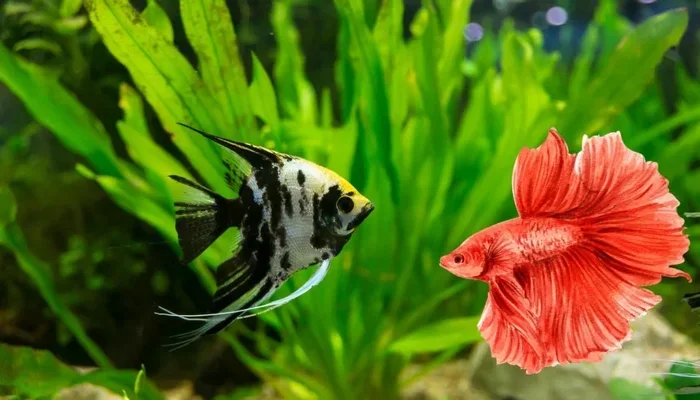
Can betta fish and angelfish live together? The short answer is: it is possible, but it comes with real risks. Both species can be territorial, and angelfish may nip at betta fins. Success depends heavily on tank size, careful stocking, and monitoring behavior from day one.
Key Takeaways
- Angelfish and bettas share similar water needs, which makes them potential tank mates on paper.
- Angelfish can grow large and become aggressive, posing a real threat to slower-moving bettas.
- A tank of 55 gallons or more is strongly recommended to reduce conflict.
- Tank layout and hiding spots play a huge role in reducing stress and territorial disputes.
- Watch for fin nipping and chasing behavior early, and be ready to separate fish if needed.
- Feeding both species properly prevents competition and hunger-driven aggression.
- Not every betta will tolerate an angelfish, so individual temperament matters a lot.
📑 Table of Contents
- Can Betta Fish and Angelfish Live Together?
- Understanding Betta Fish Temperament
- Understanding Angelfish Behavior
- Water Parameters: Do They Match?
- Tank Setup for Keeping Betta Fish and Angelfish Together
- Risks of Keeping Betta Fish and Angelfish Together
- Tips for Success: Making It Work
- Better Alternatives to Angelfish for Betta Tanks
- Conclusion
Can Betta Fish and Angelfish Live Together?
If you are a fish keeper, you have probably wondered about betta fish and angelfish living together. It is a tempting idea. Both species are colorful, active, and popular in the hobby. A tank with a betta and an angelfish could look stunning.
But looks can be deceiving. These two fish come from very different backgrounds. Bettas are small, slow-moving, and often territorial. Angelfish are larger, taller, and can be just as feisty. Putting them in the same tank is not a decision to make lightly.
This guide walks you through everything you need to know. We cover compatibility, tank setup, risks, and real tips for success. By the end, you will know whether this pairing is right for your aquarium.
Understanding Betta Fish Temperament
Betta fish are often called “Siamese fighting fish” for a reason. Males, in particular, are known for their aggressive streak. They flare at their own reflection. They chase other fish that enter their space.
But not all bettas are the same. Some bettas are calm and laid-back. Others are feisty and bold. This individual temperament matters a lot when choosing tank mates.
What Makes Bettas Aggressive?
Several factors trigger aggression in bettas:
- Small tanks make bettas feel crowded and defensive.
- Bright colors on other fish can trigger territorial behavior.
- Slow-moving tank mates may annoy a betta, especially if they wander into its territory.
- Long fins on other fish can cause bettas to think they are rival bettas.
Angelfish have tall, flowing fins. To a betta, they might look like another male betta. This alone can cause serious problems. Understanding this helps you set realistic expectations.
If you want to learn more about betta compatibility, check out our guide on can betta fish and dwarf gourami live together for insights on similar-sized community fish.
Understanding Angelfish Behavior
Angelfish are not just pretty faces. They are cichlids, which means they have a strong prey drive and a bossy personality. In the wild, angelfish claim territories and defend them fiercely.
In a home aquarium, angelfish can become dominant. They may shove other fish around. They can also get nippy, especially during feeding time or when they feel crowded.
How Big Do Angelfish Get?
Angelfish grow up to six inches tall and can stretch to eight inches long. That is big for a community tank. Their size alone gives them an advantage over a betta, which usually stays around two to three inches.
This size difference matters. A stressed betta in a tank with a large angelfish is not a happy betta. Angelfish can also live for 10 years or more, so this is a long-term commitment if you choose this pairing.
Water Parameters: Do They Match?
One good thing about this pairing is that bettas and angelfish share similar water parameter needs. Both species thrive in warm, slightly soft to neutral water.
| Parameter | Betta Fish | Angelfish |
|---|---|---|
| Temperature | 76-82°F | 78-84°F |
| pH Level | 6.5-7.5 | 6.5-7.5 |
| Tank Size (Minimum) | 5 gallons | 20+ gallons |
| Temperament | Semi-aggressive | Moderately aggressive |
The overlap in temperature and pH is encouraging. It means you do not need to compromise on water conditions. However, the tank size requirement is where things get tricky. A betta can live in a 5-gallon tank alone. An angelfish needs at least 20 gallons by itself.
If you plan to house them together, you need a much larger tank. We will cover this in detail next.
Tank Setup for Keeping Betta Fish and Angelfish Together
A proper setup is the foundation of success. Without the right environment, even compatible fish can fight. Here is what you need to get right.
Tank Size Matters
The minimum tank size for a betta and angelfish pair is 55 gallons. Yes, that is a big jump from a standard betta bowl. But it makes a huge difference.
A larger tank gives each fish its own territory. It reduces stress. It also dilutes aggression, meaning chasing incidents are less intense and less frequent.
Here are some quick tips for tank size:
- 55 gallons is the absolute minimum for one betta and one angelfish.
- 75 gallons or more is ideal if you plan to add other fish.
- Avoid tanks under 30 gallons at all costs for this pairing.
Plants and Hiding Spots
Live plants are your best friend in a community tank with bettas and angelfish. Plants break up sightlines and create natural boundaries. Fish feel safer when they can retreat.
Some great plant choices include:
- Java fern – hardy and easy to grow.
- Amazon sword – large leaves that provide cover.
- Anubias – tough and low-maintenance.
- Floating plants like water lettuce or frogbit – they dim the light and add a natural feel.
Add caves, driftwood, and other decorations too. These give both species places to claim as their own without direct confrontation.
If you are also considering adding algae eaters to your tank, our guide on can betta fish and algae eaters live together offers useful tips on managing a peaceful community setup.
Risks of Keeping Betta Fish and Angelfish Together
Let us be honest. There are real risks with this pairing. Many experienced aquarists advise against it. Here is why.
Fin Nipping
Angelfish are known to nip at long fins. Bettas have beautiful, flowing tails and fins. To an angelfish, a betta’s fins might look like something to nip at. This can cause injury and stress to your betta.
Fin nipping is not just cosmetic. Open wounds can lead to infections. A stressed betta is also more prone to disease. The health of your fish should always come first.
Chasing and Bullying
Angelfish can be bullies. They may chase a betta around the tank, especially in smaller setups. A betta that cannot escape will become increasingly stressed. Chronic stress weakens the immune system and shortens lifespan.
Watch for these warning signs:
- The betta hides constantly and refuses to eat.
- The angelfish corners the betta in corners or near plants.
- You notice torn or ragged fins on the betta.
- Either fish shows clamped fins, which signals stress or illness.
Feeding Conflicts
Bettas are slow eaters. Angelfish are faster and more aggressive at feeding time. In a shared tank, the angelfish may eat all the food before the betta gets a chance. This leads to malnutrition and hunger in the betta.
You can reduce this by feeding in two spots. Drop food on one side for the angelfish and use a feeding ring on the other side for the betta. This gives both fish fair access to meals.
If you are looking for peaceful invertebrate tank mates instead, you might consider reading about can betta fish and ghost shrimp live together for a low-conflict option.
Tips for Success: Making It Work
If you have decided to try this pairing, here are some practical tips to increase your chances of success.
Introduce Them Slowly
Do not just drop both fish into the tank at the same time. Set up the tank first. Let the angelfish settle in for a few days. Then introduce the betta last. This gives the angelfish time to claim its territory before the betta arrives.
Watch their interactions closely during the first week. Be ready to separate them if things get too heated.
Choose a Calmer Betta
Not every betta is a warrior. Some bettas are naturally docile and curious. If you are picking a betta for a community tank, look for one that is calm and does not flare excessively. A relaxed betta is far more likely to coexist peacefully with an angelfish.
Keep Only One Angelfish
Angelfish can be kept in pairs or groups, but that increases aggression in a shared tank. For a betta and angelfish setup, stick with one angelfish. More angelfish means more territorial behavior and more competition.
Monitor Water Quality
Both species are sensitive to poor water conditions. Test your water regularly. Keep ammonia and nitrite at zero. Maintain nitrate below 20 ppm. Clean water reduces stress for both fish and lowers the chance of disease.
Have a Backup Plan
This is the most important tip of all. Be ready to move one of the fish to a separate tank if things do not work out. Not every pairing will succeed, and that is okay. The goal is healthy, happy fish, not a perfect display.
Better Alternatives to Angelfish for Betta Tanks
If the risks feel too high, there are other options. Many fish species make better companions for bettas. Here are a few to consider:
- Corydoras catfish – peaceful bottom dwellers that stay out of the betta’s way.
- Neon tetras – small, fast, and generally non-threatening.
- Kuhli loaches – quirky, shy fish that keep to themselves.
- Mystery snails – slow-moving and harmless, they clean algae without causing drama.
- Ghost shrimp – inexpensive and easy to care for, though bettas may see them as food.
Each of these species has a proven track record of getting along with bettas. They are safer choices if you are new to community tanks.
Conclusion
So, can betta fish and angelfish live together? The answer is yes, but with significant caveats. This pairing requires a large tank, careful setup, and constant monitoring. Not every combination will work, and that is perfectly fine.
The key to success is knowing your fish. Watch their behavior. Respond quickly to signs of stress or aggression. A well-planned tank can be a beautiful and rewarding experience. But the health and safety of your fish should always come first.
If you are new to keeping bettas with other species, start simple. Gain experience with peaceful tank mates before attempting a more challenging pairing like bettas and angelfish. Your fish will thank you for it.
Frequently Asked Questions
Can a male betta and an angelfish live in the same tank?
It is possible but risky. Male bettas are more aggressive and territorial than females. Angelfish can also be dominant. A large tank with plenty of hiding spots is essential. Monitor their behavior closely and be prepared to separate them if needed.
What size tank do I need for a betta and angelfish together?
A 55-gallon tank is the minimum recommended size. Angelfish grow large and need swimming space. A bigger tank reduces territorial aggression and gives both fish room to establish their own areas without constant conflict.
Will angelfish nip at a betta’s fins?
Yes, this is a real possibility. Angelfish are known fin nippers, and bettas have long, flowing fins that can attract attention. Watch for torn or ragged fins on your betta. If you notice this, consider separating the fish immediately.
Can female bettas live with angelfish?
Female bettas are generally less aggressive than males, which makes them slightly better candidates for community tanks. However, angelfish can still be territorial. Success depends on tank size, setup, and the individual temperament of both fish.
How do I introduce a betta to an angelfish tank?
Set up the tank and let the angelfish settle in first for a few days. Then introduce the betta last. Feed both fish separately at first to prevent competition. Watch them closely for the first week and have a backup tank ready if aggression occurs.
What should I do if my betta and angelfish are fighting?
Separate them immediately. Moving one fish to a different tank prevents injury and reduces stress. Assess the tank setup to see if there are not enough hiding spots or territory. Not all fish pairings work, and that is perfectly okay.