Can Betta Fish and Catfish Live Together
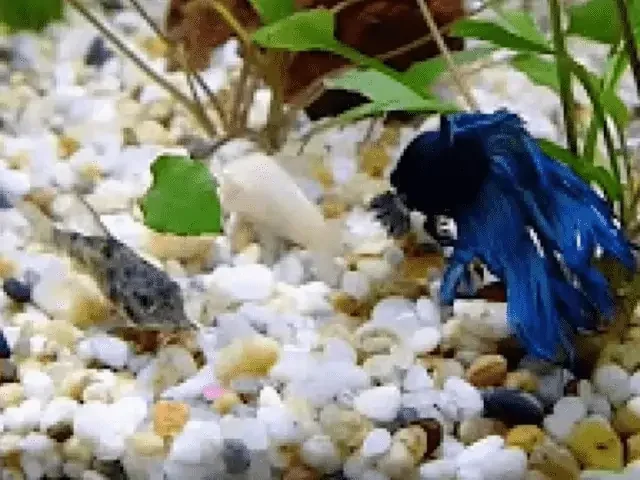
Yes, betta fish and certain catfish species can live together when you choose the right tank mates and set up the aquarium properly. Corydoras catfish and kuhli loaches are among the best catfish companions for bettas because they stay peaceful and occupy different tank levels. This guide covers everything you need to know about creating a harmonious shared home for your betta and catfish.
Can betta fish and catfish live together? This is a question many aquarium lovers ask when they want to add more life to their tank. The short answer is yes, but it depends on the catfish species you pick and how you set up the aquarium. Bettas are known for their bright colors and flowing fins, but they can also be territorial. Catfish, on the other hand, tend to mind their own business at the bottom of the tank. When you pair the right catfish with a betta, you can create a beautiful and lively community tank.
In this guide, I will walk you through everything you need to know. We will cover which catfish species work best, how to set up the tank, and what signs to watch for that tell you your fish are happy together. Whether you are a beginner or a seasoned fish keeper, you will find practical tips that make the process easy and fun.
Key Takeaways
- Not all catfish work: Only peaceful, small catfish species like corydoras and kuhli loaches are safe betta tank mates.
- Tank size matters: A minimum of 20 gallons gives both species enough space to reduce aggression and stress.
- Bottom dwellers complement bettas: Catfish occupy the lower levels of the tank, so they rarely compete with bettas for territory.
- Watch for warning signs: Fin nipping, hiding behavior, and loss of appetite can signal that your fish are not getting along.
- Proper setup is key: Soft substrate, plenty of hiding spots, and warm water temperatures keep both species healthy and calm.
- Feed carefully: Make sure both bettas and catfish get enough food without overfeeding the tank.
📑 Table of Contents
- Why People Want to Keep Betta Fish and Catfish Together
- Which Catfish Species Work Best with Betta Fish
- How to Set Up a Tank for Betta Fish and Catfish
- Signs That Your Betta and Catfish Are Getting Along
- Common Mistakes to Avoid
- Expert Tips for a Harmonious Betta and Catfish Tank
- Frequently Asked Questions
- Conclusion
Why People Want to Keep Betta Fish and Catfish Together
Many fish owners love the idea of a community aquarium. A single betta in a small tank can feel a bit lonely. Adding catfish to the mix brings movement and activity to the lower parts of the tank. Bettas like to swim near the top and middle, while catfish explore the bottom. This means both species get their own space without much overlap.
Catfish also bring a unique charm to a betta tank. Species like corydoras are active and curious. They sift through the substrate and clean up leftover food. This helps keep the tank tidy. Watching a betta glide through the water above while catfish scurry below is a rewarding sight for any fish keeper.
Another big reason people mix these species is the visual contrast. Bettas have long, colorful fins. Catfish have different body shapes and patterns. Together, they create a visually interesting aquarium that stands out. Plus, both species are relatively easy to care for, which makes them a great pairing for hobbyists of all levels.
Which Catfish Species Work Best with Betta Fish
Not all catfish are safe for a betta tank. Some species grow too large or become too aggressive. Others may bother your betta by nibbling on its fins. The key is to pick small, peaceful catfish that stay in the right size range and temperament.
Corydoras Catfish
Corydoras, often called corys, are the most popular choice for betta tanks. They are small, peaceful, and stay at the bottom of the tank. Most corydoras species grow to about 1 to 3 inches, which makes them a perfect size match for bettas. They are social fish and do best in groups of three to six. Corys spend their time gently searching the substrate for food, and they rarely bother your betta.
Some great corydoras species for betta tanks include the peppered cory, the bronze cory, and the panda cory. Each one has a unique look and a gentle nature. These catfish also help clean the tank by eating leftover flakes and small debris.
Kuhli Loaches
Kuhli loaches are another excellent option. They have a long, eel-like body and playful personality. Kuhlis are nocturnal, which means they are most active at night. This works perfectly for bettas because they are usually less active after the lights go out. Kuhlis stay small, growing to about 3 to 4 inches, and they mind their own business most of the time.
These loaches like to hide in caves and under decorations during the day. They come out at night to explore and forage. A betta fish usually ignores them completely, which is exactly what you want in a community tank.
Otocinclus Catfish
Otocinclus, or otos, are tiny algae-eating catfish that work well in larger betta tanks. They grow to only about 1 to 2 inches and are very peaceful. Otos spend most of their time eating algae off the glass and plants. They are a great addition if you want a natural cleanup crew for your aquarium.
One thing to keep in mind is that otos can be sensitive to water changes. They need stable water parameters to thrive. If you maintain your tank well, otos can be a wonderful and low-key companion for your betta.
Catfish Species to Avoid
Some catfish should never be kept with bettas. Large species like pictus catfish can grow over 5 inches and may become aggressive. Upside-down catfish can also nip at betta fins. Any catfish that grows too big or has a nippy temperament is a bad match. Always research a catfish species fully before adding it to a betta tank.
How to Set Up a Tank for Betta Fish and Catfish
The right tank setup makes all the difference when keeping bettas and catfish together. A poorly planned aquarium can lead to stress, disease, and even fighting. Taking the time to set things up properly will keep both species healthy and comfortable.
Tank Size
A minimum of 20 gallons is recommended for a betta and catfish setup. Bettas need space to swim and establish their territory. Catfish also need room to explore the bottom. A larger tank reduces territorial disputes and gives both species room to thrive. If you plan to keep a group of corydoras, go even bigger, around 30 gallons, to accommodate everyone comfortably.
Substrate and Decor
Catfish like corydoras have sensitive barbels, which are the small whisker-like organs they use to find food. Rough or sharp substrate can damage these barbels. Use soft sand or smooth gravel to protect them. Smooth river pebbles also work well.
Add plenty of hiding spots using caves, driftwood, and plants. Catfish feel safer when they have places to retreat. Bettas also appreciate plants and decorations where they can rest. Live plants like java fern and anubias are great choices because they are hardy and provide natural cover for both species.
Water Parameters
Bettas and most peaceful catfish share similar water preferences. Keep the temperature between 76 and 82 degrees Fahrenheit. Maintain a pH level between 6.5 and 7.5. Both species prefer clean, well-filtered water. A gentle filter is important because bettas do not like strong currents. Sponge filters work well for this type of setup.
Regular water changes are essential. Aim for a 25 percent water change every one to two weeks. This keeps ammonia and nitrite levels low, which protects the health of both your betta and your catfish.
Signs That Your Betta and Catfish Are Getting Along
After introducing your catfish to the betta tank, you need to observe their behavior closely. The first few days are the most important. Here are the signs that things are going well.
- No chasing: Your betta ignores the catfish or swims past without showing aggression.
- Normal eating: Both fish eat their food without competition or stress.
- Active behavior: The catfish comes out to explore, and the betta swims freely without flaring.
- No fin damage: The betta’s fins remain intact without nipping or tearing.
- Catfish are visible: If the catfish feels safe, it will be out and about during feeding time.
If you notice any of these positive signs, you are on the right track. It can take a few days for both fish to adjust to each other. Give them time and avoid making sudden changes to the tank during the introduction period.
On the other hand, watch for warning signs. A betta that constantly flares at the catfish, or a catfish that hides all the time, may indicate a problem. If aggression continues, you may need to separate the fish and reconsider the pairing.
Common Mistakes to Avoid
Even with the best intentions, mistakes can happen. Here are some common errors that fish keepers make when pairing bettas with catfish.
- Choosing the wrong catfish species: Not all catfish are peaceful. Always research the species before adding it to your betta tank.
- Overcrowding the tank: Too many fish in a small space leads to stress and aggression. Stick to the recommended tank sizes.
- Skipping quarantine: New catfish should be quarantined for two weeks before being added to the main tank. This prevents the spread of disease.
- Overfeeding: Both bettas and catfish can overeat. Feed small amounts twice a day and remove any uneaten food.
- Ignoring water quality: Poor water conditions harm both species. Test the water regularly and keep parameters stable.
Avoiding these mistakes will save you a lot of trouble. A little planning goes a long way in keeping your aquarium peaceful and healthy.
Expert Tips for a Harmonious Betta and Catfish Tank
Here are some extra tips from experienced fish keepers that can help you succeed.
First, introduce the catfish to the tank before the betta if possible. This gives the catfish time to settle in and claim the bottom of the tank. When the betta is added later, it is less likely to see the catfish as a threat to its territory.
Second, feed the betta first. Bettas are greedy eaters and may try to eat all the food. Give the betta its share, then drop some sinking pellets or wafers for the catfish. This ensures both species get enough nutrition without competition.
Third, consider adding some peaceful tank mates beyond catfish. Species like betta fish and algae eaters or betta fish and little shrimp can complement a community tank well. Just be sure to research each species carefully before adding them. You can also check out guides on betta fish and ghost shrimp to learn more about small bottom-dwelling companions.
Finally, observe your tank daily. Catching small problems early makes them much easier to fix. A quick glance each morning can tell you a lot about how your fish are feeling.
Frequently Asked Questions
Can any type of catfish live with a betta fish?
No, not all catfish are suitable for betta tanks. Only small, peaceful species like corydoras, kuhli loaches, and otocinclus make good companions. Larger or aggressive catfish species can harm your betta or stress it out. Always research the specific catfish species before adding it to your aquarium.
What size tank do I need for a betta and catfish together?
A 20-gallon tank is the minimum recommended size for a betta and a small group of catfish. A larger tank, around 30 gallons, gives both species more room and reduces the chance of territorial disputes. The extra space also makes it easier to maintain stable water conditions.
Will my betta try to attack the catfish?
Most bettas will ignore catfish that stay at the bottom of the tank. Bettas are top and middle-level swimmers, so they rarely cross paths with bottom-dwelling catfish. However, individual bettas have different personalities. Some may be more aggressive, so watch their behavior closely during the first few days after introduction.
How many catfish should I keep with my betta?
Corydoras are social fish and do best in groups of three to six. Kuhli loaches also prefer groups of three or more. Keeping catfish in small groups helps them feel secure and reduces stress. Just make sure your tank is large enough to accommodate the group comfortably.
What should I feed my betta and catfish together?
Feed your betta high-quality betta pellets or flakes. Then add sinking wafers or pellets for the catfish. Sinking food ensures the catfish get their share without the betta eating everything at the surface. Feed small amounts twice a day and remove any uneaten food within a few minutes.
Can I add shrimp to a tank with my betta and catfish?
Yes, you can add small shrimp like ghost shrimp or cherry shrimp to a betta and catfish tank. However, bettas may occasionally see shrimp as food. Ghost shrimp are more likely to survive because they are faster and more alert. Always monitor the tank closely after adding any new species.
Conclusion
So, can betta fish and catfish live together? Absolutely. With the right catfish species, a properly set up tank, and a little patience, these two can make wonderful tank mates. Corydoras, kuhli loaches, and otocinclus catfish are all excellent choices that bring energy and charm to a betta aquarium. Focus on providing enough space, soft substrate, hiding spots, and clean water, and both species will thrive.
Remember to watch for signs of stress or aggression, especially during the first few days. Feed both species properly and keep up with regular water maintenance. A little effort goes a long way in creating a peaceful and beautiful aquarium. Enjoy the process of building your community tank, and take pride in knowing you are giving your fish a happy and healthy home.