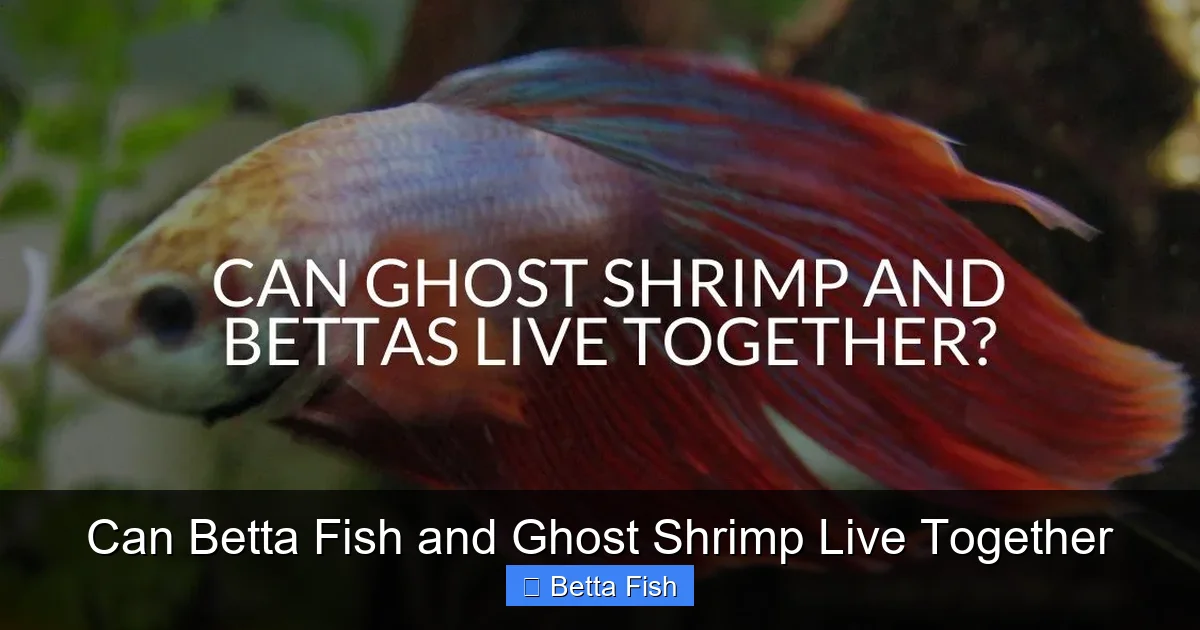
Can Betta Fish and Ghost Shrimp Live Together
Betta fish and ghost shrimp can share a well‑planted tank if you provide plenty of hiding places and monitor behavior closely. Key factors include tank size, water parameters, and the temperament of your betta. With the right setup, both species can thrive together and even become curious companions.
Key Takeaways
- Temperament matters: Most male bettas are territorial, but a calm individual may accept ghost shrimp.
- Tank size is crucial: A minimum of 10 gallons gives shrimp room to hide and reduces stress for the betta.
- Plenty of cover: Live plants, driftwood, and caves provide shrimp refuge and diffuse betta aggression.
- Water parameters must suit both: Stable temperature (78‑80°F), pH 6.5‑7.5, and gentle filtration work for fish and shrimp.
- Introduce slowly: Acclimate shrimp in a separate container before releasing to let the betta get used to their presence.
- Watch for signs of stress: Scratched fins or missing shrimp indicate the need for re‑evaluation.
- Feeding balance: Offer sinking shrimp pellets and occasional blanched veggies so both get proper nutrition.
📑 Table of Contents
- Introduction: A Curious Pair in the Same Tank
- Understanding the Species
- Tank Requirements for a Peaceful Co‑habitation
- Setting Up the Tank: Step‑by‑Step
- Behavioral Signs to Watch
- Feeding Both Species Without Competition
- When Things Go Wrong: Troubleshooting
- Conclusion: A Balanced Community Is Possible
Introduction: A Curious Pair in the Same Tank
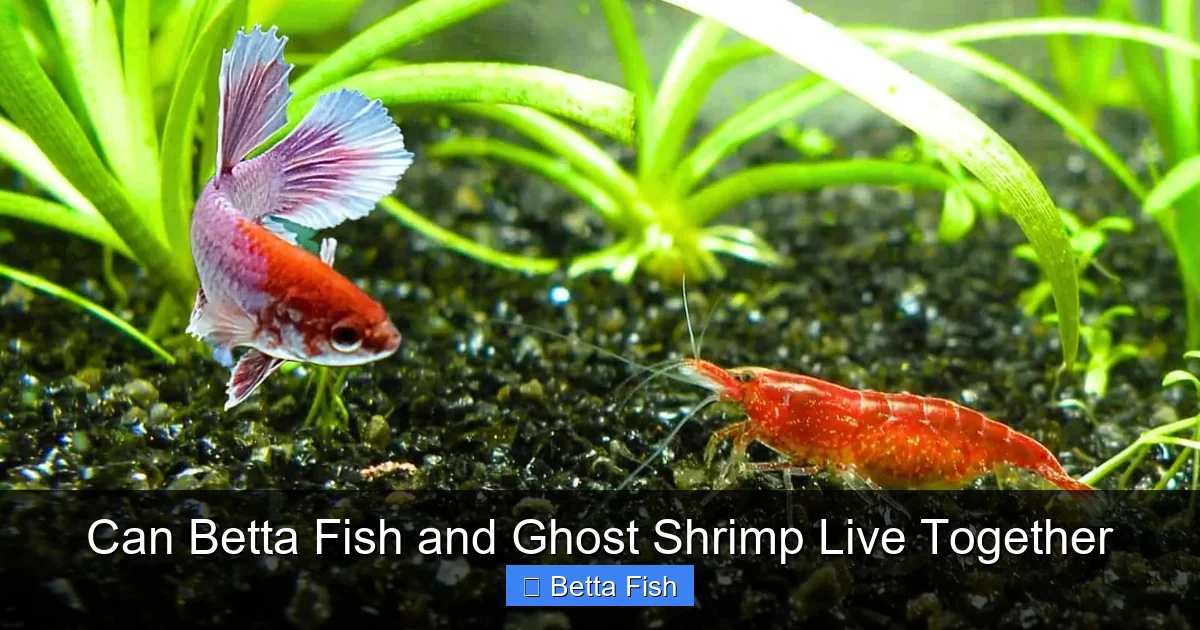
If you’ve ever watched a betta flare its fins and wondered whether a tiny ghost shrimp could survive nearby, you’re not alone. Many hobbyists love the vivid colors of bettas and the delicate, translucent look of ghost shrimp, and they often ask, “Can betta fish and ghost shrimp live together?” The short answer is yes—under the right conditions.
In this guide we’ll walk through everything you need to know: tank size, water quality, décor, feeding, and how to read the body language of both species. By the end you’ll feel confident setting up a peaceful community where a proud betta and shy shrimp can coexist.
Understanding the Species
Betta Fish: The Siamese Fighter
Betta splendens, commonly called the Siamese fighting fish, is known for its bright colors and long, flowing fins. Males are especially territorial and will often flare at anything they perceive as a rival. Females are less aggressive but can still defend a space they consider theirs.
Visual guide about Can Betta Fish and Ghost Shrimp Live Together
Image source: bettasource.com
Ghost Shrimp: The Transparent Clean‑Up Crew
Ghost shrimp (Palaemonetes sp.) are small, usually 1‑2 inches long, and almost completely see‑through. They love to scavenge uneaten food, algae, and detritus, making them excellent tank cleaners. Their delicate exoskeleton means they need calm water and places to hide.
Why Pair Them?
Besides the visual contrast—bright betta vs. ghostly shrimp—these two can complement each other. Shrimp help keep the tank clean, while bettas add color and personality. The key is creating an environment where the betta’s territorial instincts don’t turn into predation.
Tank Requirements for a Peaceful Co‑habitation
Size Matters
A 5‑gallon tank might seem enough for a single betta, but ghost shrimp need extra room to roam and hide. Aim for at least 10 gallons (38 liters). Larger tanks dilute aggression and give shrimp more places to escape.
Visual guide about Can Betta Fish and Ghost Shrimp Live Together
Image source: i.pinimg.com
Water Parameters
- Temperature: 78‑80°F (25.5‑26.5°C) – both species thrive here.
- pH: 6.5‑7.5 – slightly acidic to neutral is ideal.
- Hardness: 4‑12 dGH – soft to moderately hard water works for shrimp molting.
- Filtration: Gentle sponge filter or low‑flow hang‑on‑back to avoid sucking shrimp into the media.
Decor and Hiding Places
Ghost shrimp are shy. Provide plenty of live plants (Java moss, Anubias, or Amazon swords), driftwood, and ceramic caves. These not only give shrimp refuge but also break up sight lines, reducing the chance the betta will see them as food.
Lighting
Soft, diffused lighting works best. Too bright a light can stress a betta and make shrimp more visible to a curious fish.
Setting Up the Tank: Step‑by‑Step
1. Clean and Cycle
Rinse the tank, substrate, and décor with dechlorinated water. Start the nitrogen cycle and wait until ammonia and nitrite are both zero and nitrate is below 20 ppm.
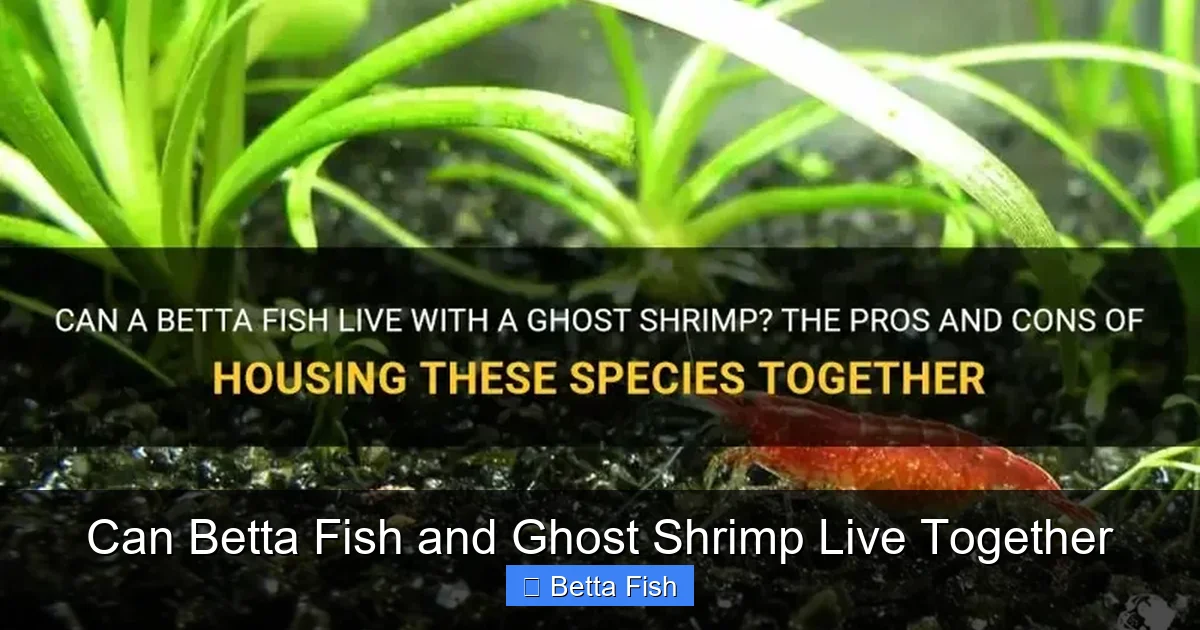
Visual guide about Can Betta Fish and Ghost Shrimp Live Together
Image source: petshun.com
2. Add Substrate and Plants
Use fine sand or smooth gravel. Plant densely—ghost shrimp love to graze on biofilm that forms on leaf surfaces.
3. Install Filtration
Choose a filter that provides surface agitation but not a strong current. A sponge filter placed near the back of the tank works wonders.
4. Adjust Temperature and pH
Use an aquarium heater with a thermostat and test kits to fine‑tune pH. Add driftwood if you need to lower pH naturally.
5. Introduce the Betta First
Let the betta acclimate for at least 24 hours before adding shrimp. This lets the fish claim its territory without the added stress of new “roommates.”
6. Add Ghost Shrimp
Use the drip‑acclimation method: place the shrimp bag in the tank, slowly add tank water to the bag over 30 minutes, then gently release the shrimp onto a plant leaf.
Behavioral Signs to Watch
Betta Aggression Levels
Look for flaring, nipping, or constant following of the shrimp. If the betta chases the shrimp for more than a few minutes, consider adding more hiding spots or a divider.
Shrimp Health
Healthy shrimp are active, walking along glass, and shedding their exoskeleton regularly. Lethargy, missing limbs, or a blackened tail indicate stress.
Co‑habitation Success Stories
Many hobbyists report thriving pairs when the betta is calm and the tank is heavily planted. Reading other experiences can help set realistic expectations. For more on shrimp compatibility, see Can Shrimp And Betta Fish Live Together.
Feeding Both Species Without Competition
What to Feed
- Betta: High‑quality pellets, occasional frozen or live bloodworms.
- Ghost Shrimp: Sinking shrimp pellets, blanched zucchini, and algae wafers.
Feeding Tips
Scatter a small portion of sinking food at the bottom where shrimp can eat first. Then offer betta pellets at the surface. This reduces the chance the betta will gulp down all the food before the shrimp get a bite.
When Things Go Wrong: Troubleshooting
Betta Harassment
If the betta constantly attacks shrimp, consider a tank divider or moving the shrimp to a separate “shelf” tank with a clear view. This lets you enjoy both species without lethal conflict.
Water Quality Issues
Ghost shrimp are sensitive to ammonia spikes. Perform weekly water changes of 25‑30 % and test water parameters regularly.
Molting Problems
Low calcium can cause incomplete molts. Add a pinch of calcium supplement or crushed coral to the filter media.
Conclusion: A Balanced Community Is Possible
In short, betta fish and ghost shrimp can live together when you give them enough space, plenty of hiding spots, and stable water conditions. Observing behavior, feeding wisely, and being ready to adjust the setup are key. With patience, you’ll enjoy the vibrant display of a betta’s fins alongside the subtle dance of ghost shrimp as they clean and explore.
Remember, every betta has a unique personality. Some may never accept shrimp, while others will coexist peacefully. Start with a small group of shrimp, monitor closely, and you’ll soon know what works best for your aquarium.
Frequently Asked Questions
Will a male betta always attack ghost shrimp?
Not always. Male bettas are more territorial, but a calm individual with plenty of cover may ignore shrimp. Observe the betta’s behavior before adding shrimp.
Do ghost shrimp need a special diet when kept with a betta?
Ghost shrimp thrive on sinking pellets, algae wafers, and occasional blanched vegetables. Feeding them first ensures they get enough nutrition before the betta eats surface foods.
Can I keep multiple ghost shrimp with one betta?
Yes, a small group (3‑5) works well. More shrimp increase the chance of some being eaten, but also provide a busier, more natural cleaning crew.
What tank plants are best for shrimp hideouts?
Java moss, Anubias, and floating plants like duckweed create dense cover where shrimp can rest and molt safely.
How often should I change the water in a betta‑and‑shrimp tank?
Change 25‑30 % of the water weekly, testing for ammonia, nitrite, and nitrate each time to keep both species healthy.
Is a sponge filter the only option for this setup?
A gentle sponge filter is ideal because it provides bio‑filtration without creating strong currents that can stress shrimp.