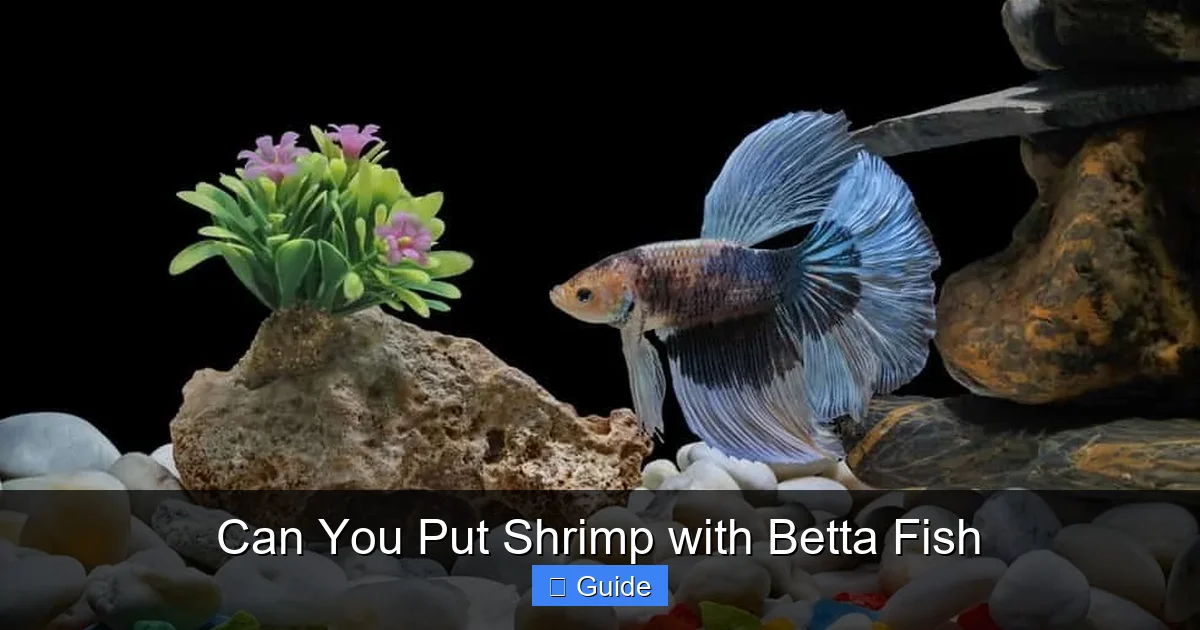
Can You Put Shrimp with Betta Fish
Yes, you can often keep certain shrimp species with betta fish, but success depends heavily on choosing the right shrimp, providing a properly sized and planted tank, and understanding your betta’s individual temperament. While bettas are known for aggression, peaceful, fast-reproducing shrimp like Amano or Ghost shrimp often thrive as cleanup crew. However, small, colorful shrimp like Neocaridina are at high risk of being eaten. A densely planted, spacious tank is non-negotiable for giving shrimp hiding places and reducing stress for all inhabitants.
Key Takeaways
- Compatibility is a gamble: Your betta’s unique personality is the biggest variable. A peaceful betta may coexist with shrimp, while a aggressive one will see them as food.
- Shrimp species matter immensely: Choose large, fast, or non-colorful shrimp like Amano, Bamboo, or Ghost shrimp. Avoid small, bright Neocaridina (Cherry, Blue Velvet) unless you accept they may be snacks.
- Tank setup is everything: A minimum 10-gallon tank with dense, lush planting (live or silk), hiding spots, and open swimming space is critical for shrimp survival and betta enrichment.
- Introduction order is key: Always add the shrimp to a fully cycled, established tank with the betta already present. Let the shrimp acclimate in a container within the tank for 30+ minutes before release.
- Shrimp are not “cleanup crew” in the traditional sense: They will scavenge uneaten food and detritus, but they are not a substitute for proper tank maintenance and water changes.
- Observe constantly for the first 72 hours: Watch for hunting behavior, stress signs in shrimp (hiding constantly), or fin nipping. Be prepared to separate if necessary.
- Do not keep shrimp with a known aggressive betta: If your betta flares at its reflection, attacks tank decorations, or has a history of eating tankmates, adding shrimp is an act of cruelty.
📑 Table of Contents
- Can You Put Shrimp with Betta Fish? The Short Answer
- Understanding the Betta: Temperament and Instinct
- The Shrimp Lineup: Which Species Have a Chance?
- The Perfect Tank: Non-Negotiable Setup Requirements
- The Introduction Process: Patience is a Virtue
- Signs of Success vs. Signs of Failure
- Alternatives and Advanced Considerations
- Conclusion: Is It Worth the Risk?
Can You Put Shrimp with Betta Fish? The Short Answer
So, you’ve got a beautiful, flowing betta fish in its own tank, and you’re dreaming of adding a little more life—a bustling cleanup crew, perhaps. You’ve heard about shrimp. But the burning question is: can you put shrimp with betta fish? The honest, fish-keeper answer is: sometimes. It’s not a simple yes or no. It’s a conditional yes, heavily dependent on your specific betta’s personality, your tank setup, and your choice of shrimp. Think of it less as a guaranteed community and more as a carefully managed experiment in coexistence.
Betta splendens, the Siamese fighting fish, have a reputation. They are solitary, territorial, and can be fiercely aggressive. This reputation is largely earned. However, in the world of aquariums, many bettas live surprisingly peacefully with certain tankmates. The key is understanding that every betta is an individual. One betta might ignore a shrimp completely, while another will hunt it relentlessly. Your job is to stack the odds in favor of peace by making smart choices from the start. This guide will walk you through every single factor you need to consider before deciding to introduce shrimp to your betta’s world.
Understanding the Betta: Temperament and Instinct
The Myth of the “Always Aggressive” Betta
Let’s first dismantle the biggest myth: that all bettas are bloodthirsty killers. While they are bred for aggression in some regions, the bettas sold as pets in Western countries are generally from less aggressive lines. Their aggression is primarily directed at other male bettas (hence why they are almost always kept alone). Their instinct to hunt is strong—they are insectivores by nature, and a small, moving shrimp can absolutely trigger a predatory response. But that doesn’t mean every betta will act on it. Some are lazy, some are curious, and some are simply not interested in shrimp as a food source if they are well-fed and other options are available.
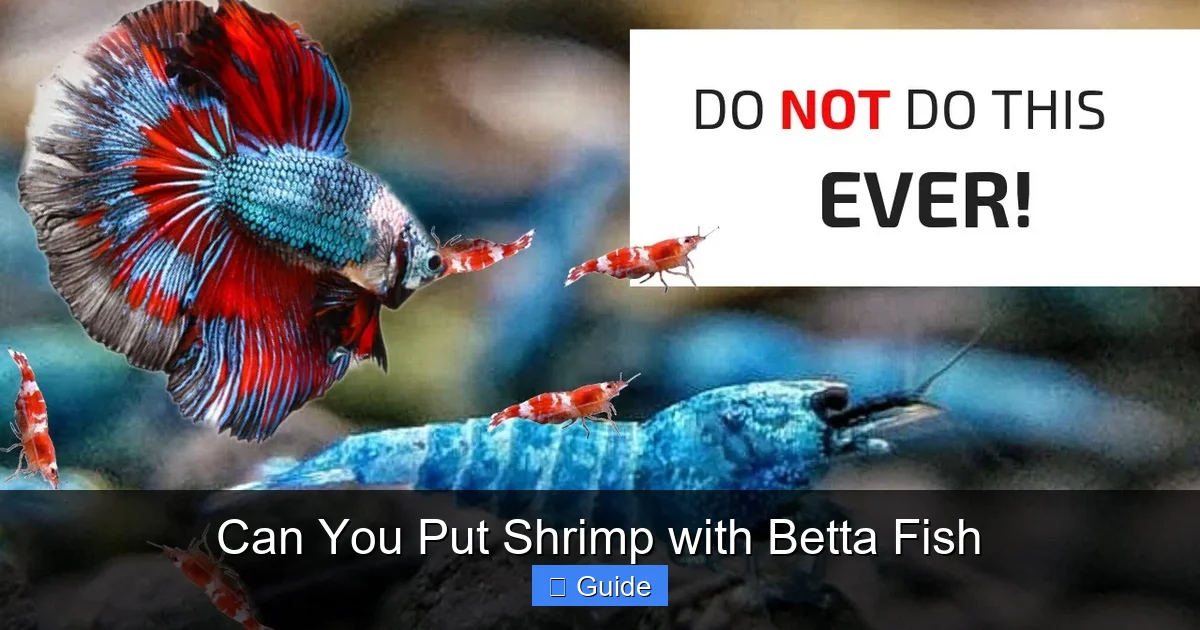
Visual guide about Can You Put Shrimp with Betta Fish
Image source: i.ytimg.com
Reading Your Betta’s Personality
Before you even think about shrimp, you need to be a betta behavior expert. How does your betta react to its own reflection? Does it flare dramatically and try to attack the glass, or does it barely notice? How does it react to a new object placed in the tank? A curious, investigative betta that doesn’t immediately resort to flaring is a better candidate than one that is constantly on high alert and displaying. Also, consider its history. Has it successfully lived with other peaceful fish like neon tetras or harlequin rasboras? If it has a track record of tolerance, your odds improve. If it has bullied or killed previous tankmates, do not add shrimp. It’s that simple.
The Shrimp Lineup: Which Species Have a Chance?
Choosing the right shrimp is the single most important decision you’ll make. Not all shrimp are created equal in the eyes of a betta. We can categorize them into three tiers of compatibility potential.
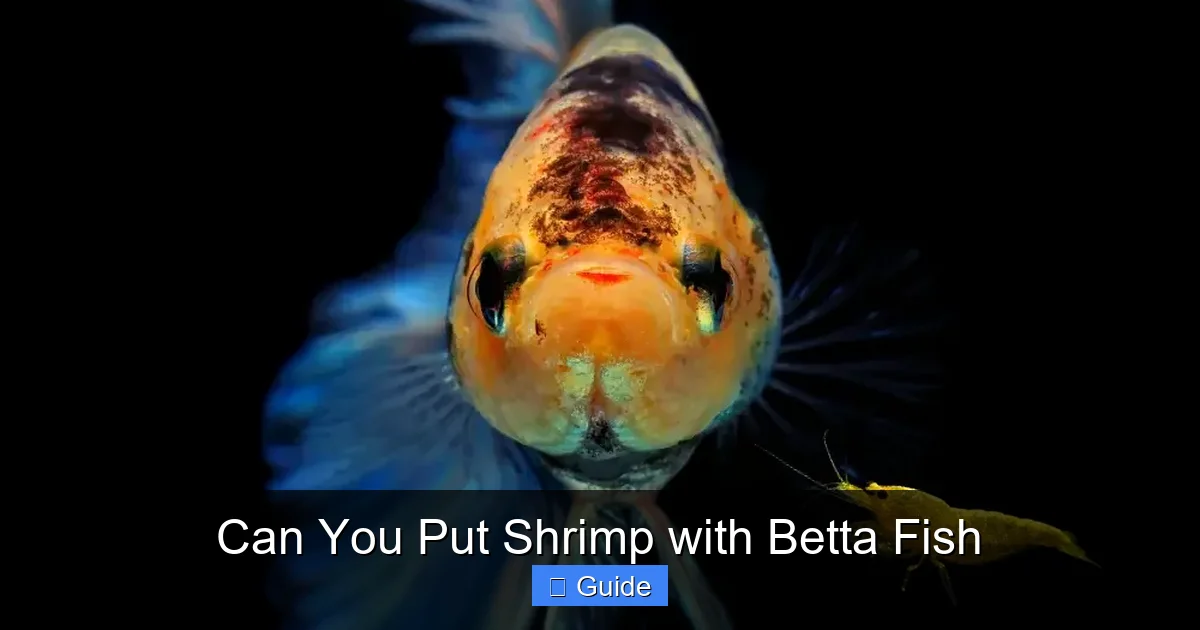
Visual guide about Can You Put Shrimp with Betta Fish
Image source: infishtank.com
Tier 1: The Best Bets (Large, Fast, or Camouflaged)
These shrimp have the highest survival rate with most bettas. Their size, speed, or appearance makes them less appealing as a snack.
- Amano Shrimp (Caridina multidentata): The gold standard for betta tankmates. They are large (2-3 inches), fast, and have a translucent, speckled body that provides decent camouflage. They are also fantastic algae eaters, particularly of the stringy, filamentous kind. They are hardy and have a low bioload.
- Ghost Shrimp (Palaemonetes spp.): Another excellent choice. They are completely transparent, making them very hard for a betta to spot. They are active scavengers, breeding machines, and a great “test” shrimp. If your betta ignores ghost shrimp, it’s a good sign it might tolerate other species. They are also very inexpensive.
- Bamboo Shrimp (Atyopsis moluccensis): A filter-feeding giant (3-4 inches). They are so large that most bettas won’t see them as prey. They have a unique appearance and a peaceful nature. They require very clean, well-oxygenated water with plenty of suspended particles to filter feed.
- Vampire Shrimp (Macrobrachium gangeticum): Similar to Bamboo shrimp in size and filter-feeding habits. They are even larger and more impressive, but also more sensitive to water parameters. A true centerpiece for a large, mature betta tank.
Tier 2: The High-Risk, High-Reward (Small & Colorful)
These are the shrimp people *want*—the beautiful, tiny, colorful ones. But they are essentially betta candy.
- Neocaridina davidi (Cherry shrimp, Blue Velvet, Orange Rili, etc.): This is the most common point of failure. They are small (1 inch), vibrantly colored (especially reds and oranges, which bettas are instinctively attracted to), and relatively slow. A curious or hungry betta will almost certainly eat a few, and possibly all of them over time. Success is possible but requires an exceptionally peaceful betta and an optimally planted tank. You must be prepared for losses.
- Caridina cf. cantonensis (Bee Shrimp, Crystal Red Shrimp): Even smaller and more delicate than Neocaridina. They are prized by shrimp breeders but are one of the worst choices for a betta tank due to their size, slow movement, and specific water parameter needs (soft, acidic).
Tip: If you absolutely want Neocaridina, choose the least colorful variant (like a wild-type brown or green) and start with a large group (10-15) to ensure some survive and potentially breed.
Tier 3: The Avoid List
Some shrimp simply have no business in a betta tank.
- Freshwater Pom-Pom Crab: While they are fascinating, they have delicate, hair-like claws that a betta could easily nip off.
- Any large, aggressive crayfish (e.g., Cambarellus species): They are territorial and can harm a betta with their claws.
- Any shrimp that requires specific water conditions vastly different from a standard betta setup (e.g., Sulawesi shrimp needing very high pH and temperature).
The Perfect Tank: Non-Negotiable Setup Requirements
You cannot put shrimp with a betta in a bare, 2.5-gallon bowl. The tank itself is your primary tool for ensuring peace. A good setup makes the betta feel secure and the shrimp feel hidden.
Visual guide about Can You Put Shrimp with Betta Fish
Image source: happybettafish.com
Tank Size: Bigger is Better
The absolute minimum is a 10-gallon (40-liter) tank. This provides enough horizontal space for the betta to establish a territory away from the shrimp’s preferred zones (the bottom and plants). In a 5-gallon tank, there is simply no escape for the shrimp. A 15-20 gallon tank is ideal, offering more room to create distinct zones and dilute any potential aggression.
The Power of Plants: Your #1 Defense
Plants are not decoration; they are survival infrastructure. You need a jungle. Aim for a heavy planting density, covering at least 70% of the substrate. The goal is to break lines of sight and provide endless hiding spots. Use a mix of:
- Stem plants (Rotala, Ludwigia, Limnophilia) for thick, bushy mid-ground and background.
- Carpeting plants (Dwarf Hairgrass, Monte Carlo) for foreground cover.
- Mosses (Java Moss, Christmas Moss, Marimo Moss Balls) are shrimp superstars. They provide grazing grounds, breeding surfaces, and perfect micro-hiding places.
- Anubias and Java Fern attached to driftwood or rocks for broad-leaf cover.
Pro Tip: Use floating plants like Frogbit or Salvinia. They create a dim, dappled light effect at the water’s surface (where the betta hangs out), reducing stress and making the shrimp’s world below feel safer. They also absorb excess nutrients.
Hiding Spots and Hardscape
In addition to plants, provide shrimp-specific hideouts. Stack smooth river rocks, create caves with ceramic pots or coconut shells, and include driftwood with lots of nooks and crannies. This gives shrimp places to molt safely and retreat to when the betta is active.
Filtration and Flow
Use a sponge filter or a hang-on-back filter with a protective intake sponge. Shrimp, especially babies, can be sucked into powerful filters. A gentle to moderate flow is best. Strong currents stress bettas and make it hard for shrimp to navigate and graze.
The Introduction Process: Patience is a Virtue
How you introduce the shrimp is as important as the shrimp you choose. A rushed, wrong introduction can doom them from the start.
Step 1: The Tank Must Be Mature
Never add shrimp to a new, cycling tank. The tank should be fully cycled (established nitrogen cycle) for at least 4-6 weeks. Stable water parameters (ammonia and nitrite at 0, nitrate under 20 ppm) are critical for shrimp, which are sensitive to poor water quality. A mature tank also has a established biofilm and microfauna, which are a primary food source for shrimp.
Step 2: Add Shrimp to a Betta-First Tank
Always add the shrimp to a tank where the betta is already established. Adding a betta to a tank full of shrimp is a recipe for disaster—the betta will see a whole new territory full of moving snacks. With the betta already settled, you are adding “scenery” to its world, not invading its space. This is a subtle but crucial psychological difference for the betta.
Step 3: The Drip Acclimation (Non-Negotiable)
Shrimp are extremely sensitive to water parameter changes (especially pH, GH, KH). Do not just dump them in. Use the drip acclimation method:
- Float the closed shrimp bag in the tank for 15-20 minutes to equalize temperature.
- Gently pour the shrimp and water into a clean bucket or container.
- Set up a siphon (airline tubing) from the tank to this container. Start a slow drip (1-2 drops per second) for 2-4 hours, allowing the tank water to slowly replace the bag water.
- Once the volume has roughly doubled in the container, gently net the shrimp and place them into the tank. Discard the old water from the bag/container.
Step 4: The “Drop and Hide” Release
Do not release shrimp directly in front of the betta. Instead, open a hiding spot (like gently lifting a large piece of driftwood or a dense clump of plants) and gently release the shrimp into the darkness beneath it. This gives them immediate cover to acclimate without being instantly spotted.
Step 5: The 72-Hour Observation Period
For the next three days, you must be a silent observer. Do not tap on the glass. Sit nearby and watch. Look for:
- Betta Behavior: Is it patrolling its territory normally? Is it chasing and trying to eat the shrimp immediately? Does it flare at them? A few initial chases can be normal, but relentless hunting is a bad sign.
- Shrimp Behavior: Are they actively grazing within an hour? Or are they locked in the same hiding spot for 24+ hours, not moving? Constant, extreme hiding is a sign of lethal stress and they will likely die.
If the betta is actively hunting and eating shrimp, you must remove the remaining shrimp immediately. If the shrimp are cautiously out and about within a day or two, you have a good chance of success.
Signs of Success vs. Signs of Failure
The Green Light: Signs of a Peaceful Coexistence
After the first week, you should see a established pattern.
- Shrimp are seen regularly grazing on plants, glass, and substrate, often during the day.
- Shrimp molt successfully and leave their transparent exoskeletons around (a good sign of growth).
- Betta ignores shrimp completely, swimming past them without reaction.
- Betta may even be curious, following a shrimp at a distance but not attacking.
- If you have breeding shrimp (like Ghost or Amano), you may eventually see tiny shrimp babies in the plants.
The Red Flags: When to Intervene
These signs mean the arrangement is not working and you must act.
- Betta actively hunting: Chasing, cornering, and consuming shrimp regularly.
- Shrimp population decline: You find dead shrimp frequently, or the number visibly drops each day.
- Shrimp in perpetual hiding: You never see them out, even at night with a flashlight. They are slowly starving to death.
- Betta with nipped fins: While rare, some large shrimp (like Bamboo) can defend themselves and may nip a betta’s long fins, causing stress and potential infection.
If you see red flags, you have two options:
1. Rehome the shrimp to a separate tank (a dedicated shrimp tank or with other peaceful fish like Otocinclus catfish).
2. Rehome the betta if you are committed to keeping a thriving shrimp colony. This is often the harder but more ethical choice if the betta is the persistent aggressor.
Alternatives and Advanced Considerations
If Your Betta is a Known Hunter: The “Shrimp-Only” Approach
What if you love the idea of shrimp but your betta is a confirmed predator? You have two paths. First, set up a separate, dedicated shrimp tank. This is often the best solution for serious shrimp enthusiasts, allowing you to keep delicate species and breed them without predation. Second, consider a “betta-less” tank for your shrimp dreams, populated with other peaceful community fish like small rasboras, pygmy Corydoras, or Kuhli loaches.
Feeding Your Shrimp with a Betta Present
Your betta will likely eat any food you drop that the shrimp can get to. You need to feed the shrimp directly. Use a feeding dish or target feed them with specialized foods:
- Algae wafers (pressed against the glass or under a rock).
- Shrimp pellets or bee pollen.
- Blanched vegetables (zucchini, spinach, cucumber) on a clip or dish.
- Repashy Soilent Green or other gel foods.
Feed once daily, in an amount the shrimp can consume within 1-2 hours, to avoid fouling the water and attracting the betta’s attention to a food frenzy.
The Breeding Question
If you are successful with Amano shrimp, note they are not true breeders in freshwater; their larvae require brackish water to develop, so you will not get a population explosion. Ghost shrimp will breed readily in freshwater, and their babies are excellent, nutrient-rich food for your betta if they survive. Neocaridina will also breed, and their tiny, colorful babies are at extreme risk. A thriving Neocaridina colony in a betta tank is a sign of an exceptionally peaceful betta and a perfect habitat.
Conclusion: Is It Worth the Risk?
So, can you put shrimp with betta fish? The answer remains: it is a calculated risk, not a guaranteed pairing. Success requires you to be a meticulous planner and a keen observer. You must choose the right shrimp (favoring large, fast, or transparent species), provide a spacious, heavily planted sanctuary, and understand your betta’s individual temperament. The process demands patience—a proper drip acclimation, a careful release into hiding, and vigilant watching for the first 72 hours.
For many betta owners, the reward is worth it. A few Amano shrimp zipping around the tank, cleaning algae, and adding dynamic movement can transform a betta’s solitary world into a more natural, engaging ecosystem. The shrimp become part of the scenery, a living part of the aquascape. But you must go into it with your eyes wide open. Start with inexpensive Ghost shrimp as a true test for your specific betta. If they survive and thrive, you can cautiously consider other species. If your betta shows immediate, relentless aggression, accept that its world is meant to be a solo kingdom. The most important rule in fishkeeping is to do no harm. Providing a stressful, predatory environment for delicate shrimp is not fair to them. But with the right preparation and a compatible betta, you can indeed create a small, beautiful, and peaceful community where both the betta and the shrimp flourish.
Frequently Asked Questions
Will my betta definitely eat the shrimp?
Not necessarily, but it’s a strong possibility. A betta’s reaction depends on its individual temperament, the shrimp’s size and color, and the tank’s complexity. A large, transparent shrimp in a heavily planted tank with a peaceful betta has a good chance. A small, bright red shrimp in a bare tank with an active betta will almost certainly be eaten.
What is the best shrimp to try first with a betta?
The best “test” shrimp is the Ghost Shrimp. They are inexpensive, transparent, hardy, and active breeders. If your betta ignores or cannot catch Ghost shrimp, it’s a very positive sign that it may tolerate larger, more valuable shrimp like Amanos. Start with 5-10 Ghost shrimp to gauge the situation.
Can shrimp live in a 5-gallon tank with a betta?
It is not recommended. A 5-gallon tank is the absolute minimum for a *single* betta alone. Adding shrimp requires more space to establish territories and provide enough dense planting for the shrimp to evade a curious betta. A 10-gallon tank is the smallest you should consider for this combination.
How many shrimp should I add at once?
Always start with a group, not a single shrimp. A group of 5-10 shrimp of the same species allows them to exhibit natural behavior, reduces stress on any one individual, and increases the chance that some will survive and potentially breed if conditions are right. A lone shrimp will be intensely targeted.
Do I need to feed the shrimp separately from the betta?
Yes, absolutely. You cannot rely on your betta’s leftover food to sustain shrimp. You must provide dedicated shrimp food (algae wafers, shrimp pellets, blanched veggies) in a specific feeding dish or spot. This ensures the shrimp get proper nutrition and prevents overfeeding the tank, which would foul the water.
What if my betta eats one shrimp? Is the whole experiment a failure?
Not necessarily. One or two losses in the first few days can be part of the “testing” process. The betta is investigating this new moving object. The key is to watch the *pattern*. If the betta is actively hunting and consuming shrimp every day, it’s a failure. If it eats one or two on day one and then completely ignores the rest, the experiment may still be a success. Monitor the shrimp population over 2-3 weeks.