Can a Frog Live with a Betta Fish
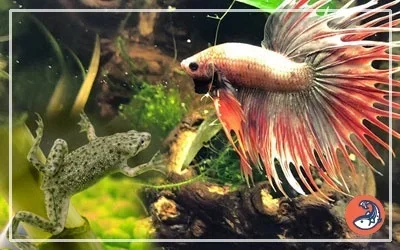
Yes, a frog can live with a betta fish under the right conditions. African dwarf frogs and certain aquatic frog species make surprisingly good tank mates for bettas when you match water parameters, tank size, and temperament. This guide walks you through everything you need to know about frog and betta cohabitation safely.
Many aquarium lovers dream of creating a beautiful community tank. One popular question is whether a frog can live with a betta fish. The short answer is yes, but there are important details to consider. Not every frog species gets along with bettas, and not every tank setup works either. In this guide, we break down everything you need to know about keeping frogs and betta fish together successfully.
If you already own a betta fish and want to add a frog to your tank, this article is for you. We will cover the best frog species, tank requirements, feeding tips, and common mistakes to avoid. By the end, you will feel confident about whether frog and betta cohabitation is right for your aquarium.
Key Takeaways
- Compatibility is possible: Certain frog species can coexist peacefully with betta fish in a shared aquarium.
- African dwarf frogs are the best choice: They are small, peaceful, and thrive in similar water conditions as bettas.
- Tank size matters: A minimum of 10 gallons is recommended to give both species enough space and reduce aggression.
- Water parameters must align: Both bettas and frogs prefer warm, clean water with stable temperature and pH levels.
- Feeding requires attention: Frogs and bettas have different eating habits, so you need to manage food distribution carefully.
- Watch for aggression: Some bettas may chase or nip at frogs, so close observation during the first few weeks is essential.
- Avoid large or aggressive frog species: Bigger frogs can bully or even eat smaller bettas, so species selection is critical.
📑 Table of Contents
Can a Frog Live with a Betta Fish?
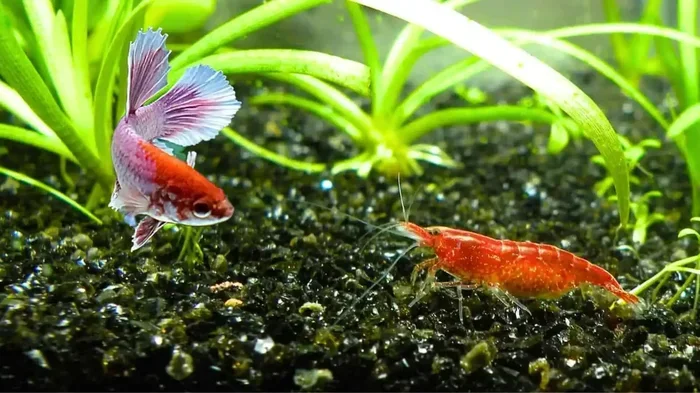
The idea of a frog and betta living together might seem unusual. After all, bettas are known for being territorial. And frogs can be unpredictable swimmers. But many fish keepers have successfully housed these two species in the same tank. The key is choosing the right frog species and setting up the environment properly.
African dwarf frogs are the most popular choice for betta tank mates. They are small, peaceful, and stay at the bottom of the tank. This means they rarely cross paths with a betta in the middle or upper water columns. Other small aquatic frog species can also work, but you need to research each one carefully.
Why People Want Frogs and Bettas Together
There are several reasons aquarium owners mix these species. Frogs add variety and movement to a tank. They are fun to watch as they glide through the water. Bettas bring vibrant colors and personality to the setup. Together, they create a visually interesting and lively aquarium that stands out.
Another reason is practical. Frogs help clean up leftover food at the bottom of the tank. They eat small debris and keep the environment cleaner. This can benefit your betta by maintaining better water quality in the aquarium.
Best Frog Species for Betta Tanks
Not all frogs are suitable for a betta tank. Some species grow too large or become aggressive. Others have different water temperature needs that clash with betta requirements. Here are the best frog species to consider for betta fish tank mates.
African Dwarf Frog
The African dwarf frog is the top recommendation for most betta owners. These tiny frogs grow only about 1 to 1.5 inches long. They are fully aquatic and spend their entire lives underwater. They are peaceful by nature and rarely bother other tank inhabitants.
African dwarf frogs thrive in warm water between 75 and 82 degrees Fahrenheit. This overlaps perfectly with the ideal betta water temperature range of 76 to 82 degrees. They also prefer a pH level between 6.5 and 7.5, which suits bettas as well. These matching conditions make cohabitation much easier.
Other Compatible Frog Species
Beyond African dwarf frogs, a few other species may work in a betta tank. The aquatic frog family includes several small species that stay manageable in size. Always verify the adult size and temperament of any frog before adding it to your tank. Avoid large frog species that could bully or harm your betta.
For more details on compatible frog species, check out our article on can aquatic frogs live with a betta fish. This resource covers additional species and their compatibility in depth.
Tank Setup for Frogs and Bettas Together
A proper tank setup is the foundation of a successful frog and betta community. Both species need specific conditions to thrive. Getting the setup right reduces stress and prevents conflicts between your pets.
Minimum Tank Size
A 10-gallon tank is the minimum recommended size for housing a betta and a frog together. Bettas need enough space to claim a territory without feeling threatened. Frogs need room to swim and explore the bottom of the tank. Larger tanks, such as 15 or 20 gallons, give both species even more room and help maintain stable water conditions.
Avoid small bowls or tanks under 5 gallons. These spaces concentrate waste and increase aggression. A cramped tank is one of the leading causes of betta fish stress and health problems.
Water Parameters
Both bettas and frogs are sensitive to water quality. Here are the ideal parameters for a shared tank:
- Temperature: 76 to 82 degrees Fahrenheit
- pH Level: 6.5 to 7.5
- Ammonia: 0 ppm
- Nitrite: 0 ppm
- Nitrate: Below 20 ppm
- Water Hardness: 3 to 8 dKH
Use a reliable aquarium heater and thermometer to keep the temperature stable. Bettas are tropical fish and need consistent warmth. Frogs are equally sensitive to temperature swings. A good filter is also essential to keep the water clean and free of harmful chemicals.
Decorations and Hiding Spots
Adding plants and decorations helps both species feel secure. Live plants are especially beneficial because they absorb nitrates and produce oxygen. Bettas love resting on broad leaves, and frogs enjoy hiding among plant roots and rocks.
Include caves, driftwood, and floating plants to create natural hiding spots. These reduce territorial behavior and give your frog a safe place to retreat. For more ideas on enhancing your betta’s environment, read our guide on adding live water plants with betta fish.
Feeding Frogs and Bettas in the Same Tank
Feeding two different species in one tank requires some planning. Bettas and frogs have different feeding habits and dietary needs. If you do not manage mealtimes carefully, one species may get more food than the other.
What Bettas Eat
Bettas are carnivorous and need a protein-rich diet. High-quality betta pellets should form the staple of their meals. You can supplement with frozen or live foods like brine shrimp, bloodworms, and daphnia. Bettas tend to eat from the surface or mid-water level of the tank.
What Frogs Eat
African dwarf frogs are bottom feeders. They eat sinking pellets, frozen foods, and small live foods. You can drop sinking food pellets near the bottom of the tank for your frog. Bloodworms and brine shrimp are excellent treats for both species.
Feeding Tips for Shared Tanks
To make sure both your betta and frog get enough food, try these tips:
- Feed the betta first with floating pellets near the surface.
- Then drop sinking pellets or food near the bottom for the frog.
- Watch to make sure the frog gets its share before the betta eats all the sinking food.
- Feed small amounts twice a day rather than one large meal.
- Remove any uneaten food after a few minutes to keep the water clean.
Proper feeding prevents malnutrition and reduces competition between your pets. A well-fed frog and betta are less likely to show aggressive behavior toward each other.
Common Challenges and How to Solve Them
Even with the best setup, challenges can arise when keeping frogs and bettas together. Being prepared helps you address problems quickly and keep both animals healthy.
Betta Aggression
Some bettas are more aggressive than others. Male bettas, in particular, can be territorial and may chase or nip at the frog. If you notice your betta bullying the frog, consider rearranging the tank decorations to reset territories. Adding more plants and hiding spots also helps reduce tension.
If aggression persists, you may need to separate the two animals. Not every betta will accept a tank mate, no matter how peaceful the species. Watch your fish closely during the first two weeks after introducing the frog.
Frog Escape Attempts
Frogs are curious creatures and may try to climb out of the tank. Always keep a secure lid on your aquarium. African dwarf frogs are not great climbers, but it is still important to take precautions. A tight-fitting lid with small gaps for filtration and air flow is ideal.
Water Quality Issues
Frogs produce waste just like fish. In a shared tank, the bioload increases with each new inhabitant. Regular water changes of 20 to 30 percent per week help maintain clean water. Test the water frequently using an aquarium test kit to catch any imbalances early.
Should You Add a Frog to Your Betta Tank?
After reading this guide, you may be wondering whether adding a frog to your betta tank is a good idea. The answer depends on your experience level, tank setup, and the specific species you choose. For beginner fish keepers, an African dwarf frog is the safest and easiest option.
Remember that every betta has its own personality. Some bettas are calm and accepting of tank mates, while others prefer to be alone. Observe your betta’s behavior carefully before and after introducing a frog. With the right preparation and ongoing care, frogs and bettas can live together harmoniously and bring your aquarium to life.
If you want to explore other betta tank mate options, our article on can a betta fish live with another fish provides additional insights into compatible species and cohabitation strategies.
Conclusion
So, can a frog live with a betta fish? Absolutely. With the right species choice, tank setup, and care routine, frogs and bettas make excellent tank mates. African dwarf frogs are the most reliable option because they are small, peaceful, and share similar water requirements with bettas. Focus on providing enough space, stable water conditions, and proper feeding to keep both species healthy and happy.
Take your time when introducing a new frog to your betta tank. Monitor their behavior closely during the first few weeks. Address any signs of aggression or stress quickly. A well-planned community tank brings joy and visual appeal to your home while giving both animals a stimulating and safe environment.
Frequently Asked Questions
Can African dwarf frogs live with betta fish?
Yes, African dwarf frogs are one of the best frog species to keep with betta fish. They are small, peaceful, and thrive in the same water conditions. Their bottom-dwelling behavior means they rarely interact with bettas who prefer the upper and middle water levels.
What frog species should I avoid with bettas?
Avoid large frog species like African clawed frogs or horned frogs. These grow too big and can become aggressive or even eat your betta. Stick to small, fully aquatic species that stay under 2 inches in length and have a peaceful temperament.
How many frogs can I keep with a betta fish?
One or two African dwarf frogs work well with a single betta in a 10-gallon tank or larger. Avoid adding too many frogs because they increase the bioload and can stress your betta. Always research the adult size of any frog before adding it to your tank.
Do frogs and bettas fight?
Fighting is rare when the right species are paired and the tank is properly set up. However, some bettas may show territorial behavior toward a new frog during the first few days. Provide plenty of hiding spots and observe their interactions closely during the adjustment period.
Can a frog and betta share the same food?
They can share some foods, but their dietary needs differ slightly. Bettas need protein-rich floating pellets, while frogs prefer sinking foods. Offer a mix of floating and sinking foods to ensure both species get the nutrition they need without one outcompeting the other.
Is a 5-gallon tank big enough for a betta and a frog?
A 5-gallon tank is too small for a shared setup. It does not provide enough space for both species to establish territories and stay comfortable. A 10-gallon tank is the minimum recommended size for housing a betta and a frog together safely.