Are Betta Fish Hard to Keep Alive
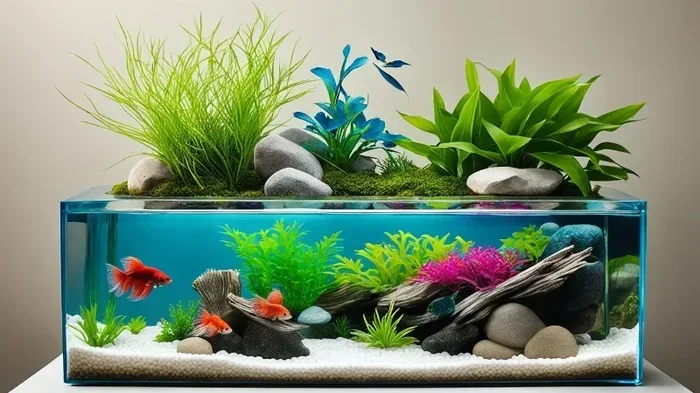
So, are betta fish hard to keep alive? The honest answer is no — not if you know what you are doing. Many people believe bettas are fragile, but the truth is they are hardy fish that just need the right setup, proper food, and clean water. This guide covers everything you need to know about keeping your betta healthy and happy, from tank setup to feeding routines and common mistakes to avoid.
Are betta fish hard to keep alive? If you have ever asked yourself this question, you are not alone. Thousands of new fish owners search for this exact phrase every single day. And the good news is that the answer is much simpler than you might expect.
Betta fish, also known as Siamese fighting fish, have a reputation for being delicate and difficult. But this reputation is mostly a myth. The truth is that bettas are actually quite resilient when given proper care. The real reason many bettas die early is because their owners do not know what they need.
This article will walk you through everything you need to know. We will cover tank setup, water conditions, feeding, common health problems, and much more. By the end, you will have a clear picture of how to keep your betta fish healthy and thriving.
If you are serious about betta fish care, you are in the right place. Let us get started.
Key Takeaways
- Betta fish are not as hard to keep alive as most people think. With the right tank, water conditions, and diet, they can thrive for years.
- A minimum 5-gallon tank with a heater and filter is essential for long-term betta health and survival.
- Water temperature should stay between 76-82°F. Bettas are tropical fish and need warm, stable water.
- Overfeeding is one of the biggest killers of betta fish. Feed small amounts once or twice a day.
- Regular water changes and tank maintenance prevent disease and keep your betta stress-free.
- Avoid keeping bettas with aggressive tank mates. Choose peaceful species that match their temperament.
📑 Table of Contents
- Why Do People Think Betta Fish Are Hard to Keep Alive?
- Setting Up the Right Tank for Your Betta
- Water Quality and Maintenance
- Feeding Your Betta Fish the Right Way
- Common Health Problems and How to Prevent Them
- Can You Keep Betta Fish With Other Fish?
- How to Tell if Your Betta Is Healthy and Happy
- Final Thoughts: Are Betta Fish Hard to Keep Alive?
Why Do People Think Betta Fish Are Hard to Keep Alive?
The idea that bettas are difficult to care for comes from a few common misunderstandings. Many pet stores sell bettas in tiny cups with no explanation of their needs. This sets new owners up for failure before they even bring the fish home.
Here are the main reasons people struggle with betta fish:
- They are sold in tiny containers. A small cup or vase is not a proper home. Bettas need space to swim and explore.
- They are kept in cold water. Many owners do not realize bettas are tropical fish that need warm water.
- They are overfed. Excess food rots in the tank and poisons the water quickly.
- They are kept with aggressive tank mates. This causes constant stress, which weakens the immune system.
Once you understand these pitfalls, you can avoid them easily. The key is simple: give your betta the right environment from day one.
Where the Myth Comes From
Betta fish originally come from the warm, slow-moving waters of Southeast Asia. In the wild, they live in rice paddies, flood plains, and shallow streams. Because their natural habitat is small and shallow, people mistakenly think they can live in a tiny bowl. This is simply not true.
Betta fish may survive in small containers for a while, but they will not thrive. They need a properly cycled tank with stable water conditions. Think of it this way — a person can survive in a closet for a few days, but they would not want to live there long-term.
Setting Up the Right Tank for Your Betta
The single most important factor in keeping your betta fish alive is the tank setup. A proper tank gives your fish room to move, stable water conditions, and a healthy environment. Without this foundation, everything else becomes much harder.
Tank Size Matters
Many people think a 1-gallon bowl is enough for a betta. It is not. A 5-gallon tank is the minimum recommended size. This gives your betta enough space to swim and explore without stress.
Here is a quick comparison of tank sizes and what they mean for your betta:
- 1 gallon: Too small. Water parameters crash quickly. Not recommended for long-term care.
- 3 gallons: Slightly better but still too cramped for a healthy, happy betta.
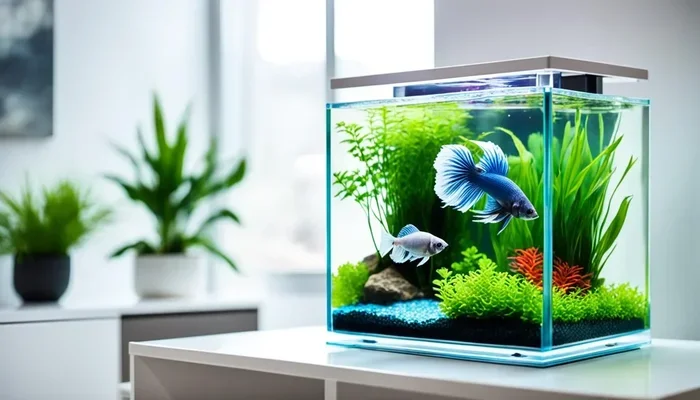
- 5 gallons: The sweet spot. Easy to maintain and perfect for one betta fish.
- 10 gallons or more: Ideal if you plan to add peaceful tank mates or more plants.
Remember, a bigger tank is always easier to maintain. The water stays more stable, and your betta will be much happier.
Heating and Filtration
Betta fish need warm water to stay healthy. The ideal temperature range is between 76 and 82 degrees Fahrenheit. Without a heater, room temperature water is almost always too cold. Cold water slows down your betta’s metabolism and makes them vulnerable to illness.
A gentle filter is also important. Bettas do not like strong currents because their long fins make swimming difficult. Choose a filter with a sponge pre-filter or adjust the flow to be very gentle. If you are unsure about filters, check this guide on whether betta fish need a filter.
Water Quality and Maintenance
Clean water is the foundation of good betta fish care. Dirty water leads to stress, disease, and early death. The good news is that maintaining clean water does not have to be complicated.
Understanding the Nitrogen Cycle
Before adding your betta to a tank, you need to cycle it first. Cycling means building up beneficial bacteria that break down harmful toxins like ammonia and nitrite. These toxins build up from fish waste and uneaten food.
Skipping the nitrogen cycle is one of the most common mistakes new fish keepers make. It can cause what is commonly called “new tank syndrome,” where the water becomes toxic very quickly. A fully cycled tank keeps ammonia and nitrite at zero, which is exactly what your betta needs.
Water Changes and Parameters
Even with a cycled tank, you still need regular maintenance. Here is a simple routine to follow:
- Test your water weekly using a liquid test kit. Check ammonia, nitrite, nitrate, and pH levels.
- Perform a 25-30% water change every week. Use a gravel vacuum to remove debris from the substrate.
- Always use water conditioner before adding new water. Tap water contains chlorine and chloramine that are harmful to fish.
- Keep the temperature stable. Sudden temperature drops can shock your betta and weaken their immune system.
For more tips on maintaining healthy water, you can also read about how to keep betta fish alive longer through proper water management.
Feeding Your Betta Fish the Right Way
Feeding is one of the areas where most betta owners go wrong. It is easy to overfeed, and overfeeding causes a host of problems. But feeding the right food in the right amount is one of the simplest ways to keep your betta healthy.
What to Feed Your Betta
Betta fish are carnivores. They need a diet that is high in protein. The best food options include:
- High-quality betta pellets: These are specifically formulated for bettas and provide balanced nutrition.
- Frozen or live foods: Bloodworms, brine shrimp, and daphnia are excellent treats that mimic their natural diet.
- Occasional variety: Mix things up to keep your betta interested and well-nourished.
Avoid feeding your betta flakes meant for tropical community fish. These do not provide enough protein and can cause digestive issues.
How Much and How Often
The golden rule of feeding bettas is less is more. Feed your betta two to three pellets once or twice a day. If you are using frozen or live food, give a small pinch that your betta can eat within two minutes.
Overfeeding leads to constipation, bloating, and poor water quality. Uneaten food decays quickly in warm water, spiking ammonia levels. If you ever notice your betta’s belly looking swollen or they are not pooping regularly, you may be feeding too much.
For more specific feeding guidance, check out this article on whether you should feed betta fish every day.
Common Health Problems and How to Prevent Them
Even with the best care, betta fish can sometimes get sick. The good news is that most common health issues are preventable. Knowing the warning signs early can make all the difference.
Fin Rot and Tail Rot
Fin rot is one of the most common betta diseases. It appears as ragged or discolored fins that seem to be slowly dissolving. The main causes are poor water quality, stress, and bacterial infections.
To prevent fin rot:
- Keep the tank clean with regular water changes.
- Avoid sharp decorations that can tear fins.
- Reduce stress by providing hiding spots and gentle tank mates.
Mild cases often improve just by cleaning the tank and performing water changes. Severe cases may need medication from a fish store or veterinarian.
Constipation and Bloating
Constipation is extremely common in bettas, especially those that are overfed. Signs include a swollen belly, difficulty swimming, and lack of appetite.
The best remedy is to skip one feeding and offer a thawed, deshelled pea the next day. The fiber helps clear the digestive system. Prevention is always better than treatment, so stick to a consistent feeding schedule and avoid overfeeding.
Stress and Its Effects
Stress is a silent killer. When a betta is stressed, their immune system weakens, making them susceptible to diseases they would normally fight off. Common causes of stress include:
- Too small of a tank
- Cold or fluctuating water temperatures
- Aggressive tank mates
- Bright lights or loud noises near the tank
- Lack of hiding places
A calm, stable environment is the best medicine for your betta. Keep the tank in a quiet area of your home and maintain consistent conditions.
Can You Keep Betta Fish With Other Fish?
This is a question that comes up a lot. The short answer is yes, but it depends on the tank setup and the species you choose. Bettas can be territorial, especially males, so choosing the right tank mates is crucial.
Good tank mates for bettas include:
- Corydoras catfish (peaceful bottom dwellers)
- Neon tetras (in larger tanks of 10 gallons or more)
- Mystery snails (help clean algae without bothering the betta)
- Ghost shrimp (inexpensive and generally ignored by bettas)
Avoid keeping bettas with fin-nippers like tiger barbs or aggressive fish like cichlids. Also, never keep two male bettas together — they will fight and can seriously injure or kill each other.
If you want to know more about compatible tank mates, read this guide on which fish to keep with betta for detailed recommendations.
How to Tell if Your Betta Is Healthy and Happy
A healthy betta fish is easy to spot once you know what to look for. Here are the signs of a happy, thriving betta:
- Bright, vivid colors. A healthy betta will have rich, vibrant colors. Dull coloring can indicate stress or illness.
- Active swimming. Your betta should move around the tank with purpose, exploring and interacting with their environment.
- Good appetite. A healthy betta will eagerly accept food at feeding time.
- Intact fins. Fins should be smooth and fully extended, not ragged or clamped.
- Normal breathing rate. Rapid or labored breathing can signal poor water quality or disease.
Watch your betta every day. The sooner you notice changes in behavior or appearance, the sooner you can take action. Early intervention is always easier than treating advanced problems.
Final Thoughts: Are Betta Fish Hard to Keep Alive?
The bottom line is this: betta fish are not inherently hard to keep alive. They are wonderful, fascinating pets that bring a lot of joy to a home. The key is giving them what they need — a proper tank, warm clean water, a good diet, and a stress-free environment.
If you follow the guidelines in this article, you set your betta up for success. Most bettas live between three and five years with good care, and some even live longer. That is a wonderful reward for the small amount of effort involved.
Remember that every fish is different. Pay attention to your betta’s behavior, adjust as needed, and never stop learning. The more you understand about betta fish care, the easier it becomes. You have got this, and your betta will thank you for it.
If you are just getting started, also check out how to keep betta fish alive for additional tips and step-by-step guidance.
Frequently Asked Questions
How long do betta fish live on average?
With proper care, most betta fish live between three and five years. Some well-cared-for bettas have been known to live up to seven years. The key factors that influence lifespan include tank size, water quality, diet, and stress levels. A 5-gallon tank with stable conditions gives your betta the best chance at a long, healthy life.
Can betta fish live in a bowl without a filter?
Technically, bettas can survive in a small unfiltered bowl, but they will not thrive. Without a filter, toxic compounds build up quickly and water changes must be done much more frequently. A filtered 5-gallon tank is far better for your betta’s health and makes maintenance much easier in the long run.
Do betta fish need a heater?
Yes, betta fish absolutely need a heater. They are tropical fish native to warm waters in Southeast Asia. The ideal temperature range is 76 to 82 degrees Fahrenheit. Without a heater, room temperature water is usually too cold and can lead to a weakened immune system, lethargy, and disease over time.
Why is my betta fish staying at the top of the tank?
A betta staying at the top of the tank can be a sign of several things. It might be normal behavior if the fish is looking for air, as bettas have a labyrinth organ that allows them to breathe surface air. However, if the behavior is new or accompanied by rapid breathing, it could indicate low oxygen levels or poor water quality. Test your water parameters and perform a water change if needed.
Can you keep a male and female betta together?
Keeping a male and female betta together is possible but risky and requires a large, well-planted tank of at least 10 gallons. Even then, it should only be attempted by experienced fish keepers. The pair needs plenty of hiding spots and space to establish separate territories. Most beginners should stick to keeping one betta per tank.
What is the biggest mistake new betta owners make?
The biggest mistake is keeping a betta in too small a tank with no heater or filter. Many people buy a 1-gallon bowl from a pet store and assume it is enough. This leads to poor water quality, stress, and a shortened lifespan. Investing in a proper 5-gallon setup from the start makes a huge difference in your betta’s health and happiness.