Can Betta Be in a Tank with Other Fish

Yes, a betta fish can live with other fish, but it depends on the right setup, tank size, and compatible species. Bettas can be territorial, so choosing peaceful tank mates and creating a well-planned environment is essential. This guide covers everything you need to know about keeping a betta in a community tank safely.
Many fish keepers wonder if a betta can be in a tank with other fish. The short answer is yes. But the longer answer involves a bit of planning, patience, and know-how. Bettas are beautiful, colorful fish that bring life to any aquarium. However, they can also be territorial and aggressive, especially toward fish that look similar or move too quickly.
Whether you are a beginner or a seasoned aquarist, this guide will walk you through everything you need to know. We will cover the best tank mates, ideal tank setups, common mistakes, and expert tips to help your betta thrive in a community environment. By the end, you will feel confident about creating a peaceful and vibrant aquarium.
The key to success lies in understanding your betta’s personality and needs. Every betta is different. Some are calm and social, while others prefer to be alone. This guide helps you figure out what works best for your fish and how to set up a tank that keeps everyone happy.
Key Takeaways
- Bettas can coexist with other fish: The right tank mates and setup make community living possible and rewarding.
- Tank size matters a lot: A minimum of 10 gallons is recommended for a betta and tank mates.
- Choose peaceful species: Avoid fin-nippers and overly aggressive fish that trigger betta territorial behavior.
- Tank setup is crucial: Plants, caves, and hiding spots reduce stress and aggression.
- Monitor behavior closely: Watch for signs of stress or fighting and be ready to separate fish if needed.
- Not all bettas are the same: Personality plays a big role in how well a betta gets along with others.
📑 Table of Contents
Understanding Betta Fish Temperament
Before adding any tank mates, you need to understand how bettas behave. Bettas, also known as Siamese fighting fish, are native to the warm, slow-moving waters of Southeast Asia. In the wild, they live in rice paddies, marshes, and shallow streams. They are naturally territorial, especially males.
Why Are Bettas Territorial?
Bettas have evolved to defend their space. In small bodies of water, they encounter other fish regularly. Male bettas, in particular, have long, flowing fins that make them stand out. Other fish may see these fins as a threat or a rival. This is why betta aggression can flare up in a shared tank.
Female bettas tend to be less aggressive than males. However, they can still show territorial behavior, especially in cramped spaces. Understanding this natural instinct helps you make better choices when picking tank mates.
How Personality Plays a Role
Just like people, every betta has a unique personality. Some bettas are laid-back and ignore other fish completely. Others chase anything that moves. This is why betta compatibility varies from fish to fish. You cannot guarantee that every betta will get along with every species.
The best approach is to observe your betta before introducing tank mates. Watch how it reacts to movement outside the tank. A calm betta is more likely to accept companions than a highly reactive one.
Best Tank Mates for Betta Fish
Choosing the right companions is the most important step. Not all fish species work well with bettas. You need fish that are peaceful, similar in size, and comfortable in the same water conditions.
Top Fish Species That Work Well
Here are some of the best tank mates for betta fish:
- Neon Tetras: Small, peaceful, and colorful. They stay in the middle of the tank and rarely bother bettas.
- Corydoras Catfish: These bottom dwellers are gentle and help keep the tank clean. They mind their own business.
- Harlequin Rasboras: Schooling fish that add movement without triggering aggression. They are calm and hardy.
- Ghost Shrimp: Inexpensive and unobtrusive. They scavenge leftover food and keep the tank tidy.
- Amano Shrimp: Great algae eaters that stay out of the betta’s way most of the time.
If you are looking for more ideas, check out what can be in a tank with betta fish for a broader list of compatible species.
Fish to Avoid
Some fish species are a bad match for bettas. Here is what to steer clear of:
- Goldfish: They grow too large and produce too much waste. Cold water requirements also clash with betta needs.
- Guppies: Their bright colors and long fins can trigger betta aggression. Male bettas may see them as rivals.
- Angelfish: They can be nippy and grow quite large. They may nip at betta fins.
- Barbs: Many species are fin-nippers and will bother a betta’s delicate fins.
For a deeper dive into compatible species, read which fish can live with betta fish in a tank.
Tank Setup and Conditions for a Multi-Species Tank
A successful community tank depends heavily on the setup. You cannot just throw a betta and some other fish into a small bowl and expect everything to work. Proper planning makes all the difference.
Tank Size Requirements
The minimum tank size for a betta with tank mates is 10 gallons. A larger tank gives everyone more space to establish territories. It also dilutes aggression because fish can swim away from each other. A cramped tank leads to stress, fighting, and poor health for all inhabitants.
If you want to learn more about tank sizes, see can betta fish be in a 10 gallon tank for detailed guidance.
Plants and Hiding Spots
Live plants are your best friend in a community tank. They break up lines of sight and give fish places to hide. Java moss, Amazon sword, and anubias are great choices. They are hardy and easy to maintain.
Caves, driftwood, and decorations also serve as hiding spots. These are essential for reducing stress. When fish feel safe, they are less likely to fight. A well-planted tank mimics a natural environment and helps all species feel secure.
Water Parameters
Bettas and their tank mates need compatible water conditions. Here are the ideal parameters:
- Temperature: 76-82°F (24-28°C)
- pH Level: 6.5-7.5
- Water Hardness: 3-4 dKH
- Filtration: Gentle flow, such as a sponge filter
Always cycle your tank before adding any fish. This establishes beneficial bacteria that keep the water safe. For more on filtration, check out can you use a filter in a betta fish tank.
Feeding Strategies for Multiple Fish
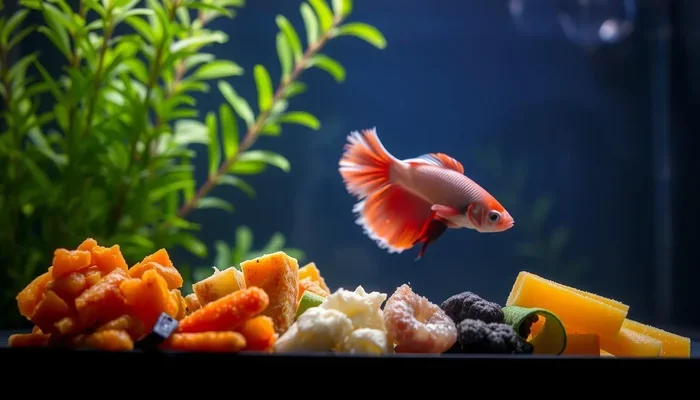
Feeding a community tank requires some strategy. Bettas are slow eaters and prefer floating pellets or freeze-dried food. Other fish may eat sinking food or grab flakes before the betta gets a chance. Use a feeding ring or target feeding to make sure your betta gets enough food.
Overfeeding is a common mistake. Remove uneaten food within a few minutes to keep the water clean. A good feeding schedule is once or twice a day, with small portions each time.
Common Mistakes When Keeping Bettas with Other Fish
Even experienced fish keepers make mistakes. Here are the most common ones and how to avoid them.
Skipping the Quarantine Period
Never add new fish directly into your betta’s tank. New fish can carry diseases or parasites. Quarantine them in a separate tank for at least two weeks. This protects your betta and gives you time to observe the new fish for any health issues.
Overcrowding the Tank
Too many fish in one tank leads to aggression and poor water quality. As a rule of thumb, add no more than 3-4 small tank mates for one betta in a 10-gallon tank. Overcrowding also increases stress, which weakens the immune system of all fish.
Ignoring Warning Signs
Watch for signs of trouble. Clamped fins, flaring, chasing, and hiding are all red flags. If your betta constantly bullies other fish, it may need to be moved to a solo tank. Not every betta is suited for community living, and that is okay.
For more on this topic, explore can betta fish be kept in a community tank.
Choosing Incompatible Water Conditions
Some fish need cooler or warmer water than bettas. Always research the water requirements of any potential tank mate before adding them. Mixing species with different needs leads to stress and illness for everyone in the tank.
Signs Your Betta Is Getting Along (or Not)
After introducing tank mates, you need to monitor behavior closely. The first few days are the most critical. Here is what to look for.
Good signs:
- The betta swims calmly and ignores other fish
- All fish eat normally during feeding time
- No chasing or flaring occurs regularly
- Fish explore the tank without hiding constantly
Bad signs:
- The betta flares at other fish constantly
- Other fish are hiding and not eating
- Fin nipping or chasing behavior occurs
- The betta appears pale or lethargic
If you notice bad signs, separate the aggressive fish immediately. Some bettas simply do not do well with tank mates, and that is perfectly fine. Many fish keepers keep bettas in solo tanks, and that works just as well.
For more on betta companions, especially shrimp, check out can betta fish be in tank with shrimp.
Expert Tips for a Peaceful Community Tank
Here are some expert insights that make a real difference in a betta community tank:
- Add tank mates slowly. Introduce one or two fish at a time. This prevents overwhelming your betta and makes it easier to identify problems.
- Use a tank divider if needed. If things do not work out, a divider lets fish share a tank safely without direct contact.
- Keep the lights dim. Bright lights can stress bettas and trigger aggression. Soft, natural lighting creates a calmer environment.
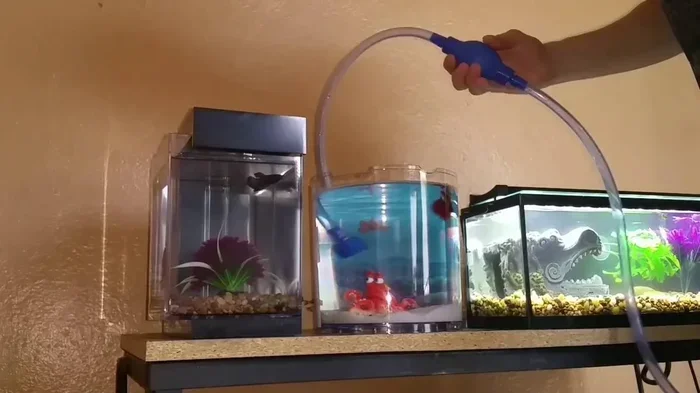
- Maintain water quality. Do regular water changes (25% weekly) and test parameters often. Clean water reduces stress for all fish.
- Choose fish with similar activity levels. Fast-moving fish can stress out a slow-swimming betta. Match energy levels for best results.
Remember, every aquarium is unique. What works for one tank may not work for another. Patience and observation are your best tools.
Conclusion
So, can a betta be in a tank with other fish? Absolutely. With the right tank size, compatible species, and proper setup, your betta can enjoy a lively and peaceful community tank. The key is to choose gentle tank mates, provide plenty of hiding spots, and watch behavior closely. Not every betta will thrive with companions, and that is perfectly okay too.
Start small, introduce fish slowly, and always prioritize water quality. A well-planned community tank is one of the most rewarding setups in the hobby. Your betta will thank you with vibrant colors and a happy, healthy life.
For more information on betta care and tank setups, explore the other guides on our site. Happy fish keeping!
Frequently Asked Questions
Can a male betta live with other fish?
Yes, a male betta can live with other fish if the tank is large enough and the tank mates are peaceful. Avoid fish with bright colors or long fins, as these can trigger territorial behavior. Always monitor the betta closely after introducing new companions.
What is the best tank size for a betta with other fish?
A 10-gallon tank is the minimum recommended size for a betta with a few tank mates. Larger tanks, such as 20 gallons, provide even more space and reduce aggression. More room means less stress and better water quality for everyone.
Can bettas live with snails?
Yes, snails make excellent tank mates for bettas. They are peaceful, slow-moving, and help keep the tank clean. Nerite snails and mystery snails are popular choices that most bettas tolerate well.
How many fish can you keep with a betta?
In a 10-gallon tank, aim for 2-3 small, peaceful tank mates alongside your betta. Do not overcrowd the tank. Fewer fish mean less competition and a healthier environment for all inhabitants.
Why is my betta chasing other fish in the tank?
Chasing usually signals territorial aggression or stress. The betta may see the other fish as a rival, especially if they have similar colors or fin shapes. Try rearranging tank decorations to break up territories and reduce chasing behavior.
Can you put a betta in a community tank right away?
No, you should never add a betta directly to an established community tank. The betta needs time to acclimate and establish its own territory. Introduce the betta last and observe its behavior closely for the first few days.