Betta fish and dwarf gourami can sometimes coexist, but success depends on tank size, temperament, and careful planning. Provide plenty of space, hiding spots, and monitor behavior closely to prevent aggression. With the right setup, these colorful species can share a peaceful community aquarium.
Key Takeaways
- Temperament matters: Both species are semi‑aggressive; choose calm individuals.
- Tank size is critical: A minimum of 20 gallons gives enough room to establish territories.
- Provide plenty of plants and décor: Hiding places reduce stress and fighting.
- Water parameters must match: Keep temperature 76‑80 °F and pH 6.5‑7.5.
- Monitor daily: Early signs of stress mean it’s time to separate the fish.
- Start with a test run: Use a breeder tank or divider before committing to a full community.
- Know the alternatives: If they don’t get along, consider other peaceful tank mates.
📑 Table of Contents
Introduction: Why Pair Betta Fish and Dwarf Gourami?
If you love vibrant, flowing fins, you’ve probably wondered, can betta fish and dwarf gourami live together? Both are dazzling, surface‑dwelling species that love warm water and bright colors. Pairing them can create a lively centerpiece in a community tank, offering a splash of red, blue, or gold that catches the eye.
However, the answer isn’t a simple “yes.” Betta fish (Betta splendens) are known for their territorial nature, especially males. Dwarf gourami (Trichogaster lalius) are also semi‑aggressive and love to claim their own space. Success hinges on a few key factors: tank size, décor, water conditions, and the individual personalities of the fish. In this guide we’ll walk through every step, from choosing the right specimens to setting up a harmonious aquarium.
Understanding the Species
Betta Fish: Personality and Needs
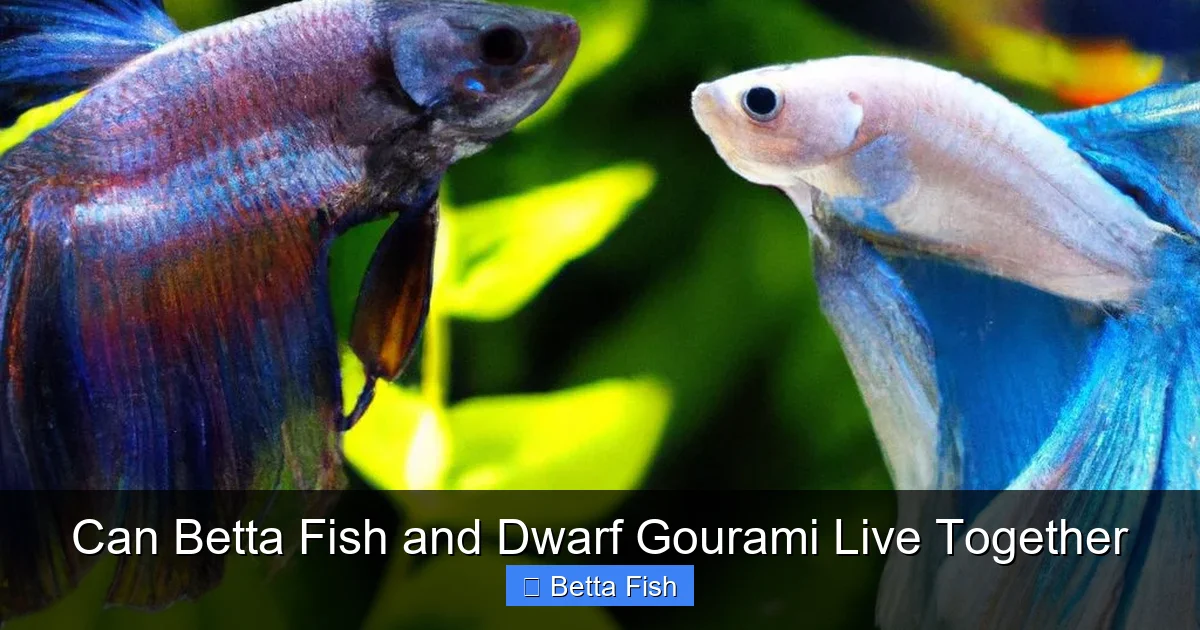
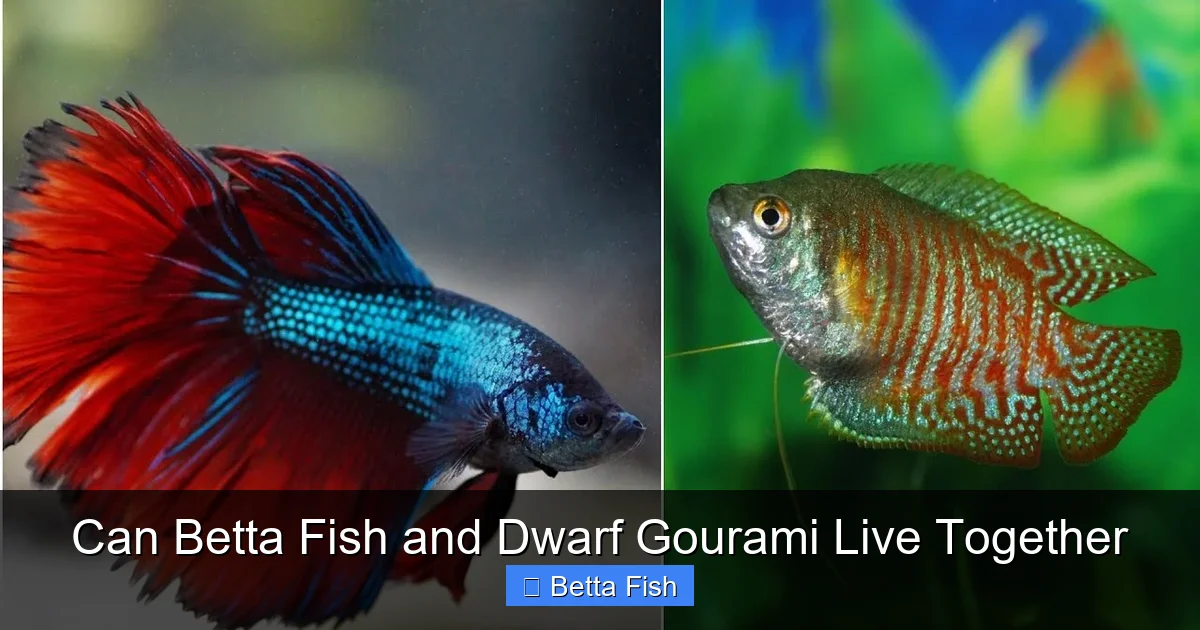
Betta fish are native to shallow, slow‑moving waters of Southeast Asia. Males are especially proud of their long, flowing fins and will flare when they feel threatened. They thrive in water that is warm (76‑82 °F), slightly acidic to neutral (pH 6.5‑7.5), and soft (5‑12 dGH). Betta fish are surface dwellers that love to explore the top layer of the tank.
Visual guide about Can Betta Fish and Dwarf Gourami Live Together
Image source: bettafishworld.com
Dwarf Gourami: Behavior and Habitat
Dwarf gouramis come from the same tropical region but prefer slightly cooler water (76‑80 °F) and can tolerate a broader pH range (6.0‑7.5). They are also surface swimmers and enjoy perching on floating plants. While generally calmer than larger gouramis, dwarf gouramis can become territorial, especially during breeding.
Comparing Temperaments
Both species are semi‑aggressive and love to display their fins. A male betta may see the gourami’s bright colors as a rival, while a male dwarf gourami may view the betta’s flares as a challenge. The key is to give each fish enough space to avoid constant visual contact.
Setting Up the Perfect Tank
Tank Size and Layout
For a single betta and a dwarf gourami, aim for at least 20 gallons (75 liters). This provides roughly 10 gallons per fish, allowing each to claim a territory. A smaller 10‑gallon tank often leads to stress and fighting.
Visual guide about Can Betta Fish and Dwarf Gourami Live Together
Image source: i.ytimg.com
Plants, Rocks, and Hiding Spots
Live plants such as Java fern, Anubias, and floating Salvinia create natural barriers. Add driftwood, smooth rocks, and ceramic caves to give both fish places to retreat. The more visual breaks you provide, the less likely they are to clash.
Water Filtration and Flow
A gentle filter is ideal; bettas dislike strong currents. A sponge filter or a low‑flow hang‑on‑back unit keeps water clean without creating turbulence. Perform weekly 25‑30% water changes to maintain stable parameters.
Temperature and pH Control
Use an adjustable heater to keep the water between 76‑80 °F, satisfying both species. A pH test kit helps you stay within the 6.5‑7.5 range. If the pH drifts, adjust with natural buffers like crushed almond shells.
Choosing the Right Individuals
Sex Matters
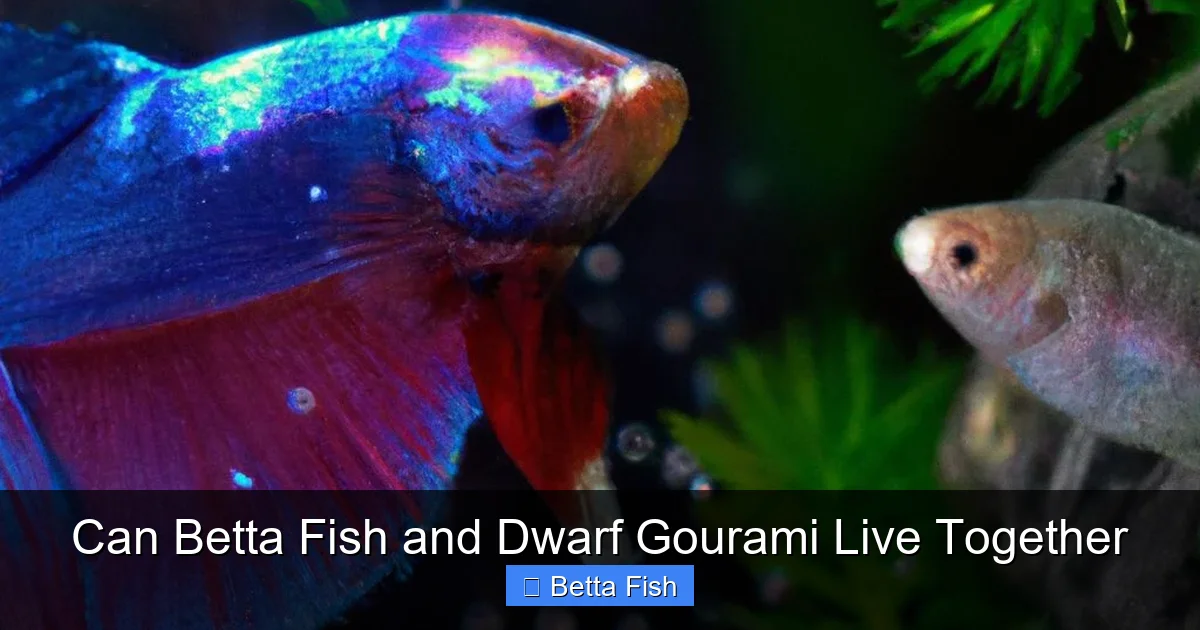
Male bettas are the most aggressive, so many hobbyists pair a male betta with a female dwarf gourami. Female bettas are less confrontational, but they can still be territorial. If you have a female betta, you have a higher chance of success.
Visual guide about Can Betta Fish and Dwarf Gourami Live Together
Image source: bettafishworld.com
Size and Age
Pick a dwarf gourami that is similar in size to the betta (around 2‑2.5 inches). A much larger gourami may dominate the betta, while a tiny one could become prey. Ideally, both fish should be at least 3‑4 months old and fully grown.
Health Checks
Before introducing, quarantine each fish for 2‑4 weeks to catch parasites or diseases. Look for clear eyes, intact fins, and active swimming. Any signs of ich, fin rot, or external parasites should be treated before mixing.
Introducing the Fish: Step‑by‑Step Guide
1. Prepare a Neutral Test Tank
Set up a separate 5‑gallon “neutral” tank with the same water parameters. This reduces the stress of moving directly from a quarantine tank into an established community.
2. Use a Divider
Place a clear acrylic divider in the main aquarium. Let the betta and gourami see each other without contact for 48‑72 hours. Observe their reactions; calm curiosity is a good sign, while flaring or chasing indicates high aggression.
3. Gradual Removal of the Divider
If both fish remain calm, slowly remove the divider over the next few days, watching closely for any signs of aggression. Be ready to re‑install the barrier if fights start.
4. Monitor Feeding Times
Feed both fish at opposite ends of the tank initially. Use floating or sinking pellets that both species enjoy, such as high‑quality betta pellets and small daphnia or brine shrimp for gouramis.
5. Ongoing Observation
For the first two weeks, watch for fin nipping, loss of color, or hiding behavior. If any fish appears stressed, consider a separate tank or a larger setup.
Potential Problems and How to Solve Them
Aggression and Fin Nipping
If a betta repeatedly flares at the gourami, add more vertical plants or tall decorations to break the line of sight. Sometimes moving the gourami to the opposite side of the tank can diffuse tension.
Water Quality Issues
Both species are sensitive to ammonia and nitrite spikes. Test water weekly with a reliable kit. If you notice elevated levels, increase water changes and check filter media.
Health Concerns
Stress can lead to disease. Watch for white spots (ich) or ragged fins. Early treatment with aquarium‑safe medication can save both fish.
When to Separate
Persistent fighting for more than 24 hours, or a fish losing its color, means the tank isn’t suitable. A 20‑gallon tank may still be too small for certain personalities. In that case, consider a dedicated betta tank or a larger community aquarium.
Alternative Tank Mates
If betta and dwarf gourami don’t get along, you have many peaceful options that share similar water needs:
- Neon tetras – small, schooling fish that stay in the mid‑water.
- Harlequin rasboras – colorful and non‑aggressive.
- Cherry shrimp – help clean algae and are generally ignored.
- Snails such as Nerite – great for algae control.
Read more about compatible species in our guide on what other fish can live with betta fish.
Conclusion: Making the Decision
So, can betta fish and dwarf gourami live together? The answer is yes—under the right conditions. Provide a spacious, well‑planted tank, match water parameters, and choose calm individuals. Even then, close monitoring is essential. If you’re willing to put in the effort, these two beauties can coexist and bring a dynamic display of color and behavior to your home aquarium.
Remember, every fish has a unique personality. What works for one pair may not work for another. Use the guidelines here as a starting point, stay observant, and be ready to adapt. Happy fish‑keeping!
Frequently Asked Questions
Can betta fish and dwarf gourami share a small tank?
It’s risky. A tank smaller than 20 gallons often leads to territorial fights because both fish need space to establish their own area.
Do I need a heater for both species?
Yes. Both bettas and dwarf gouramis thrive in 76‑80 °F water, so a reliable aquarium heater is essential.
Which gender combination works best?
A male betta with a female dwarf gourami usually has the highest success rate, but a female betta with either gender gourami can also work.
How often should I feed them?
Feed small amounts 2‑3 times daily, offering a mix of betta pellets and frozen or live foods like daphnia for the gourami.
What signs show that they’re not getting along?
Look for constant flaring, fin nipping, loss of color, or one fish staying hidden most of the time.
Can I keep other fish with betta and dwarf gourami?
Yes, peaceful, small schooling fish such as neon tetras or rasboras can coexist if the tank is large enough and has plenty of hiding spots.

