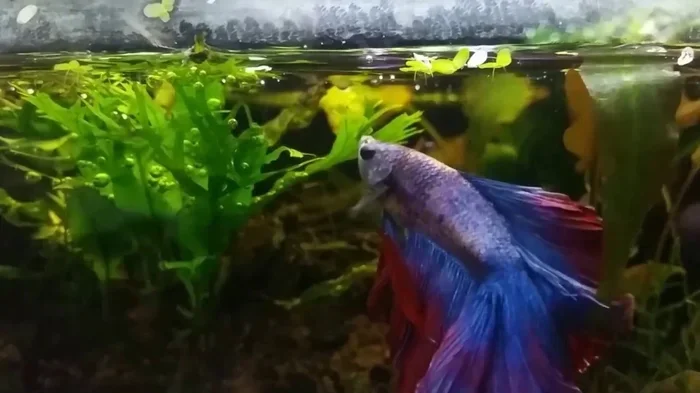
Why Are My Betta Fish Fins Tearing

Betta fish fins tearing is a common issue caused by poor water quality, sharp decorations, aggressive tank mates, or underlying health problems like fin rot. Understanding the root cause is the first step toward healing your fish and preventing future damage. This guide covers every major cause, treatment option, and prevention strategy so you can keep your betta’s fins healthy and beautiful.
There is nothing more heartbreaking than watching your beautiful betta fish develop torn, ragged fins. You admire your fish one day, and the next morning, you notice jagged edges or long splits in the fins. This is a frustrating experience for any fish keeper. But the good news is that fin tearing is usually fixable once you identify the cause.
This guide walks you through every reason why betta fish fins tear, how to treat the damage, and what you can do to stop it from happening again. Whether your betta is a show-quality fish or a beloved pet, healthy fins are a sign of a happy, thriving fish. Let us dive right in.
Key Takeaways
- Water Quality Is Critical: Ammonia and nitrite spikes are the leading cause of fin damage and tearing in betta fish.
- Physical Hazards Cause Tears: Sharp decorations, rough filter outflows, and tight spaces can rip fins repeatedly.
- Fin Rot Needs Immediate Treatment: Bacterial or fungal infections can cause fins to tear and deteriorate rapidly if left untreated.
- Aggressive Tank Mates Are Dangerous: Fin nipping from other fish is one of the most common reasons fins tear and shred.
- Healing Is Possible: With the right water conditions and care, betta fish fins can regrow within weeks to months.
- Prevention Beats Treatment: A well-planned tank setup and regular maintenance stop fin tearing before it starts.
📑 Table of Contents
Common Causes of Betta Fish Fins Tearing
Betta fish fins can tear for many different reasons. Some causes are simple and easy to fix. Others require more attention and care. Understanding the root cause is the most important step in helping your fish recover.
1. Poor Water Quality
The number one cause of fin damage in betta fish is dirty water. Ammonia and nitrite are toxic to fish. Even small amounts can irritate the delicate fin tissue and cause it to tear or dissolve. When your aquarium water is not cycled properly, these harmful chemicals build up fast.
Here is what happens when water quality drops:
- Ammonia burns the fins and body tissue
- Nitrite reduces the oxygen-carrying capacity of the blood
- Nitrate buildup weakens the immune system over time
- pH swings stress the fish and damage sensitive fins
If your betta lives in an uncycled tank or a bowl without a filter, the water can become toxic within hours. This is why aquarium water quality must be your top priority. Test your water regularly with a liquid test kit. Keep ammonia and nitrite at zero, and nitrate below 20 ppm.
2. Sharp Decorations and Rough Surfaces
Betta fish are active swimmers. They explore every corner of their tank. If your tank has sharp rocks, rough plastic plants, or broken decorations, those edges can catch and rip fins. This type of physical damage is very common in tanks that are not fish-safe.
Even filter intakes can be dangerous. If your betta swims near the intake tube, the strong suction can pull fins inside and tear them. Here are some simple fixes:
- Use smooth, silk plants instead of sharp plastic ones
- Check all decorations for rough edges before adding them
- Cover filter intakes with a sponge pre-filter
- Remove any broken or damaged décor from the tank
Taking five minutes to inspect your tank setup can save your betta from repeated fin damage. This is one of the easiest prevention steps you can take.
3. Fin Rot (Bacterial or Fungal Infection)
Fin rot is a bacterial or fungal infection that eats away at fin tissue. It is one of the most serious causes of fin tearing because it can spread quickly if not treated. Fin rot often starts as a white or reddish edge on the fins and then progresses to ragged, melting fins.
You may notice these signs:
- Fins develop white or red edges
- Fin tissue looks fuzzy or stringy
- Fins appear to be dissolving from the tips inward
- The base of the fin becomes inflamed
Fin rot thrives in poor water conditions and stressed fish. If you suspect fin rot, you need to act fast. Treat the water with an appropriate antibiotic or antifungal medication. At the same time, improve water quality through regular water changes. Left untreated, fin rot can reach the fin base and cause permanent damage.
If you want to learn more about how fin rot differs from other types of damage, check out our article on why betta fish fins are rotting.
4. Aggressive Tank Mates and Fin Nipping
Betta fish are known for their long, flowing fins. Unfortunately, those same fins attract the attention of aggressive or nippy fish. If you keep your betta with other fish, some of them may bite or nip at the fins. This causes tears, splits, and shredded edges.
Common fin-nipping fish include tiger barbs, serpae tetras, and some species of cichlids. Even other bettas can be aggressive toward each other. Female bettas in groups sometimes fight, which leads to fin damage. If you have noticed your fish chasing others or nipping at fins, this is likely your problem.
To prevent this, consider these strategies:
- Keep your betta in a species-only tank
- Choose peaceful, non-nippy tank mates carefully
- Provide plenty of hiding spots and plants for separation
- Remove aggressive fish immediately if fighting occurs
Some people also wonder why their betta fins look shredded after introducing new fish. This is often fin nipping behavior that needs to be addressed quickly before it causes serious harm.
5. Filter Flow and Strong Currents
Betta fish are not strong swimmers. They prefer slow, gentle water movement. If your filter output is too strong, the current can push your betta around and cause the fins to flap against hard surfaces repeatedly. Over time, this constant friction leads to tearing and wear.
This is especially common with hang-on-back filters and powerful sponge filters. The good news is that this is easy to fix. You can baffle the filter output using a sponge pre-filter or by directing the flow away from your betta’s favorite swimming area. The goal is to create gentle, calm water movement that your betta can easily navigate.
How to Treat Torn Betta Fish Fins
Once you have identified the cause of the fin tearing, it is time to treat the damage. The right treatment depends on the severity of the tears and the underlying cause. Here is a step-by-step approach to help your betta recover.
Step 1: Improve Water Quality Immediately
No matter what caused the fin tearing, clean water is essential for healing. Start with a 30 to 50 percent water change using temperature-matched, dechlorinated water. Test your water parameters to make sure ammonia and nitrite are at zero. If they are not, do a larger water change and check your filter and cycling process.
Consistent water maintenance is the foundation of fin healing. Dirty water slows recovery and invites infection.
Step 2: Add Aquarium Salt (For Mild Cases)
For minor fin tears that are not caused by infection, aquarium salt can speed up healing. Use aquarium-specific salt, not table salt. Add it at a rate of one teaspoon per five gallons of water. Salt helps reduce stress, promotes fin regrowth, and creates a hostile environment for some parasites.
Be careful not to overdose. Some fish are sensitive to salt, and overdosing can do more harm than good. Monitor your betta closely after adding salt.
Step 3: Use Medication for Fin Rot
If your betta has fin rot, you will need medicated treatment. Products like Melafix, Pimafix, or antibacterial fish dips can help clear the infection. Follow the dosage instructions carefully and do not overdose.
For severe cases, a broad-spectrum antibiotic may be necessary. Consult a fish veterinarian or experienced aquarist if the infection does not improve within a week of treatment.
Step 4: Remove Potential Hazards
While your betta heals, remove anything in the tank that could cause further damage. Replace sharp plants with soft silk ones. Cover filter intakes. Reduce water flow. You want to create a safe, calm environment where your fish can focus all its energy on recovery.
How Long Does It Take for Betta Fish Fins to Heal?
One of the most common questions fish keepers ask is how long it takes for torn fins to grow back. The answer depends on the severity of the damage and the quality of care you provide.
For minor tears and nips, fins usually start showing signs of regrowth within one to two weeks. The new fin tissue appears as a translucent, thin edge at the tip of the damaged fin. Over the following weeks, this new growth thickens and gains color.
For more severe damage, such as fins that have been almost completely torn off, full regrowth can take four to eight weeks. In rare cases where the fin base is damaged, regrowth may be incomplete or slower.
Here is a general timeline for fin regrowth:
- Mild tears: Visible regrowth in 7 to 14 days
- Moderate damage: Noticeable improvement in 2 to 4 weeks
- Severe tears or fin rot: Full healing takes 6 to 8 weeks or longer
During the healing period, keep water conditions pristine and avoid any sudden changes. Stress is the enemy of fin regrowth. A stable, clean tank gives your betta the best chance for a full recovery.
Preventing Betta Fish Fins From Tearing in the Future
Prevention is always easier and less stressful than treatment. Once your betta’s fins have healed, you want to make sure the damage never happens again. Here is how to protect your fish going forward.
Maintain a Proper Tank Setup
A well-designed tank is the first line of defense against fin damage. Your betta needs at least a 5-gallon tank with a gentle filter and a stable heater. Avoid tanks with sharp edges, rough surfaces, or strong water flow. Choose soft, silk plants and smooth decorations. Make sure all equipment is betta-safe.
If you are setting up a new tank, cycle it fully before adding your betta. An uncycled tank is a ticking time bomb for water quality problems. Use a liquid test kit to cycle the tank properly over 4 to 6 weeks before introducing your fish.
Perform Regular Water Changes
Consistent maintenance keeps your water safe and your fish healthy. Do a 20 to 30 percent water change every week. Vacuum the substrate to remove waste and uneaten food. Clean the filter media in tank water, never tap water, to preserve beneficial bacteria.
Regular maintenance also lets you catch problems early. During each water change, take a moment to inspect your betta’s fins. Look for any signs of tearing, discoloration, or early infection. Catching issues early makes treatment much easier.
Choose Tank Mates Carefully
If you want to keep your betta with other fish, choose peaceful species that do not nip fins. Good options include corydoras catfish, kuhli loaches, and small tetras that are not known for fin-nipping behavior. Avoid any fish with long, flowing fins that might trigger territorial aggression from your betta.
Always monitor your tank for signs of aggression, especially in the first few weeks after adding new fish. If you notice chasing or fin nipping, separate the aggressor immediately.
When to See a Veterinarian
Most cases of fin tearing can be treated at home with good water care and medication. However, there are times when professional help is needed. If your betta’s fins are not improving after two weeks of treatment, or if the damage is getting worse, consult a fish veterinarian.
You should also seek help if your betta shows other symptoms alongside fin damage. Loss of appetite, lethargy, bloating, or white spots on the body could indicate a more serious illness that needs professional diagnosis and treatment.
Remember, healthy fins are a sign of a healthy fish. If your betta’s fins keep tearing despite your best efforts, something deeper may be going on with the water or the fish’s overall health.
Final Thoughts
Watching your betta fish fins tear can be worrying, but it is almost always fixable. The key is to identify the cause quickly and take action. Whether the problem is poor water quality, sharp decorations, fin rot, aggressive tank mates, or strong filter flow, each cause has a clear solution. Clean water, a safe tank setup, and prompt treatment give your betta the best chance for a full recovery.
Be patient during the healing process. Fin regrowth takes time, and you may not see results overnight. Stick with good water maintenance, keep stress levels low, and your betta will reward you with beautiful, healthy fins once again. If you want to explore more about fin conditions, our article on why betta fish fins are deteriorating covers related topics in depth.
Take action today. Your betta is counting on you to keep its home safe and clean. Healthy fins start with the choices you make every day as a fish keeper.
Frequently Asked Questions
Can betta fish fins grow back after tearing?
Yes, betta fish fins can regrow after tearing. Minor tears usually heal within one to two weeks, while more severe damage may take four to eight weeks for full regrowth. The key is clean water, low stress, and proper treatment if an infection is present.
What does it mean when a betta fish’s fins are ripping?
Ripping fins usually mean your betta is encountering a physical hazard in the tank or is being nipped by tank mates. It can also signal fin rot or poor water quality. Inspect your tank for sharp edges, strong currents, or aggressive fish to find the cause.
How can I tell if fin tearing is from fin rot or physical damage?
Physical damage usually appears as clean cuts or splits at the edges of the fins. Fin rot causes fuzzy, white, or reddish edges that slowly eat away at the fin tissue. If the damage is spreading, it is likely fin rot and needs medication.
Is aquarium salt safe for betta fish with torn fins?
Yes, aquarium salt is safe and can promote healing in mild cases. Use one teaspoon per five gallons of water and avoid table salt. If your betta shows signs of stress after adding salt, do a water change to remove it.
Should I separate my betta if its fins are tearing?
If the tearing is caused by aggressive tank mates, yes, separate your betta immediately. If the cause is poor water quality or sharp décor, fix those issues in the main tank. Isolation is only necessary when other fish are the cause of the damage.
How often should I check my betta’s fins for damage?
Inspect your betta’s fins at least once a week during water changes. Early detection of tears, discoloration, or infection makes treatment much more effective and prevents minor issues from becoming serious problems.