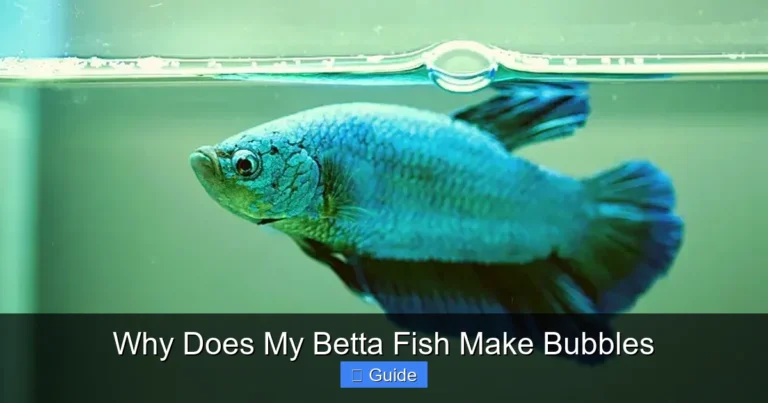
Can a Male Betta Fish Live with Other Fish
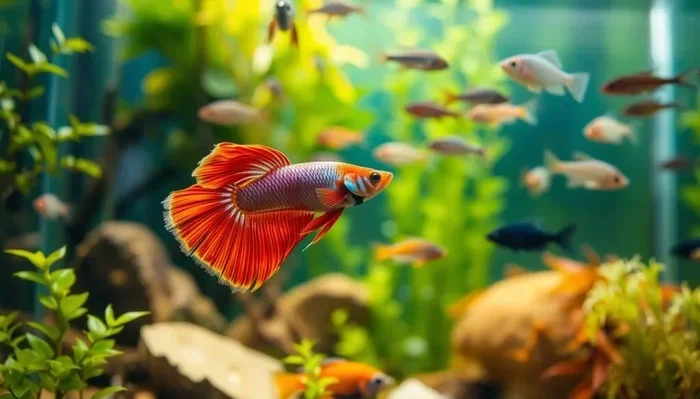
Can a male betta fish live with other fish? Yes, but it depends on several factors like tank size, species choice, and your betta’s personality. In this guide, you’ll learn the best tank mates for male bettas, how to introduce them safely, and tips to prevent aggression. Whether you’re a beginner or experienced fish keeper, this article has everything you need to know about male betta compatibility and building a successful betta fish community tank.
Key Takeaways
- Male bettas can live with other fish: With the right setup, tank size, and species selection, a male betta fish can coexist peacefully with compatible tank mates.
- Tank size matters: A minimum of 20 gallons is recommended for a community tank with a male betta to give everyone enough space and reduce territorial behavior.
- Best tank mates include calm species: Corydoras, shrimp, snails, and certain tetras make excellent betta fish tank mates because they are peaceful and occupy different tank areas.
- Avoid fin-nippers and colorful fish: Fish like tiger barbs, guppies, and other brightly colored species can trigger aggression in male bettas.
- Gradual introduction is key: Introducing new fish slowly and monitoring behavior helps prevent stress and fighting in your betta fish habitat.
- Provide plenty of hiding spots: Plants, caves, and decorations help break line of sight and give each fish its own territory, reducing betta fish aggression.
- Every betta is different: Some male bettas are more aggressive than others, so close observation is essential when adding any betta tank mates.
📑 Table of Contents
Introduction
If you love your male betta fish and want to add more life to your tank, you’ve probably asked yourself: can a male betta fish live with other fish? It’s a question that almost every betta owner thinks about at some point. Those beautiful fins and vibrant colors look even better when swimming alongside other tropical fish.
But here’s the honest truth. Male bettas are known for their aggression and territorial nature. They can’t just be thrown into any tank with random fish and expected to get along. It takes careful planning, the right species choices, and a properly set up tank to make everything work.
This guide covers everything you need to know. You’ll learn about male betta compatibility, the best betta fish tank mates, and how to set up a community tank that keeps everyone happy and healthy.
Understanding Male Betta Fish Behavior
Before you add any betta fish tank mates, you need to understand how male bettas behave. This knowledge is the foundation for making the right choices.
Why Are Male Bettas So Aggressive?
Male bettas are aggressive by nature. In the wild, they defend territories filled with food, hiding spots, and potential mates. This instinct doesn’t disappear just because they’re in a home tank. Their famous betta fish aggression comes from centuries of breeding for fighting.
Here are the main triggers for aggressive behavior in male bettas:
- Territory: Betta fish claim spaces and defend them fiercely, especially around decorations and plants.
- Fin nipping: Fish that bite or disturb their fins can trigger a violent response.
- Bright colors: Other colorful or flashy fish may be seen as rivals, leading to fighting.
- Limited space: A small tank makes everything worse. Crowded conditions increase stress and hostility.
- Feeding competition: If fish compete for food, your betta may become protective and hostile.
Signs of Stress in Your Betta
Watch for these warning signs that your male betta is unhappy or feeling threatened by other betta fish species in the tank:
- Flaring gills constantly
- Hiding behind decorations for long periods
- Loss of color or pale body
- Clamped fins held close to the body
- Rapid breathing or gasping at the surface
- Chasing other fish or being chased
If you notice these signs, it’s time to reassess your fish tank setup and consider whether your current tank mates are a good fit.
Can a Male Betta Fish Live with Other Fish? The Truth
The short answer is yes. But the longer answer is: it depends. Not every male betta can live with other fish. Success depends on several important factors.
Factors That Determine Success
Here’s what decides whether your male betta compatibility with other fish will work out:
- Individual personality: Some male bettas are calm and tolerant. Others are extremely territorial. You won’t know until you try, but starting with the right species helps.
- Tank size: A 5-gallon tank is too small for community living. A minimum of 20 gallons gives everyone room to establish their own space and reduces conflict.
- Species selection: Choosing the right tropical fish for bettas is critical. Peaceful, non-aggressive species that occupy different areas of the water work best.
- Tank layout: A well-planned tank with plants, caves, and visual barriers helps break line of sight and reduce confrontations between your betta and betta fish tank mates.
- Introduction method: Adding fish gradually and monitoring behavior makes a huge difference in how your betta adjusts.
When It Works and When It Doesn’t
A male betta can thrive in a community tank when the conditions are right. The key is choosing peaceful fish for bettas that won’t provoke or compete with them. Avoid placing your betta with aggressive or fin-nipping species — that’s a recipe for disaster.
If your betta shows persistent aggression even after proper introduction, it may be best to keep him solo. Some bettas simply prefer living alone, and that’s perfectly okay. A single betta in a well-decorated 5-gallon tank can live a full, happy life.
Best Tank Mates for Male Betta Fish
Choosing the right betta fish tank mates list is the most important step. Not all fish are created equal when it comes to living with a male betta. Here are some of the best options that what types of fish can live with a male betta include.
Top Peaceful Species for Your Betta Tank
Corydoras Catfish — These bottom-dwellers are one of the best choices. They stay small, keep to themselves, and rarely bother your betta. They occupy the lower parts of the tank, which means less direct interaction. A small group of corydoras makes an excellent addition.
Neon Tetras — Can a male betta fish live with neon tetras? Yes, in the right conditions. Neon tetras are small, colorful, and generally peaceful. They swim in the middle of the tank, creating a beautiful display. Just make sure you keep them in groups of six or more so they feel secure.
Amano Shrimp — These hardworking cleaners help keep your tank free of algae. They’re small enough to avoid confrontation and stay near the bottom and glass. Most bettas ignore them completely.
Mystery Snails — Slow-moving and peaceful, mystery snails are great betta fish habitat companions. They stay in their shells when threatened and help clean up leftover food. They add a nice visual element to the tank too.
Harlequin Rasboras — These calm, schooling fish do well with bettas. They stay in the upper-middle water column and have a gentle temperament that won’t provoke your betta.
Kuhli Loaches — These nocturnal bottom-dwellers are shy and peaceful. They dig through substrate and stay hidden during the day, meaning your betta barely notices them.
Species to Avoid
Some fish simply don’t mix well with male bettas. Here’s a quick comparison of species to avoid and why:
| Fish Species | Why to Avoid |
|---|---|
| Tiger Barbs | notorious fin nippers that provoke aggression |
| Guppies | Bright colors and long fins trigger betta aggression; also breed too quickly |
| Betta Fish (Other Males) | Will fight to the death — never house two male bettas together |
| Angelfish | Can become aggressive and may nip betta fins |
| Bala Sharks | Too large and active; stress out bettas easily |
Can Male Betta Fish Live With Other Betta Fish?
This is one of the most common questions. The answer is almost always no. Two male bettas placed in the same tank will fight. It’s not a matter of “maybe” — it’s almost guaranteed. Can male betta fish live with other male betta fish? They cannot. Even in a large tank with lots of hiding spots, the stress of seeing another male betta can be deadly.
Female bettas can sometimes be kept together in groups called “sororities,” but this requires careful management and isn’t recommended for beginners. Can male betta fish live with other female betta fish? Generally no — a male betta will still chase and harass female bettas, especially during breeding season.
Setting Up a Community Tank for Your Betta
If you’ve decided to give can male betta live with other fish a try, proper tank setup makes all the difference. Here’s how to create an environment where everyone thrives.
Tank Size and Layout
Start with at least a 20-gallon tank. This gives your betta and his tank mates enough room to establish territories without constant confrontation. A 30-gallon or larger tank is even better if you plan to keep a bigger community.
Fill the tank with plenty of live plants, caves, driftwood, and decorations. The goal is to create visual barriers that break up your betta’s line of sight to other fish. This reduces territorial behavior significantly. Live plants serve double duty — they look great and provide hiding spots for smaller fish.
Water Conditions
Keep the water temperature between 78-80°F (25-27°C). This is the sweet spot for both bettas and most tropical betta fish tank mates. Maintain a pH between 6.5 and 7.5. Regular water changes of 25% every week keep conditions stable and healthy for all fish.
Feeding Strategy
Feed your betta separately when possible. Drop betta pellets near your betta’s favorite spot, and feed other fish in different areas of the tank. This prevents food competition, which is one of the biggest triggers for betta fish behavior problems in community settings.
Common Mistakes to Avoid
Even experienced fish keepers make mistakes when setting up a community tank with a betta. Here are the most common pitfalls to watch out for.
Too Small a Tank
Putting a betta in a 5-gallon community tank is a bad idea. There isn’t enough space for everyone, and your betta will feel trapped. Always go bigger rather than smaller when planning a community setup.
Adding Too Many Fish at Once
Don’t introduce all your new fish in one day. Add them gradually over several weeks. This gives your betta time to adjust to each new presence. It also lets you monitor behavior and remove any fish that cause problems before adding more.
Ignoring Your Betta’s Signals
If your betta is constantly flaring, hiding, or chasing other fish, don’t ignore it. These are clear signs that something isn’t working. Take action quickly — rearrange the tank or remove the problem fish before stress leads to illness or injury.
Choosing the Wrong Tank Mates
Not every colorful tropical fish works with bettas. Do your research before buying. What types of fish can live with a male betta depends heavily on temperament, size, and water preferences. Always check compatibility before adding any new fish.
Skipping Quarantine
New fish should always be quarantined for at least two weeks before being added to the main tank. This prevents disease from spreading to your betta and existing tank mates. Sick fish are stressed fish, and stressed fish are more likely to fight.
Quick Tips for Success
- Start with a well-established, cycled tank
- Add plants and decorations before introducing any fish
- Choose peaceful species that occupy different water levels
- Feed in multiple locations to reduce competition
- Watch your betta closely for the first few weeks
- Keep a backup plan — a separate tank ready if things go wrong
Conclusion
So, can a male betta fish live with other fish? Absolutely — with the right approach. The key is choosing compatible tank mates, providing a large enough tank, and setting up the environment properly. Not every betta will thrive in a community setting, but many do when given the chance.
Remember that every betta has its own personality. What works for one fish may not work for another. Pay close attention to your betta’s behavior, be patient during introductions, and don’t be afraid to make changes if needed. The effort you put in will reward you with a stunning, lively betta fish community tank that you can enjoy every day.
Whether you add corydoras, neon tetras, shrimp, or snails, the right betta fish tank mates can turn a simple betta tank into a vibrant underwater world. Just take your time, plan carefully, and enjoy the process. Your betta deserves a happy home.
Frequently Asked Questions
Can a male betta fish live with other fish in a 10-gallon tank?
A 10-gallon tank is possible but risky. It’s better suited for a single betta with a few small tank mates like shrimp or snails. For a proper community with fish like tetras or corydoras, upgrade to at least 20 gallons. More space means less aggression and better results for your betta fish habitat.
What fish can live with a male betta that won’t fight?
The safest betta fish tank mates include corydoras catfish, amano shrimp, mystery snails, kuhli loaches, and harlequin rasboras. These species are peaceful, stay away from the betta’s favorite spots, and rarely provoke territorial behavior. Always introduce them gradually and watch for signs of stress.
How long does it take for a betta to accept new tank mates?
It varies. Some male bettas adjust within a few days, while others may take two to four weeks. During this period, closely monitor behavior. If your betta shows constant flaring or chasing, rearrange the tank layout to break established territories and give everyone a fresh start in the betta fish community tank.
Can a male betta live with a goldfish?
No, this is not recommended. Goldfish produce a lot of waste and need cooler water than bettas. They also grow large and can be messy eaters. Can a male betta fish live with a goldfish? The answer is no — the water conditions and space requirements are completely different, making it a poor match for both species.
Are there any fish that can live with a betta in a small tank?
In a 5-gallon tank, stick with a single betta. For a 10-gallon tank, you can add a few shrimp or snails alongside your betta. These small creatures stay out of the way and help keep the tank clean. Just make sure the tank is fully cycled and well-planted before adding any betta fish species companions.
What should I do if my betta attacks a new tank mate?
Remove the attacked fish immediately and place it in a separate quarantine tank. Give your betta time to calm down, then try a different species. If aggression continues, it may be best to keep your betta alone. Not every male betta is suited for community living, and that’s completely okay. A happy solo betta is always better than a stressed fish in a betta fish tank mates situation that isn’t working.