How Much to Feed Betta Fish Pellets
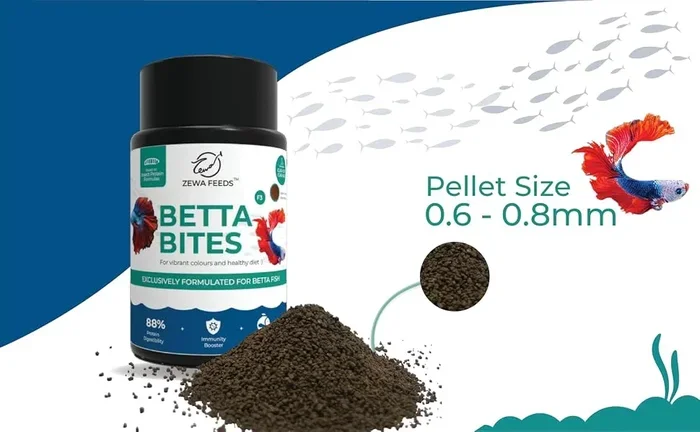
Knowing how much to feed betta fish pellets is one of the most important parts of keeping your betta healthy. A good rule is to feed 2 to 3 pellets twice a day, but the exact amount depends on your fish’s size, age, and activity level. This guide covers everything you need to know about betta fish feeding amounts, feeding frequency, and avoiding common pitfalls like overfeeding.
If you own a betta fish, you have probably wondered at some point, “how much to feed betta fish pellets?” It is a question almost every betta owner asks, especially when they first bring their fish home. The answer is not as simple as a fixed number, because several factors play a role. But don’t worry, this guide breaks it all down in plain language so you can feed your betta with confidence.
Feeding your betta fish the right amount of pellets is critical to their health and lifespan. Too little food and your fish goes hungry. Too much and you risk serious health problems like bloating, constipation, and even swim bladder disease. Getting the balance right makes a huge difference in how happy and active your betta looks every day.
Key Takeaways
- Feed 2 to 3 pellets per meal: This is the standard portion for most adult betta fish.
- Feed twice a day: Morning and evening feedings work best for a healthy betta fish diet.
- Watch for overfeeding signs: Bloating, constipation, and cloudy water are red flags that you’re feeding too much.
- Soak pellets before feeding: This prevents swim bladder issues and helps the pellets sink at the right pace.
- Adjust for your fish’s needs: Age, size, and activity level all affect how much food your betta needs.
- Skip one day a week: A light fasting day helps digestion and keeps your betta feeling great.
📑 Table of Contents
- How Much to Feed Betta Fish Pellets: The Quick Answer
- Understanding Your Betta Fish Stomach Size
- How Many Pellets Should You Feed a Betta Fish
- How Often to Feed Betta Fish Pellets
- Signs You Are Feeding Your Betta Fish Too Much or Too Little
- Best Practices for Feeding Betta Fish Pellets
- Common Mistakes to Avoid When Feeding Betta Fish Pellets
- Final Thoughts on How Much to Feed Betta Fish Pellets
How Much to Feed Betta Fish Pellets: The Quick Answer
So, how much should you actually be feeding? For most adult betta fish, the sweet spot is two to three pellets per feeding, twice a day. That means four to six pellets total each day. This amount gives your betta enough nutrition without overloading their small digestive system.
But here is the thing, not all pellets are created equal. Some brands make smaller pellets, while others are larger and more dense. A large pellet from one brand might equal two small pellets from another brand. This is why it helps to understand your fish’s individual needs and adjust accordingly.
Why Portion Size Matters
Your betta fish has a tiny stomach. In fact, it is roughly the size of their eyeball. That means even a few extra pellets can be too much. When you feed more than your betta can handle, the uneaten pellets sink to the bottom of the tank and start to decay. This fouls the water and creates a harmful environment for your fish.
On the flip side, underfeeding your betta can lead to malnutrition and a weakened immune system. Your fish needs a steady supply of nutrients to maintain vibrant colors, strong fins, and good energy levels. Finding the right betta fish feeding amount is truly a balancing act, but once you get the hang of it, it becomes second nature.
Understanding Your Betta Fish Stomach Size
To really understand how much to feed betta fish pellets, you need to picture the size of their stomach. A betta’s stomach is incredibly small, about the same size as one of its eyes. This fact alone explains why less food is often more when it comes to feeding pellets.
Many new betta owners make the mistake of assuming their fish can eat the same amount as larger tropical fish. That is simply not true. Bettas are small fish with modest dietary needs. Even though they have big appetites and will eagerly eat as much as you offer, that does not mean they should.
The Eyeball Rule
A handy trick to remember is the eyeball rule. The food you give your betta at one meal should be roughly the size of their eyeball. For most adult bettas, this translates to about two or three standard-sized pellets. For betta fry (baby bettas), the portions are even smaller and may need to be crushed into tiny pieces.
This simple mental model takes the guesswork out of feeding. Next time you drop pellets into the tank, pause and compare them to your fish’s eye. If the food looks too large, you are probably giving too much. Keeping portions small and frequent is the best approach for a healthy betta fish diet.
How Many Pellets Should You Feed a Betta Fish
The number of pellets you should feed depends on a few key factors. Let us break this down so you know exactly what to do during each feeding session.
Factors That Affect Pellet Quantity
Several things influence how many pellets your betta needs at each meal:
- Fish size: A larger betta will need slightly more pellets than a smaller one.
- Fish age: Young bettas and growing fry need more frequent feedings with smaller portions.
- Activity level: Active bettas that swim around a lot burn more energy and may need a bit more food.
- Pellet brand and size: Some pellets are denser and more nutritious, so fewer are needed. Others are lighter and may require a slightly larger portion.
- Water temperature: Warmer water speeds up metabolism, which means your betta may need a little extra food in the summer months.
A Simple Feeding Guide
Here is a basic guide to follow for feeding betta fish pellets:
- Adult bettas: 2 to 3 pellets, twice a day.
- Young bettas (under 6 months): 1 to 2 pellets, three times a day.
- Senior bettas (over 2 years): 1 to 2 pellets, twice a day.
- Betta fry: Crushed micro-pellets or live food, 3 to 4 times a day in tiny amounts.
If you are ever unsure, it is always better to underfeed slightly than to overfeed. Bettas are tough little fish and can go a day without food without any problems. In fact, giving them a fasting day once a week can actually benefit their digestion.
How Often to Feed Betta Fish Pellets
Frequency is just as important as portion size when it comes to how much to feed betta fish pellets. Most experts agree that feeding your betta twice a day is the ideal routine. A morning feeding and an evening feeding mimics their natural eating patterns and keeps their metabolism steady.
Some people wonder if they can feed their betta once a day instead. While this is possible, it means each meal needs to be a bit larger, which increases the risk of overfeeding. Spreading the food across two smaller meals is generally the safer and healthier choice.
Can You Feed Betta Fish Pellets Every Day?
Yes, you can feed pellets every day, but many experienced fish keepers recommend skipping one day per week. This fasting day gives your betta’s digestive system a chance to process any remaining food and clear out waste. It also helps prevent constipation, which is a common problem in bettas that are fed too regularly without a break.
During the fasting day, your betta will be perfectly fine. In the wild, bettas do not eat every single day. They go through periods where food is scarce, and their bodies are adapted to handle it. A weekly fast is actually a great way to support long-term betta fish health.
Creating a Feeding Schedule
Consistency is key when it comes to your betta fish feeding routine. Try to feed your betta at the same times each day. Many owners find that feeding once in the morning and once in the evening works best with their schedule. Here are some tips for building a reliable routine:
- Set a daily alarm on your phone to remind you it is feeding time.
- Feed at the same spot in the tank so your betta learns the routine.
- Watch your fish eat and remove any uneaten pellets within five minutes.
- Adjust the schedule if you notice your betta is not finishing its food.
A consistent schedule also makes it easier to spot changes in appetite early. If your normally eager betta suddenly refuses food, that is a sign something might be off and worth investigating.
Signs You Are Feeding Your Betta Fish Too Much or Too Little
One of the trickiest parts of feeding betta fish pellets is knowing whether you are getting the amount just right. Your fish cannot talk, so you need to watch for physical and behavioral clues that tell you if the portions are correct.
Signs of Overfeeding
Overfeeding is the most common mistake betta owners make, and it can lead to serious health issues. Watch for these warning signs:
- Bloating: Your betta’s belly looks swollen or distended after meals.
- Constipation: Your fish has trouble swimming or produces long, stringy waste.
- Swim bladder problems: Your betta floats to the top or sinks to the bottom and struggles to stay upright.
- Cloudy water: Uneaten pellets decay quickly and make the tank water look hazy.
- Loss of appetite: Your betta stops eating eagerly, even when food is offered.
- Lethargy: Your fish seems unusually tired and spends a lot of time resting at the bottom of the tank.
If you notice any of these signs, reduce the portion size immediately. Skip feeding for one day and then resume with a smaller amount. If the problem persists, check your water parameters because poor water quality often makes overfeeding symptoms worse.
Signs of Underfeeding
Underfeeding is less common but still something to watch for. Your betta might not be getting enough food if you notice:
- Weight loss: Your betta looks thin or its body seems to be getting narrower.
- Dull colors: The vibrant reds and blues start fading and look washed out.
- Lethargy: Similar to overfeeding, an underfed betta may also become less active.
- Aggressive behavior: Some bettas become more territorial or nippy when they are hungry.
- Constantly begging for food: Your betta follows your hand or swims to the surface every time you approach the tank.
If you see these signs, try increasing the portion size slightly or adding an extra feeding. Just remember to do it gradually so you do not shock your fish’s digestive system.
Best Practices for Feeding Betta Fish Pellets
Now that you know how much and how often to feed, let us talk about the best ways to make pellet feeding work for both you and your betta. A few simple tips can make a big difference in your fish’s health and your overall experience as an owner.
Soak Pellets Before Feeding
One of the best habits you can build is soaking your betta pellets in tank water for a few minutes before feeding. Dry pellets expand once they hit water, and if your betta swallows them before they expand, it can cause blockages in their digestive tract. Soaking prevents this problem and also helps the pellets sink at a natural pace.
Remove Uneaten Pellets Promptly
Bettas are not the fastest eaters, and they may not finish all their pellets in one sitting. Any pellets left in the tank after five minutes should be removed with a small net or turkey baster. Rotting food releases ammonia into the water, which is toxic to your fish and can quickly spike your tank’s nitrogen cycle.
Variety Is Important
While pellets are a staple of a healthy betta fish diet, they should not be the only food you offer. Adding variety keeps your betta interested in food and provides a wider range of nutrients. Consider alternating pellets with frozen or live foods like bloodworms, brine shrimp, or daphnia a few times a week.
Do Not Feed Human Food
It can be tempting to share your snacks with your fish, but human food is not suitable for bettas. Foods like bread, crackers, or crackers can cause serious digestive issues. Stick to high-quality betta-specific pellets and occasional treats designed for tropical fish.
Common Mistakes to Avoid When Feeding Betta Fish Pellets
Even experienced fish keepers sometimes make mistakes when it comes to feeding. Here are the most common errors to watch out for:
- Feeding too many pellets at once: This is the number one mistake. Remember, your betta’s stomach is tiny. More is not better.
- Skipping water changes after overfeeding: If you accidentally overfeed, do a partial water change to keep the tank clean and healthy.
- Using the wrong pellet size: Large pellets can be hard for smaller bettas to eat. Look for pellets specifically designed for bettas.
- Feeding only pellets: A diet of only pellets lacks variety and can lead to nutritional gaps over time.
- Feeding on an inconsistent schedule: Irregular feeding times can stress your fish and disrupt their natural rhythm.
By avoiding these mistakes, you set your betta up for a long, healthy, and happy life. The goal is to make feeding time a stress-free part of your daily routine that both you and your fish enjoy.
Final Thoughts on How Much to Feed Betta Fish Pellets
Getting the betta fish feeding amount right does not have to be complicated. Stick to two to three pellets twice a day, watch your fish for signs of overfeeding or underfeeding, and adjust as needed based on your individual fish. A little attention and consistency go a long way toward keeping your betta in top shape.
Remember, every betta is a little different. Factors like age, size, and activity level all play a role in how much food your fish needs. Use the guidelines in this article as a starting point, and then fine-tune based on what works best for your specific betta. If you ever feel unsure about your feeding routine, a quick search for how much to feed a betta fish or a visit to trusted fish care resources can always help clarify things.
Feeding your betta fish pellets the right way is one of the simplest yet most impactful things you can do as an owner. When you get the portions and frequency right, you will see the difference in your fish’s energy, color, and overall well-being. Your betta will thank you with vibrant fins, bright colors, and lively swimming every single day.
Frequently Asked Questions
How many pellets should I feed my betta fish per day?
For most adult betta fish, the recommended amount is four to six pellets per day, split into two feedings of two to three pellets each. This portion size works well for the average adult betta and provides balanced nutrition without the risk of overfeeding. Adjust slightly based on your fish’s size and appetite.
Can I feed my betta fish pellets once a day instead of twice?
Yes, you can feed pellets once a day, but the meal will need to be a bit larger, which increases the risk of overfeeding. Splitting the food into two smaller meals is generally healthier for your betta’s digestive system. If you do feed once a day, monitor your fish closely for signs of bloating or constipation.
What happens if I overfeed my betta fish pellets?
Overfeeding can cause bloating, constipation, swim bladder issues, and poor water quality from uneaten pellets decaying in the tank. It can also shorten your betta’s lifespan if it becomes a regular habit. If overfeeding occurs, reduce the portion size and consider doing a partial water change to keep the tank clean.
Should I soak betta pellets before feeding?
Yes, soaking pellets for a few minutes before feeding is highly recommended. Dry pellets expand in water, and if your betta swallows them before they expand, it can cause digestive blockages. Soaking also helps the pellets sink more naturally, making it easier for your betta to eat them without swallowing air.
How do I know if I am feeding my betta the right amount?
Watch for a healthy, rounded but not bloated belly, vibrant colors, steady energy levels, and regular waste production. If your betta leaves pellets uneaten after five minutes, you are likely feeding too much. If your betta seems hungry and begs for food shortly after eating, you may need to increase the portion slightly.
Can I replace pellets with other foods for my betta fish?
Pellets are a great staple food, but you can and should add variety with frozen or live foods like bloodworms, brine shrimp, and daphnia a few times a week. Just make sure any alternative food is appropriate for bettas and does not replace the nutritional balance that quality pellets provide. Always research any new food before offering it to your fish.