How Big a Betta Fish Can Grow

A betta fish can grow up to 2.5 to 3 inches long under the right conditions. The betta fish size depends on factors like tank size, diet, water quality, and genetics. This guide covers everything you need to know about betta fish growth and how to help your fish thrive.
Key Takeaways
- Average Size: Most betta fish grow to about 2.5 to 3 inches in length.
- Growth Stages: Bettas go through rapid growth in the first few months, then slow down by around 6 to 7 months old.
- Tank Size Matters: A tank of at least 5 gallons supports healthy betta fish growth and overall well-being.
- Diet Plays a Role: High-quality food helps your betta reach its full betta fish size potential.
- Water Quality Is Key: Clean, properly heated water keeps your betta healthy and growing at a normal rate.
- Genetics Play a Part: Some betta breeds naturally grow larger than others.
- Watch for Warning Signs: Stunted growth may signal poor living conditions or health problems.
📑 Table of Contents
How Big Can a Betta Fish Grow?
If you own a betta fish or are thinking about getting one, you might wonder about its betta fish size. How big can a betta fish grow? The short answer is that most bettas reach about 2.5 to 3 inches long. But that number can change based on several factors.
The betta fish growth rate is fastest during the first few months of life. After that, growth slows down significantly. By the time your betta hits about 6 to 7 months old, it is close to its full adult size. But even then, small improvements in tank setup and diet can make a difference.
Knowing what affects your betta’s size helps you give it the best life possible. A well-cared-for betta fish will look brighter, swim more actively, and live longer. On the other hand, poor conditions can lead to stunted growth and health problems. Let’s dive into the details.
What Is the Average Betta Fish Size?
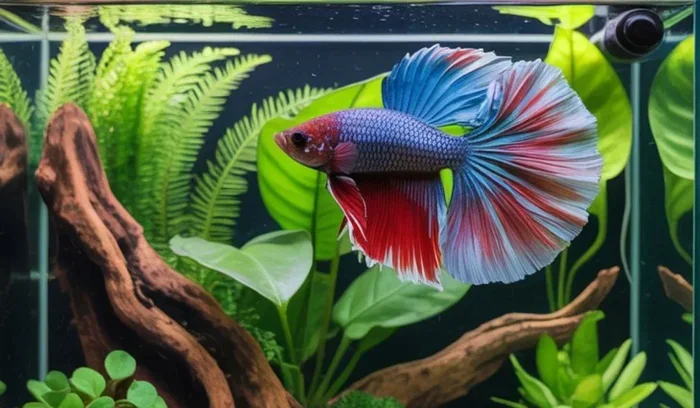
The average betta fish size for a healthy adult is around 2.5 inches. Some bettas stretch to 3 inches, especially males with long finnage. Female bettas tend to be a bit smaller and more compact. But keep in mind that fin length can make a betta look bigger than it actually is body-wise.
When people ask how big does a betta fish get, they usually picture the classic male betta with flowing fins. Those fish can appear much larger because of their elaborate tails and fins. The body itself, though, stays within the 2.5 to 3-inch range.
What Affects Betta Fish Growth?
Several factors determine how big your betta fish will get. Some you can control, and some you cannot. Let’s break them down so you know exactly what matters.
Tank Size and Environment
Many people still keep bettas in tiny cups or bowls. This is a common mistake. A small tank limits your betta’s ability to grow and thrive. How big of a tank do betta fish need? At minimum, go with a 5-gallon tank. Larger tanks, like 10 gallons, give your betta even more room to swim and explore.
A bigger tank also means more stable water conditions. Fluctuations in temperature and chemicals happen faster in small tanks. A stable environment reduces stress, and less stress means better growth. If you want to give your betta the best chance at reaching its full size, check out this guide on how big of a fish tank for betta fish to get started with the right setup.
Diet and Nutrition
What you feed your betta directly impacts its growth. Bettas are carnivores. They need protein-rich food to build muscle and maintain healthy fins. High-quality betta pellets should form the base of their diet. You can also add frozen or live foods like brine shrimp and bloodworms as treats.
Overfeeding is a real danger, though. It can lead to bloating, constipation, and obesity. Feed your betta 2 to 3 pellets twice a day. Remove any uneaten food after a few minutes. A balanced diet supports steady betta fish growth without causing health issues.
Water Quality and Parameters
Clean water is non-negotiable for healthy betta growth. Ammonia and nitrite levels should always read zero. Nitrate should stay below 20 parts per million. Use a test kit to monitor these levels regularly.
Temperature also matters. Bettas thrive in water between 76 and 82 degrees Fahrenheit. Too cold, and your betta becomes sluggish. Too hot, and the oxygen levels drop. Use a reliable heater and thermometer to keep conditions stable. If you are unsure about water choices, check out this article on can you use tap water in a betta fish tank for helpful tips.
Genetics and Breed
Not all bettas are created equal. Some breeds naturally grow larger than others. The Plakat betta, for example, tends to have a more compact body but can be quite robust. The Crown Tail and Half Moon varieties often have longer fins, which can make them appear larger.
Genetics also play a role in how fast your betta grows. Fish from healthy breeding lines tend to develop more consistently. If you buy from a reputable breeder, you have a better chance of getting a betta with strong growth potential.
Age and Growth Stages
Understanding the betta fish growth stages helps you set realistic expectations. Here is a quick breakdown:
- Week 1 to Month 2: Rapid growth. Your betta fry doubles in size quickly.
- Month 2 to Month 4: Growth slows but continues steadily. Fins start developing.
- Month 4 to Month 6: Your betta approaches its adult size. Color becomes more vivid.
- Month 6 and Beyond: Growth is minimal. Your betta is now an adult. Focus shifts to maintenance and health.
Most bettas reach their full betta fish size by 6 to 7 months. Some slow growers may take up to a year to hit their maximum potential.
How to Help Your Betta Fish Grow to Its Full Size
Want to give your betta the best shot at reaching its ideal size? Follow these practical tips. They are simple but make a huge difference over time.
- Choose the Right Tank. A 5-gallon tank is the minimum. A 10-gallon tank is even better. More space means less stress and better growth.
- Install a Filter. A gentle filter keeps the water clean without creating strong currents. Bettas prefer calm water. Learn more about using a filter with betta fish to find the right setup.
- Feed a Balanced Diet. Mix high-quality pellets with occasional live or frozen foods. Variety keeps your betta healthy and active.
- Keep the Water Clean. Perform 25% water changes weekly. Vacuum the gravel to remove waste. Clean water supports healthy organs and steady growth.
- Maintain Proper Temperature. Use a heater to keep the water between 76 and 82 degrees. Stable temperatures reduce stress and promote growth.
- Add Enrichment. Plants, caves, and gentle decorations give your betta places to explore. A stimulating environment boosts overall well-being.
- Monitor Health Regularly. Watch for signs of illness like clamped fins, loss of color, or loss of appetite. Catch problems early to prevent setbacks in growth.
If you are new to betta care, you might also want to learn about how to grow a bond with your betta fish. A trusting relationship makes it easier to spot health issues early and keep your fish happy.
Common Mistakes That Limit Betta Fish Growth
Many betta owners unknowingly hold their fish back. Here are the most common mistakes and how to avoid them.
Keeping Bettas in Too-Small Tanks
The “just a bowl” myth is harmful. Bettas need space to swim and explore. A tiny container restricts movement, increases stress, and can stunt growth. Always provide at least a 5-gallon tank.
Overfeeding
It is easy to love your betta with too much food. But overfeeding leads to obesity, digestive issues, and dirty water. Stick to a consistent feeding schedule and remove leftovers promptly.
Ignoring Water Changes
Dirty water builds up ammonia fast. Even with a filter, regular water changes are essential. Skipping them can cause stress, illness, and slowed growth.
Skipping Heater Setup
Bettas are tropical fish. They need warm water to stay active and healthy. Cold water slows their metabolism and can lead to lethargy and poor growth.
Not Quarantine New Fish or Plants
Adding new items to your tank without quarantine can introduce diseases. A sick betta will not grow properly. Always isolate new additions for at least two weeks before adding them to your main tank.
When to Be Concerned About Your Betta Fish Size
Most of the time, bettas grow at their own pace. But sometimes, stunted growth signals a problem. Here are signs to watch for:
- Your betta stays under 2 inches after 6 months of age.
- Loss of color or faded markings that do not return.
- Clamped fins or refusal to eat.
- Bulging eyes or swollen body, which could indicate dropsy or other illness.
- Lethargy and lack of interest in food or movement.
If you notice any of these signs, test your water parameters first. Poor water quality is the most common culprit. If the water checks out, consider consulting a vet who specializes in fish. Early intervention can make a big difference.
For more on recognizing warning signs, read our guide on how can you tell if a betta fish is dying. Knowing the signs of distress helps you act fast and protect your fish.
How Long Can a Betta Fish Live?
Size and lifespan are connected. A betta that grows to its full potential in a healthy environment is more likely to live a long life. On average, bettas live between 3 and 5 years. Some well-cared-for bettas reach 5 to 7 years old.
To learn more about extending your betta’s life, check out our detailed article on how long can a betta fish live. Proper care, good nutrition, and a clean tank all contribute to a longer, happier life for your fish.
Key Takeaways
- Average Size: Most bettas reach 2.5 to 3 inches in length as adults.
- Growth Rate: The fastest growth happens in the first 4 to 6 months of life.
- Tank Size Matters: A minimum 5-gallon tank supports healthy growth and reduces stress.
- Diet Impacts Size: Protein-rich, varied meals help your betta reach its full betta fish size.
- Water Quality Is Critical: Clean, heated, stable water promotes steady betta fish growth.
- Genetics Play a Role: Some breeds and bloodlines naturally produce larger bettas.
- Watch for Warning Signs: Stunted growth may point to environmental or health issues that need attention.
Conclusion
So, how big a betta fish can grow? The answer is up to 3 inches, but the real magic lies in how you care for your fish. The right tank, a solid diet, clean water, and a stable environment all work together to help your betta reach its full betta fish size. Small changes in your routine can lead to big improvements in your fish’s health and happiness.
Remember that every betta is different. Genetics, age, and breed all play a role. But by following the tips in this guide, you give your betta the best possible chance to thrive. Watch your fish closely, enjoy the process, and celebrate each milestone in its growth journey.
A happy, healthy betta is a beautiful thing. Put what you have learned here into practice, and you will see the difference in your fish’s size, color, and energy. Your betta will thank you with vibrant colors and lively swimming for years to come.
Frequently Asked Questions
How fast do betta fish grow?
Betta fish grow the fastest in their first 4 to 6 months. During this time, they can double in size. After 6 months, growth slows down significantly and eventually stops as they reach adult size.
What is the maximum size of a betta fish?
The maximum size for a betta fish is typically around 3 inches in body length. However, long-finned varieties may appear larger because of their flowing fins. Proper care and a healthy environment help your betta reach its full potential.
Can a betta fish grow bigger in a bigger tank?
Yes, to an extent. A larger tank provides better water quality and more space, which supports healthy growth. But genetics and diet also play major roles. A bigger tank alone will not make your betta grow beyond its genetic limits.
Do female betta fish grow as big as males?
Female bettas tend to be slightly smaller than males. They also have shorter fins and a more compact body shape. However, both sexes can reach healthy adult sizes with proper care and nutrition.
Why is my betta fish not growing?
Several factors can cause stunted growth, including poor water quality, too small a tank, inadequate diet, or illness. Test your water parameters first, then review your feeding routine and tank setup to identify the issue.
How can I tell how old my betta fish is?
It can be tricky to determine a betta’s exact age. Younger bettas have brighter colors and more active behavior. If you purchased your betta from a breeder or pet store, they may be able to give you an approximate age. For more details, check out our guide on how to tell how old a betta fish is.