Can Male Betta Fish Live with Other Male Betta Fish

The short answer is no, male Betta fish should not be housed together in the same tank. Their instinctive aggression, bred over centuries for fighting, makes cohabitation extremely risky and often fatal. While some experienced aquarists attempt carefully managed “betta sororities” with females, housing multiple males is strongly discouraged for the vast majority of hobbyists. The only truly safe way to keep multiple Bettas is in separate, properly sized tanks. Success requires immense research, a massive aquarium, and constant vigilance, but for most, it’s an unnecessary gamble with their fish’s lives.
Key Takeaways
- Innate Aggression: Male Bettas are genetically programmed to be fiercely territorial and aggressive toward other males, a trait from their fighting fish history.
- Tank Size is Insufficient: Even in a very large tank (50+ gallons), the risk of aggression remains high; size alone does not override instinct.
- Female Sororities are Different: Groups of female Bettas (“sororities”) can sometimes work in large, heavily planted tanks, but they carry their own significant risks and are not for beginners.
- Personality Varies: Some individual males may be less aggressive, but this is unpredictable and can change with age or environment.
- Proper Setup is Critical: If attempting any group housing, the tank must be meticulously aquascaped with visual barriers, hiding spots, and established territories before adding any fish.
- Constant Monitoring is Required: Even in a seemingly peaceful group, flares can happen suddenly; daily observation for stress or injury is non-negotiable.
- Separate Tanks are the Gold Standard: For guaranteed welfare, each male Betta should have his own dedicated aquarium (minimum 5 gallons) with proper heating and filtration.
📑 Table of Contents
- The Myth of the Peaceful Betta Community
- The Science of Betta Aggression: It’s Not Just a Mood
- Tank Setup: Why a Bigger Tank Is Not the Solution
- The “Betta Sorority”: A High-Risk Female Group
- The “Betta Buddy” Myth: Tank Mates for a Single Male
- What To Do If You Already Have Two Males Together
- Conclusion: Prioritizing Welfare Over Aesthetics
The Myth of the Peaceful Betta Community
You’ve seen the stunning videos online: a vibrant, flowing male Betta living harmoniously with other fish, or even—shockingly—with another male Betta. The idea is tempting. wouldn’t it be beautiful to have a community tank filled with these living jewels? The reality, however, is a harsh lesson in animal behavior and selective breeding. The common name “Siamese fighting fish” isn’t just a catchy label; it’s a direct warning. For centuries, Bettas have been bred for aggression, specifically for combat. This genetic predisposition runs deep. While modern ornamental Bettas are bred for color and finnage, the aggressive instinct of the male towards his own kind has not been bred out—it’s the core of their identity.
The question “Can male betta fish live with other male betta fish?” is one of the most common in the aquarium hobby, and the definitive, evidence-based answer is: They absolutely should not. It is a recipe for disaster, stress, injury, and death. This article will dismantle the myths, explain the science of Betta aggression, explore the rare and risky exceptions, and provide you with the knowledge to be a responsible Betta keeper. Your fish’s life depends on understanding this fundamental truth.
The Science of Betta Aggression: It’s Not Just a Mood
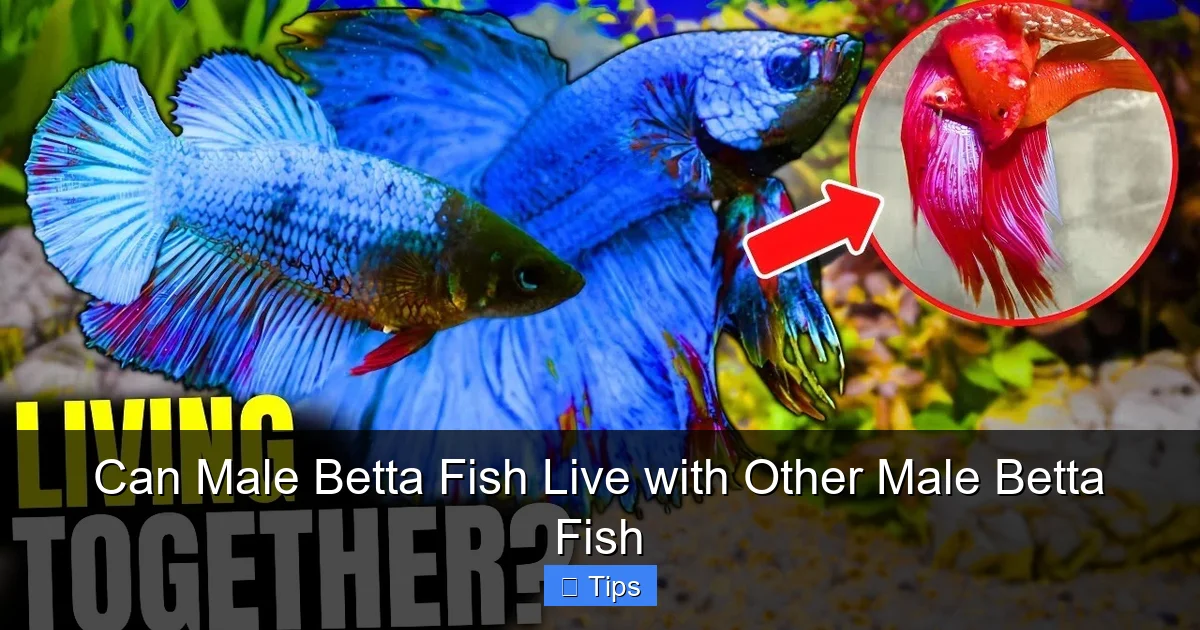
To understand why cohabitation is so dangerous, we must look at what drives a Betta’s behavior. Their aggression isn’t about being “mean”; it’s about survival instincts hardwired into their DNA. Three primary triggers govern their behavior:
Visual guide about Can Male Betta Fish Live with Other Male Betta Fish
Image source: i.ytimg.com
1. Territorial Instincts
In the shallow, slow-moving waters of their native Southeast Asia (rice paddies, streams), resources are limited. A male Betta will claim a specific patch of habitat—a clump of plants, a leaf, a piece of wood—as his exclusive domain. He will patrol this territory, flaring his gills and displaying to intruders. Another male entering this space is seen as a direct threat to his resources and his mating potential. This instinct does not disappear in a spacious aquarium; in fact, a larger tank can sometimes create more undefined borders, leading to more frequent border disputes.
2. Breeding Behavior
Male Bettas are bubble-nesters. They build a nest of bubbles at the water’s surface to attract a female and protect eggs. Any other male in the vicinity is perceived as a competitor trying to steal his nest or mate. This competitive drive is incredibly powerful and can spark instant, violent conflict, even if no female is present in the tank.
3. Individual Personality & “Flaring”
Like humans, Bettas have distinct personalities. Some are chronically aggressive, flaring at their own reflection. Others are more timid. However, a “mellow” Betta today can become a terror tomorrow due to a change in water parameters, the introduction of a new object, or simply reaching sexual maturity. Their primary communication is “flaring”—spreading their gills and fins to appear larger. This is a threat display. When two males flare at each other, it’s a standoff that almost always escalates to biting and fin-nipping. Fin-nipping is particularly dangerous, as it can lead to fatal infections like fin rot.
Tank Setup: Why a Bigger Tank Is Not the Solution
The most frequent follow-up question is: “What if I get a huge tank, like 100 gallons? Could they live then?” The logic seems sound: more space, more territories, less chance of encounter. In practice, this is a high-stakes gamble that usually fails. Here’s why tank design alone cannot overcome instinct.
Visual guide about Can Male Betta Fish Live with Other Male Betta Fish
Image source: aquariumsphere.com
The Illusion of Space
A Betta’s territory in the wild is small, but it’s a clearly defined, resource-rich patch. In a large, open aquarium, there are no natural borders. The entire water column becomes a contested zone. A Betta will still choose a preferred spot (often near the filter outflow or a specific plant) and defend it. The “no man’s land” between territories becomes a dangerous frontline where patrols and skirmishes occur. You are essentially creating multiple, overlapping territories in a single, undefended space.
The Need for Visual Barriers
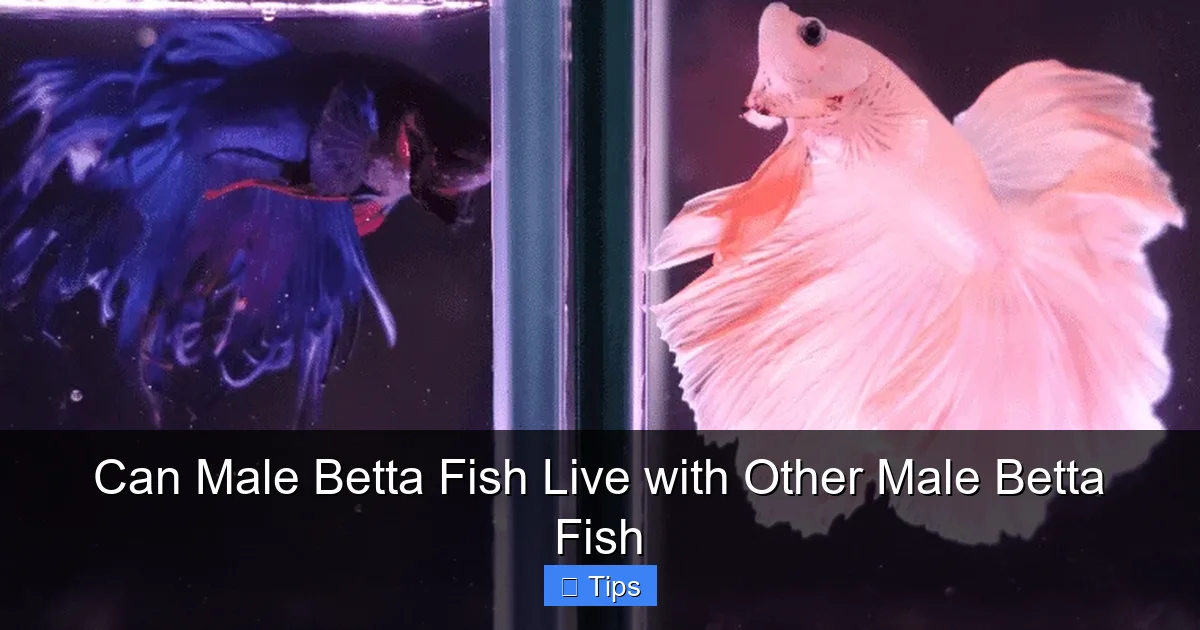
The only way to *attempt* housing multiple Bettas (even females) is to break line of sight. This means an aquascape so dense with plants, driftwood, and decorations that a Betta cannot see the entire length of the tank from any one point. You need multiple, distinct “rooms.” This requires an aquarium of at least 50-75 gallons for a sorority of 4-5 females. For males, the barrier requirement is even more extreme and still not recommended. Every hiding spot must have at least two entrances/exits to prevent a dominant fish from ambushing another in a dead-end.
Water Parameters & Stress
In a community tank with multiple Bettas, the dominant fish will often chase others from prime spots near the heater or filter. This causes chronic stress for the submissive fish. Stress suppresses the immune system, making them susceptible to disease. Monitoring water quality becomes exponentially more critical with more fish, and the bioload from multiple Bettas (and any tank mates) requires robust filtration and diligent maintenance.
The “Betta Sorority”: A High-Risk Female Group
While male-male cohabitation is virtually always a bad idea, the concept of a “Betta sorority”—a group of female Bettas living together—is a known, albeit advanced, practice in the hobby. It is crucial to understand that this is not a safer version of the male community. It is a different, equally risky endeavor with its own strict rules.

Visual guide about Can Male Betta Fish Live with Other Male Betta Fish
Image source: aquariumcircle.com
Why Females *Can* Sometimes Work
Female Bettas, while still capable of aggression, do not have the same intense territorial and breeding drives as males. In the wild, they have larger, overlapping home ranges. In an aquarium, a sorority can establish a loose pecking order with minimal violence if conditions are perfect. The key word is *if*.
The Non-Negotiable Rules for a Sorority
- Tank Size: Minimum 50 gallons, but 75+ is strongly recommended for 4-5 females.
- Aquascaping: Absolutely essential. The tank must be jungle-like. Use tall plants (Amazon swords, Vallisneria), floating plants (duckweed, frogbit) to break surface tension, and stacks of driftwood or rock caves. Every inch of the tank should offer a visual barrier and a hiding place.
- Introduction Order: All females should be added to the empty, fully set-up tank simultaneously. Adding a new Betta to an established sorority is a guaranteed death sentence for the newcomer.
- Size & Condition: All females should be of similar size and age. Never add a smaller, younger, or weaker-looking Betta.
- Constant Vigilance: You must watch for bullying. A dominant female may relentlessly chase one specific tankmate, causing it to hide constantly, lose weight, and develop torn fins. That fish must be removed immediately to a hospital tank.
Even with all this, a sorority can collapse overnight. A previously peaceful hierarchy can be disrupted by a new decoration, a change in lighting, or a fish simply reaching maturity. It is an advanced, experimental setup, not a recommended practice for beginners or even intermediate hobbyists seeking a “community” tank.
The “Betta Buddy” Myth: Tank Mates for a Single Male
This is where the conversation often gets confusing. The question is about male Betties living with *other male* Betties. A separate, valid question is: “Can a single male Betta live with other *species* of fish?” The answer is yes, with extreme caution and proper research. This is called keeping a Betta in a *community tank*, and it is a completely different scenario from housing multiple Bettas together.
A single, well-fed male Betta in a properly sized and planted tank (minimum 20 gallons for a community) can often coexist with certain peaceful, fast-moving, and non-flashy fish. Good candidates include:
- Small schooling fish: Neon tetras, ember tetras, harlequin rasboras (in groups of 6+). Their speed and group behavior help them avoid the Betta’s attention.
- Bottom dwellers: Kuhli loaches, small Corydoras catfish, Bristlenose plecos (avoid large plecos that may suck on the Betta’s slime coat). They occupy a different stratum of the tank.
- Invertebrates: Amano shrimp, ghost shrimp, cherry shrimp (though some Bettas will eat them), and nerite snails.
Critical Rules for Community Tanks with a Betta:
1. The Betta is always the last addition to the tank. He must be introduced to an established community, not the other way around.
2. The tank must be heavily planted and decorated to provide endless hiding spots for the other fish.
3. Never house a male Betta with fish that have long, flowing fins (like guppies or fancy goldfish) or bright colors (some male gouramis), as he will see them as rival males and attack.
4. Always have a Plan B: a separate, cycled hospital tank ready to rehome any fish that is being bullied or is bullying the Betta.
This setup is for the single Betta. It does not change the rule that two male Bettas cannot share a space.
What To Do If You Already Have Two Males Together
If you are reading this and currently have two male Bettas in the same tank, immediate action is required. You are running a dangerous experiment that will likely end in tragedy.
Step 1: Emergency Separation
The only safe course is to separate them immediately. You need two separate, fully cycled tanks (minimum 5 gallons each) with heaters and filters. If you do not have a second tank ready, you must acquire one today. Use a divider as a temporary measure only if you can set up two complete, filtered, heated systems on either side. A divider in a single tank does not prevent stress from seeing each other constantly and can fail.
Step 2: Assess for Injury
Once separated, examine both fish closely. Look for:
- Torn, shredded, or missing fins (fin-nipping).
- Missing scales or open wounds.
- Lethargy, clamped fins, loss of appetite (signs of stress or infection).
- Excessive hiding or inability to swim normally.
Any injured fish should be moved to a hospital tank with pristine, warm water and treated with a mild antiseptic like aquarium salt (unless contraindicated by species) or a fin rot treatment as a preventative.
Step 3: Never Attempt Re-Introduction
Do not try to “re-introduce” them later to see if they’ve “calmed down.” A single flare or chase can cause fatal injury. The memory of conflict is strong. Once separated, they must remain separate forever. Their welfare depends on it.
Conclusion: Prioritizing Welfare Over Aesthetics
The desire to create a beautiful, bustling aquarium is understandable. But the welfare of the animal must always come first. The male Betta fish, with its stunning colors and dramatic personality, is a solitary creature by necessity. Its aggression is not a flaw; it is a fundamental part of its biology, forged over generations. Attempting to house multiple males together is ignoring this reality and subjecting them to a life of chronic stress, injury, and premature death.
If you want to enjoy multiple Bettas, the only ethical path is to provide each male with his own kingdom: a properly sized, heated, filtered, and decorated tank where he can be the sole ruler. You can place these tanks near each other for your viewing pleasure, but there must be an opaque barrier between them so they cannot see one another. For those truly fascinated by Betta social behavior, extensive research into female sororities (with the understanding of the high failure rate and risk) or observing a single male in a carefully selected community tank are the only acceptable alternatives.
Being a responsible aquarist means making decisions based on science and ethics, not YouTube trends. By choosing separate tanks for your male Bettas, you guarantee their health, reduce stress to near zero, and allow their true, magnificent personalities to shine without the shadow of constant fear and conflict. That is the only way to honor these incredible, ancient fish.
Frequently Asked Questions
Can two male betta fish ever live together peacefully?
No. While extremely rare and temporary truces can occur in massive, heavily planted setups, permanent peaceful cohabitation between male Bettas is not a reliable or safe outcome. Their innate aggression makes it fundamentally unpredictable and dangerous.
What about keeping a male and female betta together?
This should only be done for controlled breeding, and even then, only for a very short, supervised period. A male will constantly harass a female to build a bubble nest and spawn, causing her extreme stress. For permanent housing, they must be separated.
Is a betta sorority (female group) easier than a male community?
It is a different challenge, not necessarily an easier one. Sorories require a much larger tank (50-75+ gallons), extremely dense planting, and flawless introduction protocols. They still carry a high risk of bullying and sudden aggression, and are not recommended for beginners.
What are the signs that my male bettas are fighting even if I can’t see them?
Look for signs of stress in one or both fish: clamped fins, lethargy, hiding constantly, loss of appetite, faded colors, torn or shredded fins, and missing scales. These indicate that flaring and chasing have occurred, likely when you weren’t watching.
Can I use a tank divider to keep two male bettas in the same large tank?
A solid, opaque divider in a cycled, filtered tank with equal space on both sides can work as a permanent housing solution, but it is not a true “community.” The fish must never see each other. Divisions must be secure to prevent jumping over or through. It is a compromise when space is limited, but two separate tanks are always superior.
What is the absolute minimum tank size for a single male betta?
The widely accepted minimum is 5 gallons. Smaller containers (like bowls or vases) do not provide stable water parameters, enough swimming space, or room for proper heating and filtration, leading to a shortened, stressed life. Bigger is always better for any fish.