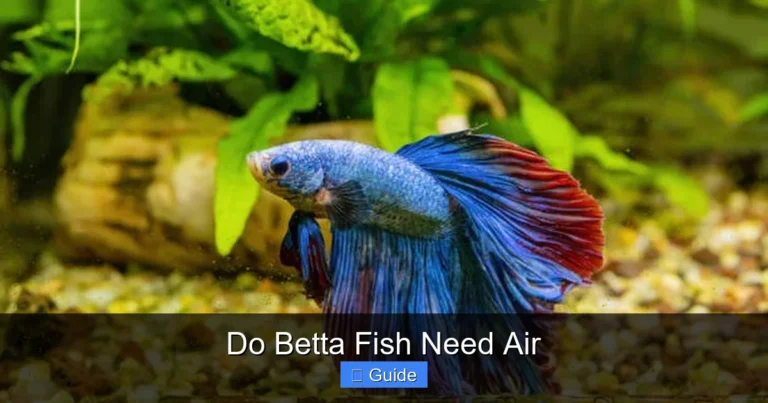
What Is a Betta Fish Lifespan
The average betta fish lifespan in captivity is 3 to 5 years, with many living into their 6th or 7th year with exceptional care. In the wild, their lifespan is typically shorter due to predation and environmental stressors. Key factors like water quality, tank size, diet, and genetics play the most significant role in determining how long your betta will thrive. By replicating their natural habitat and providing consistent, high-quality care, you can significantly increase your betta’s chances of a long, healthy life.
Key Takeaways
- Average Captivity Lifespan: A well-cared-for betta fish typically lives 3-5 years, with 2-3 years being the minimum expectation under good conditions.
- Wild vs. Captive Disparity: Wild bettas face predators, habitat loss, and disease, usually living only 1-2 years, making captive care a longevity advantage.
- Water Quality is Non-Negotiable: Poor water is the #1 cause of premature death. Stable parameters and regular water changes are critical for a long betta fish lifespan.
- Tank Size Matters: A 5-gallon minimum (10+ gallons ideal) is essential for health, stable water, and mental stimulation, directly impacting lifespan.
- Diet Directly Influences Longevity: A varied, high-quality diet prevents obesity and common diseases like swim bladder disorder, adding years to their life.
- Genetics Set the Baseline: A betta’s genetic blueprint from its breeder determines its potential lifespan and susceptibility to certain health issues.
- Stress is a Silent Killer: Chronic stress from poor tank mates, aggressive décor, or incorrect water parameters weakens their immune system and shortens life.
📑 Table of Contents
- Understanding the Betta Fish: More Than Just a Pretty Face
- Average Betta Fish Lifespan: Captivity vs. The Wild
- The Top 5 Factors That Directly Impact Your Betta’s Lifespan
- Common Health Issues That Shorten Betta Fish Lifespan
- A Practical Guide to Extending Your Betta’s Lifespan: The Daily & Weekly Routine
- Conclusion: Your Betta’s Lifespan is in Your Hands
Understanding the Betta Fish: More Than Just a Pretty Face
Before we dive into the specifics of how long a betta fish lives, it’s crucial to understand what a betta actually is. The betta splendens, commonly known as the Siamese fighting fish, is a small, vibrant freshwater fish native to the shallow rice paddies, slow-moving streams, and stagnant ponds of Southeast Asia—specifically Thailand, Cambodia, Vietnam, and Malaysia. Their famous aggression, particularly between males, is a survival trait from the wild, where they fiercely defend tiny territories. This history is the key to unlocking their betta fish lifespan. In the wild, they are adapted to warm, oxygen-poor water, possessing a unique labyrinth organ that allows them to breathe atmospheric air. This adaptation is a double-edged sword for captivity; while it makes them hardy in poor conditions, it does not mean they thrive in them. Many new owners mistake this hardiness for a need for minimal care, which is the single biggest misconception that drastically cuts their betta fish lifespan short. To truly help your betta live a long life, you must think like a betta—providing a warm, stable, enriched environment that mimics their natural world, not just a small vase on a windowsill.
The Myth of the “Disposable” Fish
For decades, bettas have been sold as low-maintenance “starter pets,” often displayed in tiny cups or bowls at pet stores. This practice has perpetuated the dangerous myth that they can live happily in minuscule, unheated, unfiltered containers. The reality is far different. A betta kept in such conditions is living a life of chronic stress, poor water quality, and physical discomfort. This constant state of duress suppresses their immune system, making them susceptible to a host of fatal diseases like fin rot, dropsy, and velvet. Their actual betta fish lifespan in these setups is often tragically short, sometimes less than a year. Recognizing that a betta is a sentient being with complex needs is the first and most important step toward responsible ownership and a long-term companion.
Average Betta Fish Lifespan: Captivity vs. The Wild
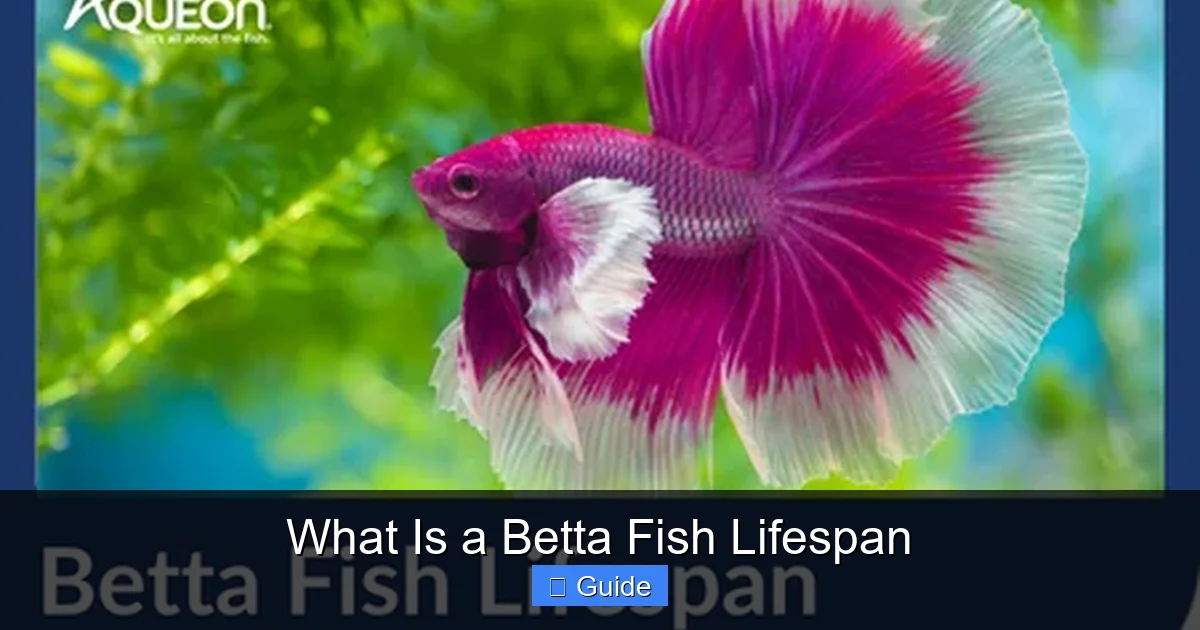
So, what is a betta fish lifespan when cared for correctly? Let’s break down the numbers. In a well-maintained aquarium, a betta’s life expectancy is generally between 3 and 5 years. However, this is an average. With exceptional care—optimal water parameters, perfect diet, pristine tank conditions, and a bit of genetic luck—many bettas live into their 6th or even 7th year. There are documented cases of bettas living 9-10 years, though these are remarkable exceptions that highlight the upper potential of the species under ideal circumstances.
Visual guide about What Is a Betta Fish Lifespan
Image source: aqueon.com
The stark contrast lies in the wild. A wild betta’s betta fish lifespan is a harsh reality. Facing constant threats from birds, snakes, larger fish, habitat alteration from agriculture and pollution, and the ever-present risk of disease, a wild betta is considered lucky to reach 1-2 years. Their entire existence is a fight for survival. This is a powerful perspective. When you bring a betta into your home, you are removing it from that gauntlet of natural predators and environmental volatility. You are now solely responsible for providing the conditions that allow it to not just survive, but to flourish for the majority of its natural life. The captive betta fish lifespan, therefore, is a direct reflection of the quality of care you provide.
Setting Realistic Expectations
As a prospective or current betta owner, it’s important to set realistic expectations. Do not expect your betta to live for a decade. Aim for the 3-5 year target, and celebrate every month beyond that as a testament to your good husbandry. Understand that bettas are considered “senior” around age 3-4. You may notice changes: slower movement, less frequent flaring, faded colors, and possibly the development of age-related issues like tumors or swim bladder problems. Adjusting their environment for easier access to food and maintaining impeccable water quality becomes even more critical during these golden years to ensure their twilight time is comfortable and healthy.
The Top 5 Factors That Directly Impact Your Betta’s Lifespan
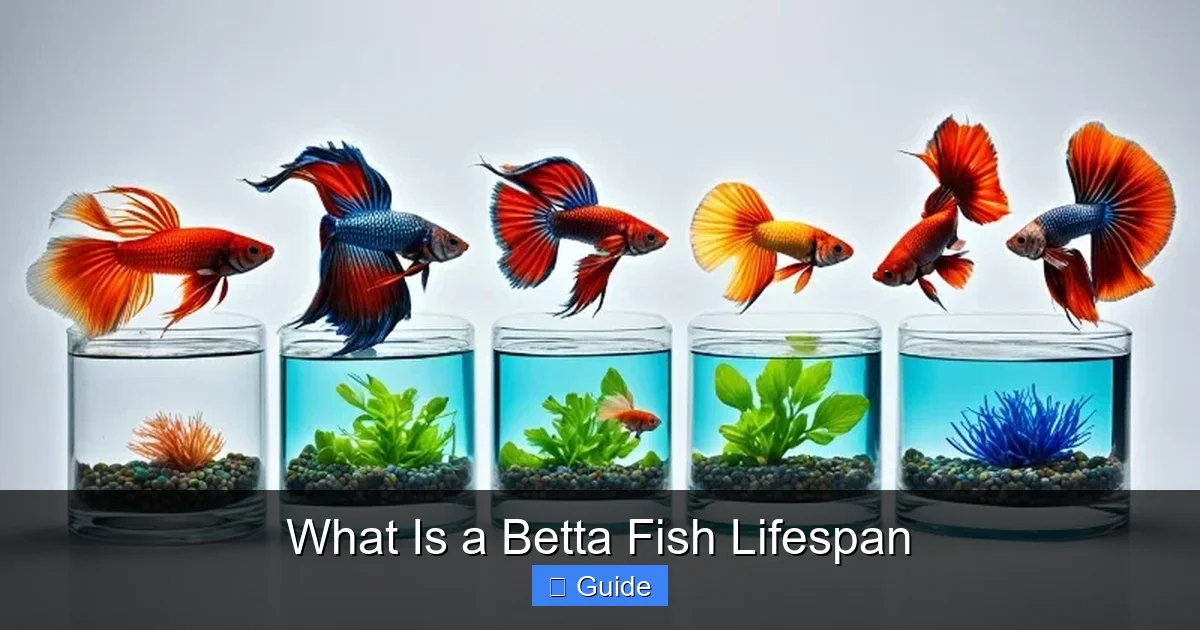
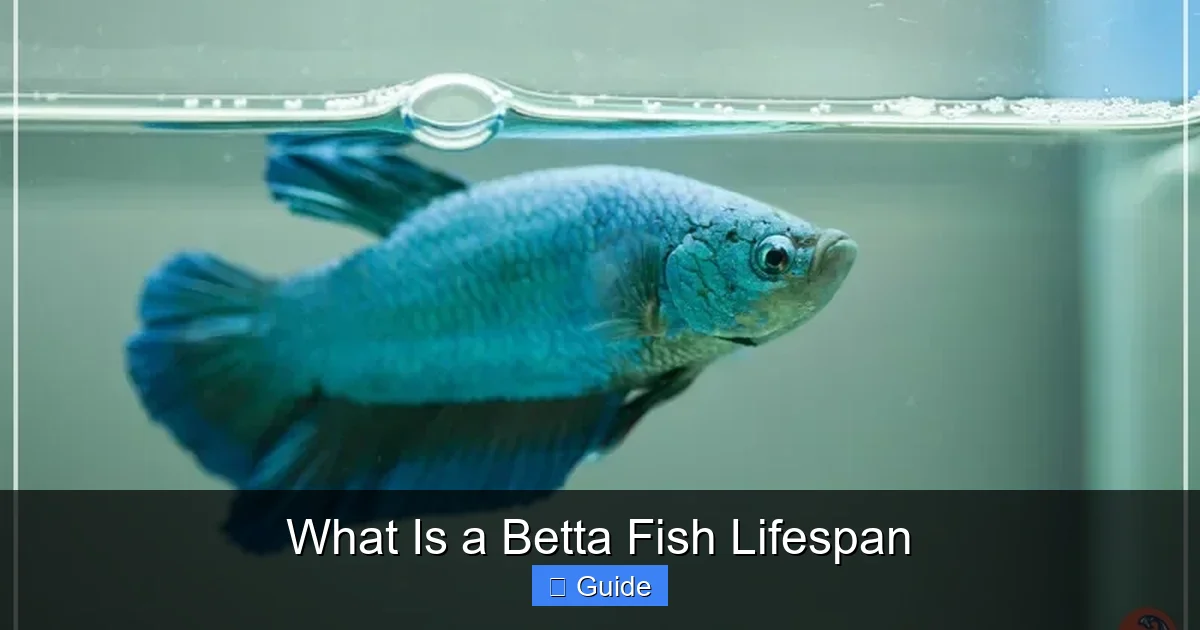
You now know the numbers. The critical question is: how do you move the needle from the 2-3 year mark to the 5-7 year mark? The betta fish lifespan is determined by a combination of factors, most of which are within your control. Think of these as the pillars of betta longevity.
Visual guide about What Is a Betta Fish Lifespan
Image source: aquariumnexus.com
1. Water Quality: The Foundation of Everything
This cannot be overstated. Clean, stable water is the single most important factor for a long betta fish lifespan. Bettas are sensitive to toxins like ammonia and nitrite, which are byproducts of fish waste and decaying food. In a small, uncycled bowl, these toxins can spike to lethal levels in hours. The solution is a properly cycled aquarium with a filter. The nitrogen cycle establishes beneficial bacteria that convert toxic ammonia into less harmful nitrate. For a betta tank, you should perform weekly water changes of 25-50%, using a dechlorinator to treat tap water. Test your water regularly with a liquid test kit (not strips) to monitor ammonia, nitrite, nitrate, and pH. Stable parameters are just as important as clean parameters; sudden swings in temperature or pH are extremely stressful.
2. Tank Size and Environment: Space to Thrive
The “minimum” is a 5-gallon tank, but the bigger, the better. A larger volume of water is more resistant to parameter swings, dilutes toxins, and provides more stable temperature. A 10-gallon tank is a fantastic, manageable size that gives your betta room to explore. But it’s not just about gallons. The environment must be enriched. Bettas are intelligent and curious. A bare tank is a sensory deprivation chamber. Provide soft, silk or live plants (like Anubias or Java Fern) for hiding and resting. Add smooth décor like ceramic caves or driftwood. Avoid sharp edges on plastic plants that can tear their delicate fins. A betta with places to explore, hide, and claim as its own will be less stressed, leading to a stronger immune system and a longer betta fish lifespan.
3. Diet and Nutrition: Fuel for a Long Life
Feeding your betta a proper diet is like giving a human a steady diet of junk food—it leads to obesity, constipation, and swim bladder disorder, which can be fatal. High-quality betta-specific pellets or granules should form the base of their diet (feed only what they can eat in 2-3 minutes, once or twice daily). Supplement this with occasional high-protein treats: frozen or live daphnia, brine shrimp, or bloodworms (these are treats, not staples). A varied diet ensures they get essential nutrients, vitamins, and fiber. Overfeeding is a common killer; it fouls the water and directly causes health issues. A lean, well-nourished betta is a resilient betta with a much-improved betta fish lifespan.
4. Genetics and Sourcing: You Can’t Change Your DNA
This is the one factor you have no control over once you bring the fish home, but it’s crucial to consider when acquiring a betta. Bettas from large-scale commercial breeders (often the ones in big box stores) may have been selectively bred for extreme finnage or color at the potential cost of genetic health. Inbreeding can lead to weakened immune systems, skeletal deformities, and a predisposition to certain cancers. Seeking out reputable local fish stores or dedicated online betta breeders who prioritize health and vigor over extreme show traits can give you a fish with a stronger genetic foundation for a longer betta fish lifespan. Look for active, alert fish with no signs of damage to fins or scales.
5. Stress Reduction: The Invisible Killer
Stress is the catalyst for almost every disease a betta can get. It suppresses the immune system, allowing opportunistic pathogens to take hold. Sources of stress are numerous: poor water quality (the top stressor), incorrect temperature (below 76°F or above 82°F), aggressive or incompatible tank mates, constant reflection from glass (bettas are territorial and will flare at their own reflection, exhausting themselves), loud vibrations near the tank, and a barren environment. To maximize betta fish lifespan, you must be a stress detective. Is your betta hiding constantly? Is he lethargic? Is he frantically flaring at his reflection? Address the root cause immediately. A calm, secure betta is a healthy betta.
Common Health Issues That Shorten Betta Fish Lifespan
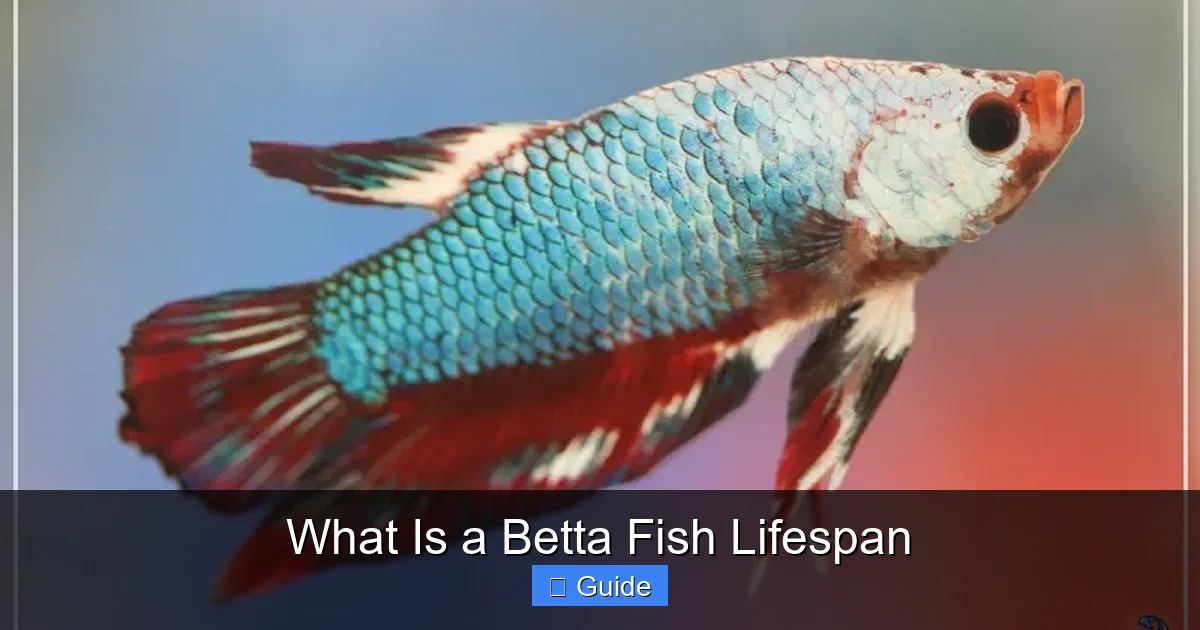
Even with the best care, bettas can fall ill. Knowing the common ailments and their signs allows for early intervention, which can be the difference between life and death. Many of these diseases are directly linked to the failure to manage the five factors above.
Visual guide about What Is a Betta Fish Lifespan
Image source: aquariumnexus.com
Fin Rot and Tail Biting
Fin rot is a bacterial or fungal infection that causes the fins to disintegrate, appearing ragged, white, or black at the edges. It’s almost always a symptom of poor water quality or chronic stress. Treatment involves pristine water, frequent water changes, and sometimes medication like Methylene Blue or aquarium salt (used cautiously, as bettas are sensitive). Tail biting is a behavioral issue where a stressed betta bites off its own fins. This can be caused by boredom, stress from reflection, or discomfort from tank décor. The solution is an enriched, larger tank with no reflective surfaces and more hiding spots to occupy their mind.
Swim Bladder Disorder (SBD)
This is not a disease itself but a symptom of a problem with the swim bladder, an organ that helps the fish control buoyancy. A betta with SBD may float uncontrollably, sink and struggle to rise, or swim sideways or upside down. The primary causes are overfeeding (constipation) and poor diet. Fast for 2-3 days, then feed a small, skinned pea (cooked and deshelled) to relieve constipation. If it persists, it could be due to a bacterial infection, genetic defect, or internal parasite, requiring more advanced treatment.
Velvet, Ich, and Other Parasites
Velvet (Oodinium) appears as a fine gold or rust dust on the fish’s body, causing scratching against objects. Ich (Ichthyophthirius) presents as distinct white salt-like spots. Both are highly contagious and thrive in poor water conditions or when a fish is stressed. Treatment requires raising the water temperature slightly (to 82-84°F) and using copper-based or herbal parasite medications. Prevention through quarantine of new fish and maintaining excellent water quality is always the best medicine for a long betta fish lifespan.
Dropsy
This is a serious, often fatal condition characterized by severe swelling of the body (edema) and raised, pinecone-like scales. It is usually a symptom of a severe internal bacterial infection or organ failure, often resulting from long-term poor water quality and a compromised immune system. Treatment is difficult and has a low success rate, involving aggressive antibiotic treatment in a hospital tank. The best approach is rigorous prevention through clean water and a stress-free environment.
A Practical Guide to Extending Your Betta’s Lifespan: The Daily & Weekly Routine
Knowledge is power, but action is everything. Let’s translate the theory into a simple, actionable routine that will directly add years to your betta’s betta fish lifespan. Consistency is the secret sauce.
The Daily Checklist (5 Minutes)
- Observe: Spend 30 seconds just watching your betta. Is it active? Are its fins intact? Is it eating? Is it breathing normally (gills moving steadily)? Any change in behavior is the earliest warning sign.
- Feed: Offer a small pinch of high-quality pellets. Remove any uneaten food after 3 minutes with a siphon or turkey baster to prevent water fouling.
- Check Equipment: Ensure the filter is running smoothly and the heater is maintaining the correct temperature (78-80°F is ideal). Use a separate aquarium thermometer to verify heater accuracy.
The Weekly Checklist (30 Minutes)
- Water Test: Use your liquid test kit to check ammonia, nitrite, nitrate, and pH. Ammonia and nitrite should always be 0. Nitrate should be below 20 ppm. If parameters are off, investigate the cause (overfeeding? filter issue?) and perform an extra water change.
- Water Change: This is the cornerstone of care. Using a gravel vacuum, siphon out 25-50% of the tank water into a bucket. Gently vacuum the substrate to remove debris. Refill slowly with temperature-matched, dechlorinated water. Do not clean filter media in tap water; rinse it in the old tank water you just removed to preserve beneficial bacteria.
- Inspect & Prune: Check plants for dead leaves. Check décor for sharp edges. Trim any damaged fin edges with sterilized scissors if necessary (only if you are confident).
The Monthly/Quarterly Checklist
- Deep Clean: Once a month, clean the glass with an algae pad (magnetic cleaners are great). Once every few months, you can rinse filter media more thoroughly in old tank water, but never replace all media at once.
- Equipment Check: Test your heater and filter for proper function. Consider replacing filter cartridges or media as recommended by the manufacturer.
- Review Diet: Ensure you are offering variety. Consider a fast day once a week to aid digestion.
Conclusion: Your Betta’s Lifespan is in Your Hands
So, what is a betta fish lifespan? The scientific answer is 2-5 years on average. The practical, empowering answer is: it’s up to you. By moving beyond the outdated myth of the “easy” betta in a bowl and embracing the role of a dedicated aquatic caretaker, you hold the power to dramatically extend that timeline. You are providing not just a home, but a sanctuary. You are trading a life of silent suffering for one of vibrant activity, with flaring fins and curious explorations. The investment of a slightly larger tank, a heater, a filter, and a few minutes of weekly maintenance pays back in spades—in the form of a thriving, beautiful companion that greets you every day for years to come. Remember, a long betta fish lifespan is not an accident. It is the direct result of informed, consistent, and compassionate care. Your betta’s clock starts the day you bring it home. Make every tick count.
Frequently Asked Questions
What is the average betta fish lifespan in the wild?
In the wild, a betta’s lifespan is typically only 1-2 years due to threats from predators, habitat loss, pollution, and disease. Their natural environment is a constant struggle for survival, which starkly contrasts with the potential for a longer, safer life in a well-maintained home aquarium.
How can I tell if my betta is getting old?
Signs of aging in bettas include decreased activity (spending more time resting), faded colors, slower movements, less frequent flaring, and possible development of benign growths or tumors. They may also become less interested in food. Adjust their environment for easier access to food and maintain impeccable water quality during their senior years.
What is the ideal tank size for a long betta fish lifespan?
The absolute minimum is a 5-gallon tank, but a 10-gallon or larger is highly recommended. A larger tank provides more stable water conditions, dilutes toxins, allows for better heating and filtration, and offers crucial space for enrichment and exercise, all of which directly contribute to a longer, healthier life.
How often should I change my betta’s water?
For a properly cycled tank of 5 gallons or more, perform a weekly water change of 25-50%. Use a gravel vacuum to remove debris from the substrate. Always treat new water with a dechlorinator and match its temperature to the tank water. Never change 100% of the water at once, as this destroys the beneficial bacteria cycle.
What water temperature is best for a long betta fish lifespan?
The ideal temperature range for a betta is 78-80°F (25.5-26.5°C). A stable temperature within this range is crucial for their metabolism and immune function. An aquarium heater is non-negotiable in most climates. Use a separate thermometer to monitor the actual temperature, as heater dials can be inaccurate.
Can I keep other fish with my betta to improve its lifespan?
It depends. A solitary betta in a species-only tank is often the safest and least stressful option. If you choose tank mates, they must be peaceful, fast-swimming, and not resemble other bettas (no long, flowing fins). Good candidates include small schooling fish like neon tetras (in a 10+ gallon) or kuhli loaches. Always research compatibility thoroughly and have a backup plan, as a stressed betta from incompatible tank mates will have a shortened lifespan.