How to Train Betta Fish

Training your betta fish is easier than you think. With patience, consistency, and the right approach, you can teach your betta to do tricks, follow your finger, and even eat from your hand. This guide covers everything you need to know about how to train betta fish, from basic bonding to advanced tricks.
Key Takeaways
- Betta fish are smarter than most people think: They can learn tricks, recognize their owners, and respond to cues.
- Start with bonding: Build trust through hand feeding and consistent interaction before moving to tricks.
- Use positive reinforcement: Food rewards and gentle encouragement work best for betta fish training.
- Keep sessions short and fun: Training should last only 5-10 minutes to avoid stressing your fish.
- Be patient and consistent: Results take time, but every betta can learn with the right approach.
- Avoid common mistakes: Never force training, overfeed, or skip regular care routines.
📑 Table of Contents
How to Train Betta Fish: A Complete Guide for Beginners
Many people think betta fish are just pretty creatures that swim around lazily. But the truth is, betta fish intelligence goes far beyond what most owners realize. These colorful little fish can learn tricks, recognize their humans, and even respond to simple commands. If you have ever wondered how to train betta fish, you are in the right place.
Training your betta is not about making them perform like a circus act. It is about building a deeper connection with your pet. When you teach your betta fish to do tricks, you also stimulate their mind and improve their overall well-being. A trained betta is a happier, healthier betta.
In this guide, we will walk you through every step of the process. From the very first bonding moment to advanced tricks, we have you covered. You will learn the best techniques, common mistakes to avoid, and tips that actually work. Let us dive in and discover the fun world of betta fish training together.
Understanding Betta Fish Behavior
Before you start any training, it helps to understand how betta fish think and behave. Bettas are curious creatures. They explore their surroundings, watch movement closely, and react to changes in their environment. This natural curiosity is what makes training possible.
Are Betta Fish Smart Enough to Learn?
Yes, absolutely. Betta fish have small brains, but they are capable of learning. They can remember patterns, associate certain actions with outcomes, and even recognize their owner over time. Studies on betta fish behavior show that these fish respond well to routine and repetition.
Here are some signs your betta is already thinking:
- They watch you when you approach the tank.
- They swim to the front when it is feeding time.
- They react to your voice or movements outside the tank.
- They follow your finger along the glass.
These behaviors show that your betta is paying attention. That is the foundation of any successful fish training techniques journey.
What Motivates a Betta Fish?
Food is the biggest motivator for most bettas. They are naturally hungry fish and will work for a good treat. But beyond food, bettas also respond to curiosity and stimulation. A colorful target or a moving finger can capture their attention quickly.
The key is to use positive reinforcement. This means rewarding your betta every time they do something right. Never punish or scare your fish during training. That will only destroy trust and make training impossible.
Building Trust With Your Betta Fish
Trust comes first. You cannot expect your betta to learn tricks if they are scared of you. The bonding phase is the most important step in how to train betta fish. Without trust, everything else falls apart.
Step 1: Spend Time Near the Tank
Start by sitting near your betta’s tank for a few minutes each day. Let them get used to your presence. Talk softly or move your hand gently near the glass. Do not tap or make sudden movements.
Within a week or two, your betta will start noticing you. They may swim closer or watch you more closely. This is a great sign that betta fish bonding is working.
Step 2: Start Hand Feeding
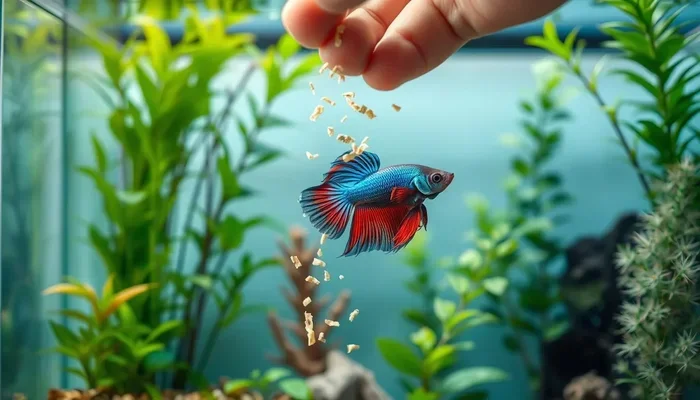
Hand feeding is one of the best ways to build trust. Start by dropping food near your hand in the water. Let your betta eat while your hand is there. Over time, move your hand closer to the fish.
Eventually, your betta may eat directly from your fingers. This is a huge milestone. It shows your fish trusts you completely. Hand feeding betta fish also makes the next training steps much easier.
Quick Tip: Use small amounts of their favorite food. You do not want to overfeed during training sessions. A few pellets or a tiny piece of bloodworm is enough.
Basic Training Techniques for Betta Fish
Now that your betta trusts you, it is time to start actual training. Keep these sessions short, fun, and consistent. Training should never feel like a chore for either you or your fish.
Technique 1: Target Training
Target training is the foundation of many betta tricks. You need a small object like a colored stick or a pencil tip. Hold it in the water and wait for your betta to notice it.
When your betta touches the target with their nose, immediately reward them with food. Repeat this several times in a short session. Over days, your betta will learn to follow the target wherever you move it.
This technique works because it uses betta fish food rewards to create a clear cause-and-effect connection. Your fish starts to understand that touching the target leads to a treat.
Technique 2: Follow the Finger
This is one of the most popular tricks for betta owners. Simply place your finger on the outside of the tank and move it slowly. Your betta will likely follow the movement with their eyes and body.
Reward your betta with a small food treat when they follow your finger. With consistent practice, your fish will follow your finger on command. It is a simple trick, but it always impresses visitors.
Technique 3: Swim Through a Hoop
Once your betta masters following a target, you can try a hoop trick. Use a small hoop made from soft wire or a pipe cleaner. Hold it in the water and guide your betta through it using the target technique.
Reward them immediately when they pass through. Start with the hoop near the surface and gradually lower it deeper over time. This trick takes more patience but is incredibly rewarding when your betta nails it.
How to Make Training Stick
Consistency is everything when you are working on how to train betta fish. A single session will not produce results. You need a regular routine that your betta can rely on.
Create a Training Schedule
Set aside the same time each day for training. Morning sessions often work best because bettas are most active after eating. Keep each session to just 5-10 minutes. Longer sessions can stress your fish and reduce their willingness to participate.
Here is a simple weekly training plan:
- Monday: Hand feeding and bonding (5 minutes).
- Tuesday: Target training (5-10 minutes).
- Wednesday: Rest day. Let your betta relax.
- Thursday: Follow the finger (5 minutes).
- Friday: Target training (5-10 minutes).
- Saturday: Hand feeding and free play (5 minutes).
- Sunday: Rest day.
This schedule balances training with rest. It also keeps things fun for both you and your fish. Remember, consistent training routine is the secret to progress.
Use the Right Rewards
Not all food rewards are equal. Use your betta’s absolute favorite treat for training. Live or frozen bloodworms, brine shrimp, or high-quality pellets work great. Save these special treats only for training sessions so they stay exciting.
Over time, you can reduce the food rewards and replace them with verbal praise or a gentle tap on the glass. But in the beginning, food rewards are essential for building the behavior you want.
Common Mistakes to Avoid
Training betta fish is straightforward, but there are some pitfalls that trip up many owners. Knowing what to avoid will save you time and frustration.
Mistake 1: Training Sessions That Are Too Long
Betta fish have short attention spans. If you train for more than 10-15 minutes, your fish will get bored or stressed. Keep it short and sweet. A few focused minutes are worth more than a long, dragged-out session.
Mistake 2: Overfeeding During Training
It is easy to give too many treats during training. But overfeeding leads to health problems like bloating and swim bladder issues. Always measure out your betta’s daily food and use only a small portion for training rewards.
Mistake 3: Skipping Regular Tank Maintenance
A stressed or sick betta cannot learn. If your water quality is poor, your fish will be too busy surviving to focus on training. Make sure you are keeping up with regular water changes and tank cleaning. You can learn more about how to properly take care of betta fish to ensure their environment stays healthy.
Mistake 4: Moving Too Fast
Some owners try to teach advanced tricks before the basics are solid. Do not rush. Let your betta master each step before moving on. If they seem confused or stressed, go back to the previous step and practice more.
Advanced Tricks and Enrichment
Once your betta has mastered the basics, you can try more advanced activities. These not only entertain but also provide mental stimulation that keeps your fish healthy and active.
Teach Your Betta to Jump
Some bettas can be trained to jump up to the surface for food. Hold a pellet just above the water line and wait. Your betta may eventually jump up to grab it. Always be gentle and never force this behavior.
Play Games With Your Betta
Betta fish enjoy interactive play. You can dangle a small feather or a soft object near the water surface and watch your betta investigate. Some owners even use small mirrors briefly to encourage their betta to display and flare. Just keep mirror sessions very short to avoid stress.
For more ideas on fun activities, check out our guide on how to play games with your betta fish. It is a great way to add variety to your training routine.
Make Your Betta Stronger Through Training
Training is not just about tricks. It also strengthens your betta physically and mentally. Active training sessions encourage movement and engagement. A stimulated betta fish is a stronger, more vibrant fish. If you want to boost your betta’s overall health, consider learning how to make your betta fish stronger through daily interaction and exercise.
Expert Insights on Betta Fish Training
Experienced betta owners and aquatic specialists agree on a few key principles. First, every betta is different. Some fish learn quickly, while others take more time. Do not compare your fish to others. Focus on your individual betta’s progress.
Second, water quality affects training performance. A betta living in clean, warm water with proper parameters will always be more responsive and energetic. If you are struggling with training, check your water conditions first. Warm water is especially important for betta activity levels.
Finally, enjoy the process. Training should be a fun experience for both you and your fish. Do not get frustrated if progress is slow. The bond you build along the way is the real reward.
Conclusion
How to train betta fish does not require special equipment or years of experience. All you need is patience, consistency, and a willingness to bond with your fish. Start with trust-building, move to basic tricks, and gradually work your way up to more advanced activities.
Remember that every betta learns at their own pace. Celebrate small wins and keep training sessions positive. The skills your betta learns will not only impress your friends but also improve your fish’s quality of life. A well-trained betta is a confident, engaged, and happy fish.
So grab some treats, sit by your tank, and start today. You might be surprised at just how smart your little betta really is. The journey of betta fish training is one of the most rewarding parts of fish ownership.
Frequently Asked Questions
Can all betta fish be trained?
Yes, most betta fish can be trained to some degree. However, each fish has its own personality. Some may learn tricks quickly while others take more time. Patience and consistency make a big difference.
How long does it take to train a betta fish?
Basic tricks like following your finger can be learned in one to two weeks. More advanced tricks like swimming through hoops may take a month or longer. It depends on the individual fish and how often you practice.
What is the best food to use as a training reward?
Live or frozen bloodworms, brine shrimp, and high-quality pellets work best as training rewards. Use only small amounts to avoid overfeeding. Reserve these special treats for training sessions to keep your betta motivated.
Should I train my betta fish every day?
Daily short sessions of 5-10 minutes are ideal. However, include rest days in your schedule. Overtraining can stress your fish and reduce their interest in learning. A balanced routine works best.
Can I train my betta fish to recognize me?
Yes, betta fish can learn to recognize their owner over time. Regular interaction, hand feeding, and consistent presence near the tank help your betta associate you with positive experiences. Many owners report their bettas swimming to the front when they approach.
Is training stressful for betta fish?
Training should never be stressful. Keep sessions short, use gentle methods, and always end on a positive note. If your betta shows signs of stress like hiding or clamped fins, take a break and focus on bonding instead.