Can You Have Other Fish with a Betta
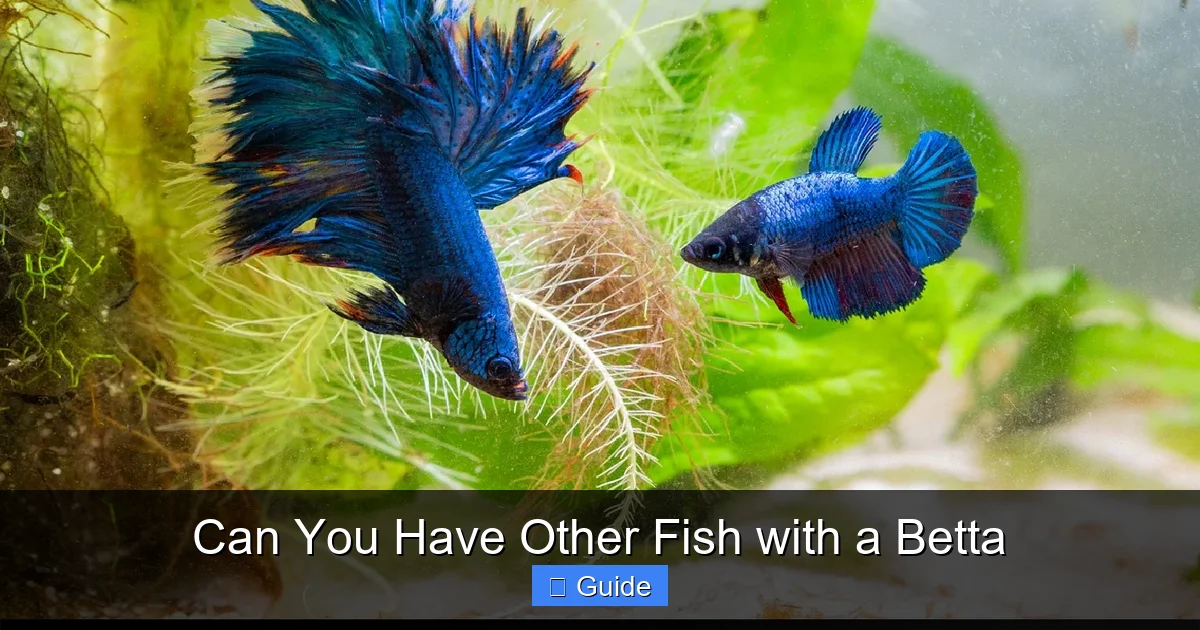
Yes, you can sometimes keep other fish with a Betta, but it requires careful planning. Success depends entirely on your individual Betta’s temperament, a sufficiently large tank (minimum 20 gallons), and choosing the right, non-aggressive, fast-moving tank mates with similar water needs. It is not a guaranteed outcome, and a backup plan is always essential. Female Bettas often have more options, including peaceful sororities.
Key Takeaways
- Tank Size is Non-Negotiable: A minimum of 20 gallons is strongly recommended to provide enough space for a Betta and tank mates to establish territories and avoid constant conflict.
- Your Betta’s Personality is Everything: Some Bettas are peaceful community fish, while others are intensely aggressive. You must observe your individual fish’s behavior before and after introducing any companion.
- Choose Calm, Fast, and Non-Flashy Tank Mates: Target species like small rasboras, corydoras catfish, and certain tetras that are active, schooling, and lack long, flowing fins that might trigger a Betta’s aggression.
- Avoid Common Disasters: Never house Bettas with other long-finned fish (like guppies), fin-nippers (like tiger barbs), or large, potentially predatory fish. These combinations lead to stress, injury, or death.
- Female Bettas Offer More Options: A well-planned sorority of 4-6 female Bettas in a heavily planted, spacious tank can be successful. They can also often share tanks with many of the same peaceful community species as males.
- Always Have a Backup Plan: Before adding any fish, ensure you have a separate hospital tank or a way to return a problematic tank mate. Be prepared to separate your Betta if aggression occurs.
- The Cycle Comes First: The tank must be fully cycled and stable for at least several weeks before introducing any fish. A stable, healthy environment is the foundation for any potential peace.
📑 Table of Contents
- The Siamese Fighting Fish: More Than Just a Solo Artist?
- Understanding the Betta Mind: Instinct vs. Personality
- The Non-Negotiable Foundation: Tank Size and Setup
- The Ideal Tank Mates: Who Makes the List?
- The “No-Fly” List: Fish to Avoid at All Costs
- The Female Factor: Sororities and Community Tanks
- The Step-by-Step: How to Introduce Tank Mates Safely
- Conclusion: Patience, Observation, and Realistic Expectations
The Siamese Fighting Fish: More Than Just a Solo Artist?
You’ve probably heard it a hundred times: “Bettas are loners.” “Betta fish must be kept alone.” These warnings aren’t wrong, but they aren’t the whole story either. The iconic Betta splendens, with its flowing fins and fiery reputation, has been unfairly labeled as a hermit. The truth is, the question can you have other fish with a betta doesn’t have a simple yes or no answer. It’s a question of conditions, compatibility, and, most importantly, the unique personality of your specific Betta.
This guide will dive deep into the realities of creating a Betta community tank. We’ll move beyond the myths and give you a practical, step-by-step framework to determine if your Betta can have friends, and if so, who those friends should be. Think of it not as a rulebook, but as a negotiation strategy for a peaceful underwater neighborhood.
Understanding the Betta Mind: Instinct vs. Personality
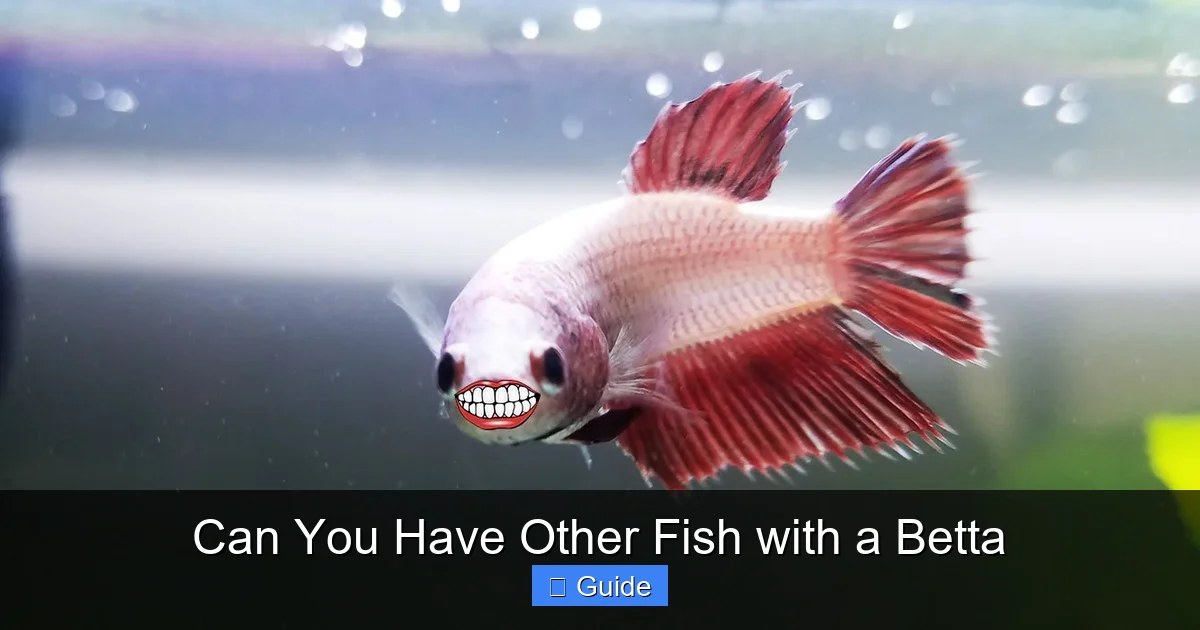
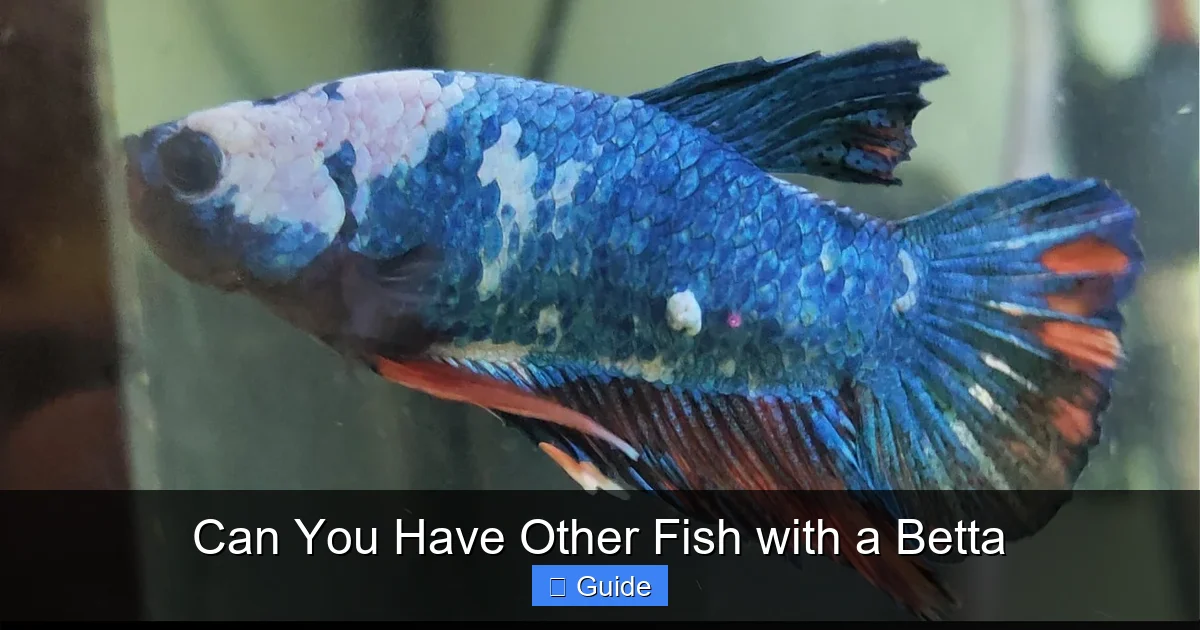
To solve the can you have other fish with a betta puzzle, we must first understand the “why” behind the aggression. Bettas were selectively bred for centuries for their fighting spirit, particularly in their native Thailand. This means they retain strong territorial instincts, especially towards other male Bettas and fish that resemble them—think long fins, bright colors, and similar body shapes. A Betta flare, where they puff out their gills and spread their fins, is a display of dominance meant to intimidate an intruder. In a tiny cup, there’s nowhere for a perceived rival to go, leading to constant stress and inevitable conflict.
Visual guide about Can You Have Other Fish with a Betta
Image source: bettafish.org
The Spectrum of Temperament
Here’s the crucial nuance: not all Bettas are created equal. Just like people, they have distinct personalities. You can have a Betta that flares at its own reflection for hours (a sign of high aggression/territoriality) and another that seems utterly indifferent. Some are curious and outgoing; others are shy and reclusive. This individual variability is the single biggest factor in determining community tank success. Your job is to become a Betta behavior detective before you even consider adding a single other fish.
The Non-Negotiable Foundation: Tank Size and Setup
If you’re asking can you have other fish with a betta, the first and most critical answer is: only if you have a properly sized and decorated tank. A 5-gallon tank is the absolute minimum for a *solo* Betta to thrive. For community housing, you must significantly increase that baseline.
Visual guide about Can You Have Other Fish with a Betta
Image source: buildyouraquarium.com
The 20-Gallon Gold Standard
We strongly recommend a minimum of 20 gallons (long or breeder tank dimensions are ideal). Why so big? Space is the ultimate stress reducer. In a larger volume:
- Territories can form: Your Betta can claim a general area (like a plant or a log) without having to defend every inch of the water column from an intruder.
- Escape routes exist: Other fish can easily swim away if a Betta gives a chase. In a small tank, there is no “away.”
- Water parameters are stable: More water dilutes waste and makes maintaining pristine water quality easier, which is vital for all fish involved.
- Visual barriers are possible: You can use plants, driftwood, and rocks to break lines of sight, preventing your Betta from seeing a potential “rival” at all times.
The Art of Aquascaping for Peace
A can you have other fish with a betta tank must be heavily planted and structured. Live plants are fantastic, but high-quality silk plants work wonderfully too. The goal is to create a complex, three-dimensional jungle. Use floating plants like water lettuce or frogbit to diffuse light and create a canopy at the surface—this is where Bettas often patrol, so dappled light can calm them. Tall, leafy plants like Amazon swords or Java fern provide mid-level cover. On the bottom, use smooth, flat rocks, pieces of driftwood (like Mopani or Malaysian), and clay pots (with holes plugged) to create caves and hiding spots for bottom-dwellers. This isn’t just decoration; it’s essential architecture for reducing tension.
The Ideal Tank Mates: Who Makes the List?
Now for the fun part. If your tank meets the size and setup criteria, you can start researching compatible species. The perfect Betta tank mate has a specific profile: fast-moving, peaceful, schooling/group-oriented, and lacking long, flowing fins or bright, flashy colors that might be mistaken for another Betta.
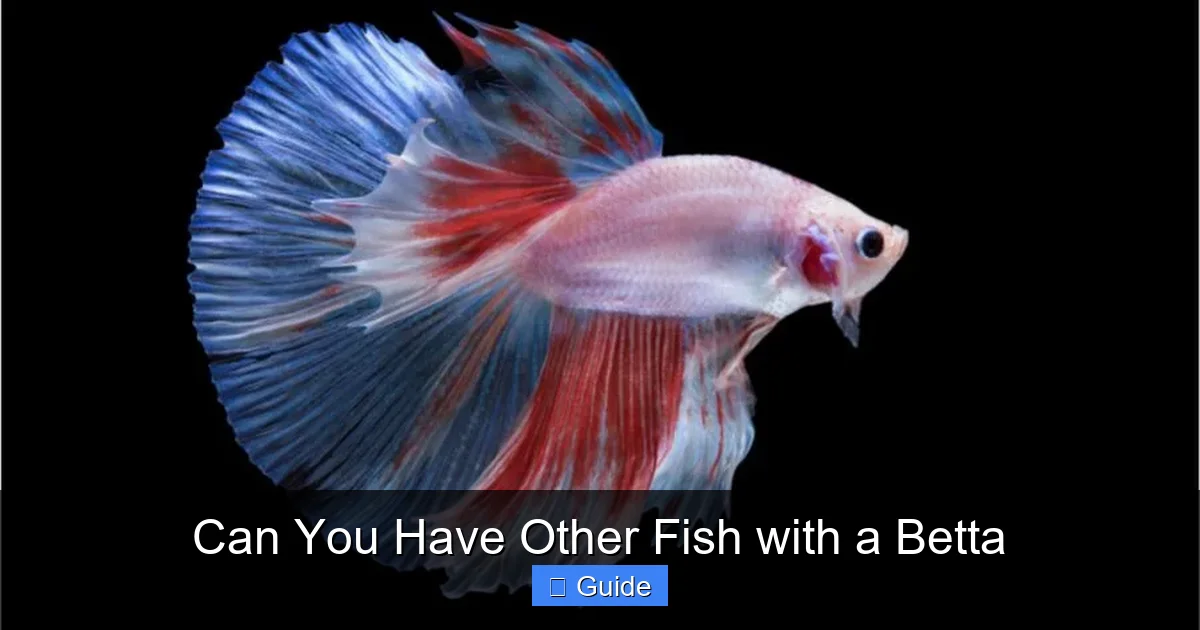
Visual guide about Can You Have Other Fish with a Betta
Image source: acaquarium.com
Top-Tier Candidates (The Safest Bets)
1. Corydoras Catfish (“Cories”): These are arguably the best tank mates for a Betta. They are utterly peaceful bottom-feeders that spend their days sifting through sand for food in small groups (6+ is ideal). They have armored plates, so even a nipping Betta can’t hurt them. Their whiskered faces and comical antics add great activity to the bottom of the tank. Popular species include the Bronze Cory (Corydoras aeneus) and the Pygmy Cory (Corydoras pygmaeus).
2. Small Rasboras (Especially the “Schooling” Types): Species like the Harlequin Rasbora (Trigonostigma heteromorpha) or the Chili Rasbora (Boraras brigittae) are excellent. They are tiny (under 2 inches), incredibly active, and thrive in schools of 8-10+. Their quick, darting movements are in a different league from a Betta’s slower, more deliberate patrolling. They prefer the same soft, acidic water as Bettas.
3. Small, Peaceful Tetras: Not all tetras are suitable. Avoid the larger, more boisterous ones. Focus on the smaller, quieter species like the Neon Tetra (Paracheirodon innesi), Cardinal Tetra (Paracheirodon axelrodi), or Ember Tetra (Hyphessobrycon amandae). Like rasboras, they must be kept in proper schools (6+) to feel secure and display natural behavior, which also makes them less likely to be singled out by a Betta.
Good Possibilities (With Caveats)
1. Kuhli Loaches: These fascinating, eel-like loaches are excellent bottom-dwellers that are nocturnal and incredibly peaceful. They need a soft, sandy substrate to burrow in and should be kept in small groups. Their unusual shape and behavior mean they are rarely seen as a threat.
2. Bristlenose Plecos (Ancistrus sp.): A single small Bristlenose Pleco can work. They are algae-eaters that are generally not aggressive and have a bony armor. The key is to get a small, young specimen and ensure you have plenty of driftwood for it to rasp on. They can produce a lot of waste, so robust filtration is needed.
3. Snails: Apple snails, Nerite snails, and Ramshorn snails are generally safe, Betta-proof companions. They are slow-moving and have hard shells. A Betta might investigate one, but it won’t see it as competition. Snails are great for algae cleanup.
4. Shrimp: This is a high-risk, high-reward category. Large, fast-breeding shrimp like Amano shrimp (Caridina multidentata) often survive. Cherry shrimp (Neocaridina davidi) are colorful and may be seen as food. A very peaceful Betta might coexist with a large colony, but many Bettas will view shrimp as tasty snacks. Only attempt this with a proven, calm Betta and provide immense plant cover.
The “No-Fly” List: Fish to Avoid at All Costs
Just as important as knowing who to add is knowing who to never add. These combinations are recipes for disaster when considering can you have other fish with a betta.
- Other Male Bettas: This is the cardinal rule. Two male Bettas in the same tank will fight to the death. Period. The only exception is a carefully planned, massively planted, 50+ gallon “betta sorority” for *females*, which we will discuss separately.
- Guppies, Endlers, and Other Long-Finned Fish: A Betta will see the flowing, colorful fins of a male guppy as a direct challenge from another male Betta. It will relentlessly harass and likely nip the guppy to pieces. The same goes for fancy goldfish, Siamese fighting fish of other color types, etc.
- Fin-Nippers: Tiger Barbs, Serpae Tetras, and some types of Danios have a reputation for nipping the long, flowing fins of Bettas. This causes immense stress, opens the door to infection, and ruins your Betta’s beautiful fins.
- Large or Aggressive Fish: Anything that can fit a Betta in its mouth is a predator. This includes many larger cichlids, some gouramis, and even large angelfish. Conversely, fish that are known to be territorial bullies (like some dwarf cichlids) may harass your Betta relentlessly.
- Very Small, Delicate Fish: Tiny fish like neon tetras can sometimes be seen as *food* by a particularly hungry or aggressive Betta, not as competition. While a school can scatter, a Betta may eventually pick one off.
The Female Factor: Sororities and Community Tanks
When discussing can you have other fish with a betta, we must separate the conversation for males and females. Female Bettas (Betta splendens) are often, but not always, less aggressively territorial than males. This opens up two distinct possibilities.
Female Betta Sororities
A sorority is a group of 4-6 female Bettas kept together. This is not the same as keeping multiple males. Success requires:
- A Very Large, Heavily Planted Tank: Start with at least 40 gallons, ideally 55+. The more space, the better.
- Introduce All Fish Simultaneously: All females should be added to the fully cycled, decorated tank at the same time. This prevents any one fish from establishing a “home turf” advantage.
- Plenty of Visual Barriers: The aquascape is even more critical here. Use dense thickets of plants, multiple pieces of driftwood, and rock piles to break up sight lines constantly.
- Close Observation: You must watch for bullying in the first few days. Minor chasing is normal as a pecking order is established, but if one fish is being relentlessly attacked and hiding, you may need to separate her. Sororities carry inherent risk and require experienced aquarists.
Females in Community Tanks
A single, peaceful female Betta can often be an excellent community member. They tend to be less prone to flaring at their own reflection and can sometimes tolerate tank mates even better than a calm male. The same rules apply: large, planted tank and careful selection of peaceful tank mates. They can be housed with all the species listed in the “Ideal Tank Mates” section above.
The Step-by-Step: How to Introduce Tank Mates Safely
So you have a 20-gallon, jungle-like tank, and you’ve chosen a school of Chili Rasboras. Now what? The introduction process is critical.
- Quarantine Your New Fish: Always quarantine new arrivals for at least 2-4 weeks in a separate tank. This prevents you from introducing disease into your main display tank.
- Rearrange the Tank: Just before the introduction, do a significant aquascape rearrangement. Move rocks, trim plants, shift driftwood. This disrupts your Betta’s established territory and makes the tank feel “new” to everyone, reducing immediate defensiveness.
- The Cup Drop Method: Float the bag with the new fish in your tank for 15-20 minutes to acclimate temperature. Then, instead of dumping them in, use a cup to scoop them out of the bag and gently pour them into the tank. The bag water, which may contain stress hormones from the store, is discarded.
- Observe, Observe, Observe: For the first 24-48 hours, watch your tank constantly, especially during feeding times. Look for chasing, flaring, hiding, or signs of stress (clamped fins, rapid breathing) in any fish. Have a net and a backup tank ready.
- Be Prepared to Separate: If your Betta is relentlessly pursuing one specific fish, or if a tank mate is being terrorized, you must act. The simplest solution is to return the harassed fish to the store. In extreme cases, you may need to rehome your Betta to a solo tank. Do not let the situation fester.
Conclusion: Patience, Observation, and Realistic Expectations
So, can you have other fish with a betta? The answer is a qualified, conditional yes. It is a rewarding endeavor that can transform your Betta’s life from solitary confinement to a dynamic ecosystem. However, it is a project built on a foundation of extensive research, significant investment in tank size and décor, and above all, a deep, patient understanding of your individual Betta’s personality.
There is no guarantee. Your beautiful, half-moon male may turn out to be a grumpy hermit who wants nothing to do with anyone. That’s okay! A solo Betta in a beautifully planted 10-gallon tank is still a wonderful pet. The goal is to enrich your Betta’s environment and life, not to force a social situation that causes stress. Start with the right tank, choose your companions with military precision, and always, always have a Plan B. With careful execution, you can indeed create a stunning, peaceful community where your Betta is the majestic—and hopefully sociable—centerpiece.
Frequently Asked Questions
What is the absolute minimum tank size for a Betta with tank mates?
While a solo Betta can live in 5 gallons, for any chance at community success, you should start with a 20-gallon long tank. This provides the necessary space for territories and escape routes. Anything smaller dramatically increases the risk of aggression and stress.
My Betta flares at its reflection constantly. Is it a lost cause for a community tank?
Constant flaring at its reflection is a strong indicator of high aggression and territoriality. While not an absolute deal-breaker, it suggests your Betta is highly strung. You should be extremely cautious. You could try the introduction process with a very fast, schooling species like ember tetras in a heavily planted 20+ gallon tank, but be prepared for high likelihood of failure and a need to separate everyone.
Are snails and shrimp safe with any Betta?
Snails are very generally safe due to their hard shells and slow movement. Shrimp are a gamble. Large, fast-breeding species like Amano shrimp have a better chance. Brightly colored cherry shrimp often look like snacks to Bettas. Success depends entirely on your Betta’s individual prey drive. Never assume a Betta won’t eat shrimp.
My Betta isn’t chasing the new fish, but it’s hiding all the time. Is that okay?
No, that is not okay. Constant hiding is a sign of severe stress and fear. Your Betta feels threatened and has no safe space. This is a failed community attempt. You should remove the other fish to give your Betta its territory and confidence back.
How long should I wait after getting a new Betta before introducing tank mates?
Wait at least 2-4 weeks. Use this time to let your Betta settle into its new home, get a sense of its personality in the established tank, and ensure the aquarium is completely stable and cycled. Rushing this process is a common mistake.
Can I keep a sorority of female Bettas with other fish?
Yes, but it requires an even larger, more heavily planted tank (40+ gallons). The same rules for peaceful, fast tank mates apply. However, the social dynamics of a female sorority are complex enough on their own. Adding other fish adds another layer of stress. It is an advanced setup best attempted only after mastering a single Betta community first.